
Case Study: Performance Analysis of Trapezium Mill in Mineral Processing
We provide a wide range of mills — including Raymond mill, trapezoidal mill, vertical mill, ultrafine mill, and ball mill, obtained ISO9001 international quality certification, EU CE certification, and Customs Union CU-TR certification. Suitable for processing minerals such as limestone, phosphate, quicklime, kaolin, talc, barite, bentonite, calcium carbonate, dolomite, coal, gypsum, clay, carbon black, slag, cement raw materials, cement clinker, and more.
The discharge range of these mills can be adjusted to meet specific processing needs, typically from 80-400 mesh, 600-3250 mesh, and can achieve the finest particle size of up to 6000 mesh(D50).
If you are looking for a reliable grinding solution to turn stone or minerals into fine powder, please feel free to contact our online customer service.
Case Study: Performance Analysis of Trapezium Mill in Mineral Processing
In the competitive landscape of mineral processing, the selection of grinding equipment is a critical determinant of operational efficiency, product quality, and overall profitability. This case study examines the performance characteristics of trapezium mills, a mainstay in medium-fine grinding applications, and explores how modern iterations address traditional limitations while setting new benchmarks for reliability and output.
Operational Context and Traditional Challenges
Trapezium mills, characterized by their grinding roller and ring design, have long been favored for processing non-metallic minerals like limestone, calcite, and barite. Their principle of material bed comminution between rollers and a rotating ring offers a balance of throughput and fineness control. However, legacy designs often grappled with several persistent issues:
- High Vibrational Stress: Prolonged operation and feed inconsistencies could lead to significant vibration, accelerating wear on mechanical components and potentially causing structural fatigue.
- Inefficient Material Conveying: Traditional shovel blade systems for feeding material into the grinding zone sometimes created bottlenecks, limiting ventilation and increasing power consumption for air conveyance.
- Maintenance Intensity: Lubrication of grinding rollers often required frequent manual intervention or complex grease systems, leading to downtime. Replacing wear parts like rollers and rings was a time-consuming process.
- Powder Selection Precision: Achieving consistent, high fineness (e.g., d97 ≤ 5μm) with a narrow particle size distribution was challenging, often requiring multiple passes or compromising on yield.
Evolution Through Engineering: The Modern Trapezium Mill
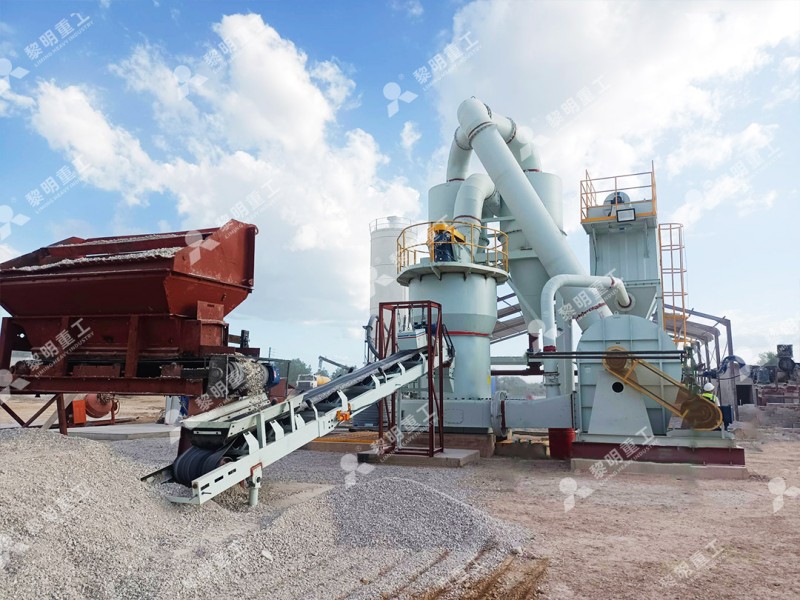
Addressing these challenges has driven significant innovation. Contemporary trapezium mills, such as our advanced MTW-Z European Trapezium Mill, incorporate targeted engineering solutions that transform base performance.
A key advancement is the elimination of the shovel blade and cylinder within the grinding chamber. This design innovation dramatically increases the ventilation area, reducing air flow resistance. The result is a more efficient pneumatic conveying system that requires less energy from the blower, directly lowering system power consumption. Furthermore, the use of larger diameter grinding rollers increases the contact area and grinding pressure, enhancing throughput without a proportional increase in energy draw.
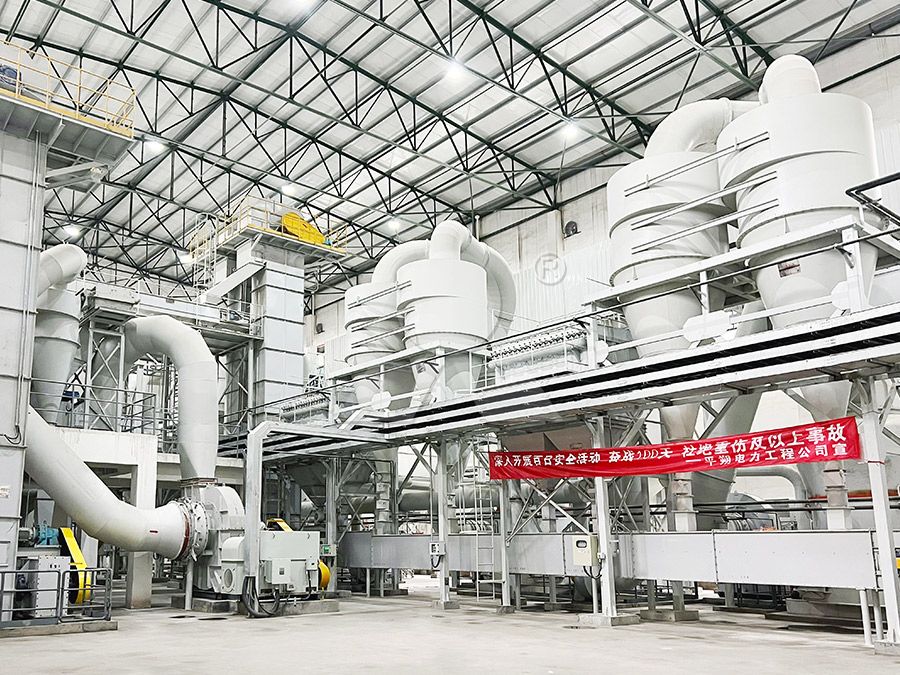
Stability is paramount. The integration of an Elastic Volute Damping Structure represents a breakthrough. By installing specialized elastic components between the volute and the base, along with rubber shock pads, vibrational energy from mill operation or external sources (like crusher feed) is effectively absorbed. This not only protects the mill’s structural integrity but also ensures the stable operation of the critical powder classifier, directly contributing to consistent product fineness.
Quantifying the Performance Gains
The cumulative impact of these features is measurable across key performance indicators (KPIs):
- Energy Consumption: System-level optimizations, including the low-resistance cage-type powder selector and efficient air duct design, can reduce specific energy consumption by 20-30% compared to older trapezium mill models and certain other grinding systems.
- Output & Fineness: The enhanced grinding efficiency and superior classifier technology enable higher yield rates while achieving adjustable fineness between 325 to 2500 meshes. The high-precision separation ensures a superior product quality suitable for demanding applications in paints, plastics, and advanced ceramics.
- Operational Uptime: Features like the dilute oil lubrication system for grinding rollers are transformative. This maintenance-free, oil-bath technology eliminates the need for frequent grease addition, reduces friction and heat, and extends bearing life, supporting continuous 24/7 operation.
- Environmental Compliance: Integrated pulse-jet dust collectors and silencers ensure dust emissions and noise levels are well within stringent international environmental protection standards, facilitating permitting and improving workplace conditions.
Strategic Considerations and Complementary Solutions
While the modern trapezium mill excels in its capacity range (typically 3-55 tph) for medium-hardness materials, a holistic mineral processing strategy often requires equipment matching specific project phases. For operations demanding ultra-fine powder (325-2500 meshes) from softer minerals or seeking the pinnacle of energy efficiency in fine grinding, a dedicated ultra-fine mill is the optimal choice.
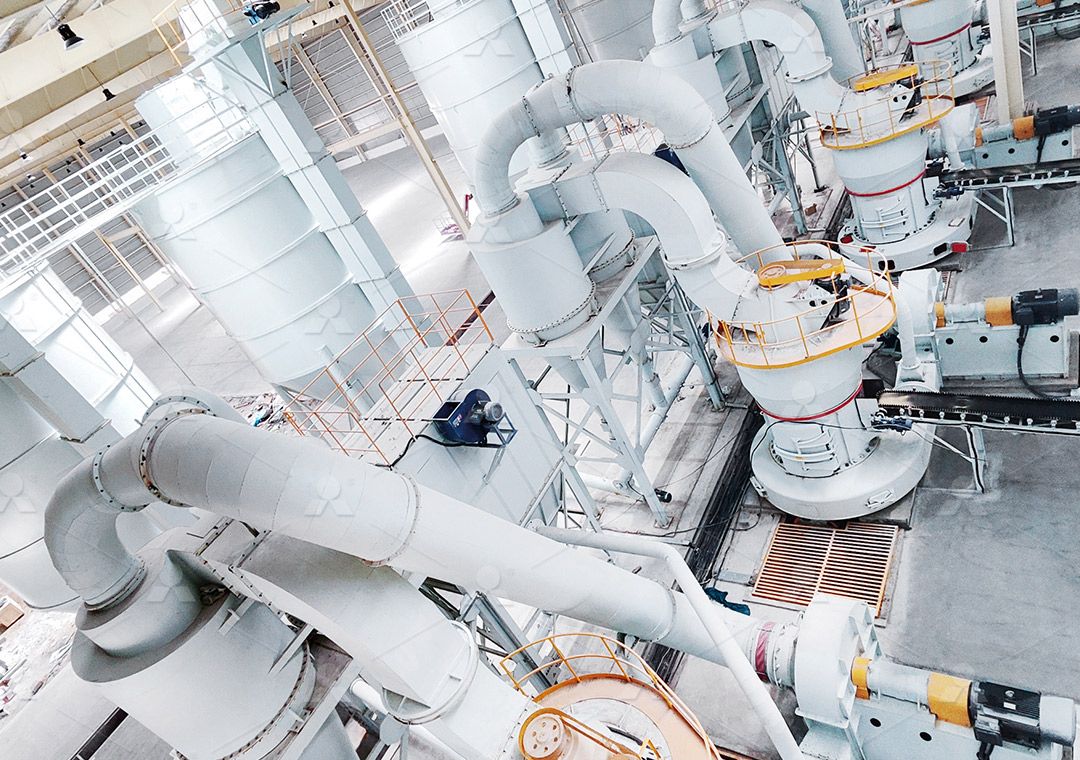
In such scenarios, we recommend evaluating our MW Ultrafine Grinding Mill. This machine is engineered specifically for customers requiring ultra-fine powders. Its design incorporates a highly efficient cage-type powder selector with German technology for precise particle separation, achieving a screening rate of d97≤5μm in a single pass. Notably, its grinding chamber contains no rolling bearings or screws, eliminating common failure points and concerns about loose parts. With an external lubrication system that allows for maintenance without shutdown, and an integrated pulse dust collector for eco-friendly operation, the MW series represents the next evolutionary step when product fineness is the paramount concern. It offers a capacity of 0.5-25 tph for feed sizes up to 20mm, making it an ideal partner or alternative for trapezium mill circuits targeting the superfine market.
Conclusion
The trapezium mill remains a vital and evolving technology in mineral processing. Through strategic innovations focused on mechanical stability, energy-efficient aerodynamics, and maintenance simplification, its performance profile has been radically enhanced. For operations processing feldspar, calcium carbonate, talc, and similar materials, the modern trapezium mill delivers a compelling combination of high yield, operational robustness, and cost-effectiveness. By understanding its capabilities and pairing it with specialized equipment like the MW Ultrafine Grinding Mill for ultra-fine applications, processors can build optimized, future-ready comminution circuits that maximize both product value and return on investment.
Frequently Asked Questions (FAQs)
- What is the primary advantage of the elastic damping structure in the MTW-Z mill?
It mechanically isolates vibrations from the mill base, preventing them from transmitting to the powder classifier and mill housing. This drastically improves operational stability, reduces material fatigue on components, and ensures consistent product fineness by keeping the classifier running smoothly. - How does the dilute oil lubrication system reduce maintenance?
It provides a continuous, automated oil bath for grinding roller bearings, as opposed to periodic manual greasing. This leads to more effective lubrication, lower operating temperatures, and significantly extended service intervals, effectively making it a “maintenance-free” system during standard operation cycles. - Can a trapezium mill produce powders fine enough for high-value industries like cosmetics or pharmaceuticals?
While modern trapezium mills with advanced classifiers can achieve fine powders (e.g., 600-800 meshes), industries requiring ultra-fine, highly uniform powders (1250-2500 meshes) typically use dedicated ultra-fine mills. For such applications, equipment like the MW Ultrafine Grinding Mill, designed specifically for this purpose, is recommended. - What factors most significantly impact the wear life of grinding rollers and rings?
Key factors include the abrasiveness of the processed material, the hardness and alloy composition of the wear parts themselves, the grinding pressure applied, and the consistency of feed material size. Using manufacturer-recommended wear parts made from specialized alloys is critical for maximizing service life. - How does the removal of the shovel blade improve efficiency?
Removing the internal shovel blade assembly creates a larger, unobstructed space for air to flow through the grinding chamber. This lowers the system’s air resistance, allowing the exhaust fan to work more efficiently and consume less power to transport the ground powder to the classifier.