
What is Raymond Mill Used for in Limestone Processing?
We provide a wide range of mills — including Raymond mill, trapezoidal mill, vertical mill, ultrafine mill, and ball mill, obtained ISO9001 international quality certification, EU CE certification, and Customs Union CU-TR certification. Suitable for processing minerals such as limestone, phosphate, quicklime, kaolin, talc, barite, bentonite, calcium carbonate, dolomite, coal, gypsum, clay, carbon black, slag, cement raw materials, cement clinker, and more.
The discharge range of these mills can be adjusted to meet specific processing needs, typically from 80-400 mesh, 600-3250 mesh, and can achieve the finest particle size of up to 6000 mesh(D50).
If you are looking for a reliable grinding solution to turn stone or minerals into fine powder, please feel free to contact our online customer service.
What is Raymond Mill Used for in Limestone Processing?
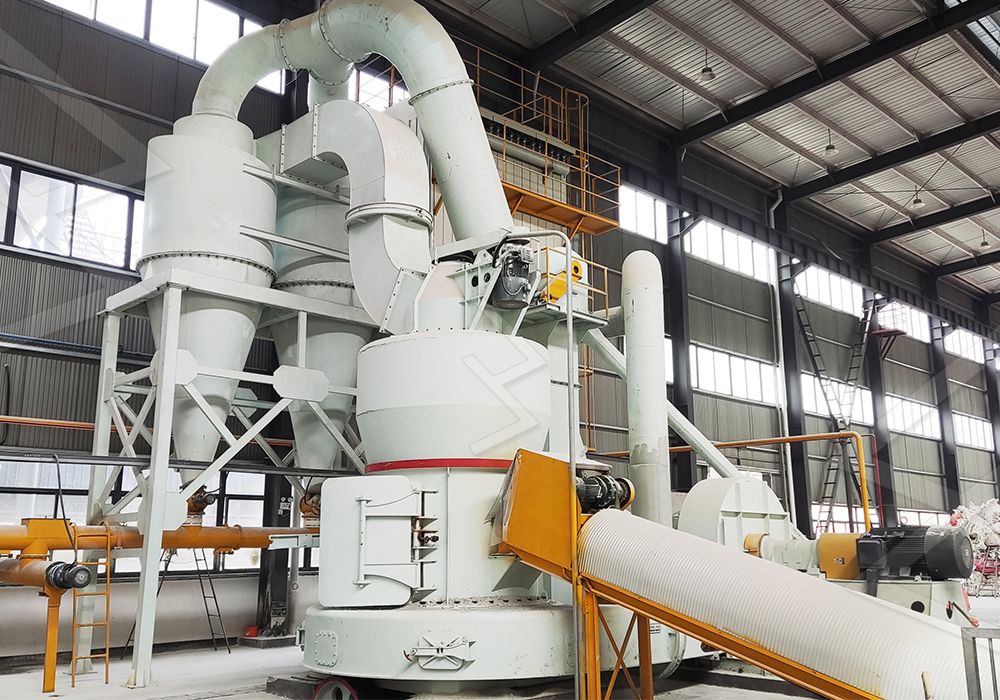
For decades, the name “Raymond Mill” has been synonymous with reliable, efficient grinding in mineral processing. When it comes to limestone, a cornerstone material for construction, agriculture, and industrial manufacturing, understanding the role of this classic technology is crucial. At its core, a Raymond mill is a type of roller mill used for grinding soft to medium-hard materials into fine powders. In limestone processing, its primary function is to pulverize crushed limestone into various grades of powder, known as ground calcium carbonate (GCC), which serves as a critical raw material.
The Core Applications of Limestone Powder
The value of processed limestone lies in its fineness and purity. Raymond mills are typically employed to produce powders ranging from coarse (e.g., 80-100 mesh for agricultural lime) to fine (e.g., 200-325 mesh for fillers in plastics, paints, and rubber). The process is straightforward: crushed limestone is fed into the grinding chamber where rotating rollers, under centrifugal force, press against a stationary ring to crush and grind the material. A built-in classifier ensures only particles of the desired fineness escape the grinding cycle, while coarser particles are returned for further reduction. This makes Raymond mills ideal for producing consistent filler-grade products for:
- Construction: As an additive in asphalt, concrete, and building materials.
- Manufacturing: As a filler and extender in plastics, paints, coatings, and adhesives.
- Environmental: In flue gas desulfurization (FGD) systems at power plants.
- Agriculture: As soil conditioner and animal feed supplement.
Evolution Beyond Tradition: The Need for Advanced Solutions
While the traditional Raymond mill (with a typical capacity of 0.6-5 tph for <25mm feed) laid the foundation, modern industry demands have evolved. Producers now seek higher throughput, superior energy efficiency, and the ability to achieve ultra-fine powders (beyond 325 mesh) for high-value applications. This is where next-generation grinding technologies step in, offering significant advantages for forward-thinking limestone processors.
For operations requiring ultra-fine limestone powder with exceptional whiteness and purity—essential for premium-grade plastics, high-quality paints, and advanced ceramics—traditional mills can be limiting. The challenge often involves higher energy consumption per ton, greater wear on parts, and difficulty in consistently achieving fineness above 600 mesh without sacrificing yield.
Modern Alternatives for Enhanced Limestone Processing
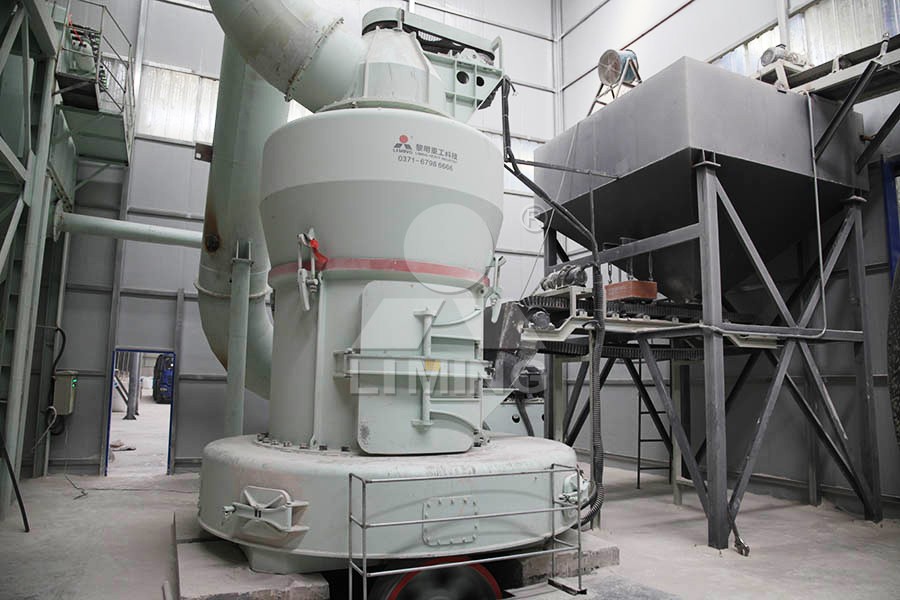
To address these modern challenges, our engineering team has developed advanced grinding systems that build upon the classic Raymond mill principle while integrating cutting-edge technology. For clients focused on high-value, ultra-fine limestone products, we specifically recommend evaluating our MW Ultrafine Grinding Mill.
The MW Ultrafine Grinding Mill is engineered for customers who need to make ultra-fine powder efficiently and cleanly. Accepting feed sizes of 0-20 mm and offering a capacity range of 0.5-25 tph, it is a robust solution for scaling up fine powder production. Its design directly tackles the limitations of older systems:
- Higher Yielding, Lower Energy Consumption: With newly designed grinding curves, its production capacity is 40% higher than jet or stirred mills at the same fineness and power, while system energy consumption is just 30% of a jet mill’s.
- Adjustable Fineness Between 325-2500 Meshes: Featuring a German-technology cage-type powder selector, it achieves precise separation, allowing product fineness to be finely tuned. It can achieve a d97≤5μm in a single pass, which is critical for high-end limestone fillers.
- Eco-Friendly and Reliable Operation: The mill is equipped with an efficient pulse dust collector and muffler, ensuring no dust pollution and low-noise operation that meets national environmental standards. Its unique design, with no rolling bearings or screws in the grinding chamber, eliminates common failure points and allows for external lubrication without shutdown.
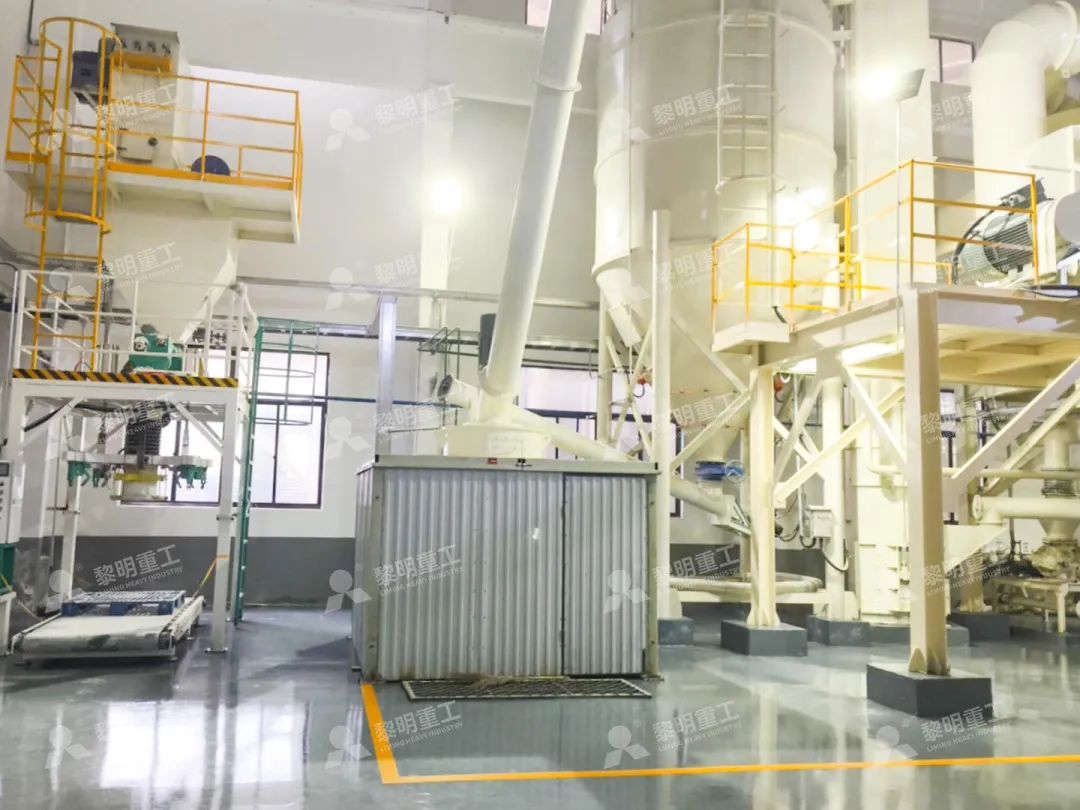
For larger-scale operations processing limestone alongside other non-metallic minerals, our LUM Ultrafine Vertical Grinding Mill presents another excellent option. Integrating ultrafine grinding, grading, and transporting, the LUM mill (0-10mm feed, 5-18 tph capacity) offers remarkable energy savings of 30%-50% and features a reversible structure that makes maintenance on heavy grinding rollers far easier, minimizing downtime.
Choosing the Right Tool for Your Project
The decision between a traditional Raymond mill and a modern ultrafine system boils down to your product specifications, target market, and operational goals. For standard filler-grade powder at moderate volumes, a Raymond mill remains a cost-effective workhorse. However, for producers aiming to enter markets for ultra-fine, high-purity GCC, or those prioritizing lower operational costs and higher throughput, advanced mills like the MW series are the clear path forward.
Ultimately, successful limestone processing hinges on matching the grinding technology to the desired product characteristics. By leveraging advancements in grinding curves, powder selection, and system design, today’s solutions offer unprecedented control over fineness, yield, and operational efficiency, turning raw limestone into a highly engineered and valuable product.
Frequently Asked Questions (FAQ)
1. What is the main difference between a Raymond Mill and an Ultrafine Grinding Mill for limestone?
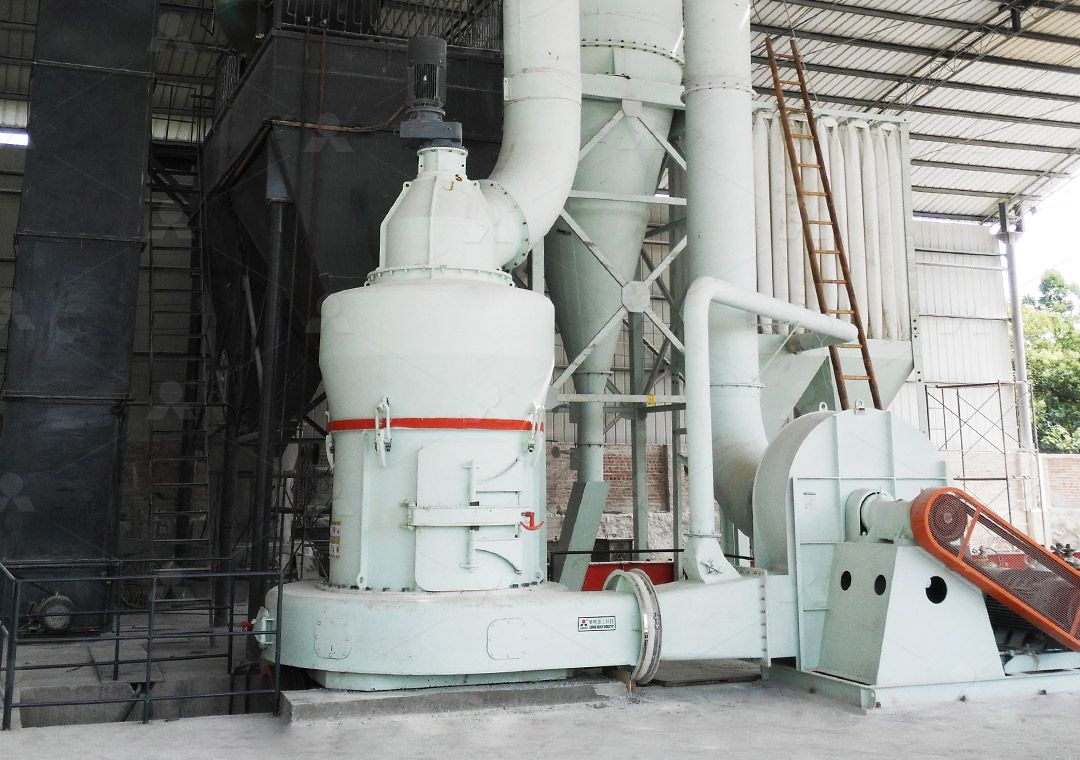
The primary differences lie in fineness range, energy efficiency, and operational design. Traditional Raymond mills are excellent for producing powders up to 325 mesh. Ultrafine grinding mills, like our MW Series, are engineered to consistently produce powders from 325 to 2500 mesh with significantly higher energy efficiency and often higher capacity for a comparable footprint.
2. Can these mills handle moist limestone?
Standard Raymond and vertical roller mills have limited drying capacity. For limestone with significant moisture, a system with integrated drying (like hot air introduced into the mill) is necessary. Our LM Vertical Grinding Mill series, for instance, integrates drying and grinding, making it suitable for materials with higher moisture content.
3. How important is the powder selector/classifier in these mills?
It is critical. The classifier determines the final product fineness by separating fine particles from coarse ones that need regrinding. Advanced classifiers, like the cage-type selector in the MW Mill, offer higher precision, better screening rates, and more adjustable fineness, directly impacting product quality and system efficiency.
4. What are the key maintenance points for a limestone grinding mill?
Key wear parts are grinding rollers and rings/liners. Modern designs aim to extend their service life and simplify replacement. For example, the LUM Ultrafine Vertical Mill features a reversible structure, allowing rollers to be easily moved out for maintenance. Also, look for designs that keep bearings and lubrication points outside the grinding chamber to avoid contamination and simplify upkeep.
5. How do I decide between a vertical roller mill (like LUM) and a ring-roller mill (like MW) for my limestone plant?
Consider your feed size, required capacity, and target fineness. Vertical roller mills (VRMs) like the LUM are excellent for larger feed sizes (up to 70mm for some models) and integrate multiple processes. Ring-roller mills like the MW are often preferred for dedicated, high-efficiency production of ultra-fine powders from a smaller, pre-crushed feed. A detailed analysis of your raw material and product goals with our technical team is the best way to decide.
6. Are these grinding systems environmentally friendly?
Modern systems are designed with environmental protection as a priority. Key features include fully sealed negative-pressure operation to prevent dust spillage, high-efficiency pulse jet baghouse dust collectors (often achieving emission levels below 20mg/Nm³), and sound insulation measures to reduce noise pollution, ensuring compliance with strict environmental standards.