
Raymond Mill Reviews: Performance, Pros, and User Feedback
We provide a wide range of mills — including Raymond mill, trapezoidal mill, vertical mill, ultrafine mill, and ball mill, obtained ISO9001 international quality certification, EU CE certification, and Customs Union CU-TR certification. Suitable for processing minerals such as limestone, phosphate, quicklime, kaolin, talc, barite, bentonite, calcium carbonate, dolomite, coal, gypsum, clay, carbon black, slag, cement raw materials, cement clinker, and more.
The discharge range of these mills can be adjusted to meet specific processing needs, typically from 80-400 mesh, 600-3250 mesh, and can achieve the finest particle size of up to 6000 mesh(D50).
If you are looking for a reliable grinding solution to turn stone or minerals into fine powder, please feel free to contact our online customer service.
Raymond Mill Reviews: Performance, Pros, and User Feedback
For decades, the Raymond mill has been a cornerstone of powder processing across industries like mining, construction, and chemicals. Its reputation for reliability and straightforward operation is well-earned. But in today’s market, with evolving demands for finer powders, higher efficiency, and stricter environmental standards, how does the traditional Raymond mill stack up? This review synthesizes technical performance data with aggregated user feedback to provide a clear picture.
Core Performance and Traditional Strengths
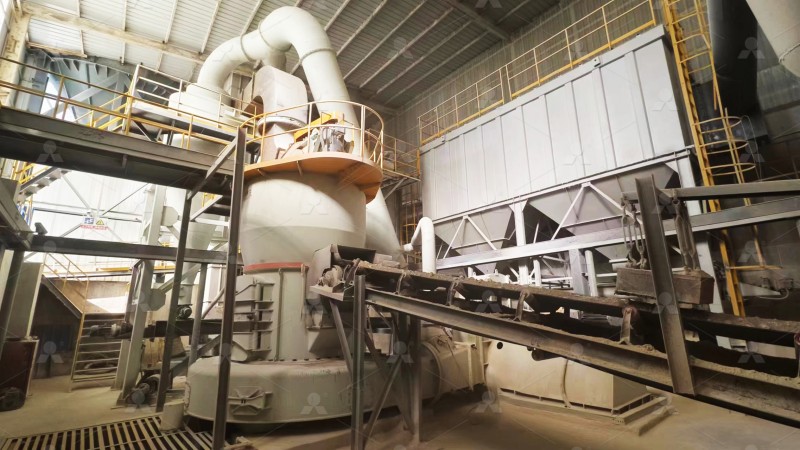
The classic Raymond mill design, characterized by its vertical structure with grinding rollers and rings, excels in processing medium-hard materials to a fineness typically ranging from 30 to 425 mesh. Users consistently praise its simplicity and robustness. The mechanical design is less complex than some modern alternatives, which often translates to easier maintenance and operator familiarity.
A significant advantage highlighted in long-term reviews is its lower initial investment cost. For small to medium-scale operations targeting standard fineness requirements, it remains a cost-effective entry point. Its integrated crushing, grinding, and classifying system also saves valuable floor space.
Common User-Reported Limitations
Despite its strengths, user feedback points to several limitations, especially when compared to newer grinding technologies:
- Fineness Ceiling: Achieving consistent output beyond 425 mesh (approximately 40 microns) is challenging and often inefficient, leading to increased wear and energy consumption.
- Energy Consumption: For ultra-fine grinding applications, its energy efficiency per ton of product can be significantly higher than specialized mills.
- Noise and Dust: Older models, in particular, can generate considerable noise and require extensive auxiliary dust collection systems to meet modern environmental codes.
- Wear Part Maintenance: The direct grinding action leads to predictable wear on rollers and rings, requiring scheduled downtime for replacement.
These points are frequently raised by operations looking to upgrade their product line or reduce their operational footprint.
The Modern Evolution: Where Raymond Mill Technology is Heading
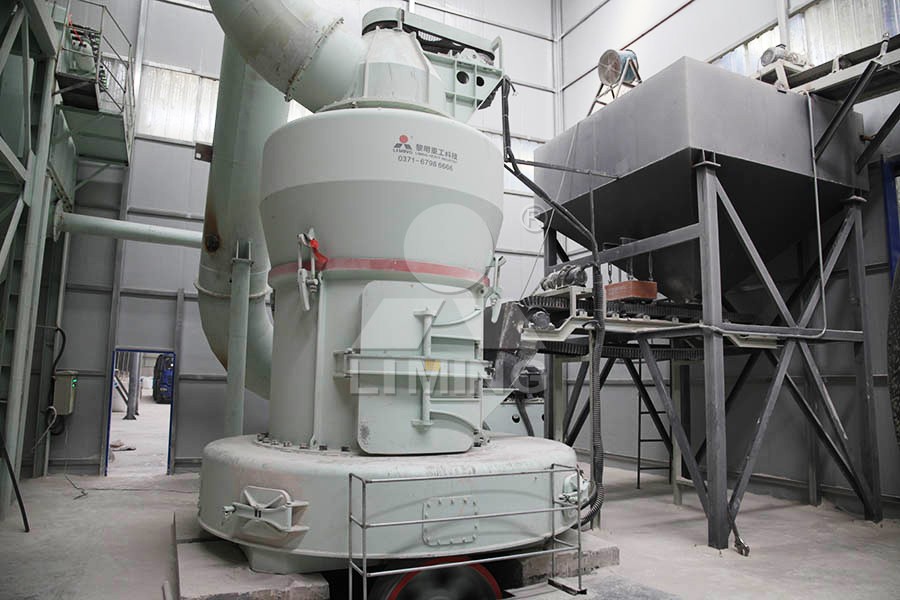
The core principles of the Raymond mill haven’t been abandoned; they’ve been refined and enhanced. Contemporary iterations address many traditional drawbacks through advanced engineering. Features like fully automatic control systems, improved sealing, and efficient pulse-jet dust collectors are now common, directly responding to user demands for cleaner, more automated operation.
However, for operations targeting the ultra-fine powder market (325-2500 mesh), a specialized class of equipment has emerged as the superior choice. Here, the technological leap is most apparent.
Beyond Traditional Limits: The Shift to Specialized Ultrafine Grinding
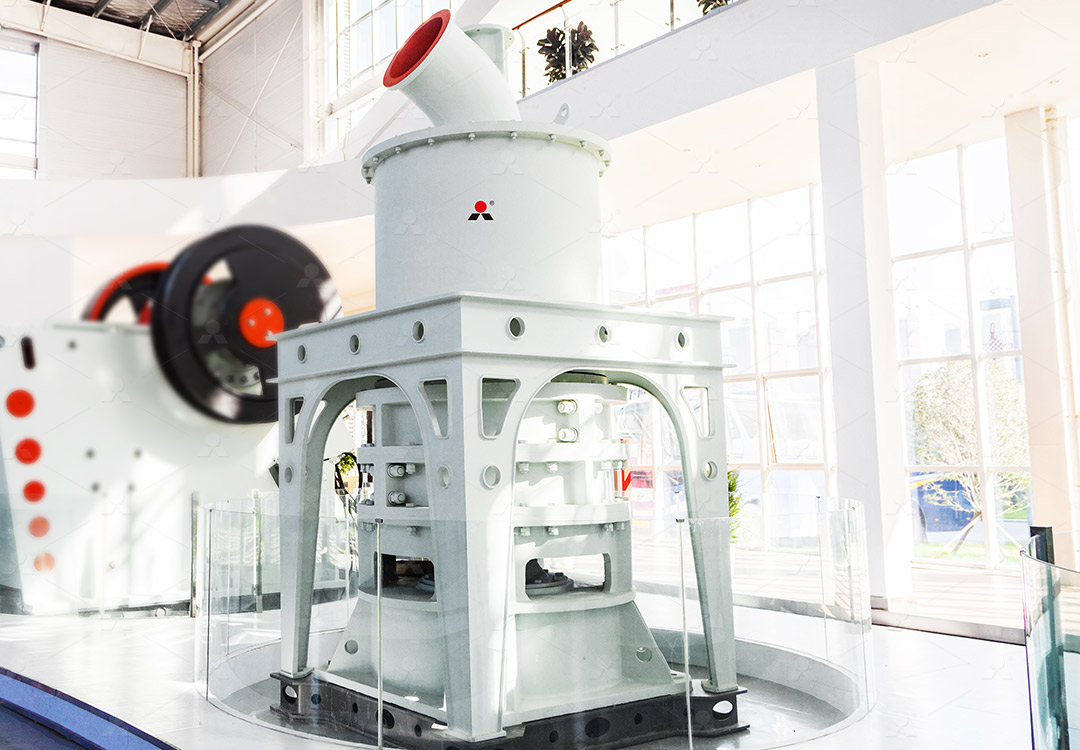
When your production goals require ultra-fine, high-purity powders, a dedicated ultrafine grinding mill is no longer a luxury—it’s a necessity for competitiveness. Based on extensive industry feedback and performance data, mills designed specifically for this purpose deliver transformative benefits.
Spotlight on Advanced Solutions: MW and LUM Series Mills
For businesses ready to transcend the limitations of conventional milling, leading manufacturers offer next-generation solutions. A prime example is the MW Ultrafine Grinding Mill. This machine is engineered from the ground up for customers who need to make ultra-fine powder efficiently and cleanly.
Its performance highlights directly counter the common pain points of older designs:
- Superior Efficiency: With newly designed grinding curves, its production capacity can be up to 40% higher than jet mills and double that of ball mills for the same power consumption, while system energy use is just 30% of a jet mill.
- Exceptional Fineness Control: It features an advanced cage-type powder selector, allowing precise adjustment of product fineness between 325 and 2500 meshes, achieving a screening rate of d97≤5μm in a single pass.
- Enhanced Reliability & Eco-Design: A key innovation is the elimination of rolling bearings and screws in the grinding chamber, preventing related failures. It is equipped with an efficient pulse dust collector and muffler, ensuring dust-free operation and low noise, aligning fully with national environmental standards.
- Wide Application: It expertly handles materials like limestone, calcite, dolomite, talc, and barite for industries ranging from chemicals and paints to cosmetics and food additives.
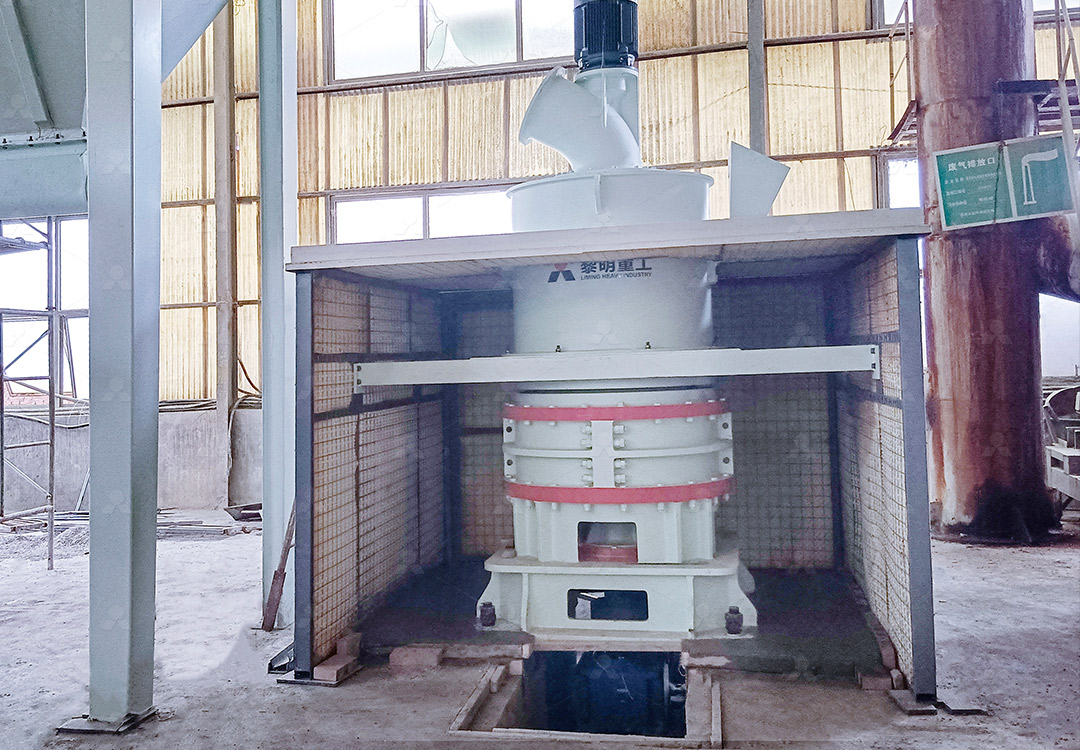
Another formidable option for high-grade powder production is the LUM Ultrafine Vertical Grinding Mill. It integrates the latest grinding roller and powder separating technology, offering benefits like a unique roller shell design for higher yield and better product whiteness, multi-head powder separating technology for 30%-50% energy savings, and a reversible structure that allows grinding rollers to be easily moved out for maintenance, drastically reducing downtime.
Making the Right Choice: User-Centric Considerations
Choosing between a traditional Raymond mill and a modern ultrafine system boils down to your specific needs:
- Stick with a Raymond Mill if: Your primary materials are medium-hard, your target fineness is under 425 mesh, your capital budget is constrained, and you value operational simplicity.
- Consider an Upgrade to an Ultrafine Mill (like the MW or LUM series) if: You are entering markets requiring 1000+ mesh powders, energy consumption is a major cost concern, you must guarantee low iron content and high purity, or you aim to minimize your environmental impact and operational downtime.
The consensus from growing operations is clear: investing in advanced grinding technology like the MW or LUM mills is an investment in product quality, operational efficiency, and long-term sustainability. It solves the historical limitations while opening doors to higher-value applications.
Frequently Asked Questions (FAQ)
1. What is the main difference between a Raymond Mill and an Ultrafine Grinding Mill?
The core difference lies in their design focus and capability. Traditional Raymond mills are best for grinding materials to a medium fineness (up to ~425 mesh). Ultrafine Grinding Mills, like the MW series, are specifically engineered to produce much finer powders (from 325 to 2500 mesh) with higher efficiency, better energy economy, and often with more advanced environmental controls.
2. Can an Ultrafine Mill handle the same materials as my old Raymond mill?
Yes, and often more effectively. Ultrafine mills are designed to process a wide range of non-metallic minerals such as limestone, calcite, dolomite, talc, barite, and gypsum. They not only grind these materials but can produce a finer, more consistent, and higher-purity product from them.
3. Are modern grinding mills like the MW series more difficult to maintain?
Paradoxically, they are often easier to maintain in key areas. Designs like the MW Ultrafine Mill eliminate high-wear components like internal bearings and screws from the grinding chamber. Features like external lubrication points and accessible parts layouts are engineered to simplify routine checks and reduce the frequency and complexity of maintenance interventions.
4. How significant are the energy savings with a newer mill?
Very significant. Technological advancements in grinding curves, powder separation, and system design lead to drastic reductions. For instance, the MW Ultrafine Grinding Mill can use approximately 70% less energy than a traditional jet mill for comparable output and offers 40% higher capacity than some alternatives for the same power input. This directly translates to lower operating costs.
5. Is the noise and dust problem solved in newer models?
Absolutely. Modern mills prioritize environmental operation. They are typically equipped as standard with high-efficiency pulse jet dust collectors that capture over 99.9% of particulates, ensuring a clean workshop. Integrated mufflers and sound-dampening materials are used to significantly reduce operational noise, commonly bringing it well within regulated limits.
6. What kind of technical support can I expect when upgrading my equipment?
Reputable manufacturers provide comprehensive support. This includes pre-sales consulting to ensure the mill matches your needs, installation guidance, thorough operator training, and reliable after-sales service. A key benefit is the guaranteed supply of original spare parts, ensuring long-term worry-free operation and protecting your investment.