
Understanding the Price of Bentonite Raymond Mill Equipment: A Comprehensive Guide
We provide a wide range of mills — including Raymond mill, trapezoidal mill, vertical mill, ultrafine mill, and ball mill, obtained ISO9001 international quality certification, EU CE certification, and Customs Union CU-TR certification. Suitable for processing minerals such as limestone, phosphate, quicklime, kaolin, talc, barite, bentonite, calcium carbonate, dolomite, coal, gypsum, clay, carbon black, slag, cement raw materials, cement clinker, and more.
The discharge range of these mills can be adjusted to meet specific processing needs, typically from 80-400 mesh, 600-3250 mesh, and can achieve the finest particle size of up to 6000 mesh(D50).
If you are looking for a reliable grinding solution to turn stone or minerals into fine powder, please feel free to contact our online customer service.
Navigating the Cost Landscape of Bentonite Grinding Solutions
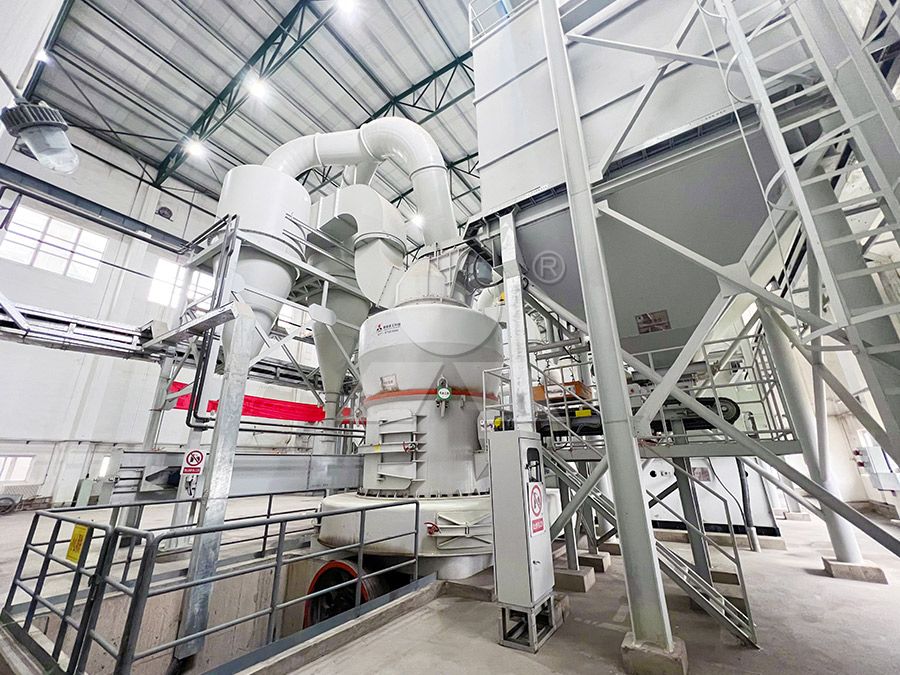
For professionals in the mining, construction, and industrial minerals sectors, selecting the right bentonite grinding equipment is a critical capital decision. The term “Raymond Mill” has become a generic descriptor for pendulum roller mills, but the modern market offers a sophisticated array of technologies, each with distinct performance characteristics and, consequently, varying price points. The price of bentonite Raymond mill equipment is not a single figure but a spectrum influenced by capacity, fineness requirements, energy efficiency, automation level, and long-term operational costs. A savvy investment looks beyond the initial invoice to consider total cost of ownership, productivity gains, and environmental compliance.
Key Factors Influencing Equipment Pricing
The core determinants of price for bentonite grinding mills are multifaceted. First is throughput capacity, measured in tons per hour (tph). A mill designed for 3 tph commands a fundamentally different price than an industrial system rated for 50 tph. Second is the required product fineness. Achieving a 2500-mesh ultra-fine powder necessitates advanced internal classifiers, precision machining, and often a different grinding mechanism compared to producing a coarse 100-mesh product. Third, technological sophistication plays a major role. Traditional Raymond mills with mechanical conveying have a lower entry cost. In contrast, modern vertical roller mills or ultra-fine grinding systems with integrated drying, PLC automation, high-efficiency separators, and advanced material science in wear parts represent a higher initial investment that pays dividends in efficiency and consistency.
Other crucial cost factors include the degree of environmental integration. Systems that come equipped with high-efficiency pulse jet dust collectors, sound-dampening enclosures, and fully sealed negative-pressure operation inherently cost more but eliminate the need for and cost of add-on pollution control systems. Finally, the manufacturer’s engineering support, warranty, and spare parts ecosystem contribute to the price. A machine backed by digital design, precision CNC manufacturing, and a guaranteed supply of original wear parts ensures worry-free operation but reflects a value-based pricing model.
Beyond the Traditional Raymond Mill: Modern High-Value Alternatives
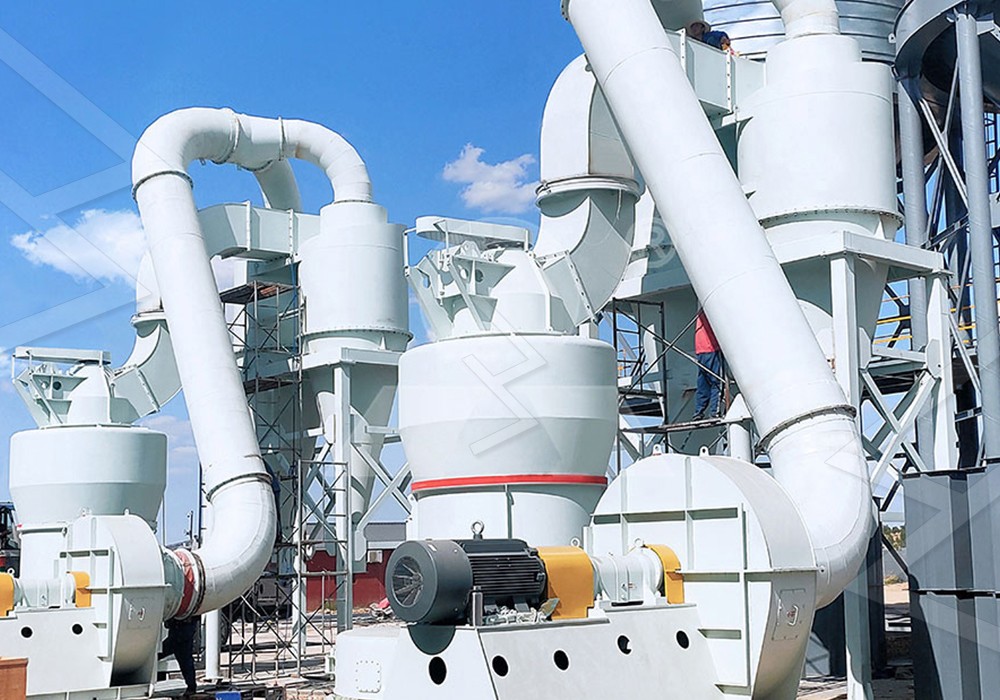
While the classic Raymond mill design remains a viable option for certain applications, technological evolution has delivered superior solutions for bentonite processing. For operations seeking exceptional fineness and purity—critical for bentonite used in cosmetics, pharmaceuticals, or high-grade ceramics—traditional pendulum mills may struggle with efficiency and heat generation.
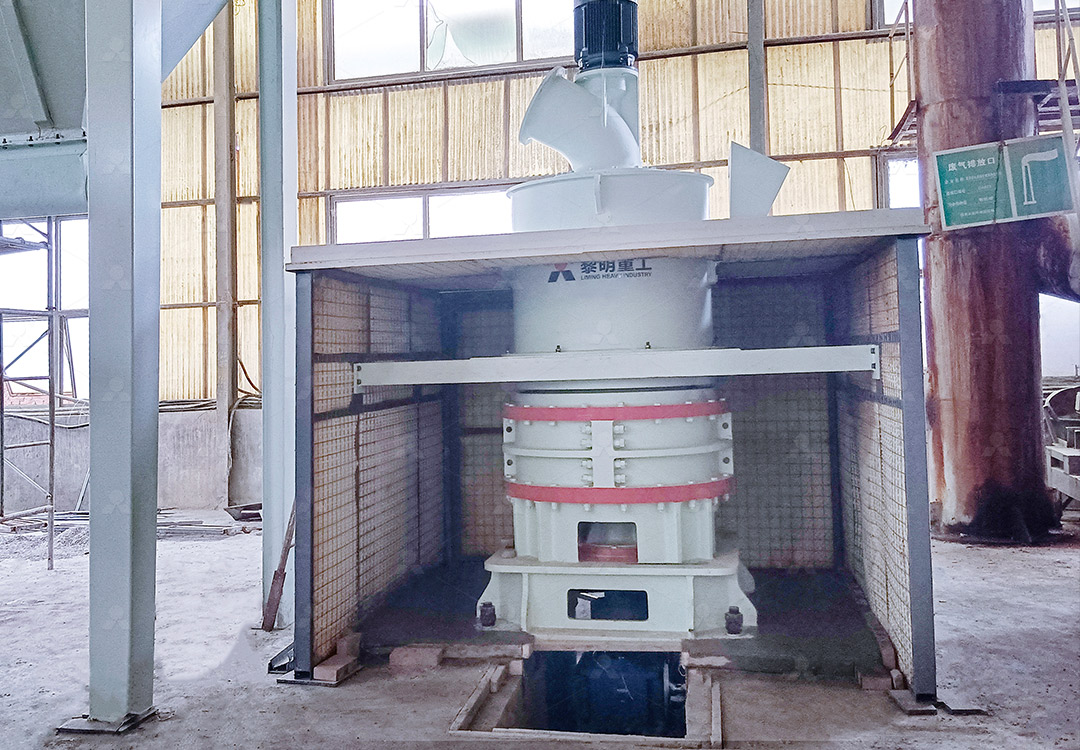
For these demanding ultra-fine grinding applications, we strongly recommend evaluating our MW Ultrafine Grinding Mill. This system is engineered for customers who need to produce ultra-fine powder between 325 and 2500 meshes. Its design philosophy directly addresses the total cost of ownership. It features a German-technology cage-type powder selector for precise classification, achieving a screening rate of d97≤5μm in a single pass. Notably, its grinding chamber eliminates rolling bearings and screws, removing common failure points and enabling external lubrication without shutdown for true 24/7 continuous production. With a capacity range of 0.5-25 tph and a system energy consumption reported to be just 30% of some jet mills, the MW series represents a premium investment that drastically reduces operating costs over its lifecycle.
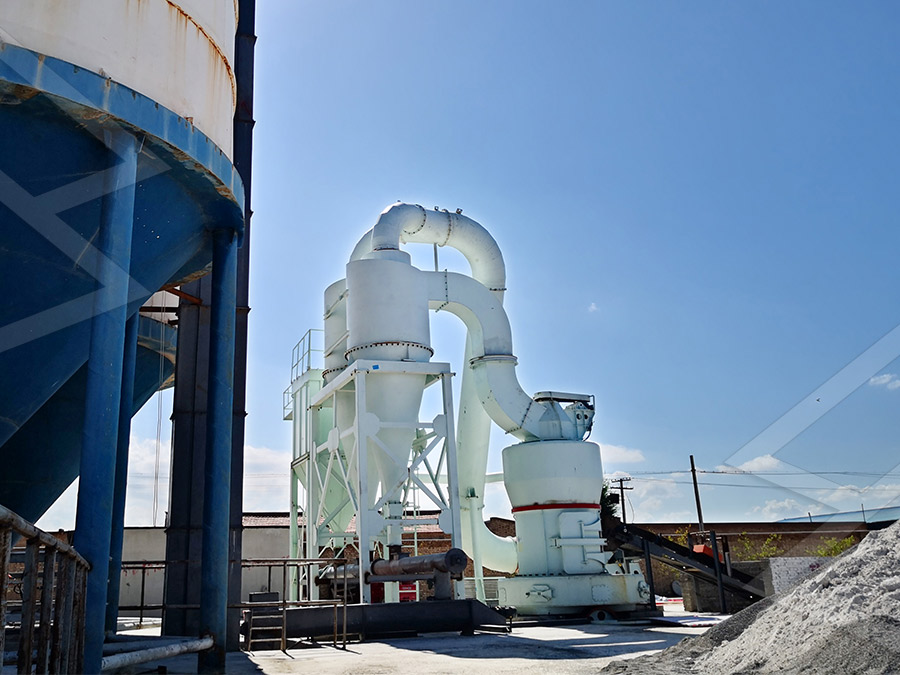
For high-volume production where integrated drying and grinding are beneficial, our LUM Ultrafine Vertical Grinding Mill presents another compelling option. Integrating grinding, classifying, and transporting, the LUM mill boasts energy savings of 30%-50% over common mills. Its unique roller shell and lining plate curve promote stable material bed formation, while double position-limiting technology protects against mechanical shock. A key feature for maintenance cost control is its reversible roller structure, allowing grinding rollers to be easily moved out of the body for servicing, minimizing downtime. With an input size of 0-10mm and capacity of 5-18 tph, it offers a robust, automated solution for consistent, high-quality bentonite powder.
Making an Informed Investment Decision
Ultimately, the “price” of your bentonite grinding equipment is the sum of its purchase price, installation cost, energy consumption over 5-10 years, maintenance and spare parts expenses, and potential downtime losses. A cheaper, less efficient mill can become the most expensive asset on your floor. The advanced engineering in mills like the MW and LUM series—from their digitalized CNC processing for higher precision to their eco-friendly pulse dust collection systems—is designed to optimize every element of this equation. When requesting a quotation, provide suppliers with detailed specifications: desired output fineness, required hourly capacity, moisture content of feed material, and available plant space. This allows for a precise recommendation and a transparent, value-justified price that aligns with your long-term operational and financial goals.
Frequently Asked Questions (FAQ)
1. What is the primary cost difference between a traditional Raymond mill and your MW Ultrafine Grinding Mill?
The MW Ultrafine Grinding Mill incorporates significantly more advanced technology, such as a high-precision cage classifier, a bearing-free grinding chamber design, and external lubrication systems. This results in a higher initial investment but delivers dramatically lower energy consumption (up to 70% savings vs. some mills), higher yield for ultra-fine products, and vastly reduced maintenance costs and downtime, offering a superior total cost of ownership.
2. Can your mills handle the varying moisture content sometimes found in bentonite?
Our vertical mill series, like the LUM and LM models, integrate grinding and drying functions. They can effectively process materials with a certain moisture content by utilizing hot air introduced into the mill. For very high moisture levels, a pre-drying stage may be recommended. It’s crucial to share your specific material moisture data during the consultation phase for an accurate system design.
3. How does the fineness adjustment work on the MW Mill, and how does it affect operation?
The MW Ultrafine Grinding Mill uses a multi-head cage-type powder selector. Fineness between 325-2500 meshes is adjusted primarily by changing the rotational speed of the classifier rotor. This is typically done via the PLC control system and does not require shutdown. This precise and flexible control allows you to produce different product grades for different markets without mechanical changes, maximizing line versatility.
4. What is the typical lead time for such equipment, and what does installation involve?
Lead times vary based on model complexity and current production schedule, typically ranging from 30 to 90 days after order confirmation. Our delivery includes detailed foundation drawings, electrical schematics, and installation manuals. We provide comprehensive remote guidance and can dispatch engineers for on-site supervision and commissioning to ensure a smooth startup.
5. Are spare parts readily available, and what is the expected lifespan of key wear parts?
As a manufacturer covering both production and sales, we maintain a sufficient inventory of original spare parts, including grinding rollers, rings, and classifier blades. The lifespan of wear parts depends on material abrasiveness and operating hours. For bentonite grinding, the wear-resistant alloy used in our mills typically offers a service life 1.5 to 2 times longer than standard materials, and our split-design parts can further reduce replacement time and cost.
6. How do you ensure the mill operates within environmental noise and dust regulations?
Our advanced mills are designed as environmentally sealed systems. They operate under negative pressure, preventing dust spillage. Integrated high-efficiency pulse jet dust collectors ensure emissions are far below international standards. For noise, silencers and sound-dampening enclosures are configured as standard or optional features, making our plants compliant with strict environmental and workplace safety regulations.