
How Much Does Fine Grinding of Spent Pot Lining Cost Per Ton?
We provide a wide range of mills — including Raymond mill, trapezoidal mill, vertical mill, ultrafine mill, and ball mill, obtained ISO9001 international quality certification, EU CE certification, and Customs Union CU-TR certification. Suitable for processing minerals such as limestone, phosphate, quicklime, kaolin, talc, barite, bentonite, calcium carbonate, dolomite, coal, gypsum, clay, carbon black, slag, cement raw materials, cement clinker, and more.
The discharge range of these mills can be adjusted to meet specific processing needs, typically from 80-400 mesh, 600-3250 mesh, and can achieve the finest particle size of up to 6000 mesh(D50).
If you are looking for a reliable grinding solution to turn stone or minerals into fine powder, please feel free to contact our online customer service.
How Much Does Fine Grinding of Spent Pot Lining Cost Per Ton?
Spent Pot Lining (SPL), a hazardous byproduct of aluminum smelting, presents a significant disposal challenge. However, its high carbon and mineral content also makes it a valuable resource when processed correctly. Fine grinding is a critical step in unlocking this value, transforming SPL into a usable powder for applications like cementitious materials, fuel supplements, or feedstock for further chemical processing. The central question for any project manager is: What is the cost per ton for fine grinding SPL? The answer is not a simple figure but a complex equation influenced by equipment selection, operational parameters, and total project economics.
Deconstructing the Cost Equation
The cost per ton is a function of both capital expenditure (CAPEX) and operational expenditure (OPEX). A cheap machine with high energy consumption, frequent downtime, and low yield will ultimately have a higher cost per ton than a more sophisticated, efficient system.
- Capital Costs (Amortized): The initial investment in the grinding mill, auxiliary equipment (crushers, feeders, classifiers, dust collectors), and installation. This cost is spread over the lifetime tonnage processed.
- Energy Consumption: This is often the single largest OPEX factor. The grinding process is energy-intensive. Mills that offer higher efficiency and lower specific power consumption (kWh/ton) directly slash the operating cost.
- Wear Parts & Maintenance: SPL is abrasive. The consumption rate of grinding rollers, rings, liners, and classifier parts dictates maintenance frequency and cost. Designs that extend wear life or simplify replacement reduce downtime and cost per ton.
- Throughput & Yield: A mill’s capacity (tons per hour) and its ability to achieve the target fineness in a single pass (high yield rate) determine how much material is processed over time. Higher throughput with less re-circulation lowers cost.
- Environmental Control: SPL processing must contain fluorides and cyanides. Integrated, efficient dust collection and gas scrubbing systems are non-negotiable. Their operating cost and effectiveness are part of the total grinding cost.
- Labor & Automation: Highly automated mills with precise digital controls require less manual intervention, ensuring consistent product quality and reducing labor costs.
The Critical Role of Mill Selection
Choosing the right grinding technology is the most impactful decision on your cost-per-ton metric. For the ultra-fine grinding (often to d97 < 10μm) required to fully liberate and activate SPL components, traditional ball mills are often inefficient. Modern vertical roller mills and advanced ring-roller mills offer superior solutions.
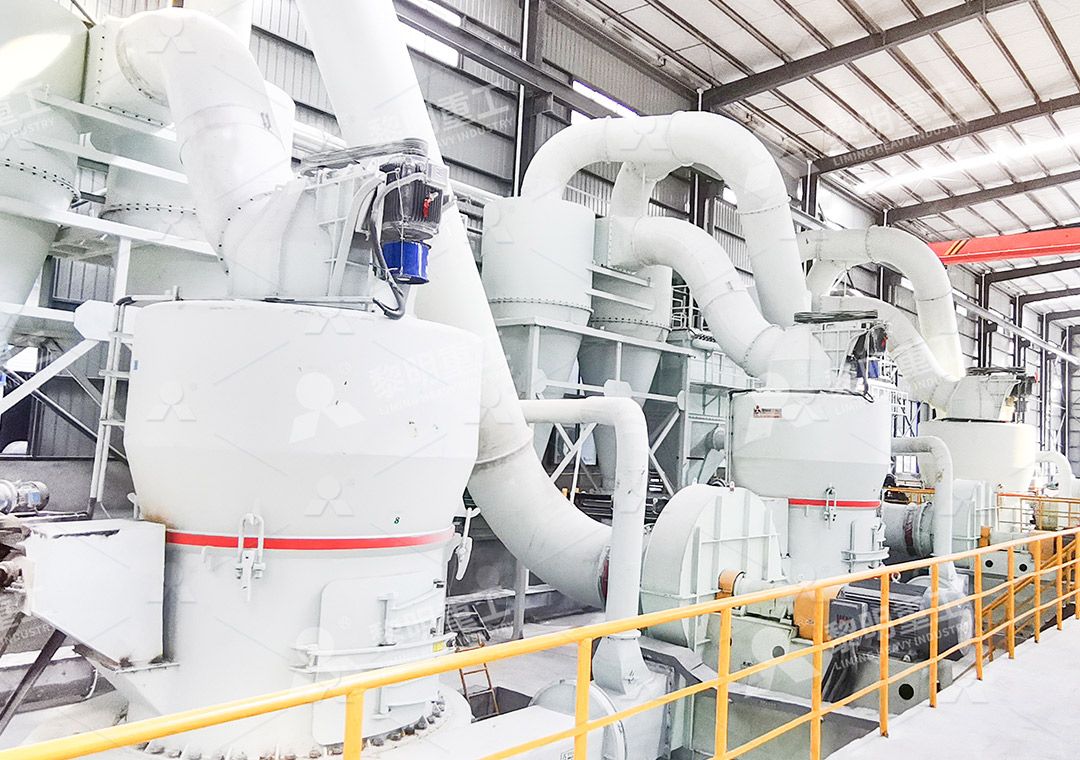
For projects requiring high-precision, ultra-fine powder from abrasive materials like SPL, the MW Ultrafine Grinding Mill presents a compelling option. Engineered for challenging applications, it features a grinding chamber free of rolling bearings and screws, eliminating critical failure points common in abrasive environments. Its cage-type powder selector, employing German technology, allows precise fineness adjustment between 325-2500 meshes, ensuring the exact SPL powder specification is met efficiently. Crucially, it delivers higher yield with up to 40% higher capacity and 70% lower system energy consumption compared to some alternative fine grinding systems, directly attacking the largest OPEX component. The integrated efficient pulse dust collector ensures the entire process meets stringent environmental standards, a must for SPL handling.
Beyond the Machine: Total System Optimization
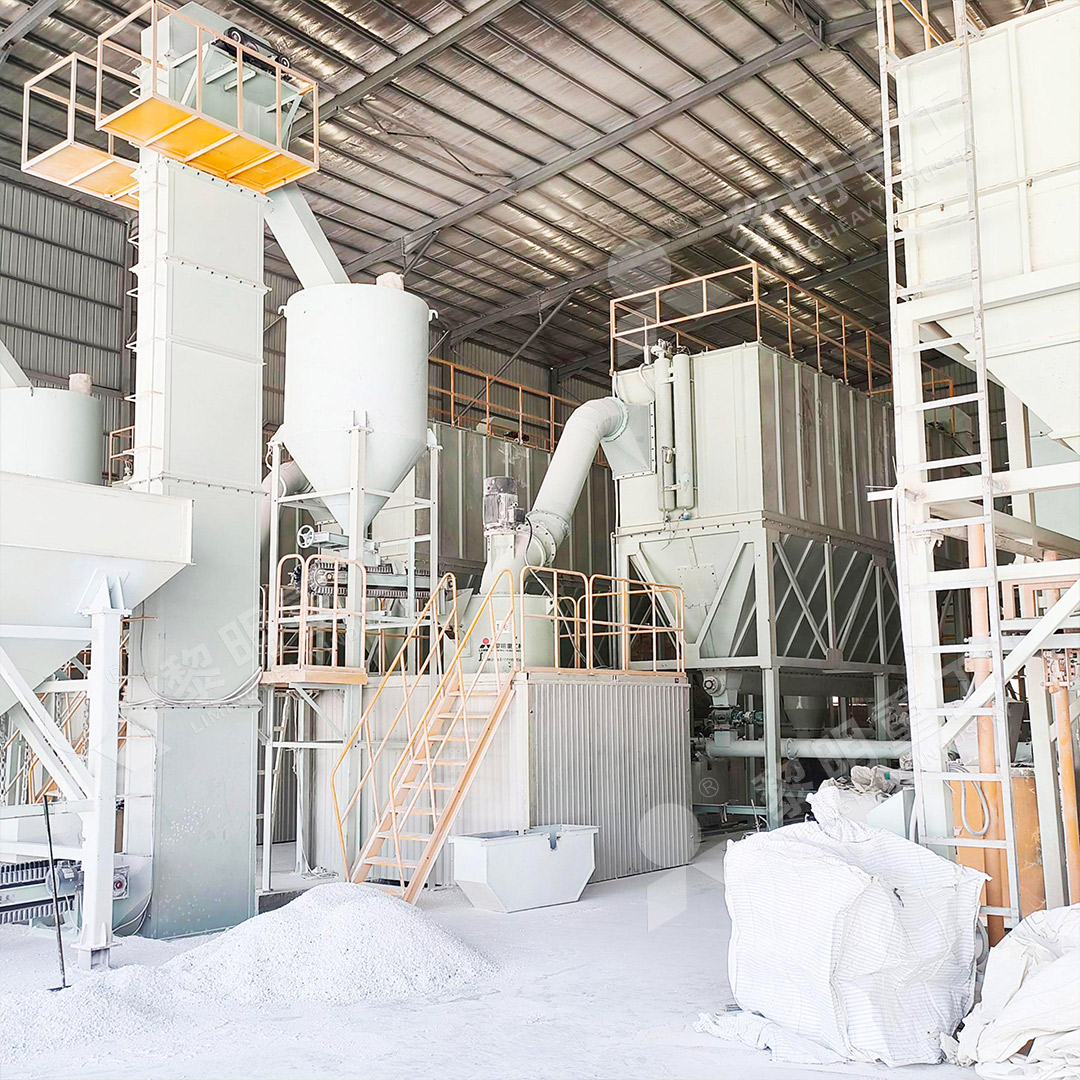
The grinding mill is the heart, but the peripherals are the circulatory system. Pre-crushing SPL to a consistent feed size (e.g., 0-20mm for the MW Mill) optimizes mill feeding and stability. An efficient, closed-circuit classifying system ensures no energy is wasted over-grinding already-fine particles. Furthermore, partnering with a supplier that provides comprehensive technical support and genuine spare parts—like LIMING’s commitment to worry-free operation—minimizes lifecycle risks and unexpected costs.
Arriving at Your Number
To calculate a realistic cost per ton, you must model your specific operation:
- Define Scope: Target fineness, required capacity (tph), annual throughput.
- Model CAPEX: Obtain quotes for a complete system, not just the mill.
- Model OPEX: Use manufacturer data (e.g., specific energy consumption, wear rates) to project power, maintenance, and part replacement costs.
- Calculate: (Annualized CAPEX + Annual OPEX) / (Annual Tons Processed) = Cost per Ton.
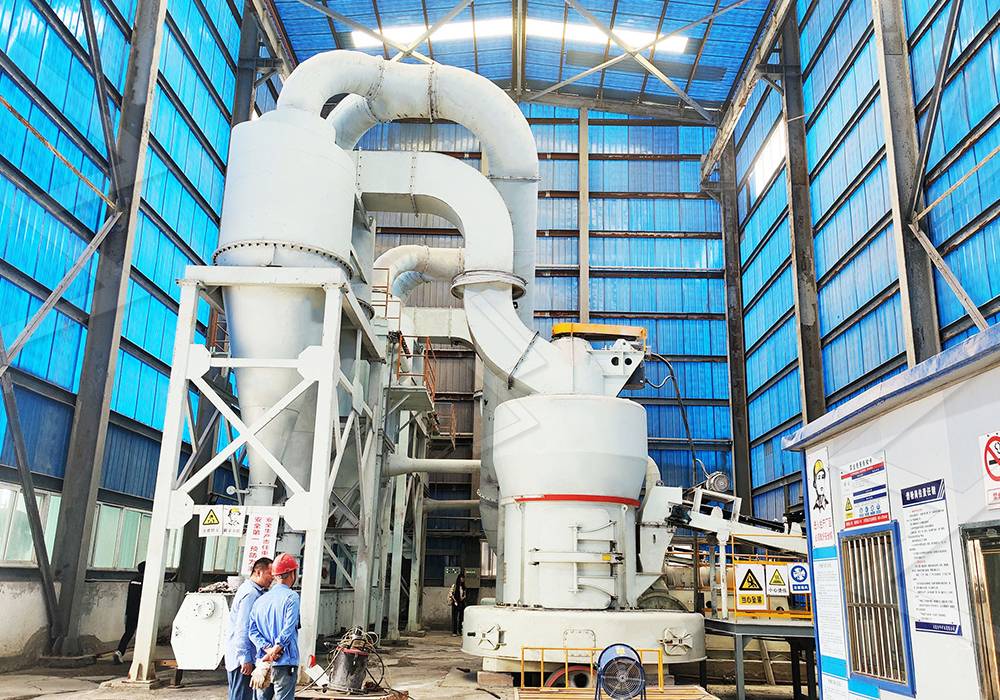
For high-volume SPL processing sites, a LM Vertical Slag Mill is another powerhouse worth considering. Specifically designed for industrial wastes, it integrates drying, grinding, and powder selection. Its vertical structure reduces footprint by ~50% and energy consumption by 30-40% compared to ball mill systems. The material’s short residence time minimizes over-grinding, and the grinding roller and table do not contact directly, resulting in very low iron contamination—a key quality parameter for many SPL reuse paths.
Conclusion: Investment in Efficiency
The cost per ton for fine grinding SPL is not a fixed commodity price but a reflection of technological efficiency and system design. Investing in advanced, energy-efficient grinding technology like the MW Ultrafine Grinding Mill or LM Vertical Slag Mill is an investment in lowering the dominant operational costs. By prioritizing high yield, low wear, and integrated environmental controls, you optimize the entire value chain, turning a costly waste liability into a predictable, profitable resource recovery operation. The true cost is not just in the grinding, but in the total value extracted per ton processed.
Frequently Asked Questions (FAQs)
1. What is the typical fineness range required for Spent Pot Lining reuse?
Most beneficial reuse applications, such as in cement or as a fuel source, require fine grinding to a particle size where d97 is less than 45 microns (325 mesh), with many advanced applications targeting d97 < 10 microns (1250 mesh or finer) to maximize chemical reactivity and liberation of components.
2. Why are vertical roller mills often recommended over ball mills for SPL?
Vertical roller mills like the LM series offer significantly higher energy efficiency (30-50% savings), integrated drying capability, lower wear rates due to different grinding principles, and a much smaller footprint. Their ability to handle abrasive materials with lower iron contamination makes them particularly suitable for SPL.
3. How does the abrasiveness of SPL affect operating costs?
High abrasiveness accelerates wear on grinding elements and classifier parts. This increases the frequency and cost of replacement parts and associated downtime. Selecting mills with wear-resistant alloys, optimized grinding curves, and designs that simplify maintenance (like external lubrication or reversible rollers) is critical to controlling this cost driver.
4. Is dust control a major cost factor in SPL grinding?
Absolutely. SPL dust contains hazardous compounds. Effective, high-efficiency dust collection (like pulse jet collectors) is a mandatory capital and operating cost. Modern mills are designed as negative-pressure, closed systems with integrated collectors, which, while an upfront cost, prevent environmental liabilities and ensure regulatory compliance.
5. Can one mill handle varying feed sizes and moisture content in SPL?
Robust mills are designed for some variance, but consistent pre-processing is key. A primary crusher should ensure a maximum feed size (e.g., 20mm). While some vertical mills can dry materials with low hot gas, very high moisture may require a separate pre-drying step for optimal grinding efficiency and cost control.
6. What are the key features to look for in a mill to minimize cost per ton?
Focus on: 1) Low Specific Energy Consumption (kWh/ton), 2) High Wear Resistance & Easy Maintenance for abrasive materials, 3) High Single-Pass Yield to target fineness, 4) Integrated, Efficient Dust Control, and 5) Advanced Digital Controls for consistent, automated operation.