
How to Weld Wear-Resistant Materials onto Rollers of Vertical Grinding Mills
We provide a wide range of mills — including Raymond mill, trapezoidal mill, vertical mill, ultrafine mill, and ball mill, obtained ISO9001 international quality certification, EU CE certification, and Customs Union CU-TR certification. Suitable for processing minerals such as limestone, phosphate, quicklime, kaolin, talc, barite, bentonite, calcium carbonate, dolomite, coal, gypsum, clay, carbon black, slag, cement raw materials, cement clinker, and more.
The discharge range of these mills can be adjusted to meet specific processing needs, typically from 80-400 mesh, 600-3250 mesh, and can achieve the finest particle size of up to 6000 mesh(D50).
If you are looking for a reliable grinding solution to turn stone or minerals into fine powder, please feel free to contact our online customer service.
How to Weld Wear-Resistant Materials onto Rollers of Vertical Grinding Mills
In the demanding world of industrial mineral processing, the rollers of vertical grinding mills are subjected to extreme abrasive wear. Properly welding wear-resistant materials onto these critical components is not just a maintenance task; it’s a strategic operation that directly impacts mill uptime, product quality, and operational costs. This guide outlines the professional methodology for executing this vital procedure, ensuring longevity and peak performance for your grinding equipment.
Understanding the Challenge: Abrasion in the Grinding Zone
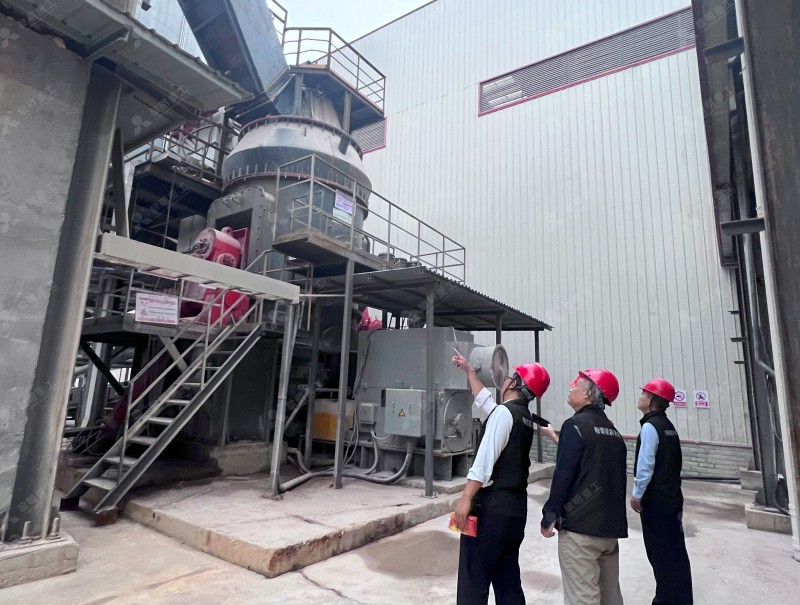
The core function of a vertical roller mill involves the compressive grinding of material between rotating rollers and a stationary grinding table or ring. This process generates tremendous friction and abrasion. Over time, the roller shells and table liners wear down, leading to decreased grinding efficiency, increased energy consumption, and compromised product fineness. Rebuilding these surfaces with specialized hardfacing alloys is essential to restore geometry and performance.
Step-by-Step Welding Procedure
A successful rebuild requires meticulous preparation, execution, and finishing.
1. Pre-Weld Preparation & Assessment
Thoroughly clean the roller or component, removing all dust, grease, and existing worn material. Use magnetic particle or dye penetrant testing to identify any subsurface cracks or defects. These must be ground out completely before proceeding. Pre-heating the base metal (typically to 250-350°C / 480-660°F) is crucial to prevent hydrogen-induced cracking and to ensure proper fusion, especially for high-carbon steel bases. The exact temperature depends on the base material and the welding alloy.
2. Selecting the Correct Welding Alloy
The choice of hardfacing electrode or wire is paramount. For the high-stress, high-impact, and abrasive conditions in mills like the LM Vertical Grinding Mill or LUM Ultrafine Vertical Grinding Mill, a multi-layer approach is often best:
- Buffer/Transition Layer: A tough, crack-resistant alloy (e.g., austenitic manganese steel electrode) is applied first to bond with the base metal and absorb stresses.
- Working Layer: A highly abrasion-resistant alloy with high carbide content (e.g., chromium carbide or complex carbide alloys) is deposited over the buffer layer. This layer directly resists the grinding wear.
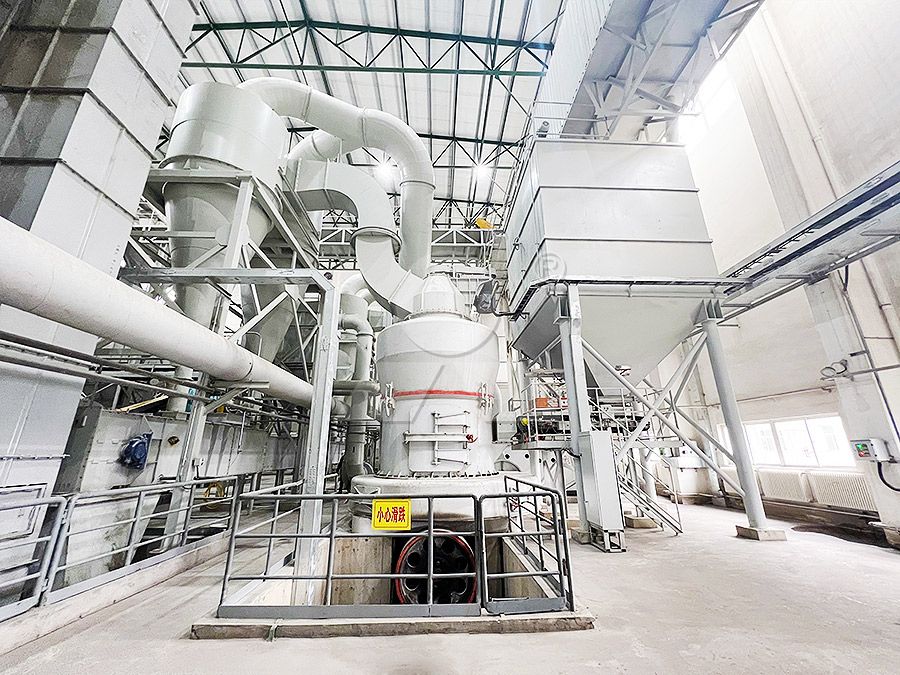
For mills processing ultra-fine materials, such as our MW Ultrafine Grinding Mill, where precision and minimal iron contamination are critical, selecting low-iron, high-hardness alloys for the working layer helps maintain product purity. The MW Mill’s design, which avoids rolling bearings and screws in the grinding chamber, simplifies maintenance access for such procedures.
3. The Welding Execution
Employ the Stick (SMAW) or Flux-Cored Arc Welding (FCAW) process for most field repairs due to their versatility. Maintain strict interpass temperature control as specified by the electrode manufacturer. Apply weld beads in a staggered, cross-hatch pattern to distribute heat evenly and minimize distortion. For rollers, weld circumferentially, rotating the roller slowly and consistently to ensure uniform deposition. It is vital to avoid overheating, which can anneal previously deposited hard metal, reducing its hardness.
4. Post-Weld Treatment & Finishing
After welding, the component must be cooled slowly, often in an insulating blanket or furnace, to prevent thermal shock and cracking. Once cooled to ambient temperature, the rebuilt surface must be machined or ground back to its original profile. This is a critical step to ensure balanced operation and optimal material bed formation. For mills featuring advanced designs like the LUM Ultrafine Vertical Grinding Mill with its unique roller shell curve, precision grinding to match the original blueprint is essential to preserve the high-yield, energy-efficient performance.
Best Practices and Safety Considerations
- Documentation: Keep a weld log detailing preheat temperatures, alloys used, welding parameters, and post-weld treatments for each roller.
- Quality Control: Perform hardness tests on the finished surface to verify the wear-resistant layer meets specifications.
- Safety First: Operate in a well-ventilated area. Use appropriate Personal Protective Equipment (PPE): welding helmet with correct shade, flame-resistant clothing, gloves, and respiratory protection against fumes.
- Alignment Check: After reinstalling rebuilt rollers, verify the mechanical setting and grinding gap according to the mill manufacturer’s specifications to prevent uneven wear or damage.
Conclusion
Mastering the art of welding wear-resistant materials onto grinding mill rollers is a cornerstone of effective plant maintenance. By following a disciplined procedure—from meticulous preparation and alloy selection to controlled welding and precise finishing—operators can significantly extend component life, maintain grinding efficiency, and protect their capital investment. This expertise ensures that high-performance mills, from the high-capacity LM Vertical Grinding Mill to the precision-focused MW Ultrafine Grinding Mill, continue to operate at their engineered potential, delivering reliable, cost-effective production.
Frequently Asked Questions (FAQs)
1. What is the most common mistake when hardfacing grinding rollers?
The most common and critical mistake is skipping or inadequately performing the pre-heat stage. Welding directly onto a cold, high-carbon steel base massively increases the risk of hydrogen cracking, which can lead to catastrophic failure under load.
2. Can I use the same hardfacing alloy for the entire rebuild?
While possible for some applications, it is not generally recommended for high-stress components. A two-layer system (a tough buffer layer and a hard working layer) provides a better balance of adhesion, impact resistance, and abrasion resistance, leading to a more durable and reliable rebuild.
3. How do I know when a roller needs rebuilding versus replacement?
Rebuilding is cost-effective when the core of the roller (the base metal) is structurally sound, with no major cracks or deformities, and the cost of weld material and labor is less than 50-60% of a new roller. If wear has progressed to the point where the base metal is severely compromised, replacement is the safer option.
4. How does hardfacing affect the balance of a grinding roller?
Uneven or asymmetric hardfacing deposition can significantly throw a roller off balance, causing vibration and premature bearing failure. This is why applying weld beads in a consistent, symmetrical pattern and finishing with precision machining to the correct profile is non-negotiable.
5. Are there operational changes after installing hardfaced rollers?
Initially, you may need a short run-in period. The freshly machined, very hard surface might behave slightly differently in forming the material bed. Monitor mill power draw and product fineness closely for the first 24-48 hours of operation to ensure optimal performance.