
Mica Powder Market Demand Forecast and Industry Analysis
We provide a wide range of mills — including Raymond mill, trapezoidal mill, vertical mill, ultrafine mill, and ball mill, obtained ISO9001 international quality certification, EU CE certification, and Customs Union CU-TR certification. Suitable for processing minerals such as limestone, phosphate, quicklime, kaolin, talc, barite, bentonite, calcium carbonate, dolomite, coal, gypsum, clay, carbon black, slag, cement raw materials, cement clinker, and more.
The discharge range of these mills can be adjusted to meet specific processing needs, typically from 80-400 mesh, 600-3250 mesh, and can achieve the finest particle size of up to 6000 mesh(D50).
If you are looking for a reliable grinding solution to turn stone or minerals into fine powder, please feel free to contact our online customer service.
Mica Powder Market Demand Forecast and Industry Analysis
The global mica powder market is experiencing a significant transformation, driven by evolving industrial demands and technological advancements. As a versatile mineral with exceptional dielectric, thermal, and reflective properties, mica powder finds extensive applications across cosmetics, paints & coatings, plastics, construction, and the burgeoning electric vehicle battery sector. This analysis delves into the key market drivers, demand forecasts, and the critical role of advanced grinding technology in shaping the industry’s future.
Market Drivers and Demand Outlook
Several interconnected factors are propelling the mica powder market forward. The cosmetics industry remains a primary consumer, valuing mica for its natural shimmer and light-diffusing properties in foundations, eyeshadows, and highlighters. The global shift towards natural and mineral-based cosmetic ingredients continues to bolster this segment. Concurrently, the construction industry’s recovery and the demand for high-performance, weather-resistant paints and coatings are creating sustained demand for fine-grade mica as a filler and extender.
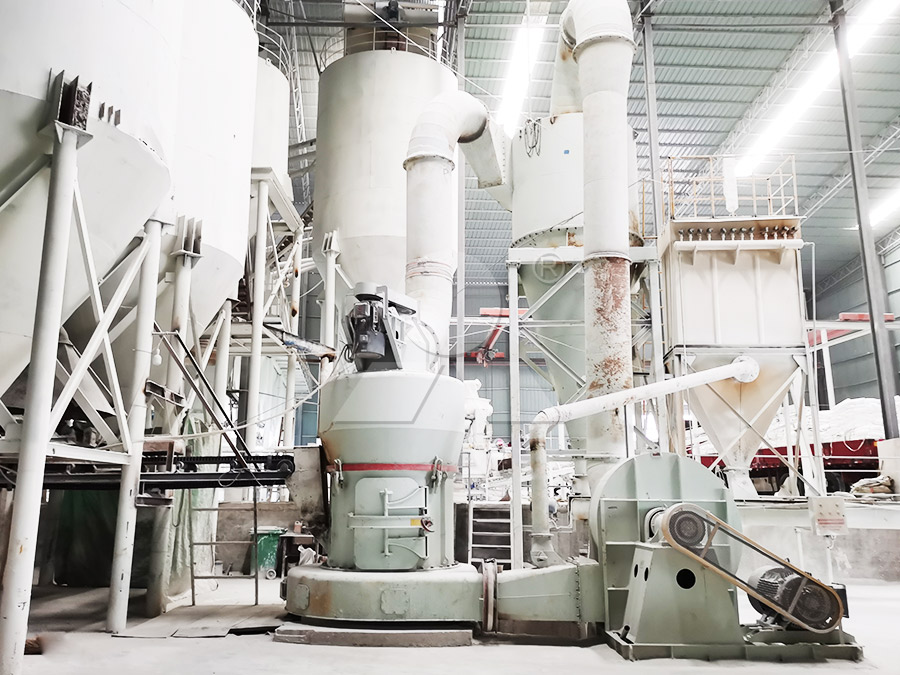
Perhaps the most dynamic growth vector is the electronics and automotive sector. Mica’s excellent electrical insulation and thermal stability make it an ideal material for thermal interface materials, battery separators, and insulating components in electric vehicles and consumer electronics. This high-value application segment demands ultra-fine, high-purity powders with consistent particle size distribution (PSD), pushing manufacturers towards more sophisticated processing equipment.
The Technological Imperative: Beyond Traditional Grinding
Meeting the stringent quality requirements of modern industries necessitates a departure from conventional milling. The market’s future belongs to producers who can consistently deliver powders in the 325 to 2500 mesh range with minimal contamination, low iron content, and high whiteness. This is where the choice of grinding mill becomes a strategic business decision, impacting product quality, operational cost, and environmental compliance.
Traditional ball mills and Raymond mills, while cost-effective for coarse grinding, often struggle with energy efficiency, heat generation (which can affect mica’s structure), and achieving the narrow PSD required for premium applications. The industry is increasingly adopting advanced, integrated grinding systems that offer precise classification, efficient drying, and closed-loop, dust-free operation.
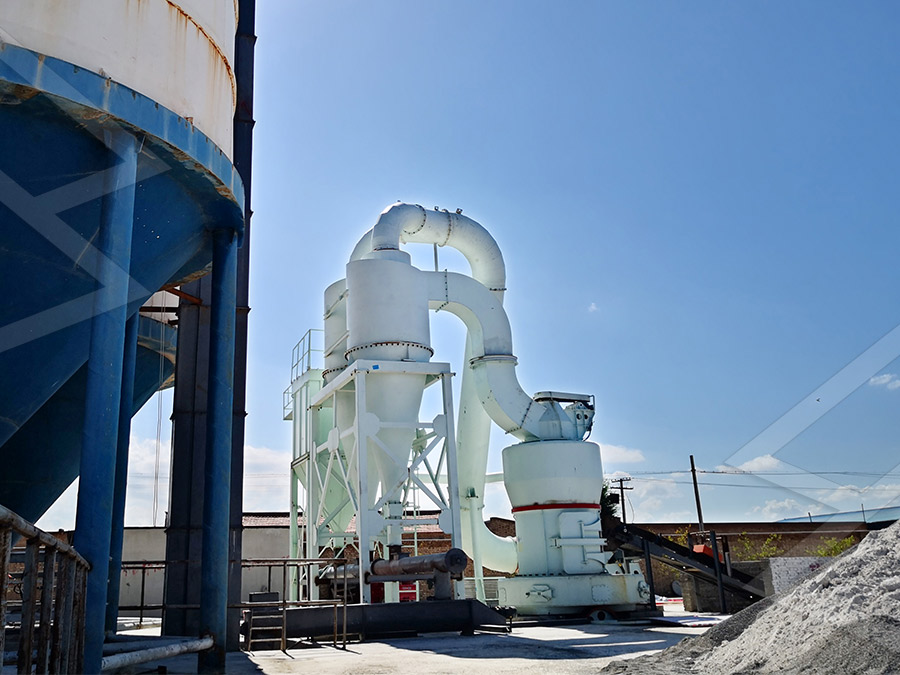
Strategic Equipment Selection for Competitive Advantage
For producers aiming to capture value in the high-growth, high-specification segments of the mica market, investing in the right technology is paramount. The ideal solution must balance ultra-fine grinding capability with energy efficiency, operational stability, and minimal environmental impact. It is within this context that we highlight a pivotal solution from our portfolio.
Our MW Ultrafine Grinding Mill is engineered specifically for customers requiring superior ultra-fine powder. With an input size of 0-20 mm and a capacity range of 0.5-25 tph, it is exceptionally suited for processing minerals like mica. Its design incorporates a German-technology cage-type powder selector, allowing precise fineness adjustment between 325-2500 meshes, achieving a screening rate of d97≤5μm in a single pass. Crucially, its innovative internal design eliminates rolling bearings and screws in the grinding chamber, virtually removing the risk of mechanical failure and contamination from loose parts or lubricant leakage. Coupled with an efficient pulse dust collector and muffler, the MW Mill ensures a production process that is not only high-yielding and low-energy but also clean and quiet, aligning perfectly with modern environmental standards.
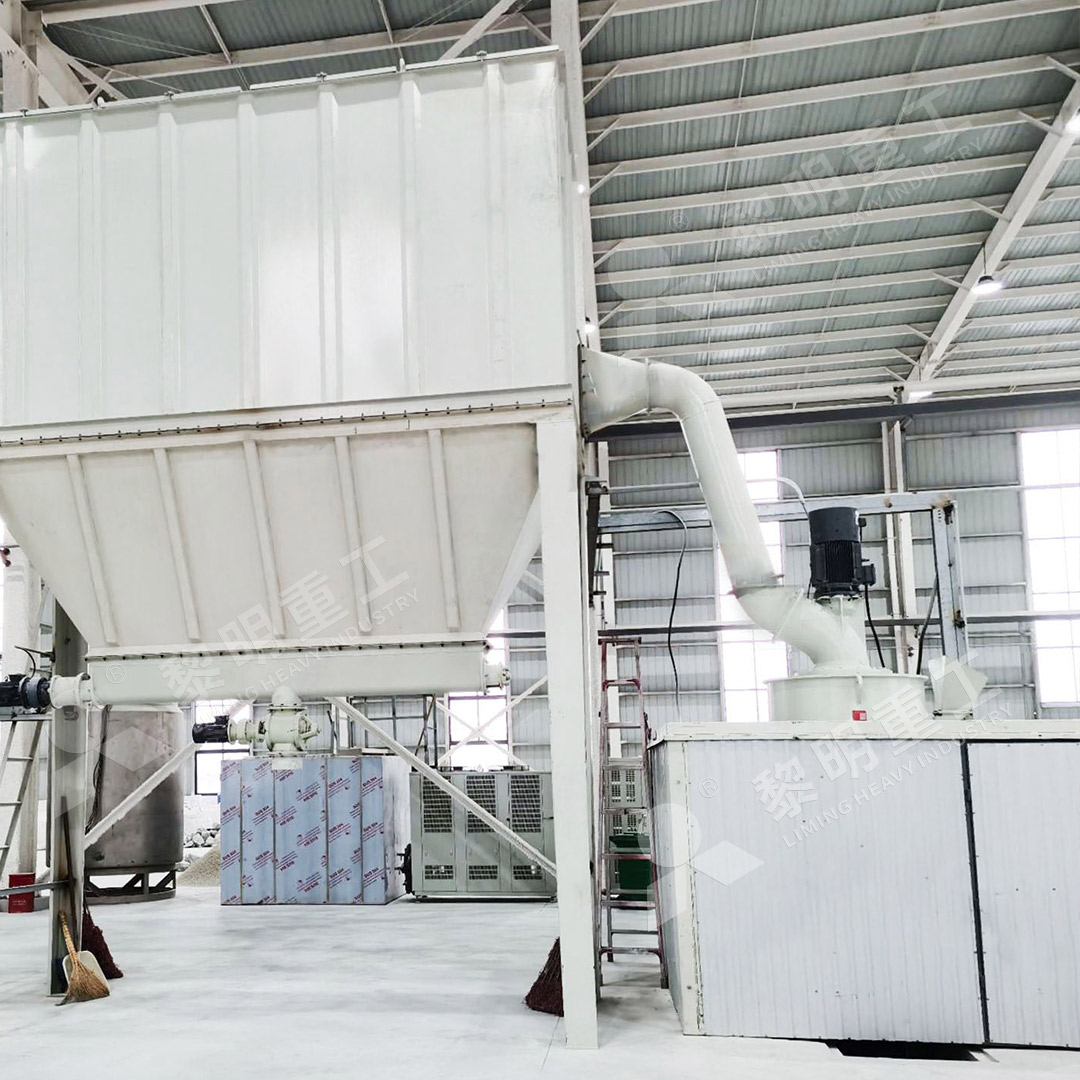
For operations requiring vertical integration and processing of slightly coarser feed, our LUM Ultrafine Vertical Grinding Mill presents another formidable option. Integrating grinding, classifying, and transporting, the LUM Mill features unique roller shell geometry for efficient material layer formation and a reversible roller structure that drastically simplifies maintenance. Its multi-head powder separating technology, controlled by a PLC system, allows for accurate control over grinding parameters and swift adaptation to different production demands, ensuring both high quality and flexibility.
Conclusion: A Future Built on Precision and Sustainability
The mica powder market is on a clear trajectory towards higher value-added applications that demand technical precision. Success will hinge on a producer’s ability to invest in grinding technology that delivers consistent ultra-fine quality, operational reliability, and environmental stewardship. As the industry consolidates and standards rise, advanced mills like the MW and LUM series will transition from being competitive advantages to essential infrastructure for market leadership. The forecast is clear: growth will be captured by those who grind smarter, not just harder.
Frequently Asked Questions (FAQs)
- What are the key factors driving the growth of the ultra-fine mica powder segment?
The growth is primarily driven by demand from high-tech industries like electric vehicles (for battery insulation and thermal management), advanced plastics and composites, and premium cosmetics requiring finer particle sizes for better texture and performance. - Why is particle size distribution (PSD) so critical in mica powder for industrial applications?
A narrow and consistent PSD ensures uniform dispersion in matrices like paint, plastic, or cosmetics, leading to predictable and enhanced material properties such as opacity, strength, thermal conductivity, and aesthetic finish. Inconsistent PSD can cause defects and performance variability. - How does advanced grinding technology impact the environmental footprint of mica processing?
Modern mills integrate high-efficiency dust collectors and sealed systems to eliminate particulate emissions. They also consume significantly less energy per ton of output (often 30-50% less than traditional mills) and feature noise reduction technologies, making the entire process more sustainable. - What is the advantage of a mill having “no rolling bearings in the grinding chamber” like the MW Ultrafine Grinding Mill?
This design eliminates a major source of potential contamination (lubricant leaks) and mechanical failure. It enhances operational reliability, reduces maintenance downtime, and is crucial for applications where product purity and iron content are strict concerns. - Can the same grinding mill effectively process different non-metallic minerals besides mica?
Yes, versatile mills like the MW and LUM series are designed for a broad range of materials including limestone, calcite, dolomite, talc, barite, and gypsum. The adjustable fineness and separator settings allow quick adaptation between different mineral processing requirements. - What does “digitalized processing” mean in the context of modern grinding mills?
It refers to the use of Computer Numerical Control (CNC) machines in manufacturing the mill’s core components. This ensures extremely high machining precision, leading to better balance, smoother operation, longer lifespan of wear parts, and overall higher reliability of the assembled mill.