
Raymond Mill vs Trapezium Mill: 7TPH Capacity for Agricultural Lime Soil Amendment
We provide a wide range of mills — including Raymond mill, trapezoidal mill, vertical mill, ultrafine mill, and ball mill, obtained ISO9001 international quality certification, EU CE certification, and Customs Union CU-TR certification. Suitable for processing minerals such as limestone, phosphate, quicklime, kaolin, talc, barite, bentonite, calcium carbonate, dolomite, coal, gypsum, clay, carbon black, slag, cement raw materials, cement clinker, and more.
The discharge range of these mills can be adjusted to meet specific processing needs, typically from 80-400 mesh, 600-3250 mesh, and can achieve the finest particle size of up to 6000 mesh(D50).
If you are looking for a reliable grinding solution to turn stone or minerals into fine powder, please feel free to contact our online customer service.
Raymond Mill vs Trapezium Mill: 7TPH Capacity for Agricultural Lime Soil Amendment
Selecting the optimal grinding equipment for producing agricultural lime soil amendments is a critical decision that directly impacts operational efficiency, product quality, and long-term profitability. For a target capacity of around 7 tons per hour (TPH), two traditional workhorses often come into consideration: the Raymond Mill and the Trapezium Mill. This analysis delves into their comparative strengths and limitations for this specific application, while also introducing a more advanced, high-efficiency alternative.
The Application: Grinding Limestone for Soil Health
Agricultural lime, primarily ground limestone (calcium carbonate), is essential for neutralizing soil acidity and improving crop nutrient availability. The effectiveness of the amendment depends heavily on its fineness. Finer particles react more quickly with the soil, offering faster correction of pH levels. Therefore, the grinding mill must not only deliver the required throughput but also produce a consistently fine powder, typically ranging from 80 to 325 mesh, with minimal oversize material.
Raymond Mill: The Established Contender
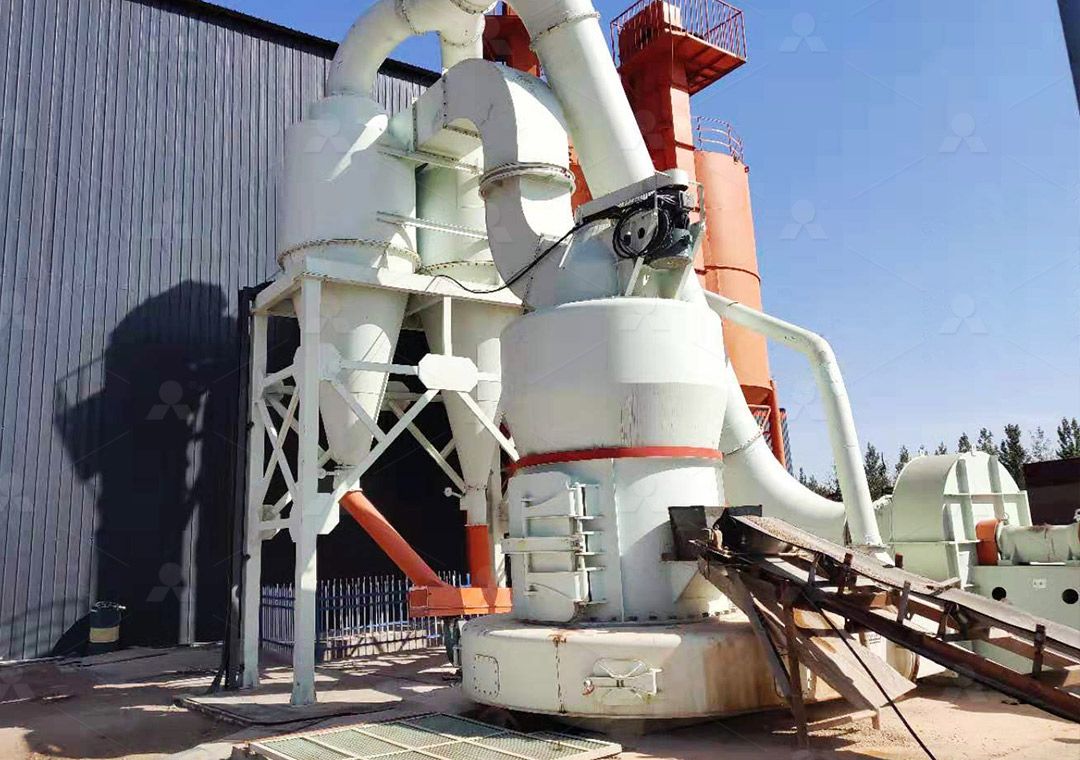
The Raymond Mill is a classic vertical structure grinding mill. For a 7TPH output of limestone powder, a mid-to-large sized R-series model would be required. Its operation involves rollers oscillating against a stationary ring to crush fed material, with a built-in classifier returning coarse particles for regrinding.
Advantages for Lime Milling:
- Proven Simplicity: Its straightforward design translates to easier initial operation and understanding.
- Compact Footprint: Generally occupies less floor space, beneficial for smaller plant layouts.
- Lower Initial Investment: Often has a lower purchase price compared to more complex mill designs.
Limitations at 7TPH:
- Efficiency Ceiling: Achieving a stable 7TPH output, especially at finer meshes (e.g., 200-325), can push a standard Raymond mill to its limits, potentially increasing energy consumption per ton.
- Wear and Maintenance: The grinding roller and ring assembly experiences direct friction, leading to wear that can affect fineness consistency over time, requiring periodic replacement.
- Noise and Dust: Older configurations may generate more operational noise and require robust external dust collection systems.
Trapezium Mill (MTW Series): The Enhanced Evolution
The MTW European Trapezium Mill represents a significant technological evolution from the basic Raymond mill design. It incorporates features specifically aimed at higher capacity, efficiency, and reliability—making it a strong candidate for a consistent 7TPH lime production line.
Advantages for Lime Milling:
- Higher Capacity & Efficiency: Designed with a larger diameter grinding roller and an optimized grinding curve, it can achieve the target 7TPH more comfortably and with better energy efficiency than a comparable Raymond mill.
- Advanced Classifier: The use of a cage-type or low-resistance powder separator allows for more precise particle size control and higher screening efficiency, ensuring a uniform final product.
- Improved Durability: Wear parts like rollers and rings are often made from more advanced materials, extending service life and reducing frequency of maintenance shutdowns.
- Better System Integration: Features like curved air ducts reduce airflow resistance, and integrated dilute oil lubrication systems enhance operational stability.
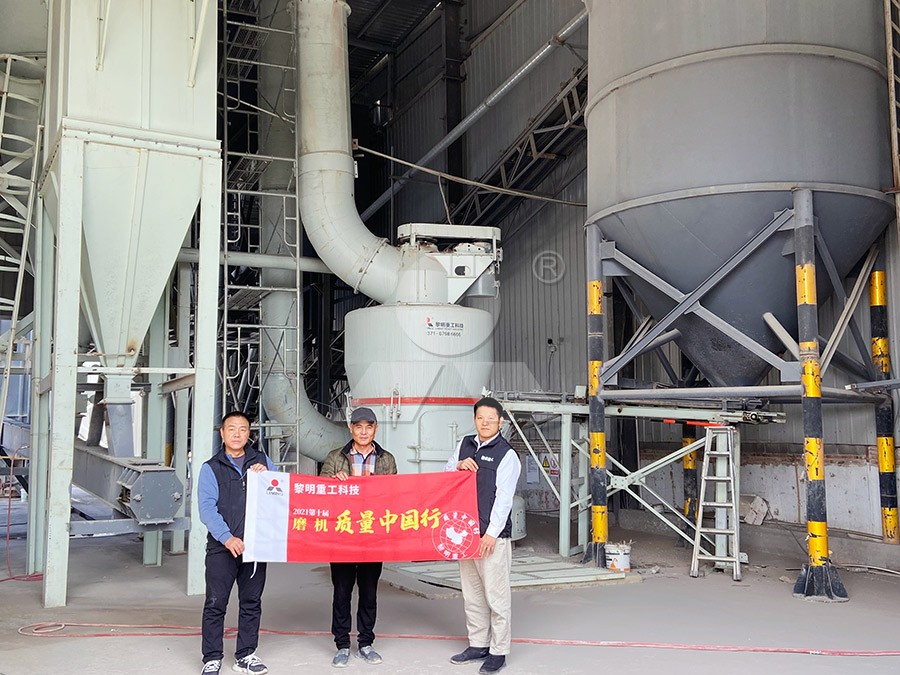
Consideration: The initial investment for an MTW Trapezium Mill is typically higher than for a Raymond mill, but this is often offset by lower operating costs and higher productivity over the equipment’s lifespan.
Beyond the Traditional: The High-Efficiency Alternative for Superior Fineness
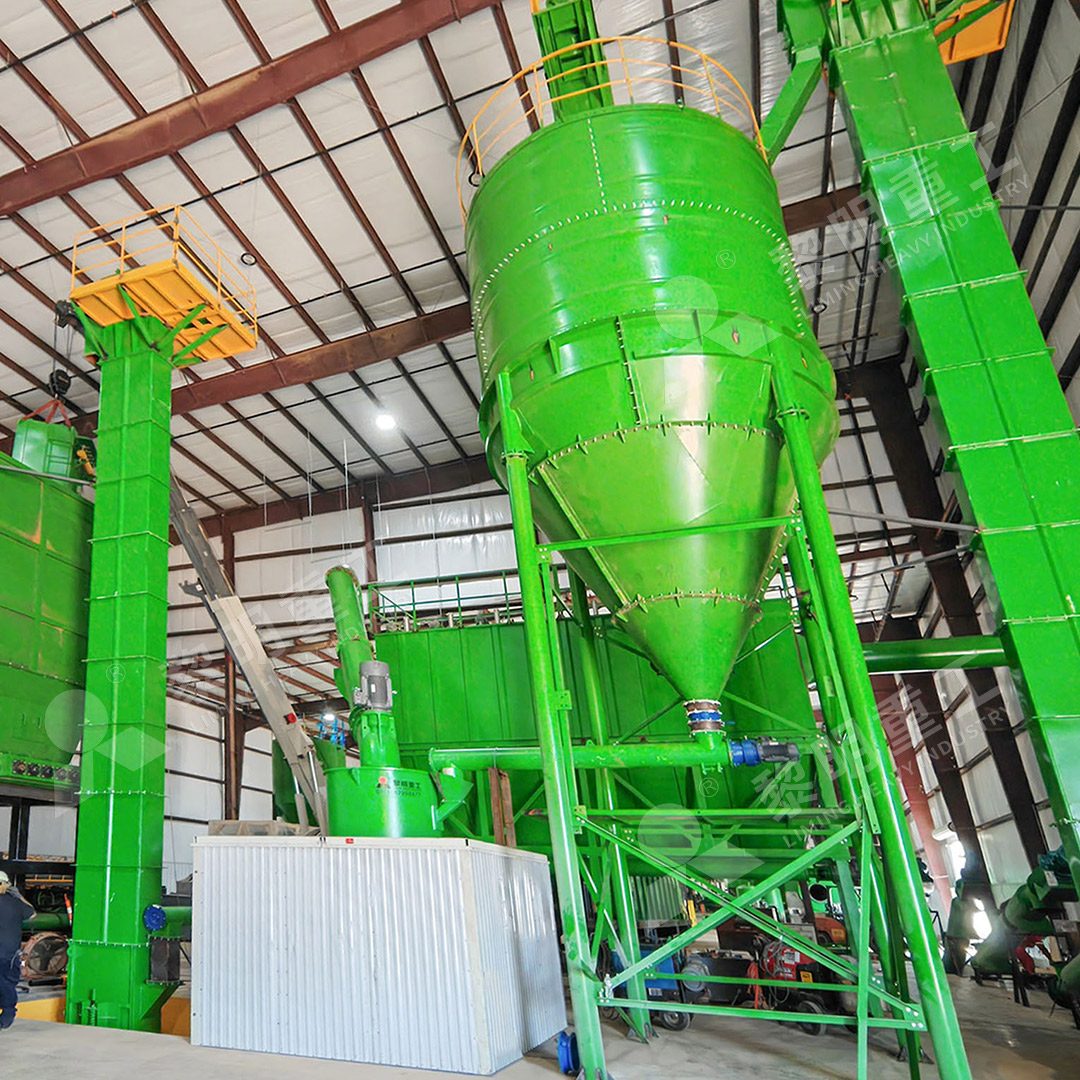
While both Raymond and MTW mills are capable, operations focusing on premium, ultra-fine soil amendments or seeking maximum energy savings should consider a more specialized solution. For producing high-quality agricultural lime with exceptional fineness control and lower operational costs, our MW Ultrafine Grinding Mill presents a compelling advanced option.
Engineered for customers requiring ultra-fine powder, the MW Series is particularly effective for materials like limestone, calcite, and dolomite. Its innovative design features a higher yield and lower energy consumption—achieving a production capacity up to 40% higher than jet mills for the same power input. For soil amendment production, its ability to provide adjustable fineness between 325-2500 meshes with high precision (d97≤5μm) offers unparalleled flexibility to meet various agricultural specifications. Furthermore, its eco-friendly operation with an efficient pulse dust collector and muffler ensures a clean, low-noise production environment, aligning with modern, sustainable farming practices.
Conclusion and Recommendation
For a dedicated 7TPH agricultural lime production line:
- Raymond Mill may suffice for basic requirements with budget constraints, but it may struggle with efficiency and consistency at the higher end of this capacity range.
- MTW European Trapezium Mill is the more robust and efficient traditional choice, reliably delivering 7TPH with better fineness control and lower long-term operating costs.
- For Future-Proof Performance: If your operation values superior product quality, exceptional energy savings, and the ability to produce ultra-fine amendments, investing in our MW Ultrafine Grinding Mill is the strategic choice. Its advanced technology ensures higher productivity, remarkable fineness adjustment, and worry-free, environmentally compliant operation, providing a superior return on investment over time.
Ultimately, the best choice depends on your specific fineness requirements, budget, and long-term production goals. We recommend a detailed consultation with our technical team to analyze your raw material and select the perfect mill for your soil amendment success.
Frequently Asked Questions (FAQ)
1. What is the primary difference between a Raymond Mill and a Trapezium Mill for lime grinding?
The Trapezium Mill (like the MTW series) is an evolved design featuring larger grinding rollers, more efficient classifiers, and optimized airflow systems. This generally translates to higher capacity, better energy efficiency, and more precise fineness control compared to a traditional Raymond Mill when operating at a target like 7TPH.
2. Can these mills handle moist limestone?
Standard Raymond and MTW mills are primarily designed for grinding dry materials. If your limestone feedstock has significant moisture, a system with integrated drying capabilities is necessary. In such cases, you might consider our LM Vertical Grinding Mill, which integrates drying and grinding, making it suitable for materials with higher moisture content.
3. How fine can agricultural lime be ground with an MTW or MW mill?
An MTW European Trapezium Mill can reliably produce powder in the range of 80-325 mesh (180-45 microns), which is standard for agricultural lime. For ultra-fine amendments requiring 325-2500 mesh (45-5 microns), our MW Ultrafine Grinding Mill is specifically engineered to achieve this with high efficiency and consistency.
4. What are the main maintenance concerns?
For Raymond and Trapezium mills, the primary wear parts are the grinding rollers and rings. The MTW series often features more durable materials and accessible designs to ease maintenance. The MW Ultrafine Grinding Mill offers a significant advantage here with its “No Rolling Bearing & Screw in Grinding Chamber” design, eliminating common failure points and allowing external lubrication, enabling 24/7 operation with minimal downtime.
5. Which mill is more energy-efficient for a 7TPH operation?
At the 7TPH capacity point, an MTW Trapezium Mill will typically be more energy-efficient than a comparable Raymond Mill due to its advanced grinding geometry and low-resistance systems. For the highest efficiency, especially at ultra-fine sizes, the MW Ultrafine Grinding Mill is designed to consume significantly less energy per ton of product compared to traditional grinding systems.
6. Is dust control a major issue with these mills?
Modern mills are designed with environmental controls in mind. Both our MTW and MW series come equipped with or are compatible with efficient pulse-jet dust collection systems (like the one standard on the MW Mill) that effectively capture dust, ensuring clean operation and compliance with environmental standards.