
Top 10 Stone Grinding Mill Machines & Crushers for Material Processing
We provide a wide range of mills — including Raymond mill, trapezoidal mill, vertical mill, ultrafine mill, and ball mill, obtained ISO9001 international quality certification, EU CE certification, and Customs Union CU-TR certification. Suitable for processing minerals such as limestone, phosphate, quicklime, kaolin, talc, barite, bentonite, calcium carbonate, dolomite, coal, gypsum, clay, carbon black, slag, cement raw materials, cement clinker, and more.
The discharge range of these mills can be adjusted to meet specific processing needs, typically from 80-400 mesh, 600-3250 mesh, and can achieve the finest particle size of up to 6000 mesh(D50).
If you are looking for a reliable grinding solution to turn stone or minerals into fine powder, please feel free to contact our online customer service.
Navigating the World of Material Processing: A Guide to Essential Equipment
The journey from raw mineral to fine powder is a critical one across countless industries, from construction and mining to chemicals and advanced manufacturing. Selecting the right grinding and crushing equipment is paramount to achieving desired particle sizes, maximizing throughput, and controlling operational costs. This guide explores ten fundamental types of stone grinding mills and crushers, highlighting their principles, applications, and key considerations for modern processing plants.
1. Jaw Crusher: The Primary Workhorse
No processing line is complete without robust primary crushing. Jaw crushers utilize a fixed and a movable jaw plate to create a powerful compressive force, breaking down large rocks and ores into manageable sizes (typically down to 10-20 mm). Their simple, rugged design makes them ideal for the toughest initial reduction tasks before finer grinding.
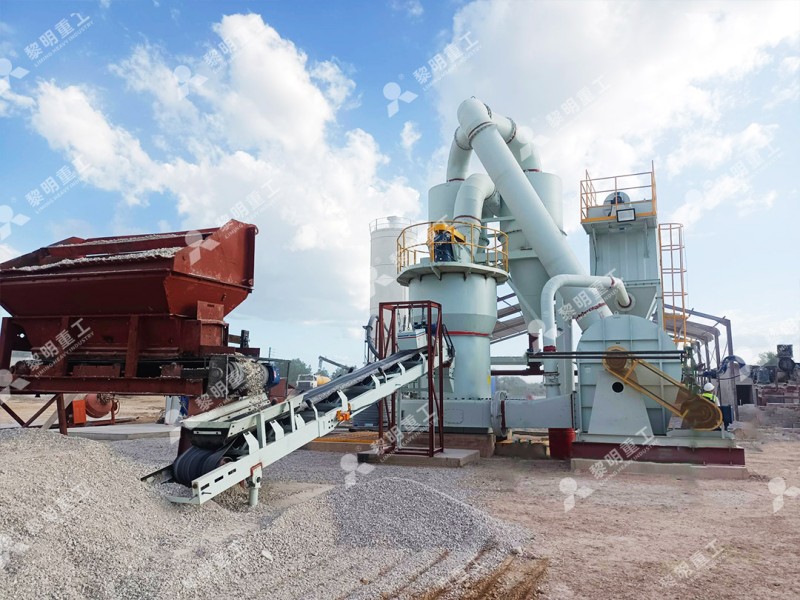
2. Raymond Mill (R Series)
A classic in the grinding industry, the Raymond mill is a vertical structure roller mill known for its reliability and relatively small footprint. It’s excellent for grinding non-flammable materials with Mohs hardness below 7 and humidity under 6%, producing powders in the 80-325 mesh range. Its widespread use in mining and building materials is a testament to its enduring, efficient design for medium-fine grinding.
3. Ball Mill
The quintessential grinding machine, a ball mill operates on a simple principle: a rotating cylinder filled with grinding media (steel balls) cascades and impacts the material, resulting in fine grinding. It’s incredibly versatile, capable of wet or dry grinding, and is a staple in mineral processing, cement production, and the ceramics industry for achieving consistent, fine powders.
4. LM Vertical Grinding Mill
Representing a leap in efficiency, the LM Vertical Grinding Mill integrates drying, grinding, classification, and conveying. Its vertical structure saves up to 50% floor space compared to ball mills and reduces energy consumption by 30-40%. It excels in processing non-metallic minerals, coal, and slag, offering superior drying capacity and lower wear rates on critical components.
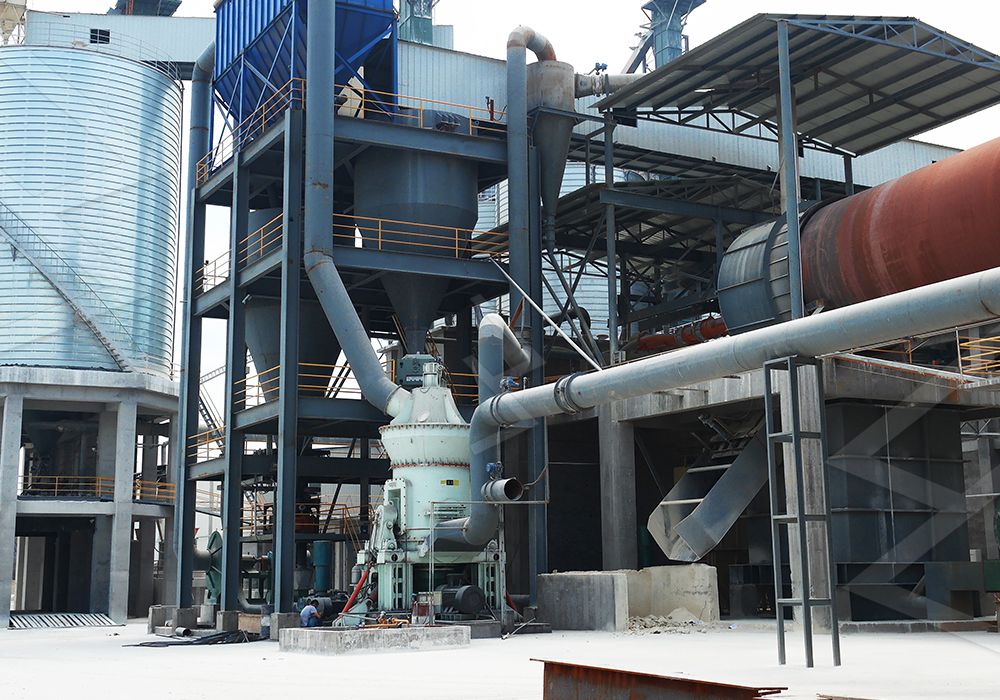
5. MTW European Trapezium Grinding Mill
This advanced iteration of the trapezium mill incorporates human-centric and eco-friendly technologies. Features like inner automatic thin-oil lubrication and a cambered air duct reduce maintenance frequency and lower system resistance. Its bevel gear overall drive ensures stable, quiet operation, making it a top choice for producing high-quality powders from materials like limestone, calcite, and barite.
6. TGM Super Pressure Trapezium Mill
Engineered for higher efficiency, the TGM mill employs innovative grinding roller and ring designs that extend material rolling time. This results in increased capacity and finer product output. Its flexible connection design dampens vibration and noise, contributing to a longer equipment lifespan and a better working environment.
7. LM Vertical Coal Mill
Specialized for fuel preparation, this medium-speed coal mill integrates grinding and drying seamlessly. It is the go-to equipment in power plants and cement plants for producing pulverized coal. Its design prevents direct contact between the grinding roller and table, ensuring remarkable stability and easy maintenance, all while consuming significantly less power than traditional ball mills.
8. LM Vertical Slag Mill
Focused on industrial waste valorization, this mill turns slag into a valuable resource. It efficiently grinds granulated blast furnace slag or steel slag into fine powder for use in cement and concrete. The vertical integration of processes slashes investment costs and energy use, making slag recycling both economically and environmentally sustainable.
9. MW Ultrafine Grinding Mill: For Precision at the Finest Scale
When the application demands ultra-fine powders, specialized equipment is required. The MW Ultrafine Grinding Mill is engineered precisely for this purpose, capable of producing powders adjustable between 325 and 2500 meshes. A standout feature is its cage-type powder selector, which employs advanced technology for high-precision separation, achieving a screening rate of d97≤5μm in a single pass.
Beyond fineness, it is built for robust, eco-friendly operation. The grinding chamber contains no rolling bearings or screws, eliminating common failure points and allowing for external lubrication without shutdown. Coupled with an efficient pulse dust collector and silencer, it operates cleanly and quietly, meeting stringent environmental standards. For industries like cosmetics, pharmaceuticals, and high-end chemicals where ultra-fine, contaminant-free powder is critical, the MW Series represents a reliable and efficient solution.
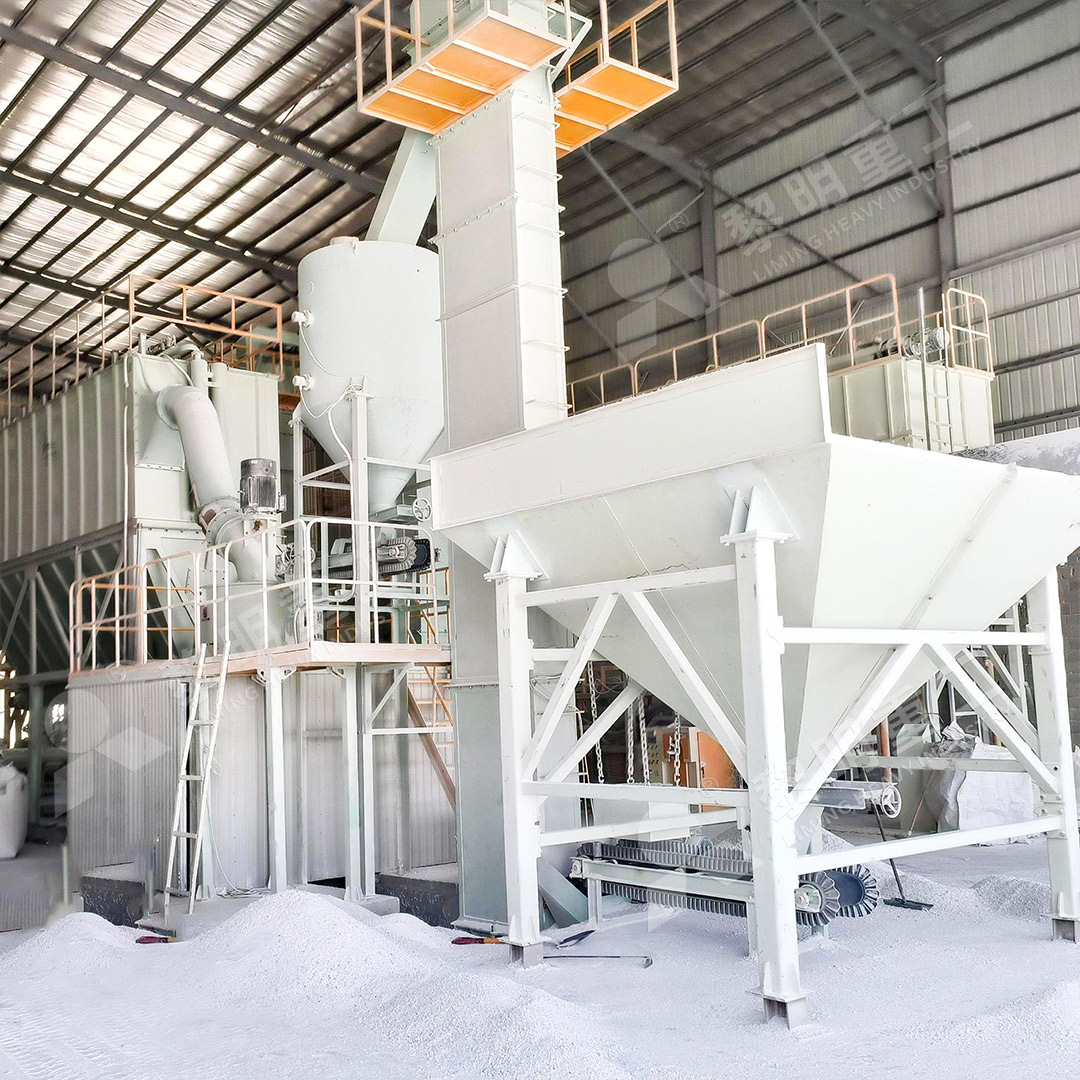
10. LUM Ultrafine Vertical Grinding Mill
Pushing the boundaries of ultrafine processing, the LUM Ultrafine Vertical Grinding Mill combines the latest in grinding roller and powder separating technology. Its unique roller shell and lining plate curve promote efficient material layer formation, enabling high-yield, single-pass milling that enhances product whiteness and purity. The mill incorporates double position-limiting technology, which acts as a safeguard against destructive vibration, ensuring exceptional operational stability.
Maintenance is simplified through a reversible structure, allowing grinding rollers to be easily moved out of the mill body for inspection or part replacement, minimizing downtime. With energy consumption 30%-50% lower than common grinding mills and precise PLC control over all parameters, the LUM series is an intelligent choice for producing superfine dry powders from non-metal ores, setting a new benchmark in the ultrafine grinding industry.
Frequently Asked Questions (FAQ)
1. What is the main difference between a grinding mill and a crusher?
Crushers are designed for primary and secondary size reduction, breaking large rocks down to smaller, gravel-sized pieces (typically >10mm). Grinding mills are used for tertiary or fine grinding, processing crushed material into very fine powders or slurries (often <100 mesh or 0.15mm).
2. How do I choose between a vertical mill (like LM or LUM) and a traditional ball mill?
The choice depends on your priorities. Vertical mills generally offer higher energy efficiency (30-50% savings), integrated drying, a smaller footprint, and lower wear. Ball mills are highly versatile, excellent for very fine or wet grinding, and often have a lower initial cost. For large-scale, dry processing of non-metallic minerals, vertical mills are typically more economical.
3. What does “ultrafine” grinding mean, and what equipment is needed?
Ultrafine grinding typically refers to producing powders with a particle size below 10 microns (d97 < 10μm). This requires specialized mills like our MW Ultrafine Grinding Mill or LUM Ultrafine Vertical Mill, which feature high-precision classifiers, optimized grinding mechanics, and systems to prevent contamination and overheating.
4. Why is environmental protection a key feature in modern mills?
Modern processing must comply with strict environmental regulations. Features like pulse jet dust collectors ensure nearly 100% dust capture, keeping the workplace and environment clean. Silencers and vibration-damping structures control noise pollution. Efficient designs also directly reduce energy consumption, lowering the plant’s overall carbon footprint.
5. How important is after-sales service and spare parts supply for grinding equipment?
It is critical. Grinding mills are long-term investments with continuous operation. A reliable supplier who provides original spare parts, technical support, and maintenance services ensures maximum uptime, consistent product quality, and protects your investment over the machine’s entire lifespan, which can be decades.