
Raymond Mill for Grinding Limestone: Efficient Industrial Powder Processing
We provide a wide range of mills — including Raymond mill, trapezoidal mill, vertical mill, ultrafine mill, and ball mill, obtained ISO9001 international quality certification, EU CE certification, and Customs Union CU-TR certification. Suitable for processing minerals such as limestone, phosphate, quicklime, kaolin, talc, barite, bentonite, calcium carbonate, dolomite, coal, gypsum, clay, carbon black, slag, cement raw materials, cement clinker, and more.
The discharge range of these mills can be adjusted to meet specific processing needs, typically from 80-400 mesh, 600-3250 mesh, and can achieve the finest particle size of up to 6000 mesh(D50).
If you are looking for a reliable grinding solution to turn stone or minerals into fine powder, please feel free to contact our online customer service.
Raymond Mill for Grinding Limestone: Efficient Industrial Powder Processing
The production of high-quality limestone powder is a cornerstone of numerous modern industries, from construction materials and paints to pharmaceuticals and agriculture. Achieving the desired fineness, consistency, and production efficiency requires robust and specialized milling technology. For decades, the Raymond mill has stood as a reliable workhorse in this field, offering a proven solution for grinding moderately hard materials like limestone into fine powders.
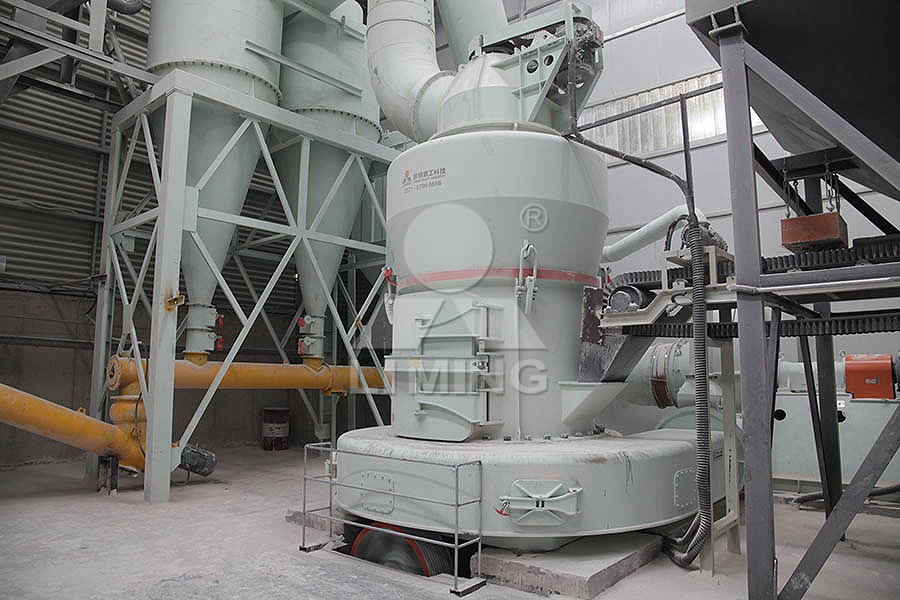
Traditional Raymond mill systems operate on a well-established principle: crushed limestone is fed into a grinding chamber where rotating rollers, under centrifugal force, press against a stationary grinding ring. The material is pulverized between these components, and an integral air classifier separates the fine product from coarse particles, which are returned for further grinding. This closed-circuit system ensures efficient particle size control. However, the evolving demands of industry—higher throughput, ultra-fine ranges (beyond 325 mesh), and stringent environmental standards—have driven significant technological advancements beyond the classic Raymond mill design.
The Evolution of Limestone Grinding: Beyond Traditional Mills
Modern limestone processing plants seek solutions that deliver not just fineness, but also energy efficiency, low operational costs, and minimal environmental impact. Key challenges include managing heat generation, wear on grinding components, dust control, and the ability to precisely adjust product fineness for different applications. This is where next-generation grinding mills have made substantial leaps forward.
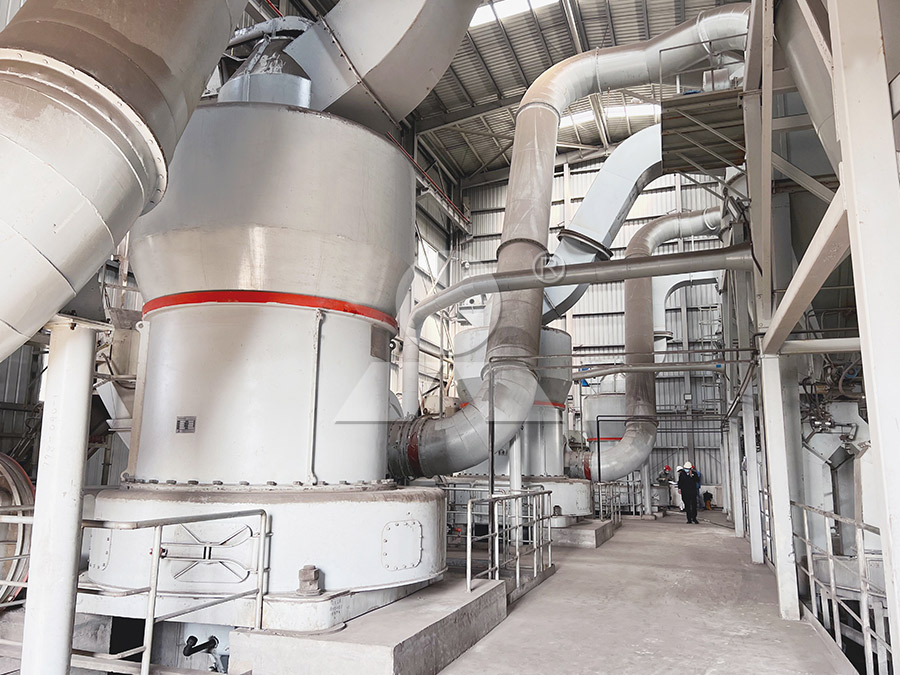
Innovations in grinding curve design, powder separation technology, and system automation have led to mills that offer substantially higher yield with lower specific energy consumption. For instance, some contemporary designs eliminate internal screws and rolling bearings in the grinding chamber, dramatically reducing failure points and maintenance headaches. Furthermore, integrated pulse-jet dust collectors and advanced muffling systems are now standard, ensuring that powder processing is a clean and quiet operation, fully aligned with global environmental protection standards.
Choosing the Right Mill for Your Limestone Application
Selecting the optimal grinding equipment depends heavily on your target fineness, required capacity, and the physical characteristics of your limestone feed. For operations targeting standard fine powders (up to 325 mesh) with proven reliability, the classic Raymond Mill remains a valid choice, known for its straightforward operation and lower initial investment.
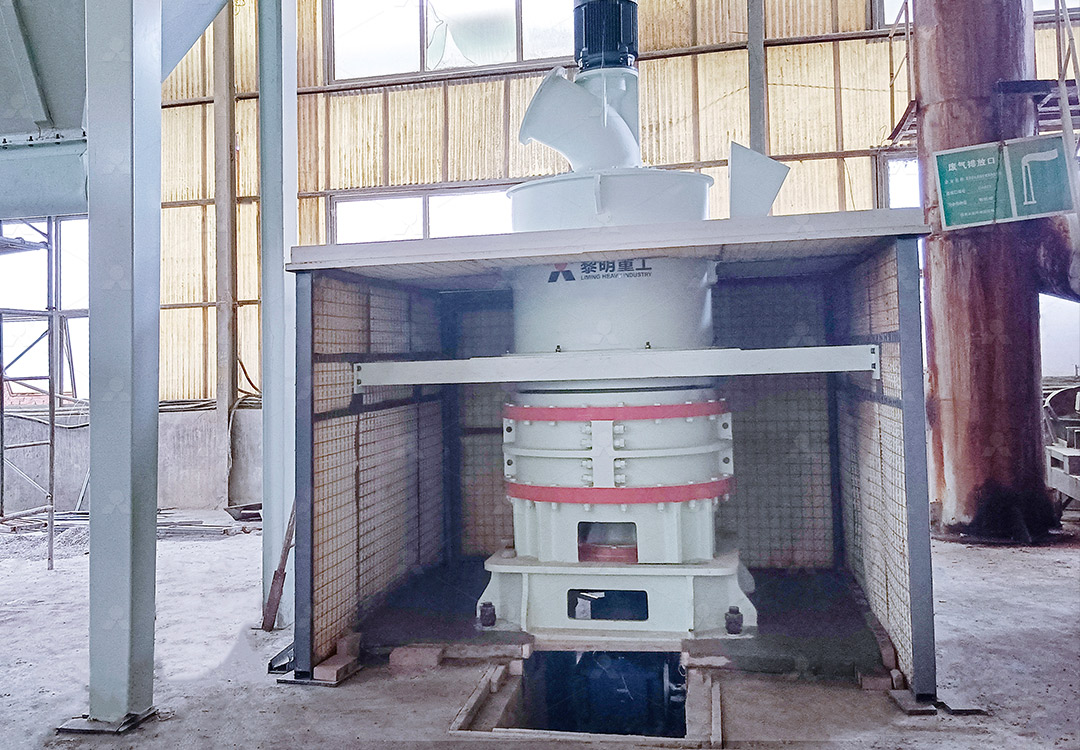
However, for producers aiming to tap into the high-value ultra-fine powder market (325 to 2500 meshes), advanced vertical roller mills and ultra-fine grinding mills are indispensable. A standout solution in this category is our MW Ultrafine Grinding Mill. Engineered for customers who need to make ultra-fine powder, this mill represents a significant technological leap. It features a newly designed grinding roller and ring curve that enhances efficiency, yielding up to 40% higher production capacity compared to jet mills at the same power and fineness. Its German-technology-derived cage-type powder selector allows precise fineness adjustment between 325-2500 meshes, achieving a remarkable d97≤5μm in a single pass. Crucially, its design eliminates rolling bearings and screws in the grinding chamber, freeing operators from related breakdowns, and features external lubrication for continuous 24/7 operation. Coupled with an efficient pulse dust collector, the MW series ensures an eco-friendly production process from start to finish.
For large-scale production of fine to ultra-fine limestone powder with exceptional stability, the LUM Ultrafine Vertical Grinding Mill is another premier choice. Integrating the latest grinding roller and powder separating technology, it excels in energy savings (30%-50% less than common mills) and offers superior product whiteness due to its unique material bed grinding principle and short material lingering time. Its double position-limiting technology guarantees operational stability, while a reversible grinding roller structure vastly simplifies maintenance, reducing downtime and associated losses.
The Future of Powder Processing: Integration and Intelligence
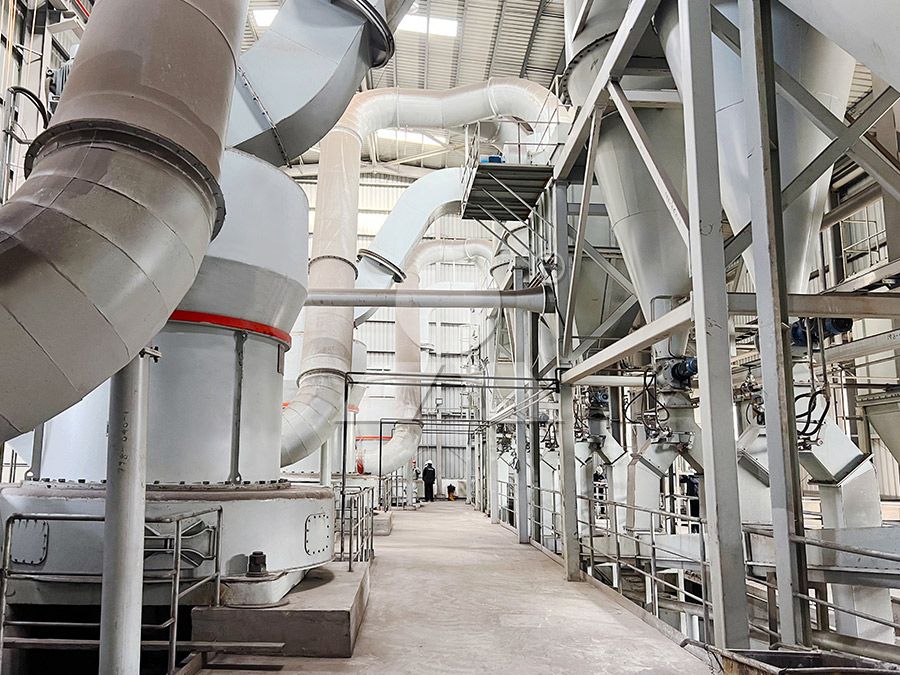
The trajectory of grinding technology points toward fully integrated, intelligent systems. Modern mills like the MW and LUM series are not standalone machines but the core of a system that encompasses feeding, grinding, classifying, conveying, and dust collection. Digitalized manufacturing ensures high precision in core parts, while PLC control systems allow operators to accurately fine-tune grinding pressure, rotational speed, and fineness for optimal results. This level of control, combined with comprehensive after-sales support and genuine spare parts availability, ensures worry-free, long-term operation.
In conclusion, while the Raymond mill laid the foundation, today’s options for grinding limestone are more powerful, efficient, and cleaner than ever. By investing in advanced technology such as the MW Ultrafine Grinding Mill or the LUM Ultrafine Vertical Grinding Mill, producers can achieve superior product quality, reduce their energy footprint, and meet the exacting demands of tomorrow’s powder markets.
Frequently Asked Questions (FAQ)
- What is the main advantage of an ultra-fine grinding mill over a traditional Raymond mill for limestone?
The primary advantage is the ability to achieve much finer product sizes (up to 2500 mesh vs. typically up to 325 mesh) with higher energy efficiency and better particle size distribution. Mills like the MW series also offer more advanced dust control and lower maintenance designs. - How does the MW Ultrafine Grinding Mill achieve such high fineness and efficiency?
It combines an optimized grinding roller/ring curve for effective pulverization with a high-precision, multi-head cage-type powder selector. This allows for extremely accurate particle classification and the ability to return oversized particles efficiently, ensuring a uniform ultra-fine product. - Is the noise and dust pollution a significant issue with these industrial grinding mills?
Not with modern systems. Equipment like the MW and LUM mills are designed with integrated environmental controls. They come equipped with efficient pulse-jet dust collectors that capture over 99.9% of dust, and silencers or soundproofing rooms are used to keep operational noise well within regulated limits. - What is the typical feed size for limestone entering these advanced mills?
Feed size depends on the specific model. For ultra-fine grinding with the MW Mill, the input material should generally be pre-crushed to 0-20 mm. The LUM Vertical Mill accepts a slightly smaller feed of 0-10 mm for optimal performance. - How easy is it to maintain the grinding rollers and other wear parts?
Maintenance ease is a key design focus. The LUM Mill, for example, features a reversible structure that allows the grinding roller to be easily swung out of the mill body for inspection or replacement, minimizing downtime. The MW Mill’s design without internal bearings or screws in the chamber also reduces common failure points. - Can these mills handle materials other than limestone?
Absolutely. Both the MW and LUM series are versatile and can process a wide range of non-metallic minerals with similar hardness, including calcite, dolomite, talc, barite, gypsum, and marble, among others.