
High Capacity 1600 Mesh Vertical Roller Mill for Fine Powder Grinding
We provide a wide range of mills — including Raymond mill, trapezoidal mill, vertical mill, ultrafine mill, and ball mill, obtained ISO9001 international quality certification, EU CE certification, and Customs Union CU-TR certification. Suitable for processing minerals such as limestone, phosphate, quicklime, kaolin, talc, barite, bentonite, calcium carbonate, dolomite, coal, gypsum, clay, carbon black, slag, cement raw materials, cement clinker, and more.
The discharge range of these mills can be adjusted to meet specific processing needs, typically from 80-400 mesh, 600-3250 mesh, and can achieve the finest particle size of up to 6000 mesh(D50).
If you are looking for a reliable grinding solution to turn stone or minerals into fine powder, please feel free to contact our online customer service.
Pushing the Boundaries of Ultrafine Powder Production
The demand for high-quality fine powders with precise particle size distribution is surging across industries from advanced materials and coatings to pharmaceuticals and food additives. Achieving consistent, high-volume production at fineness levels of 1600 mesh and beyond presents significant technical challenges. Traditional grinding methods often struggle with efficiency, energy consumption, and product contamination at these extreme fineness levels. This is where advanced vertical roller mill technology makes a decisive difference, offering a robust, efficient, and environmentally sound solution for modern fine powder processing.
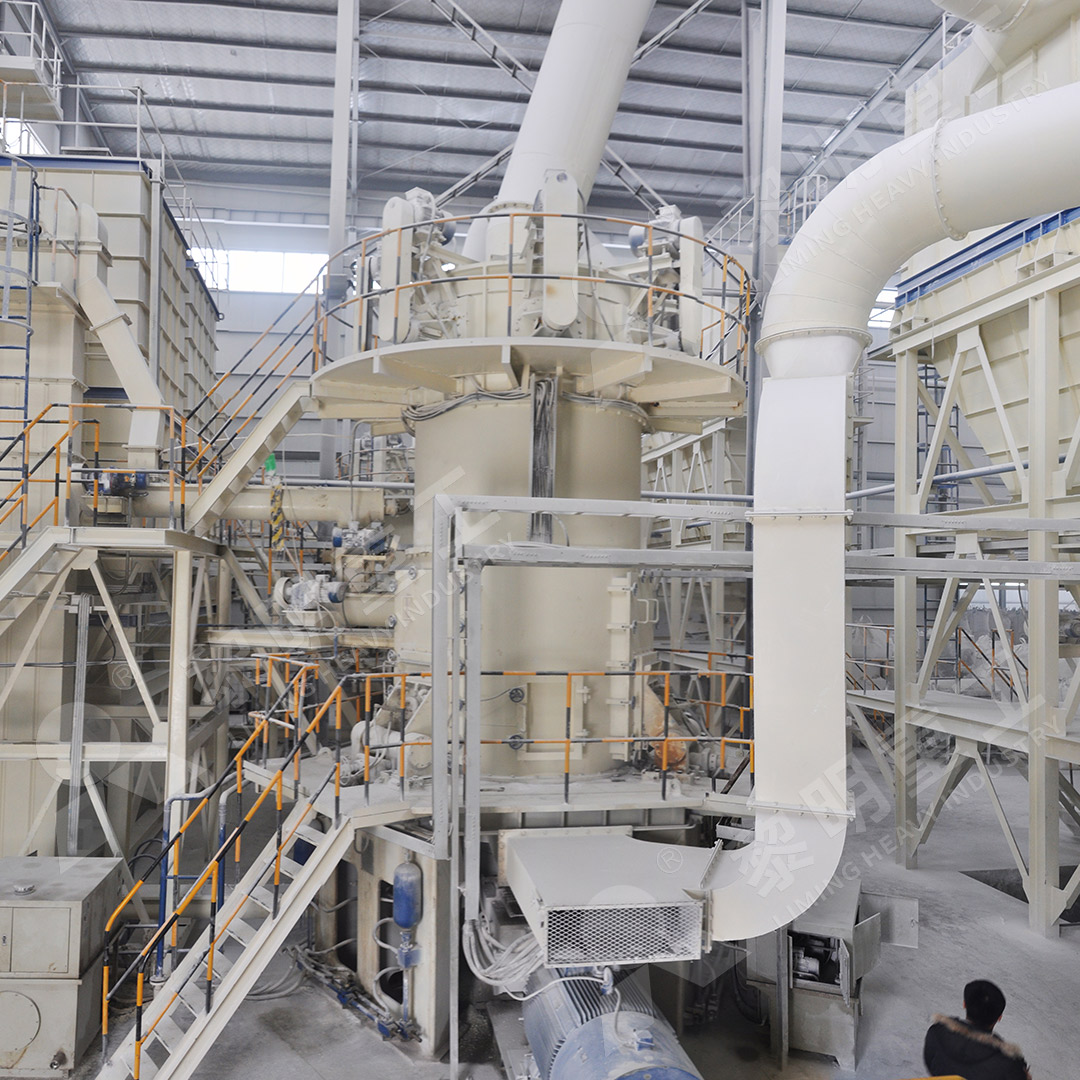
The Engineering Behind High-Capacity Fine Grinding
A vertical roller mill designed for 1600 mesh operation is a masterpiece of precision engineering. The core of its performance lies in the synergistic operation of its grinding mechanism and integrated classification system. Material is fed onto a rotating grinding table and is ground under pressure by hydraulically loaded rollers. The ground material is then transported by an air stream to a high-efficiency classifier, typically a cage-type or turbine separator. This classifier acts as a precision gatekeeper, allowing only particles that meet the target fineness (e.g., 1600 mesh or ~10μm) to pass through to the product collection system. Coarser particles are rejected and returned to the grinding bed for further size reduction, creating a continuous, closed-circuit process that maximizes efficiency and ensures a uniform product.
Key to achieving high capacity at such fine sizes is the mill’s ability to maintain a stable, material bed on the grinding table and to precisely control the grinding force, airflow, and classifier speed. Advanced models incorporate digital control systems that continuously monitor and adjust these parameters, optimizing the grind for different feed materials and ensuring consistent output quality even with varying input characteristics.
Introducing the MW Ultrafine Grinding Mill: Engineered for Excellence
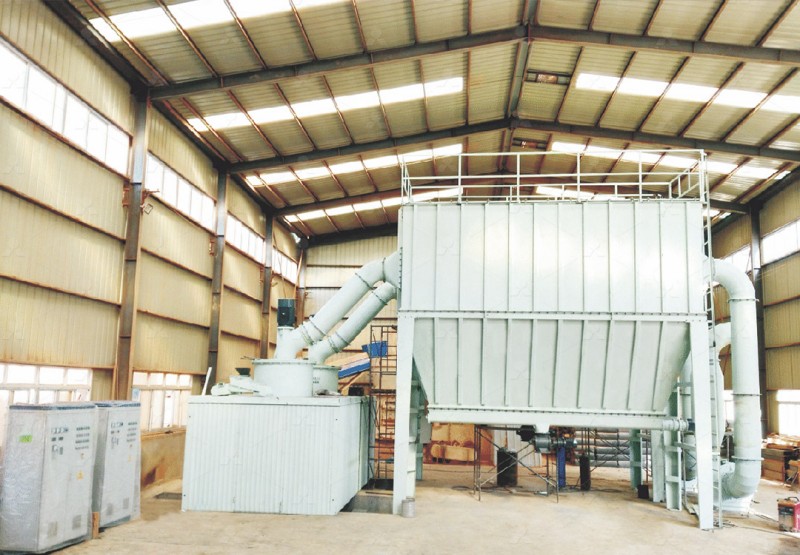
For operations requiring reliable, high-yield production of ultra-fine powders, the MW Ultrafine Grinding Mill stands out as a premier solution. This mill is specifically engineered for customers who need to make ultra-fine powder efficiently and cleanly. With an input size of 0-20 mm and a capacity range of 0.5-25 tph, it offers remarkable flexibility. Its defining feature is an advanced cage-type powder selector utilizing German technology, which enables precise fineness adjustment between 325 and an impressive 2500 meshes, easily encompassing the 1600 mesh target. The design eliminates rolling bearings and screws within the grinding chamber, virtually eliminating concerns about bearing failure or loose components causing downtime. Furthermore, its integrated efficient pulse dust collector and muffler system ensure the entire production process meets stringent environmental standards, operating with minimal dust and noise pollution.
Advantages Over Conventional Milling Systems
When compared to jet mills, stirred media mills, or traditional ball mills, a high-capacity vertical roller mill like the MW series offers distinct operational and economic benefits:
- Superior Energy Efficiency: By utilizing a bed grinding principle and efficient classification, it can reduce system energy consumption by up to 30-50% compared to jet milling systems for the same product fineness.
- Higher Production Yield: The optimized grinding curve of the roller and ring enhances grinding efficiency, leading to a production capacity that can be 40% higher than alternative fine grinding mills.
- Enhanced Product Purity: The non-contact design of critical components and the short material residence time minimize iron contamination and repeated grinding, preserving material whiteness and chemical properties.
- Reduced Footprint & Automated Operation: Vertical integration of crushing, grinding, drying, and classifying into a single unit saves significant floor space. Modern PLC controls allow for fully automated, stable operation with remote monitoring capabilities.
Material Versatility and Operational Reliability
The applicability of these advanced vertical mills is vast. They are perfectly suited for processing non-metallic minerals such as limestone, calcite, dolomite, gypsum, barite, marble, and talc to ultra-fine grades. They also excel in handling petroleum coke, coal powder, and various materials for the chemical, paint, and cosmetic industries. Operational reliability is paramount, and it is built into the design through features like external lubrication systems that allow maintenance without shutdown, and the use of wear-resistant alloys for grinding components to extend service life. A comprehensive supply of original spare parts and technical support ensures long-term, worry-free operation.
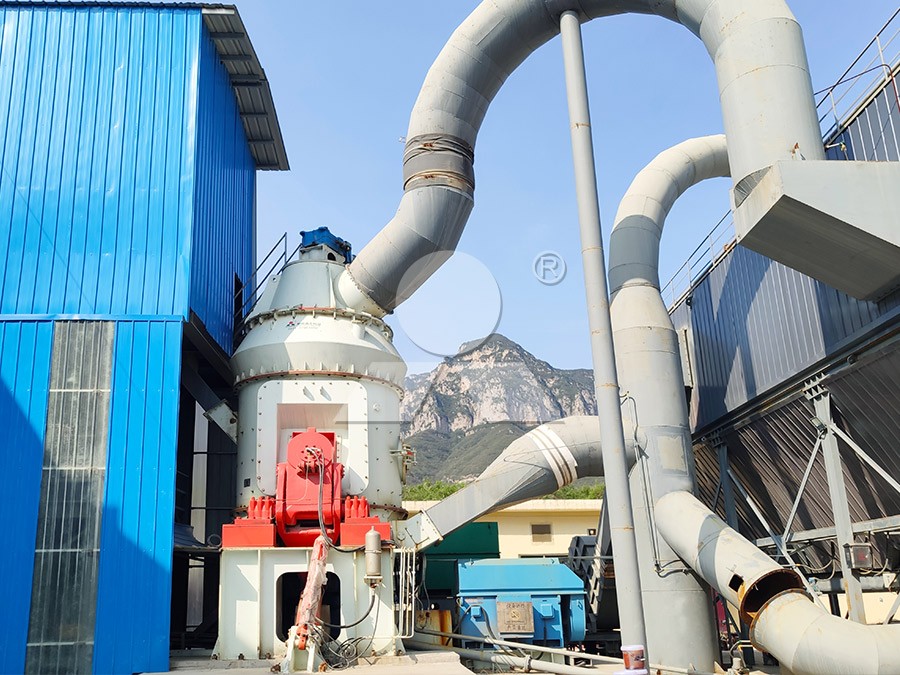
In conclusion, the evolution of vertical roller mill technology has made high-capacity, 1600-mesh fine powder grinding not just feasible, but highly efficient and economically viable. By integrating precise grinding mechanics with intelligent classification and robust environmental controls, mills like the MW Ultrafine Grinding Mill provide a future-proof solution for industries aiming to enhance their product quality and production capabilities in the realm of ultra-fine materials.
Frequently Asked Questions (FAQs)
- What is the main advantage of a vertical roller mill over a ball mill for fine grinding?
The primary advantages are significantly higher energy efficiency (30-40% less energy consumption), a much smaller physical footprint, integrated drying and classifying, and lower iron contamination due to minimal metal-to-metal contact in the grinding zone. - Can the MW Ultrafine Grinding Mill handle moist feed materials?
Yes, the mill system can integrate hot air intake to dry materials during the grinding process. However, the optimal feed moisture content depends on the material and system configuration; it’s best to consult with our engineering team for specific applications. - How is the final product fineness precisely controlled?
Fineness is primarily controlled by adjusting the speed of the integrated high-precision cage-type powder selector (classifier). A faster rotor speed yields a finer product, while a slower speed allows coarser particles to pass. The system’s PLC allows for precise and repeatable adjustments. - What wear parts are involved, and what is their typical service life?
The main wear parts are the grinding rollers and the grinding ring/table liner. Their service life varies greatly with material abrasiveness but is substantially extended through the use of proprietary wear-resistant alloys. Life can range from several thousand hours to over ten thousand hours of operation. - Is the system environmentally friendly?
Absolutely. The mill operates under negative pressure, preventing dust escape. It is equipped with a high-efficiency pulse jet bag filter that captures over 99.9% of particulates. Mufflers and sound insulation are also standard to reduce operational noise to acceptable levels. - What level of automation can be expected?
The mill can be supplied with a comprehensive automation system ranging from basic local control to full plant integration with remote monitoring. This includes automatic control of feeding, grinding pressure, classifier speed, temperature, and system alarms for stable, unattended operation.