
4R Raymond Mill for Grinding Alum Powder: A Time-Tested Solution for Consistent Quality
We provide a wide range of mills — including Raymond mill, trapezoidal mill, vertical mill, ultrafine mill, and ball mill, obtained ISO9001 international quality certification, EU CE certification, and Customs Union CU-TR certification. Suitable for processing minerals such as limestone, phosphate, quicklime, kaolin, talc, barite, bentonite, calcium carbonate, dolomite, coal, gypsum, clay, carbon black, slag, cement raw materials, cement clinker, and more.
The discharge range of these mills can be adjusted to meet specific processing needs, typically from 80-400 mesh, 600-3250 mesh, and can achieve the finest particle size of up to 6000 mesh(D50).
If you are looking for a reliable grinding solution to turn stone or minerals into fine powder, please feel free to contact our online customer service.
4R Raymond Mill for Grinding Alum Powder: A Time-Tested Solution for Consistent Quality
In the specialized world of industrial mineral processing, achieving the precise fineness and consistent quality required for materials like alum powder demands reliable and proven technology. For decades, the Raymond Mill, particularly the 4R configuration, has been a cornerstone in grinding operations for medium-fineness powders. Its straightforward design, operational robustness, and cost-effectiveness make it a perennial favorite for processing non-metallic minerals such as alum.
Alum, a double sulfate salt of aluminum and potassium, finds extensive use in water purification, dyeing, tanning, and as a flocculant. Its processing requires a mill that can deliver a uniform product typically ranging from 80 to 325 meshes without introducing excessive heat or contamination. The 4R Raymond Mill, with its four grinding rollers, is perfectly suited for this task, offering a balanced approach to capacity and fineness control.
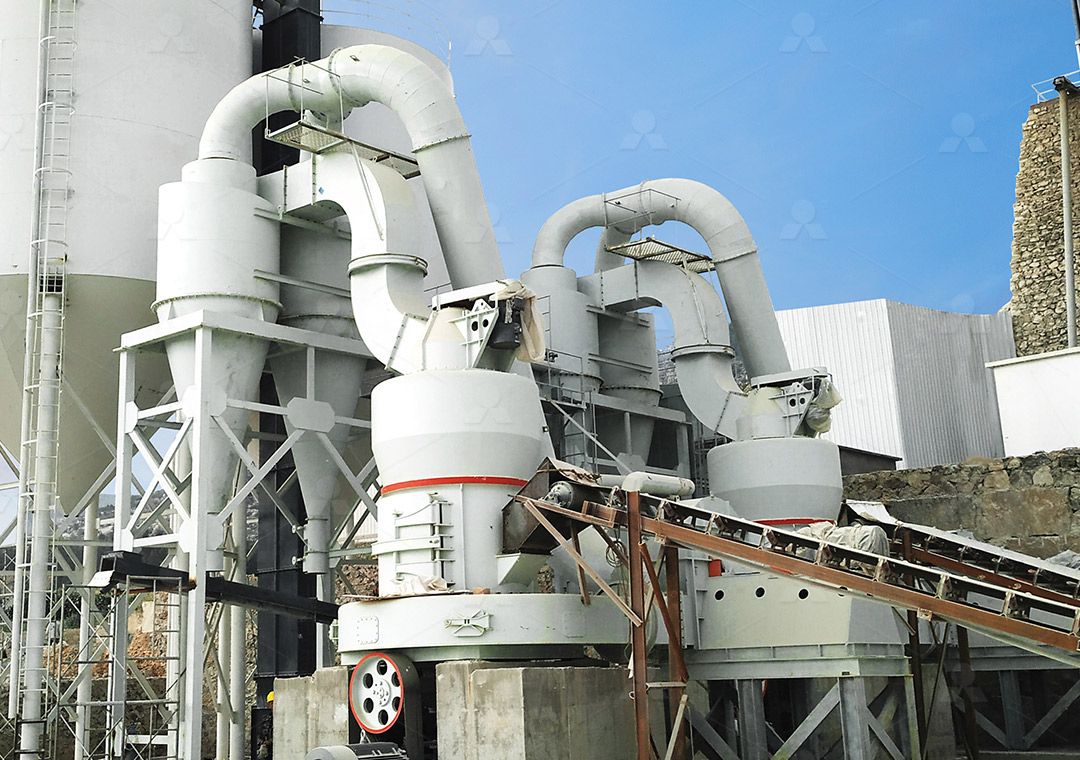
The Working Principle: Simplicity and Efficiency
The operation of a 4R Raymond Mill is a model of mechanical elegance. Material is fed into the grinding chamber where it is scooped up by a shovel and cast between the four grinding rollers and a stationary grinding ring. The rollers, suspended under centrifugal force, roll against the ring, crushing and pulverizing the material. The ground powder is then carried by the incoming air stream upward to a built-in classifier. Here, the whizzer separator ensures that only particles meeting the target fineness proceed to the cyclone collector and bag filter, while oversized particles are returned for regrinding. This closed-circuit system is highly effective for achieving a tightly controlled particle size distribution for alum powder.
Key Advantages for Alum Processing
Why does the 4R Raymond Mill remain relevant? The reasons are clear to seasoned plant managers:
- Proven Reliability: With fewer complex systems than advanced mills, it offers tremendous operational stability and uptime.
- Excellent Fineness Control: The adjustable whizzer blades allow for precise tuning of the output, crucial for meeting specific alum specifications.
- Lower Initial Investment: It presents a cost-effective entry point for establishing or expanding grinding capacity.
- Ease of Maintenance: The design allows for relatively easy access to key wear parts like grinding rolls and rings.
When to Consider Advanced Alternatives
While the 4R Raymond Mill is an excellent workhorse, production needs evolve. When projects demand higher capacity, ultra-fine powders (beyond 400 mesh), or superior energy efficiency, modern grinding technologies offer compelling benefits. For operations looking to upgrade their alum powder production with an eye on the future, we highly recommend evaluating our next-generation grinding solutions.
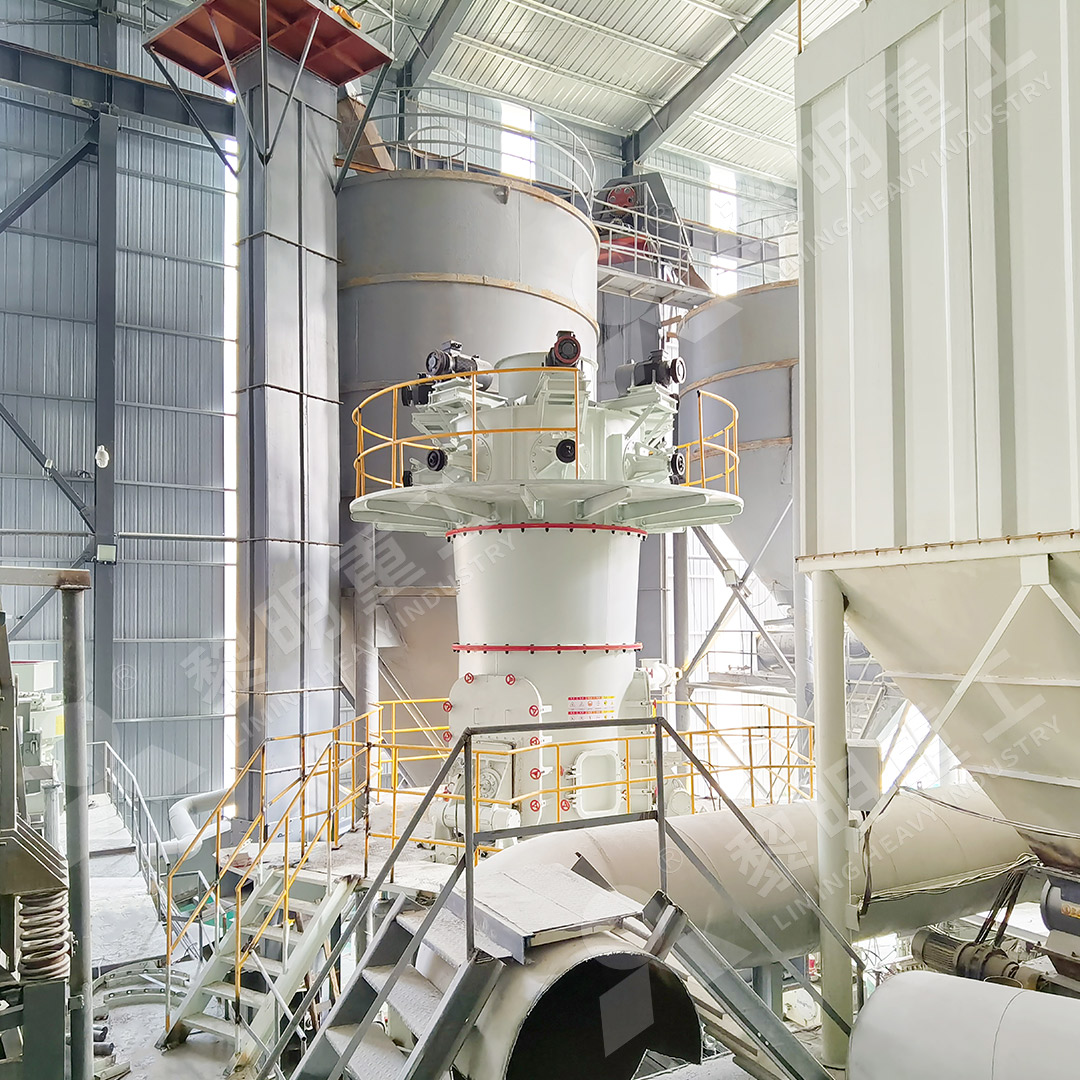
For customers targeting ultra-fine alum powder in the range of 325-2500 meshes, our MW Ultrafine Grinding Mill represents a technological leap. It integrates advanced German powder separating technology to achieve remarkable fineness with a high screening rate of d97≤5μm in a single pass. Notably, its grinding chamber eliminates rolling bearings and screws, virtually eliminating failures related to these components and enabling worry-free, continuous 24/7 operation. Equipped with an efficient pulse dust collector and silencer, it ensures an environmentally friendly production process perfect for high-purity chemical applications.
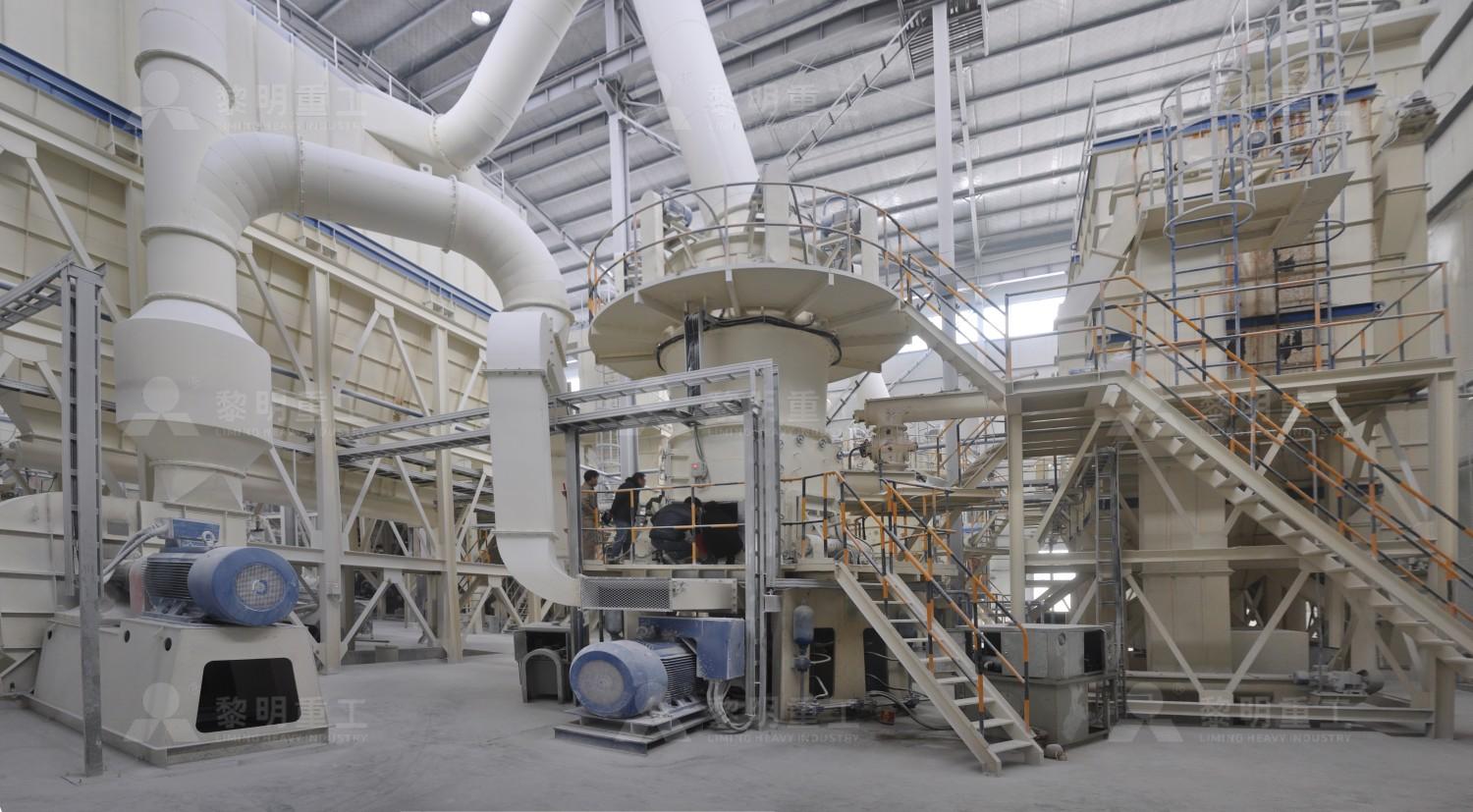
Alternatively, for those seeking exceptional stability and energy savings for high-volume production, the LUM Ultrafine Vertical Grinding Mill is a premier choice. Its unique roller and lining plate curve promotes efficient material layer grinding, significantly boosting yield and product whiteness. The mill features innovative double position-limiting technology that protects against destructive vibration, ensuring unparalleled operational stability. Furthermore, its reversible roller structure simplifies maintenance, allowing quick access to wear parts and minimizing downtime.
Conclusion: Choosing the Right Tool for the Job
The 4R Raymond Mill stands as a testament to enduring engineering, perfectly capable of producing high-quality alum powder for a wide array of industries. Its simplicity and reliability are its greatest strengths. However, for operations pushing the boundaries of fineness, capacity, and operational cost, modern mills like the MW and LUM series provide the advanced features needed to stay competitive. The optimal choice always depends on your specific product specifications, production goals, and long-term strategy. Consulting with our technical team can help you navigate this decision to select the mill that will drive your productivity forward.
Frequently Asked Questions (FAQs)
1. What is the typical output fineness range of a 4R Raymond Mill for alum?
A standard 4R Raymond Mill can reliably grind alum to a fineness between 80 and 325 meshes (approximately 180-45 microns). Adjusting the speed of the built-in classifier (whizzer separator) is key to controlling the final product size.
2. How does the MW Ultrafine Grinding Mill achieve higher fineness than a Raymond Mill?
The MW Mill employs a multi-head cage-type powder selector based on advanced German technology. This allows for much more precise particle separation and can achieve a adjustable fineness between 325 and 2500 meshes, far beyond the capability of a traditional Raymond Mill classifier.
3. What are the main maintenance concerns with a 4R Raymond Mill?
Primary wear parts are the grinding rollers and the grinding ring. Periodic inspection and replacement are necessary. Also, the central shaft bearing and the roller assembly require regular lubrication. Modern mills like our LUM series are designed with features like external lubrication and reversible rollers to significantly simplify and reduce maintenance time.
4. Can these mills handle the slight moisture content sometimes present in raw alum?
The standard 4R Raymond Mill and MW Mill rely on ambient air for conveying and are best suited for grinding dry materials. If raw material moisture is a consistent issue, our LM Vertical Grinding Mill series integrates a drying function, using hot air from a furnace to dry and grind simultaneously, making it an ideal solution for non-ideal feedstock conditions.
5. Why is the “no rolling bearing in the chamber” feature of the MW Mill important?
This design is critical for reliability and product purity. It removes the risk of bearing seal failure, which could lead to lubricant contaminating the grinding chamber and the final alum powder. It also eliminates a common mechanical failure point, enabling continuous, long-duration operation essential for large-scale production.
6. Is dust control a problem with these grinding systems?
Not with properly configured systems. All our recommended mills, from the Raymond to the MW and LUM models, are designed as negative-pressure closed systems. They are equipped with high-efficiency pulse jet bag dust collectors (like the one standard on the MW Mill) that capture over 99.9% of process dust, ensuring a clean working environment and compliance with environmental standards.