
European Version Grinding Mill for Sand and Stone Processing
We provide a wide range of mills — including Raymond mill, trapezoidal mill, vertical mill, ultrafine mill, and ball mill, obtained ISO9001 international quality certification, EU CE certification, and Customs Union CU-TR certification. Suitable for processing minerals such as limestone, phosphate, quicklime, kaolin, talc, barite, bentonite, calcium carbonate, dolomite, coal, gypsum, clay, carbon black, slag, cement raw materials, cement clinker, and more.
The discharge range of these mills can be adjusted to meet specific processing needs, typically from 80-400 mesh, 600-3250 mesh, and can achieve the finest particle size of up to 6000 mesh(D50).
If you are looking for a reliable grinding solution to turn stone or minerals into fine powder, please feel free to contact our online customer service.
European Version Grinding Mill for Sand and Stone Processing
The European sand and stone processing industry demands equipment that combines high efficiency, environmental responsibility, and exceptional product quality. As raw material specifications tighten and sustainability regulations become more stringent, the choice of grinding technology is paramount. European-style grinding mills, renowned for their robust engineering and advanced design principles, have emerged as the benchmark for modern mineral processing operations seeking to optimize yield, control particle size distribution, and minimize operational footprint.
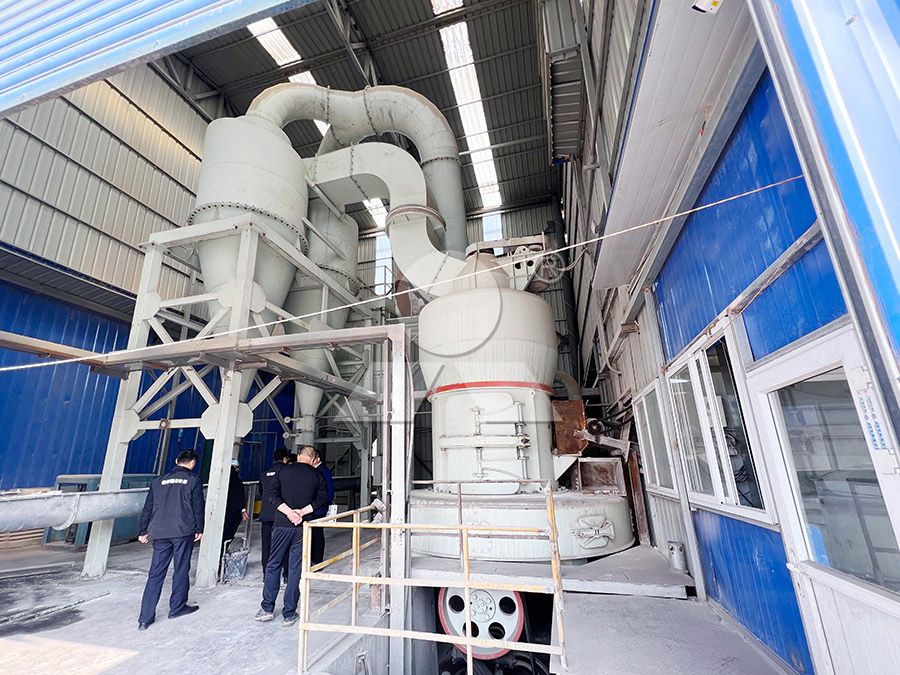
At the core of this technological advancement is the integration of precision grinding mechanics with intelligent control systems. Unlike traditional ball mills, which can be energy-intensive and offer limited fineness control, the latest generation of European trapezium and vertical roller mills employ a bed-compression grinding principle. This method applies pressure through grinding rollers onto a material bed lying on a rotating table or ring, resulting in significantly lower specific energy consumption and reduced wear on components. The ability to dry, grind, and classify within a single, compact unit further enhances operational efficiency, a critical factor for processors handling materials like limestone, calcite, dolomite, and gypsum.
Key Technological Drivers in Modern Mill Design
Several innovative features define the current European mill standard. The adoption of bevel gear integral transmissions eliminates the need for complex external reducers, creating a more compact and reliable drive system with reduced maintenance. Advanced powder separators, often multi-head cage-type designs, provide unparalleled precision in particle size classification, allowing operators to achieve final product fineness ranging from coarse aggregates to ultra-fine powders exceeding 2500 mesh. Furthermore, environmental considerations are addressed head-on. Integrated high-efficiency pulse jet baghouse dust collectors and silencer systems ensure that dust emissions and noise levels are kept well within strict EU environmental directives, making these mills suitable for installation near sensitive areas.
For operations requiring the production of ultra-fine powders for advanced applications in chemicals, paints, or high-value fillers, specialized equipment is necessary. In this segment, the MW Ultrafine Grinding Mill stands out. Engineered for customers who need to make ultra-fine powder, this machine is a testament to focused innovation. It handles an input size of 0-20 mm with a capacity ranging from 0.5 to 25 tph. Its newly designed grinding curves for the roller and ring enhance efficiency, yielding production capacity up to 40% higher than jet mills for the same power input. A key maintenance advantage is the absence of rolling bearings and screws in the grinding chamber, eliminating common failure points. The mill’s German-technology cage-type powder selector allows precise fineness adjustment between 325-2500 meshes, achieving a d97≤5μm in a single pass, all while its pulse dust collector guarantees an eco-friendly, dust-free operation.
Vertical Integration: Maximizing Efficiency from Feed to Product
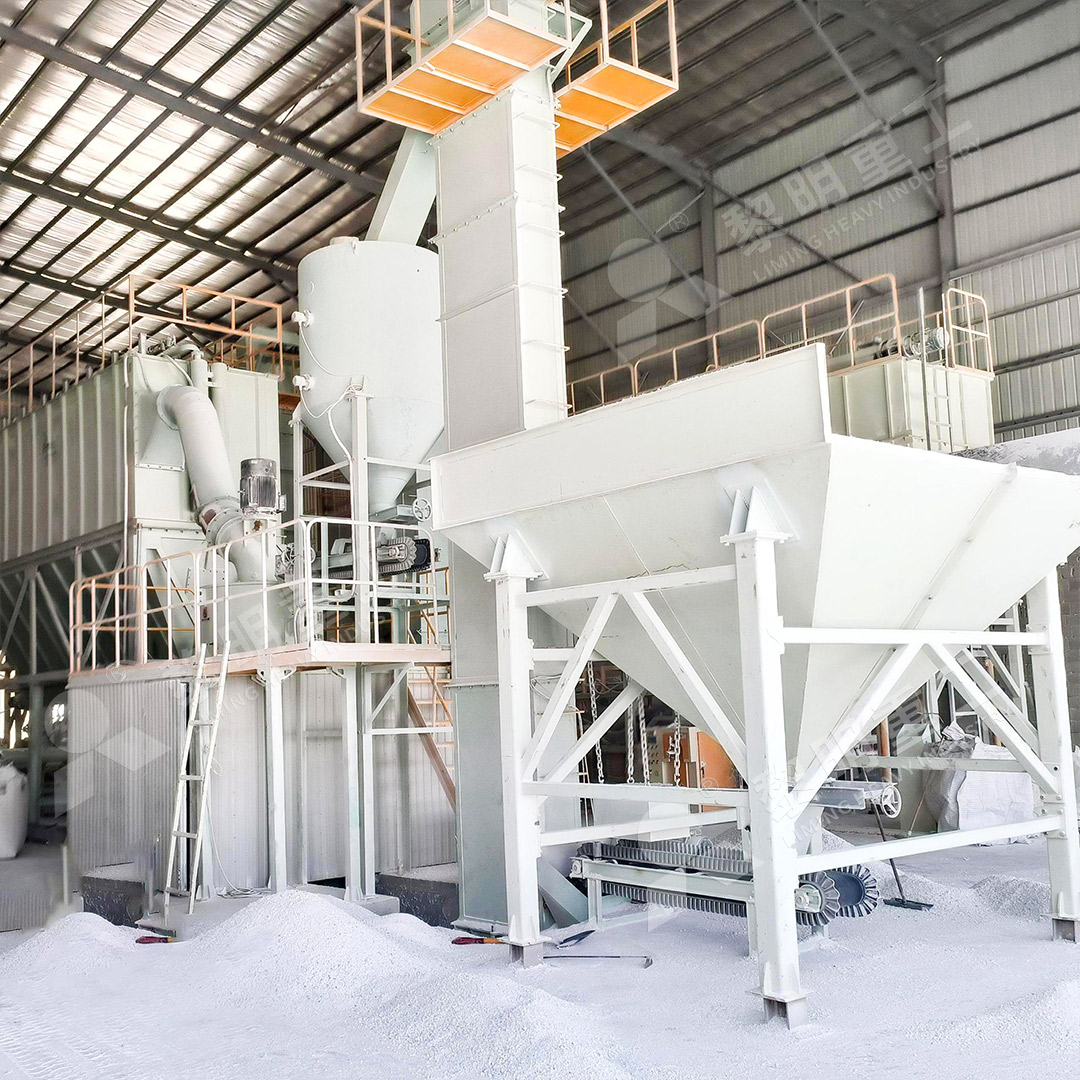
The evolution towards vertical roller mills represents a significant leap in processing philosophy. Models like the LUM Ultrafine Vertical Grinding Mill integrate grinding, grading, and transporting into one coherent system. With an input size of 0-10 mm and a capacity of 5-18 tph, the LUM mill is ideal for superfine dry powder production. It incorporates the latest grinding roller technology and German powder separating technology. Its unique roller shell and lining plate grinding curve promote stable material layer formation, enabling a high rate of finished product in a single pass, which improves both efficiency and the whiteness of the final product. Features such as double position-limiting technology protect the mill from destructive vibration, and a reversible roller structure simplifies maintenance dramatically, allowing rollers to be easily swung out for inspection.
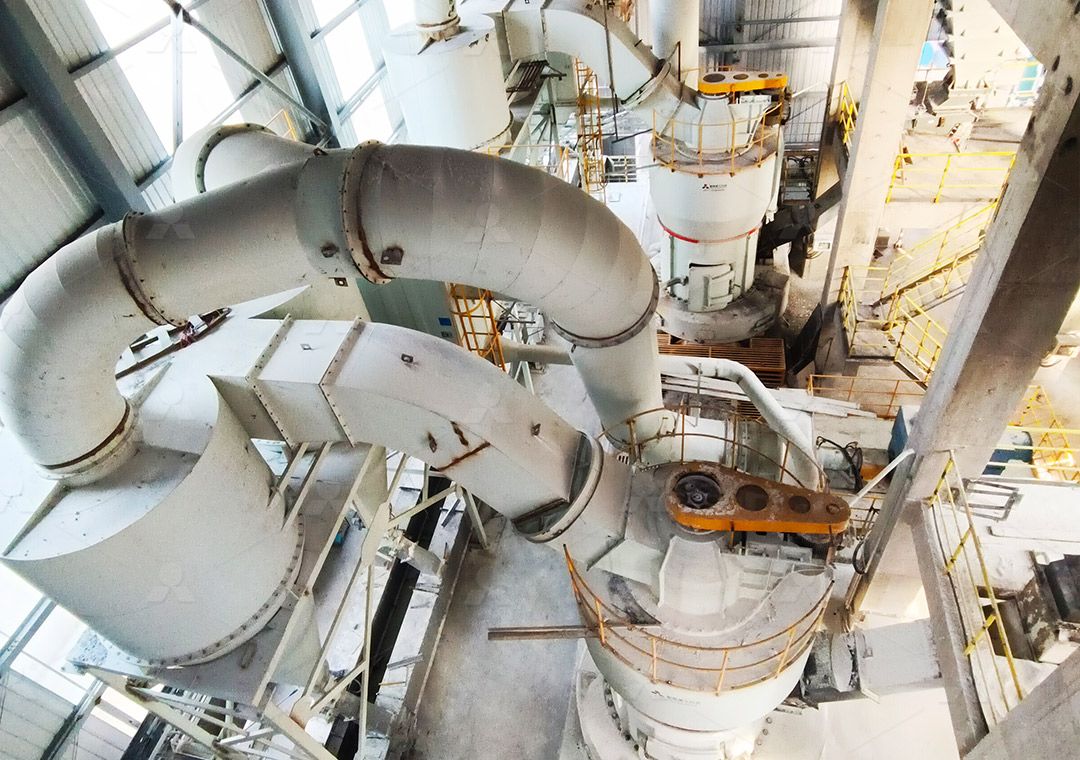
Beyond ultra-fine grinding, high-capacity processing of standard sand and stone fractions remains essential. Here, the MTW-Z European Trapezium Mill offers a compelling balance of performance and economy. Its defining feature is the grinding roller dilute oil lubrication system—a maintenance-free, domestic technology initiation that offers superior lubrication with lower long-term costs compared to traditional grease systems. The absence of a shovel blade cylinder in the grinding chamber increases ventilation area and reduces air-conveying resistance, while an elastic volute damping structure absorbs operational vibrations, ensuring stability and longevity. This mill is perfectly suited for processing a wide array of materials, including feldspar, barite, and phosphate ore, with capacities up to 55 tph.
Conclusion: A Partner for Precision and Performance
Selecting the right grinding mill is a strategic decision that impacts productivity, product quality, and environmental compliance for years to come. The European design philosophy, emphasizing energy efficiency, precision classification, and operational cleanliness, provides a future-proof foundation. From the high-volume processing capabilities of the MTW series to the ultra-fine precision of the MW and LUM mills, the modern portfolio offers tailored solutions for every segment of the sand and stone industry. Backed by digitalized manufacturing for high precision and a commitment to providing original spare parts and technical support, these mills represent not just equipment, but a reliable partnership for sustainable growth.
Frequently Asked Questions (FAQ)
- What is the main advantage of a European-style grinding mill over a traditional ball mill?
European-style mills (like MTW, LUM, or LM series) use a roller-and-bed compression grinding principle, which is significantly more energy-efficient—often saving 30%-50% in power consumption. They also integrate drying, grinding, and classifying in one unit, have a smaller footprint, and offer superior control over particle size distribution. - Can your mills handle wet or sticky materials?
Our vertical roller mills (LM, LUM series) and some trapezium mills are equipped with hot air intake systems, allowing them to simultaneously dry and grind materials with moderate moisture content. For highly sticky materials, a pre-drying stage or specific system configuration may be recommended. - How fine a powder can your ultra-fine mills produce?
Our specialized ultra-fine mills, such as the MW Ultrafine Grinding Mill, are capable of producing powders with a fineness range between 325 to 2500 meshes. The advanced cage-type powder selector can achieve a final product where 97% of particles are 5 micrometers (d97≤5μm) or finer in a single milling cycle. - What measures are in place to ensure environmental compliance?
All our European-version mills are designed with integrated environmental protection systems. This includes efficient pulse jet baghouse dust collectors that capture over 99.9% of particulates, silencers and soundproofing rooms to reduce noise pollution, and fully sealed systems that operate under negative pressure to prevent any dust spillage. - How complex is the maintenance for these advanced mills?
Maintenance is simplified through innovative design. Features like the external lubrication system and lack of internal bearings in the MW mill, the reversible roller structure in the LUM mill, and the dilute oil lubrication in the MTW-Z mill all reduce downtime. Furthermore, we provide comprehensive technical support and ensure a sufficient supply of original spare parts for worry-free operation. - Are your mills suitable for processing abrasive materials like quartz or granite?
Yes. Critical wear parts like grinding rollers and rings are made from proprietary wear-resistant alloy materials developed in collaboration with scientific institutes. Their service life is typically 1.7 to 2.5 times longer than parts made from traditional high manganese steel, making them highly suitable for abrasive applications.