
How Much Does an Alunite Grinding Mill Machine Cost?
We provide a wide range of mills — including Raymond mill, trapezoidal mill, vertical mill, ultrafine mill, and ball mill, obtained ISO9001 international quality certification, EU CE certification, and Customs Union CU-TR certification. Suitable for processing minerals such as limestone, phosphate, quicklime, kaolin, talc, barite, bentonite, calcium carbonate, dolomite, coal, gypsum, clay, carbon black, slag, cement raw materials, cement clinker, and more.
The discharge range of these mills can be adjusted to meet specific processing needs, typically from 80-400 mesh, 600-3250 mesh, and can achieve the finest particle size of up to 6000 mesh(D50).
If you are looking for a reliable grinding solution to turn stone or minerals into fine powder, please feel free to contact our online customer service.
How Much Does an Alunite Grinding Mill Machine Cost?
For professionals in the mining and industrial minerals sector, determining the cost of an alunite grinding mill is a critical step in project planning. Alunite, a sulfate mineral often processed for alumina, potash, and specialty chemical applications, requires precise and efficient milling to achieve the desired fineness and purity. The price of a suitable grinding mill is not a single figure but a spectrum influenced by a complex interplay of technical specifications, production goals, and long-term operational economics.
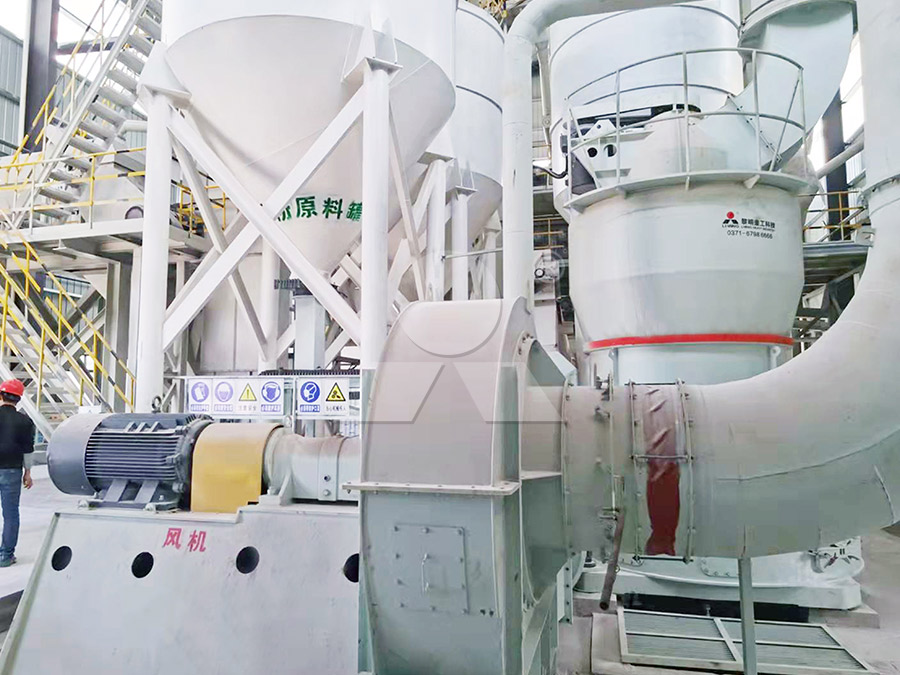
Key Factors Influencing the Cost of an Alunite Grinding Mill
The initial purchase price is just one component of the total cost of ownership. A comprehensive evaluation must consider several pivotal factors:
- Required Fineness and Capacity: The target particle size (e.g., 200 mesh vs. 1250 mesh) and hourly throughput (e.g., 5 TPH vs. 25 TPH) directly dictate the mill’s size, power, and technological sophistication. Ultrafine grinding demands more advanced separator technology and precise control systems, increasing cost.
- Mill Technology and Design: The choice between traditional Raymond mills, vertical roller mills, European trapezium mills, or advanced ultrafine grinding systems creates a wide cost range. Modern mills with integrated drying, classifying, and eco-friendly features command a higher initial investment but offer superior efficiency and lower running costs.
- Material Characteristics: Alunite’s hardness, moisture content, and abrasiveness influence the selection of grinding elements (roller/ring materials) and the mill’s structural robustness, affecting both initial price and maintenance expenses.
- System Configuration: A complete grinding line includes auxiliary equipment like jaw crushers, elevators, feeders, dust collectors (pulse jet type), silencers, and electrical control systems. The choice and quality of these components significantly impact the total project cost.
- Automation and Environmental Controls: Mills equipped with PLC-based automation for consistent product quality and advanced pulse dust collection systems for clean operation involve higher technology costs but are increasingly essential for modern, sustainable operations.
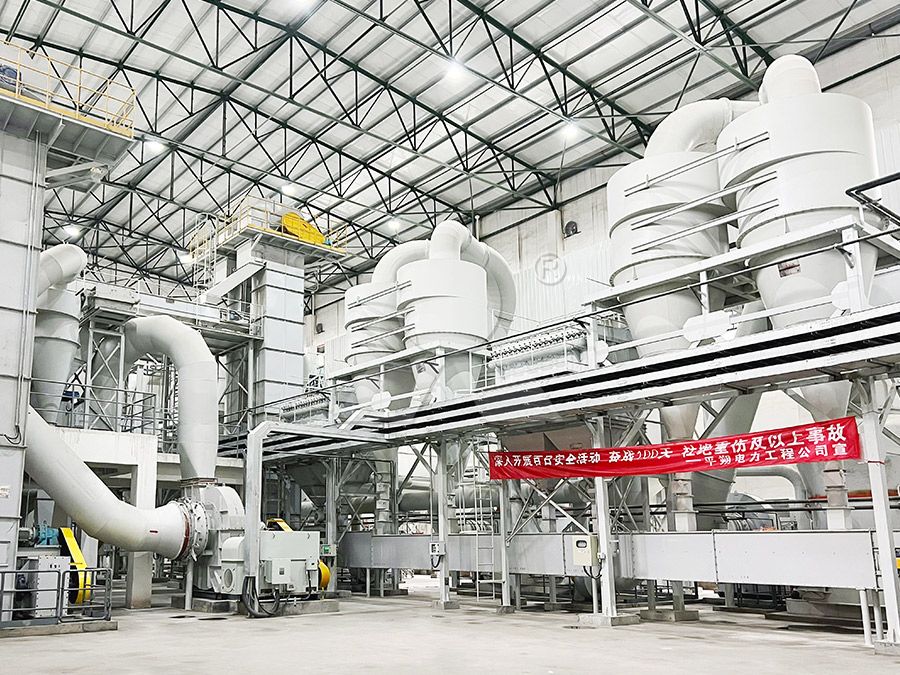
Beyond Sticker Price: The Value of Advanced Grinding Solutions
A myopic focus on the lowest bid can lead to higher lifetime costs. The real value lies in a mill’s operational efficiency and reliability. For alunite processing, where consistent fineness and low contamination are paramount, advanced grinding technologies prove their worth. For instance, mills featuring multi-head cage-type powder selectors allow precise adjustment of fineness between 325-2500 meshes with high screening efficiency, ensuring product quality in a single pass.
Similarly, designs that eliminate rolling bearings and screws from the grinding chamber—a feature found in certain advanced models—virtually eliminate failures related to these components, drastically reducing unplanned downtime and associated losses. When evaluating cost, the metrics of energy consumption per ton and wear part longevity are often more telling than the invoice total.
Recommended Solutions for Alunite Processing
Based on common requirements for fine to ultrafine alunite powder production, two of our flagship grinders stand out for their technological edge and cost-effectiveness over the equipment lifecycle.
For high-capacity production of fine powders, the MTW Series European Trapezium Grinding Mill is a robust and efficient choice. Its bevel gear integral transmission ensures stable operation, while the curved air duct reduces flow resistance for lower energy consumption. The wear-resistant grinding roller and ring assembly, developed through proprietary research, extends service life, directly lowering the cost-per-ton of processed material.
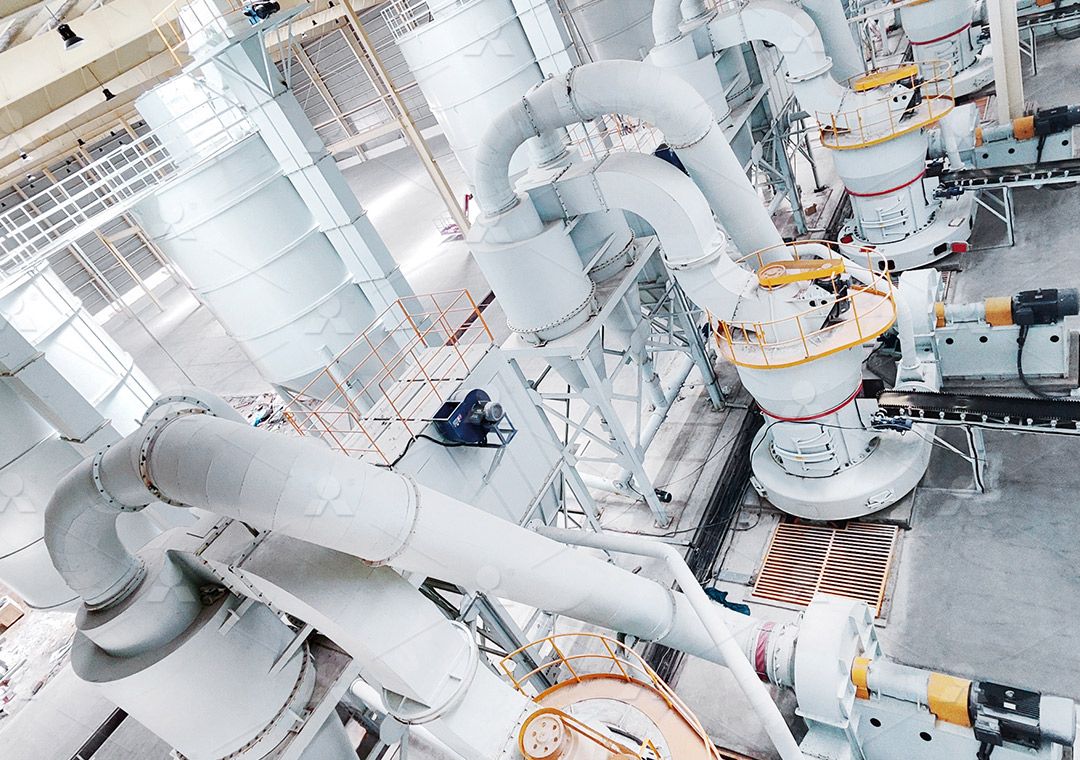
For projects demanding ultra-fine alunite powder (d97 ≤ 5μm) with exceptional whiteness and purity, the MW Ultrafine Grinding Mill is specifically engineered to excel. Its core advantages directly address the total cost of ownership: Higher Yielding at Lower Energy Consumption—producing 40% more than jet mills while using only 30% of the energy; Adjustable Fineness between 325-2500 meshes via a German-technology inspired cage-type powder selector; and a maintenance-optimized design with no rolling bearings or screws in the grinding chamber to prevent related failures. Furthermore, its integrated efficient pulse dust collector and muffler ensure environmentally sound operation, aligning with strict regulatory standards without additional retrofitting costs.
Conclusion: A Strategic Investment
The cost of an alunite grinding mill is ultimately an investment in your production capability. It is a balance between capital expenditure and the ongoing costs of energy, maintenance, and product quality control. Engaging with a manufacturer that provides comprehensive technical support, genuine spare parts, and mills built with digital precision—such as those utilizing numerically controlled machining for high-precision core parts—mitigates risk and ensures long-term, worry-free operation. Therefore, the most pertinent question evolves from “How much does it cost?” to “What is the optimal return on investment for my specific alunite processing needs?”
Frequently Asked Questions (FAQ)
1. What is the typical price range for an alunite grinding mill system?
Prices vary widely from tens of thousands to several hundred thousand US dollars, depending entirely on capacity, fineness requirements, and system configuration (e.g., including crusher, collector, etc.). Small-scale Raymond mill systems may start lower, while fully automated, high-capacity ultrafine grinding lines represent a significant industrial investment. A detailed quotation requires specific project parameters.
2. Why choose an MW Ultrafine Grinding Mill over a traditional ball mill for fine alunite powder?
The MW Mill offers substantially higher energy efficiency (using ~30-40% less power), a much smaller footprint, and the ability to produce finer powders in a single pass. Its design without internal bearings in the grinding chamber also reduces failure points. For ultrafine applications (e.g., >800 mesh), it is more effective and economical than a ball mill.
3. Can your mills handle the abrasive nature of alunite?
Yes. Our mills, like the MTW and MW series, are equipped with grinding rollers and rings made from proprietary wear-resistant alloy materials. Their service life is significantly longer than standard high manganese steel, reducing frequency of replacement and downtime, which is crucial for abrasive materials like alunite.
4. How is dust control managed during alunite grinding?
Our modern grinding systems, such as the MW Ultrafine Mill, come equipped with high-efficiency pulse jet dust collectors as standard. This ensures the entire milling system operates under negative pressure, capturing over 99.9% of dust, making the operation clean and compliant with environmental standards.
5. What kind of after-sales support and spare parts availability do you offer?
As a manufacturer covering both production and sales, we take full responsibility for every machine. We provide comprehensive technical services, installation guidance, and operational training. A sufficient supply of original spare parts is guaranteed to ensure long-term, worry-free operation for our clients worldwide.