
Competitive Landscape of the Mica Powder Manufacturing Industry
We provide a wide range of mills — including Raymond mill, trapezoidal mill, vertical mill, ultrafine mill, and ball mill, obtained ISO9001 international quality certification, EU CE certification, and Customs Union CU-TR certification. Suitable for processing minerals such as limestone, phosphate, quicklime, kaolin, talc, barite, bentonite, calcium carbonate, dolomite, coal, gypsum, clay, carbon black, slag, cement raw materials, cement clinker, and more.
The discharge range of these mills can be adjusted to meet specific processing needs, typically from 80-400 mesh, 600-3250 mesh, and can achieve the finest particle size of up to 6000 mesh(D50).
If you are looking for a reliable grinding solution to turn stone or minerals into fine powder, please feel free to contact our online customer service.
Competitive Landscape of the Mica Powder Manufacturing Industry
The global mica powder market is a dynamic and competitive arena, driven by demand from diverse sectors such as cosmetics, paints & coatings, plastics, and construction. Manufacturers are constantly pressured to deliver higher purity, finer particle sizes, and more consistent quality while managing operational costs and environmental impact. This landscape is shaped by several key technological and strategic battlegrounds.
Key Competitive Drivers
Competition hinges on three primary factors: Product Quality (whiteness, brightness, particle size distribution), Operational Efficiency (throughput, energy consumption, maintenance downtime), and Environmental Compliance (dust and noise control). The core technology defining a manufacturer’s position in this triad is the grinding mill. Traditional technologies like Raymond mills and ball mills, while reliable, often struggle with the ultra-fine ranges (above 800 mesh) and energy intensity required for high-value mica applications.
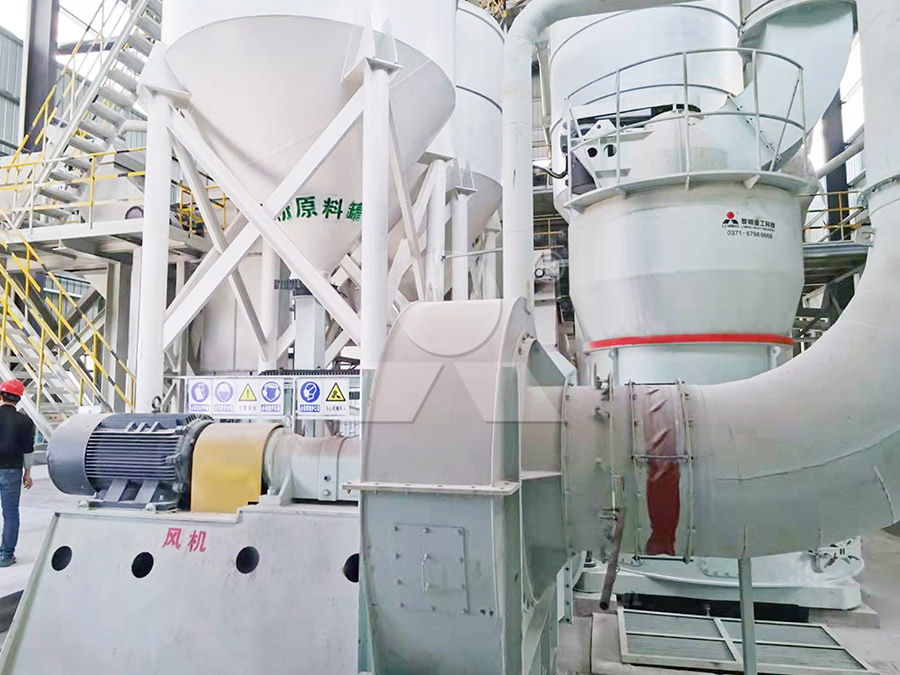
The shift is toward advanced, integrated milling systems that offer superior fineness control, lower specific energy consumption, and built-in environmental safeguards. This is where technological innovation becomes a direct competitive advantage. Leading players are investing in mills that integrate drying, grinding, classifying, and conveying into single, automated systems, reducing footprint and minimizing material handling losses.
The Technological Arms Race: Beyond Conventional Grinding
In the quest for ultra-fine powders (1250 mesh and beyond), jet mills and stirred media mills have been common choices. However, they often come with high energy costs and complex operational protocols. The current frontier is occupied by next-generation vertical roller mills and enhanced trapezium mills that challenge these norms. These systems employ advanced powder separators, often with multi-head cage designs, allowing for precise cuts in particle size distribution and the ability to quickly switch between different product specifications—a crucial flexibility for manufacturers serving multiple markets.
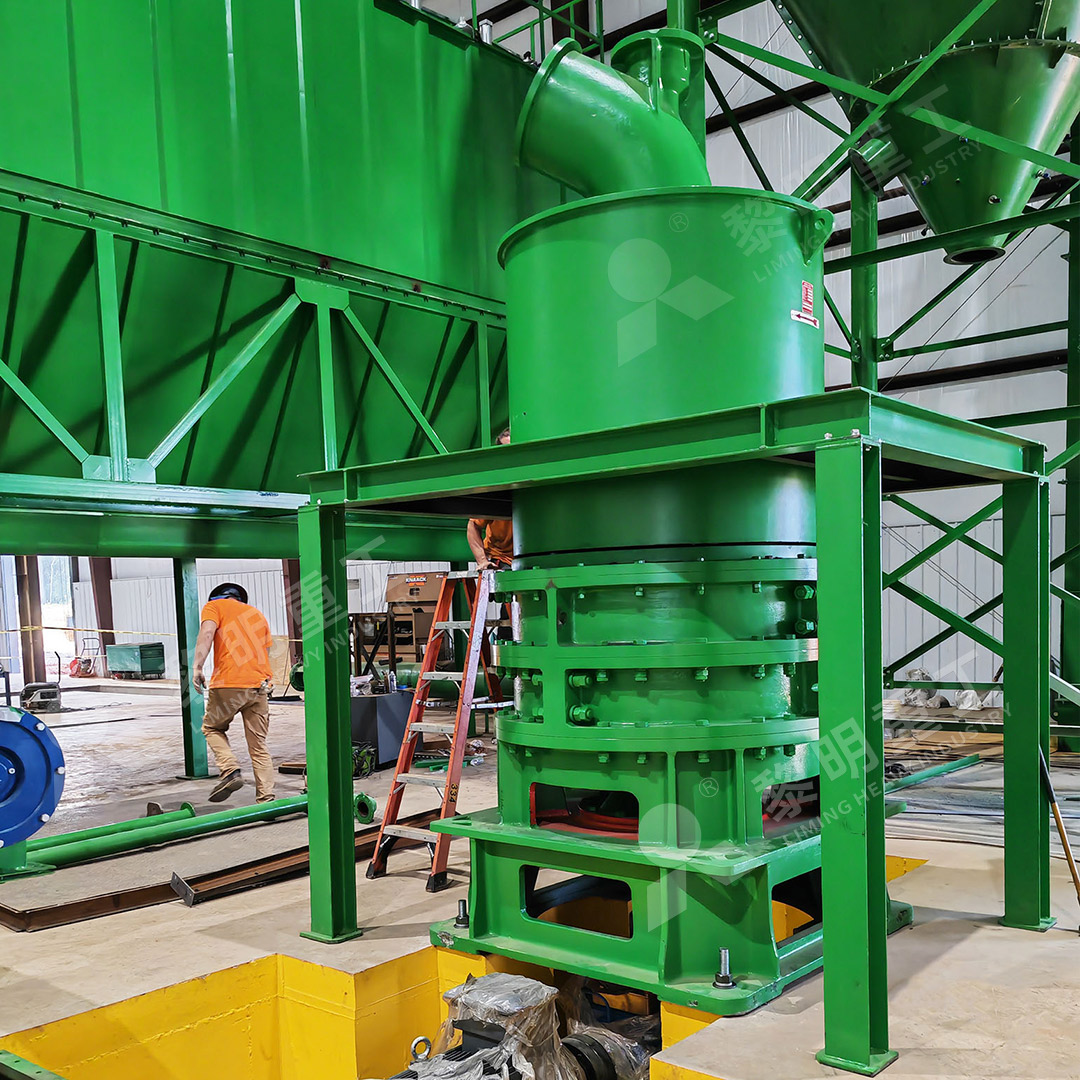
Another critical area is equipment durability and maintenance. Unplanned shutdowns for bearing failures or liner replacements are costly. Progressive designs now eliminate rolling bearings from the grinding chamber itself or feature reversible roller assemblies that can be serviced externally, dramatically reducing maintenance time and risk. For instance, the MW Ultrafine Grinding Mill addresses this directly with its innovative chamber design. It features no rolling bearings or screws inside the grinding zone, eliminating primary failure points. Coupled with an external lubrication system that allows for “lubrication without shutdown,” it enables continuous 24-hour operation, a significant uptime advantage in a competitive market. Its cage-type powder selector, leveraging German technology, allows precise fineness adjustment between 325-2500 meshes, making it a formidable tool for producing high-value, ultra-fine mica powder.
Sustainability as a Market Differentiator
Environmental performance is no longer just regulatory; it’s a brand imperative. Dust emission and noise pollution are significant concerns in mineral processing. Modern mills integrate high-efficiency pulse jet dust collectors and silencers as standard, ensuring the entire milling system operates under negative pressure with minimal spillage. This “greener” operation not only meets stringent standards but also creates a safer, more attractive workplace, aiding in talent retention and community relations. The LUM Ultrafine Vertical Grinding Mill exemplifies this integrated approach. It combines advanced Taiwanese grinding roller technology with German powder separation, but equally important is its operational stability and eco-design. Its double position-limiting technology protects the mill from vibrational damage, while the entire system is engineered for 30%-50% lower energy consumption compared to conventional mills and features comprehensive dust containment—key selling points for environmentally conscious clients.
The Future: Digitalization and Integrated Solutions
The competitive edge is increasingly digital. Numerical control machining for core parts ensures higher precision and consistency. PLC-controlled systems allow for precise control over grinding pressure, rotor speed, and feed rates, enabling reproducible quality and remote monitoring. Furthermore, the competitive landscape rewards suppliers who act as partners. Manufacturers who offer comprehensive technical support, guaranteed supply of original spare parts, and worry-free operational guarantees provide invaluable long-term value, reducing the total cost of ownership for their clients.
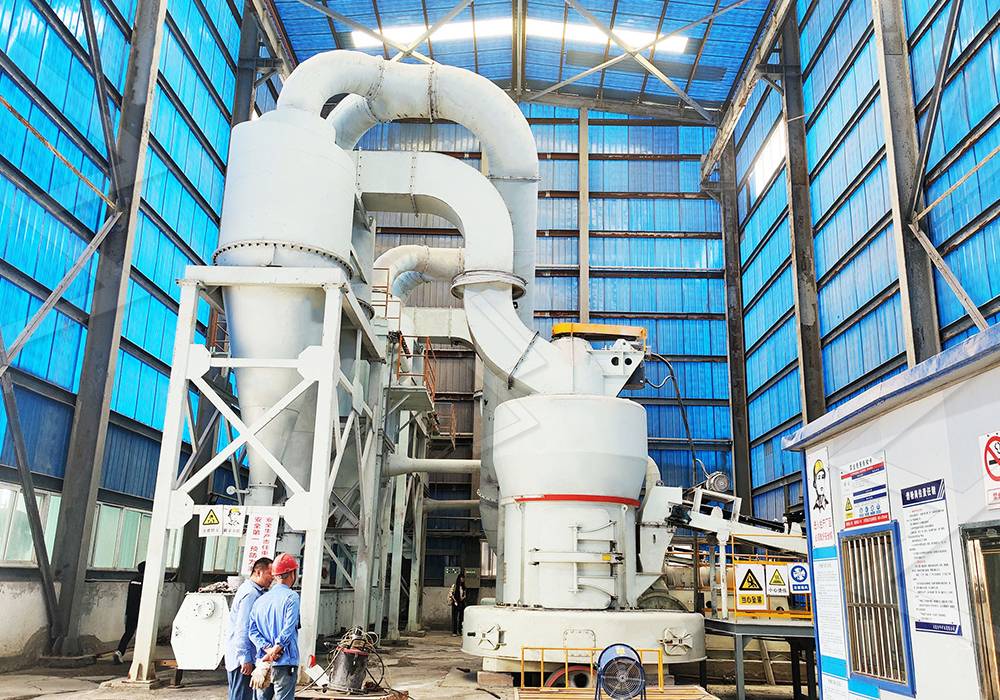
In conclusion, the mica powder manufacturing industry is segmented between those relying on older, cost-driven technologies and those competing on performance, precision, and sustainability. Success belongs to manufacturers who leverage advanced grinding technology—such as the high-yield, eco-friendly MW and LUM series mills—to achieve superior product characteristics, operational reliability, and environmental stewardship. The ability to efficiently and consistently produce ultra-fine, high-purity mica powder will continue to be the defining factor in capturing premium market segments.
Frequently Asked Questions (FAQs)
- What are the most important factors when choosing a mill for ultra-fine mica powder production?
Key factors include the target fineness range (e.g., needing 2500 mesh capability), energy consumption per ton, the precision and flexibility of the powder separator, built-in environmental controls (dust/noise), and the reliability/maintenance design of the grinding mechanism. - How do modern mills like the MW Ultrafine Grinding Mill achieve higher energy efficiency?
They achieve this through optimized grinding curves of rollers and rings, high-efficiency powder selectors that reduce recirculation load, and integrated system design that minimizes air flow resistance and mechanical losses. - Why is the absence of rolling bearings in the grinding chamber a significant advantage?
It removes a major source of mechanical failure and contamination risk. Bearings in the high-dust, high-temperature grinding environment are prone to wear and seal failure, leading to unplanned downtime and potential product contamination. - Can one mill handle both coarse grinding and ultra-fine polishing of mica?
Typically, a multi-stage process is more efficient. A primary crusher or coarse grinder prepares the feedstock, which is then fed to a dedicated ultra-fine mill (like the MW or LUM) for final precision grinding and classification to achieve the desired narrow particle distribution. - What does “d97 ≤5μm” mean in the context of powder fineness?
It is a key particle size distribution metric. It means that 97% of the powder particles (by weight or volume) have a diameter of 5 micrometers or less. This indicates a very fine and consistent product, crucial for high-end applications in cosmetics and paints. - How do integrated mills contribute to better environmental compliance?
They are designed as closed-loop systems with integral pulse jet dust collectors and sound dampening. This contains virtually all particulate matter within the system and significantly reduces operational noise, ensuring compliance with strict workplace and environmental regulations.