
Raymond Mill for Limestone Grinding in Yichun, Jiangxi
We provide a wide range of mills — including Raymond mill, trapezoidal mill, vertical mill, ultrafine mill, and ball mill, obtained ISO9001 international quality certification, EU CE certification, and Customs Union CU-TR certification. Suitable for processing minerals such as limestone, phosphate, quicklime, kaolin, talc, barite, bentonite, calcium carbonate, dolomite, coal, gypsum, clay, carbon black, slag, cement raw materials, cement clinker, and more.
The discharge range of these mills can be adjusted to meet specific processing needs, typically from 80-400 mesh, 600-3250 mesh, and can achieve the finest particle size of up to 6000 mesh(D50).
If you are looking for a reliable grinding solution to turn stone or minerals into fine powder, please feel free to contact our online customer service.
Raymond Mill for Limestone Grinding in Yichun, Jiangxi
The limestone resources in Yichun, Jiangxi Province, are renowned for their high purity and consistent chemical composition, making them a cornerstone of the region’s industrial and construction sectors. Efficiently processing this valuable raw material into fine powders requires grinding equipment that balances high productivity, energy efficiency, and environmental stewardship. For decades, the Raymond Mill has been a trusted workhorse in such applications, and its evolution continues to meet modern production demands.
The Legacy and Evolution of Grinding Technology
Traditional Raymond Mill systems have served the limestone industry well, offering reliable performance for producing powders in the 80-325 mesh range. Their principle of using spring-loaded grinding rollers to crush material against a stationary ring is mechanically simple and robust. In Yichun’s diverse production landscape, from quicklime manufacturing to filler material for plastics and paints, this reliability is paramount.
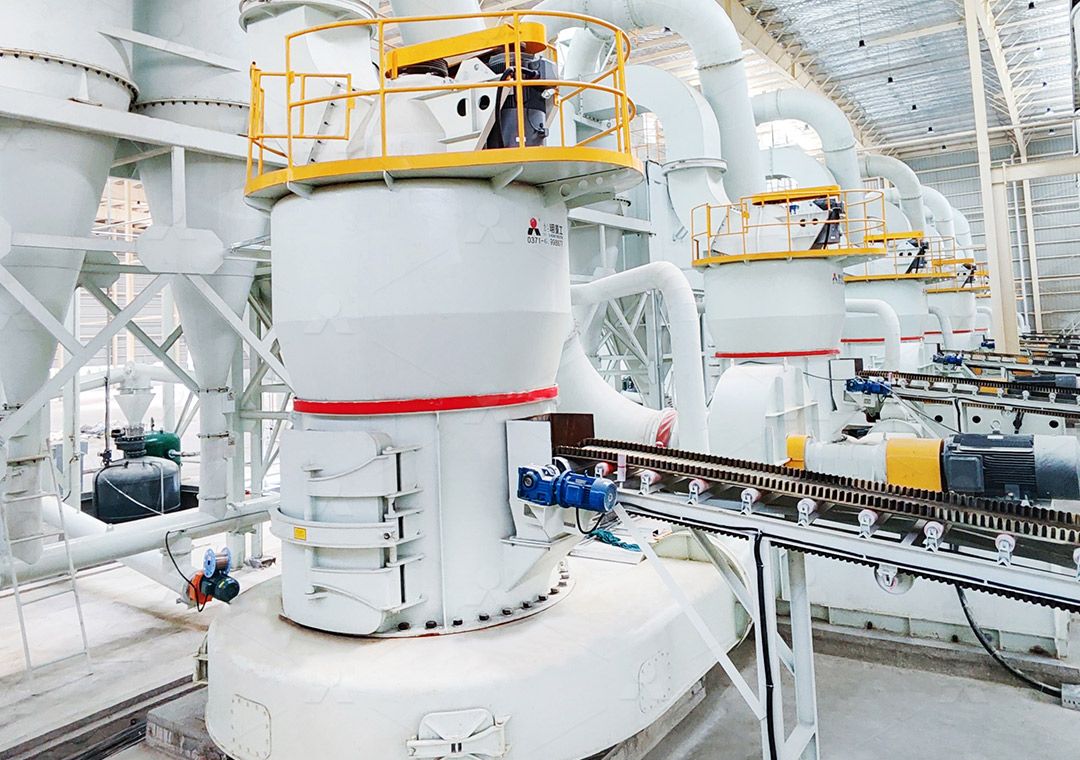
However, the industry’s shift towards higher-value, ultra-fine products (often exceeding 325 mesh) and stricter environmental regulations has driven technological innovation. Modern mills must now deliver superior fineness control, higher throughput per energy unit, and near-zero dust emissions. This is where next-generation grinding solutions differentiate themselves.
Beyond Traditional Milling: Meeting Modern Demands
For operations in Yichun looking to upgrade their limestone processing lines, the key considerations extend beyond mere particle size. Operational stability, maintenance downtime, and the final product’s whiteness and purity are critical for competitive advantage. Advanced mill designs address these by integrating features like:
- Precision Classifiers: Advanced cage-type or turbine separators allow for precise cut-point control, enabling the production of consistent, narrowly graded powders.
- Eco-Friendly Systems: Integrated pulse-jet dust collectors and silencers ensure the entire grinding process complies with national environmental standards, a crucial factor for sustainable operation.
- Enhanced Durability: Innovations like external lubrication systems and the elimination of internal screws and bearings in the grinding chamber significantly reduce failure points and enable easier, safer maintenance.
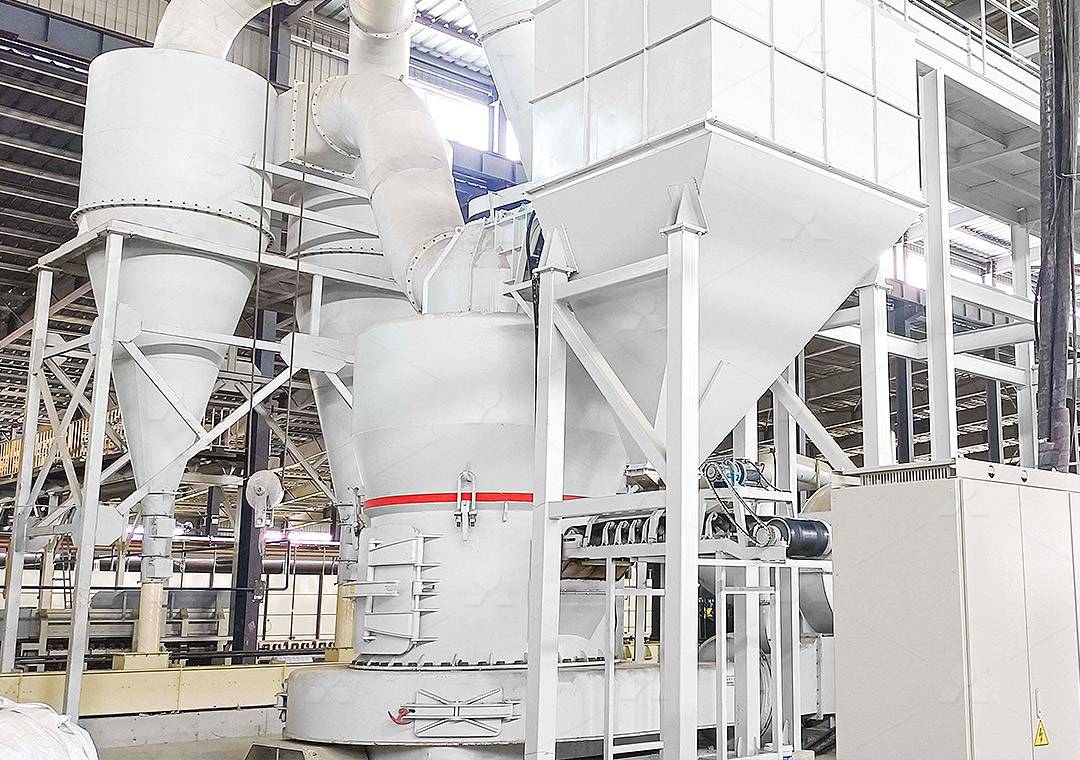
Recommended Solution for High-Value Limestone Powder
For producers in Yichun targeting the ultra-fine powder market (325-2500 meshes) with limestone, calcite, or dolomite, the MW Ultrafine Grinding Mill presents an optimal solution. This mill is engineered specifically for customers requiring ultra-fine powders with exceptional environmental performance.
Its design features a German-technology cage-type powder selector, enabling precise fineness adjustment between 325 and 2500 meshes, with a high screening rate capable of achieving d97≤5μm in a single pass. The grinding chamber’s innovative design eliminates rolling bearings and screws internally, removing common causes of mechanical failure and allowing for external lubrication without shutdown. Crucially, the system is equipped with an efficient pulse dust collector and muffler, ensuring dust and noise pollution are effectively controlled, making the entire production process clean and compliant.
With an input size of 0-20 mm and a capacity range of 0.5-25 tph, the MW Mill offers higher yield and lower energy consumption—reportedly 40% higher output than jet mills at the same power and double that of a ball mill, while using only 30% of the energy of a jet mill.
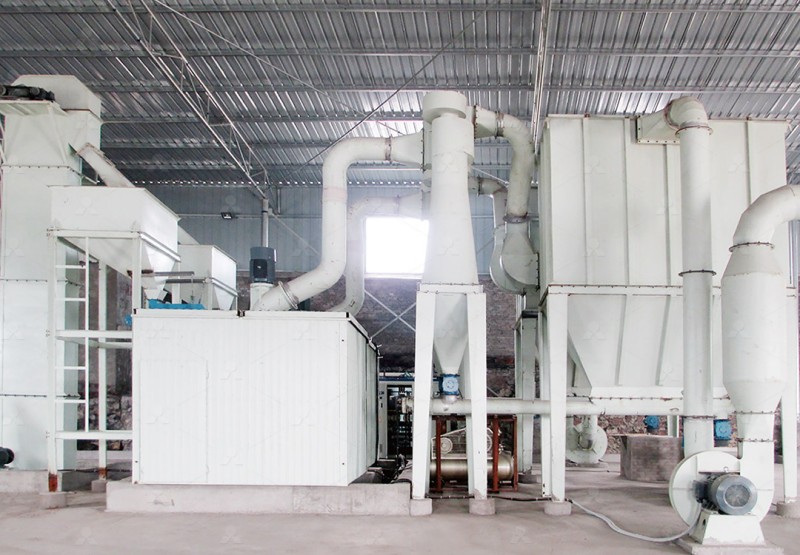
Considering Higher Capacity and Vertical Integration
For larger-scale operations or those seeking an integrated crushing, drying, grinding, and classifying system, the LUM Ultrafine Vertical Grinding Mill is another formidable choice. Independently designed with the latest grinding roller and powder separating technology, it excels in efficiency and product quality. Its unique roller shell and lining plate curve promote stable material bed formation, enabling high rates of finished product in a single pass, which enhances whiteness and cleanliness. The reversible structure of the grinding roller, facilitated by a hydraulic system, allows for easy maintenance and part replacement, minimizing operational downtime. With an input size of 0-10 mm and capacity of 5-18 tph, it represents a high-efficiency, vertically integrated grinding platform.
Conclusion: Strategic Investment for Yichun’s Limestone Future
The choice of grinding equipment in Yichun’s limestone industry is a strategic decision that impacts product quality, operational cost, and environmental footprint. While the classic Raymond Mill remains viable for standard applications, transitioning to advanced mills like the MW Ultrafine Grinding Mill or the LUM Vertical Mill unlocks the potential for higher-value products, significant energy savings, and truly sustainable production. By investing in such technology, producers can ensure they remain at the forefront of Jiangxi’s mineral processing sector, meeting the sophisticated demands of both domestic and international markets.
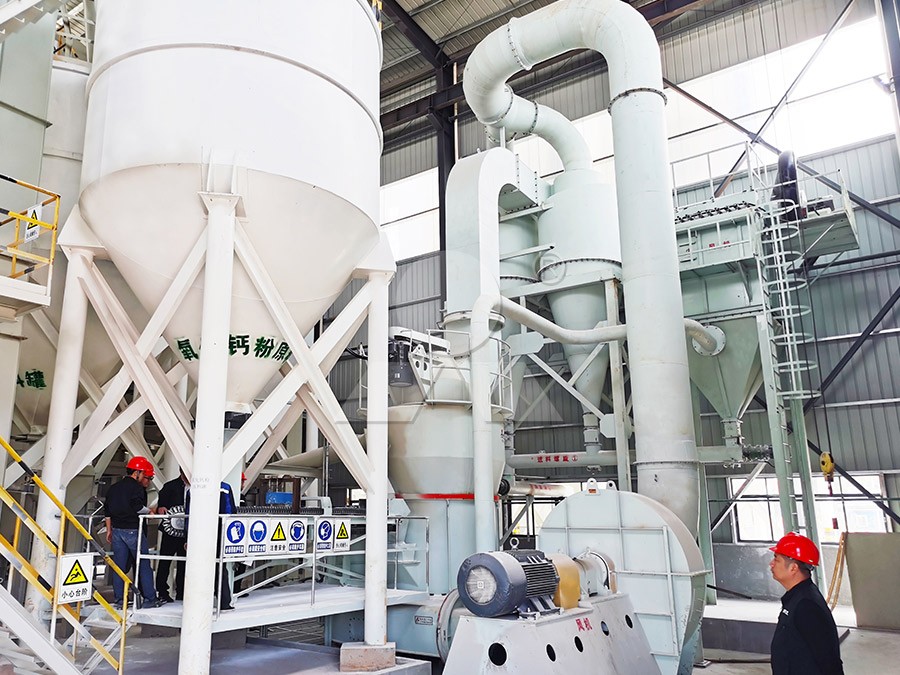
Frequently Asked Questions (FAQ)
- What is the primary advantage of an MW Ultrafine Grinding Mill over a traditional Raymond Mill for limestone?
The MW Mill is specifically designed for ultra-fine powder production (up to 2500 mesh) with superior precision classification and higher energy efficiency. It also features a more environmentally sealed system with advanced dust control, whereas traditional Raymond Mills are typically optimized for coarser grinds (up to 325 mesh). - Can the MW Mill handle moist limestone feedstock?
The MW Ultrafine Grinding Mill is primarily designed for grinding dry materials. For limestone with significant moisture, a pre-drying stage or a system like the LUM Vertical Mill, which integrates drying and grinding capabilities, would be more suitable. - How does the absence of rolling bearings in the grinding chamber benefit operations?
This design eliminates a major potential failure point. It prevents bearing seizure or seal damage due to powder ingress, drastically reduces maintenance needs, and allows for external lubrication while the mill is running, enabling continuous 24/7 operation. - What determines the choice between the MW Mill and the LUM Vertical Mill?
The choice depends on production goals. The MW Mill is ideal for dedicated, high-precision ultra-fine powder production. The LUM Vertical Mill is better for larger capacities where integrated drying and grinding are needed, and where easier maintenance access for heavy rollers is a priority. - Are spare parts readily available for these advanced mills?
Yes. As with all our equipment, we take full responsibility for the machines we produce. We provide comprehensive technical support and guarantee the supply of original spare parts to ensure worry-free, long-term operation of both the MW and LUM mills. - How significant are the noise reduction features in these mills?
Both mills are designed with operator and environmental health in mind. They are equipped with mufflers and, in some configurations, noise elimination rooms, ensuring that operational noise is kept well within regulated limits, creating a better workplace.