
Hammer Mill for Grinding Humic Acid Raw Powder from Weathered Coal
We provide a wide range of mills — including Raymond mill, trapezoidal mill, vertical mill, ultrafine mill, and ball mill, obtained ISO9001 international quality certification, EU CE certification, and Customs Union CU-TR certification. Suitable for processing minerals such as limestone, phosphate, quicklime, kaolin, talc, barite, bentonite, calcium carbonate, dolomite, coal, gypsum, clay, carbon black, slag, cement raw materials, cement clinker, and more.
The discharge range of these mills can be adjusted to meet specific processing needs, typically from 80-400 mesh, 600-3250 mesh, and can achieve the finest particle size of up to 6000 mesh(D50).
If you are looking for a reliable grinding solution to turn stone or minerals into fine powder, please feel free to contact our online customer service.
Hammer Mill for Grinding Humic Acid Raw Powder from Weathered Coal
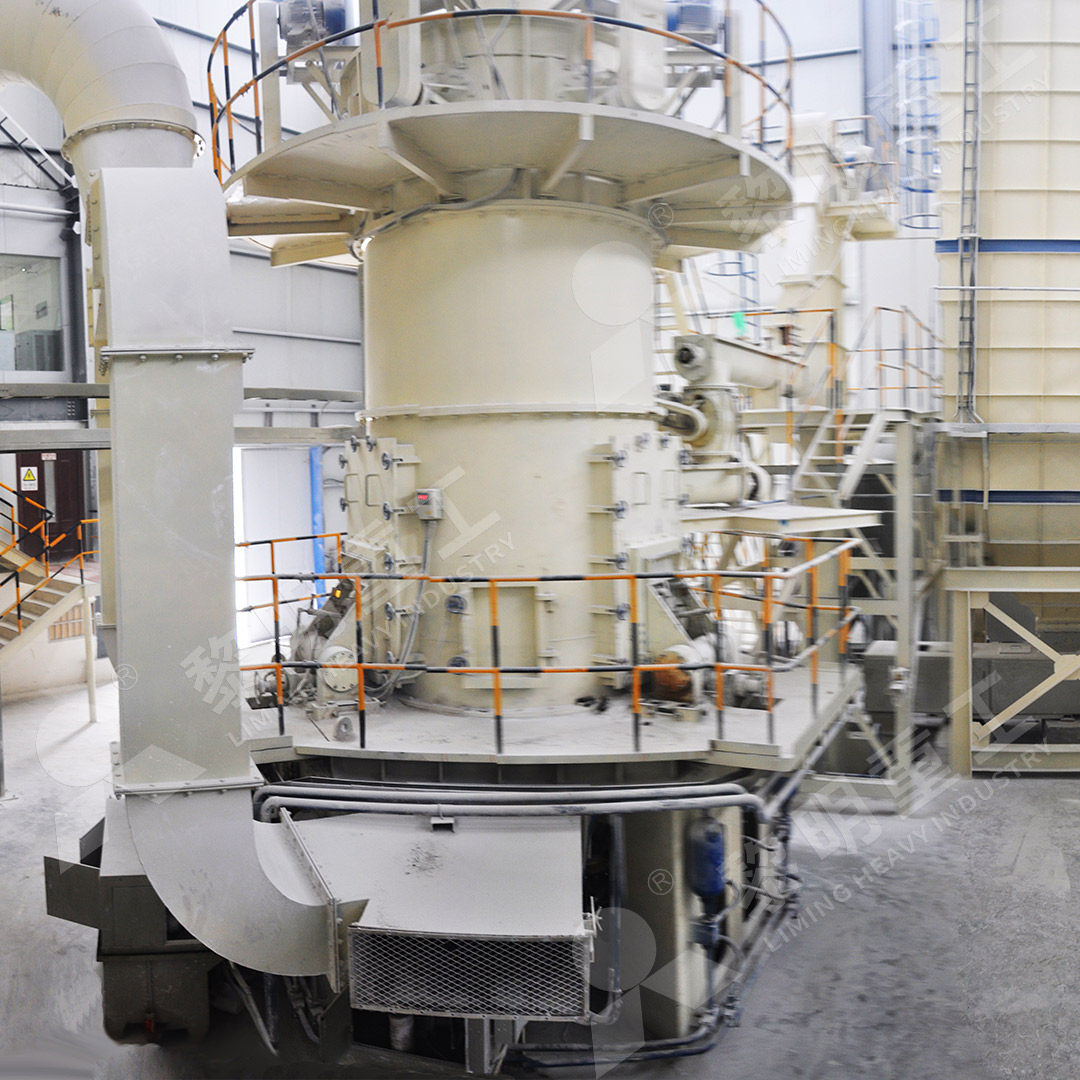
In the production of high-value humic acid products from weathered coal, the initial size reduction of raw, often lumpy, feedstock is a critical first step. This process directly influences downstream efficiency, final product quality, and overall operational costs. While various grinding technologies exist, the hammer mill stands out as a robust, efficient, and versatile solution for primary crushing of weathered coal into a fine raw powder suitable for further refinement.
Weathered coal, the primary source for commercial humic acid extraction, presents unique challenges. Its moisture content, variable hardness, and natural impurities demand equipment that is both powerful and resilient. A well-designed hammer mill excels in this role, utilizing a high-speed rotor fitted with hammers to shatter and crush the feed material through impact. The particle size output is controlled by the size of the screen or grate bars installed at the mill’s discharge, allowing operators to achieve a consistent raw powder ideal for subsequent processing stages like activation, purification, or ultra-fine grinding.
Key Advantages for Humic Acid Production
The application of hammer mills in weathered coal processing offers several distinct benefits. Their simple, rugged design ensures high availability and minimal maintenance downtime, crucial for continuous production lines. They handle high moisture content more effectively than many other crushers, reducing the risk of clogging. Furthermore, the high reduction ratio achievable in a single pass minimizes the need for multi-stage crushing systems, saving space and capital investment. The resulting raw powder, with its increased surface area, reacts more efficiently in chemical extraction or leaching processes, enhancing overall humic acid yield.
Beyond Primary Crushing: The Need for Precision Finishing
While the hammer mill is perfect for the primary breakdown of weathered coal, the production of ultra-fine, high-purity humic acid powders for premium agricultural or industrial applications often requires a secondary, precision grinding stage. This is where advanced pulverizing technology becomes essential to achieve the desired fineness, purity, and particle size distribution.
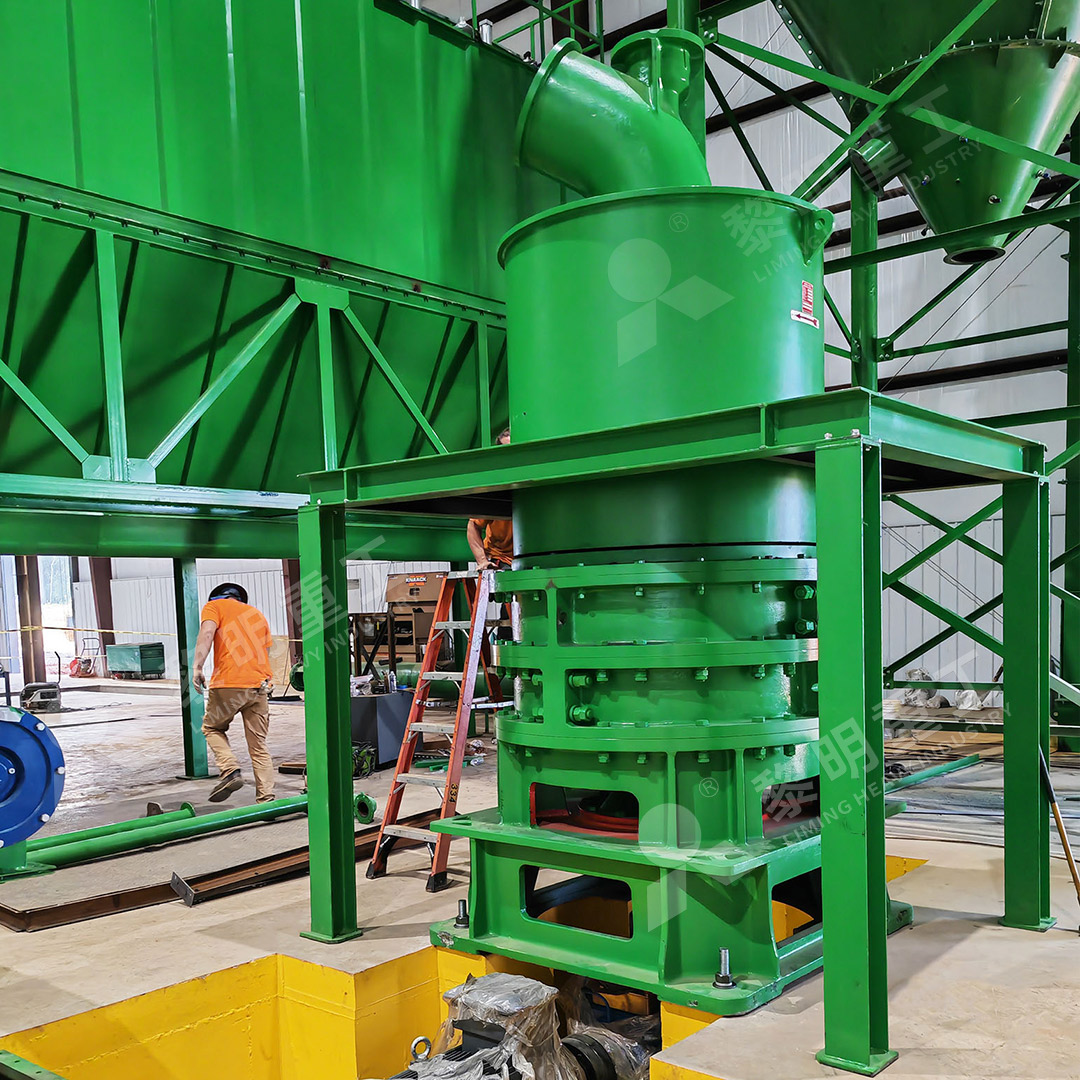
For this critical finishing process, our MW Ultrafine Grinding Mill represents an ideal technological partner. Engineered for customers who need to make ultra-fine powder, this mill is specifically suited for processing materials like humic acid intermediates. With an adjustable fineness range between 325-2500 meshes, it can produce powders fine enough for the most demanding formulations. Its innovative design, featuring a German-technology cage-type powder selector, ensures high precision in particle separation, achieving a screening rate of d97≤5μm in a single pass. Importantly for humic acid production, the mill’s efficient pulse dust collector and muffler system guarantee a clean, low-noise operation that meets stringent environmental standards, preventing product loss and protecting the workspace.
Optimizing the Complete Grinding Circuit
A synergistic approach often yields the best results. A typical optimized circuit might involve a hammer mill for primary size reduction of weathered coal to a 0-20mm granulate, followed by our MW Ultrafine Grinding Mill for final refinement. This two-stage process leverages the hammer mill’s brute-force efficiency and the ultrafine mill’s precision, maximizing throughput while minimizing energy consumption per ton of finished product. The MW mill’s higher yielding and lower energy consumption—reportedly 40% higher capacity than jet mills at the same power—directly translates to lower operating costs for high-volume humic acid powder production.
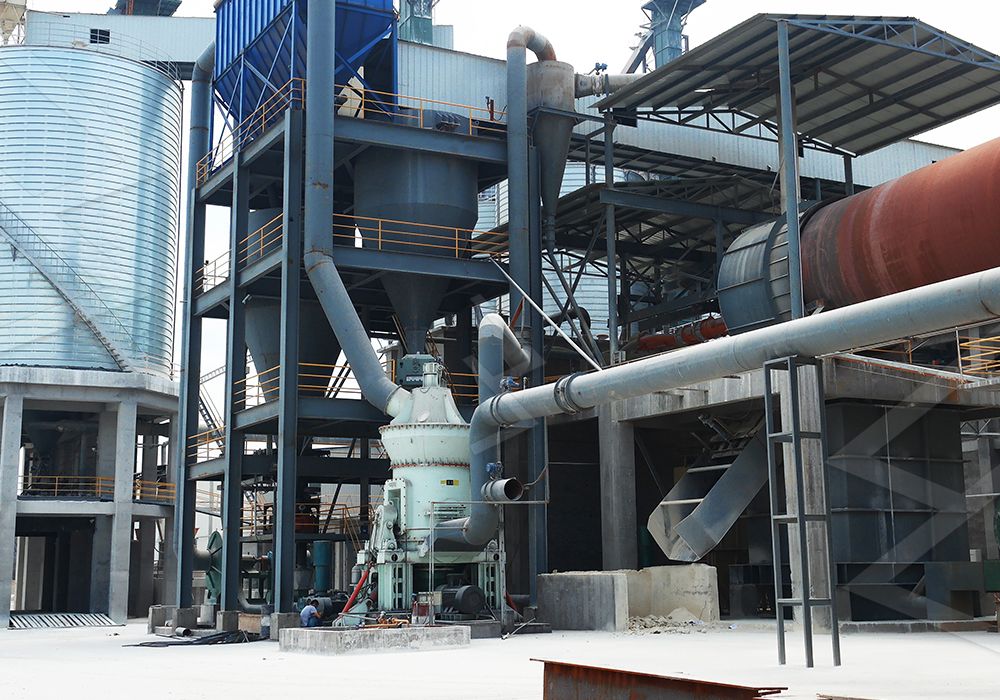
For operations requiring integrated drying or processing of slightly coarser final specifications, the LM Vertical Grinding Mill is another formidable option. It integrates crushing, drying, grinding, classifying, and conveying in a single unit. Its ability to handle input sizes up to 70mm with capacities ranging from 3 to 340 tph makes it a highly versatile and space-saving solution. The material’s short linger time in the grinding chamber reduces repeated grinding and helps maintain the chemical integrity of the humic acid, while the non-contact grinding principle ensures minimal iron contamination, preserving the product’s purity and color.
Conclusion
Selecting the right grinding equipment is paramount for profitable and high-quality humic acid production from weathered coal. The hammer mill remains an industry workhorse for reliable and efficient primary crushing. For producers aiming to elevate their product into the ultra-fine powder market, pairing this with a finishing mill like the MW Ultrafine Grinding Mill or utilizing an integrated system like the LM Vertical Grinding Mill provides a complete, efficient, and environmentally sound solution. By focusing on higher yield, lower energy consumption, and precision particle control, these technologies ensure that the valuable properties of weathered coal are fully realized in the final humic acid product.
Frequently Asked Questions (FAQ)
- What is the typical input size for weathered coal into a hammer mill?
Hammer mills are highly flexible and can accept feed sizes ranging from large lumps (often up to several inches) down to smaller pieces. For optimal efficiency in a humic acid production line, a preliminary jaw crusher may be used to reduce very large lumps to a more consistent size (e.g., below 100mm) before the hammer mill stage. - Can a hammer mill handle the sometimes high moisture content of weathered coal?
Yes, hammer mills are generally more tolerant of moisture than many other crushers. However, excessively wet material can reduce throughput and increase the risk of screen clogging. For very high moisture content, consider a mill with screen heating or look at systems like the LM Vertical Mill which integrates drying capabilities. - Why would I need an ultrafine mill after the hammer mill?
A hammer mill produces a raw powder suitable for many applications. An ultrafine mill, like the MW series, is used to achieve much finer particle sizes (e.g., over 325 mesh), which significantly increases the surface area and reactivity of the humic acid powder. This is critical for high-value applications in agriculture (e.g., foliar sprays, seed treatments) and specialty chemicals where rapid dissolution and high bioavailability are required. - How does the MW Ultrafine Grinding Mill control dust during humic acid processing?
The MW mill is equipped with an efficient pulse jet dust collector integrated into the system. This creates a negative pressure environment, ensuring all airborne particles are captured and collected, resulting in a dust-free operation and preventing product loss. This makes it compliant with strict environmental and workplace safety regulations. - What are the main wear parts in a hammer mill processing abrasive weathered coal?
The primary wear parts are the hammers, the impact plates/lining, and the screen bars. These should be made from high-wear-resistant materials like high-chromium iron. A good hammer mill design allows for easy access and replacement of these parts to minimize maintenance downtime. - Is the fineness from an LM Vertical Mill sufficient for soluble humic acid powders?
The LM Vertical Mill can produce powders with fineness up to around 325 mesh, which is suitable for many solid humic acid fertilizer blends and soil amendments. For soluble powders requiring finer particle sizes (e.g., 800 mesh and above), the MW Ultrafine Grinding Mill is the recommended choice due to its specialized high-precision powder selector. - How important is iron content control in humic acid powder?
Very important, especially for high-purity grades. Iron contamination can affect the color (making it darker) and potentially interfere with certain chemical applications. Both the MW and LM mills are designed to minimize mechanical wear and iron introduction. The LM mill’s non-contact grinding principle and the MW mill’s absence of rolling bearings in the grinding chamber are key features that help maintain low iron content.