
Molybdenum Ore Powder Grinding Mill: Types and Selection Guide
We provide a wide range of mills — including Raymond mill, trapezoidal mill, vertical mill, ultrafine mill, and ball mill, obtained ISO9001 international quality certification, EU CE certification, and Customs Union CU-TR certification. Suitable for processing minerals such as limestone, phosphate, quicklime, kaolin, talc, barite, bentonite, calcium carbonate, dolomite, coal, gypsum, clay, carbon black, slag, cement raw materials, cement clinker, and more.
The discharge range of these mills can be adjusted to meet specific processing needs, typically from 80-400 mesh, 600-3250 mesh, and can achieve the finest particle size of up to 6000 mesh(D50).
If you are looking for a reliable grinding solution to turn stone or minerals into fine powder, please feel free to contact our online customer service.
Molybdenum Ore Powder Grinding Mill: Types and Selection Guide
Molybdenum, a critical refractory metal with high strength and corrosion resistance, is essential in steel alloys, chemicals, and electronics. Processing molybdenum ore into fine powder is a pivotal step to unlock its value. Selecting the right grinding mill is not merely an equipment choice; it’s a strategic decision impacting product quality, operational cost, and overall plant efficiency. This guide explores the primary mill types suitable for molybdenum ore and provides a framework for informed selection.
Key Considerations for Mill Selection
Before diving into specific mill types, understanding your project’s core parameters is crucial. The grindability of your specific molybdenum ore (often influenced by hardness and silica content), the required final product fineness (commonly ranging from 100 to 2500 mesh for various applications), and the targeted production capacity form the non-negotiable foundation. Energy consumption, operational footprint, maintenance complexity, and environmental compliance (dust and noise) are the critical economic and operational filters that will narrow down your options.
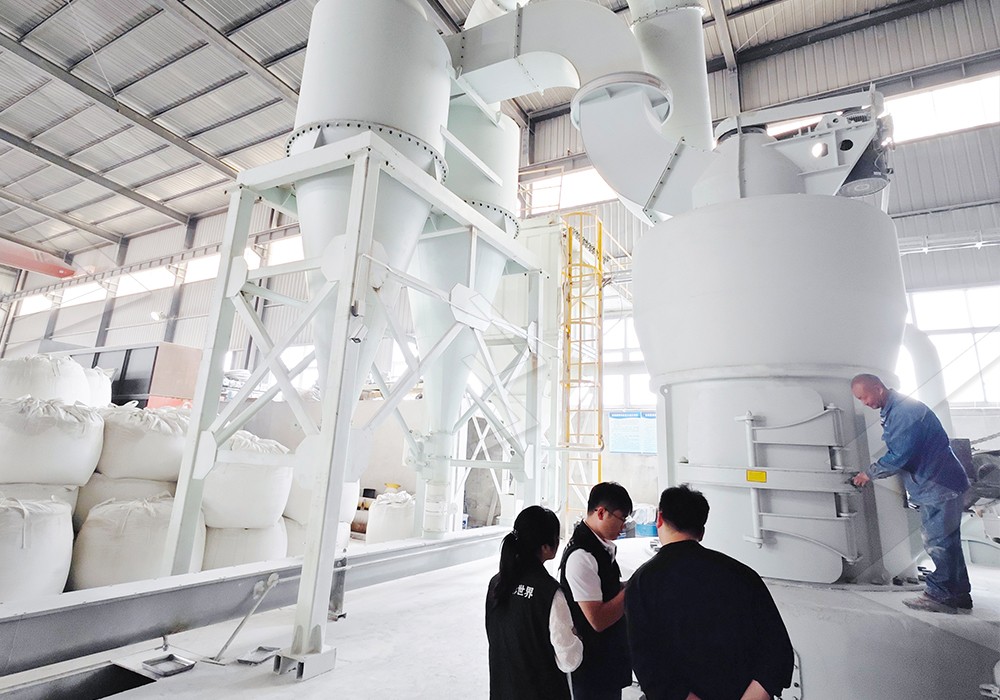
Common Grinding Mill Types for Molybdenum
The industry employs several mill designs, each with distinct advantages for different stages of size reduction.
1. Raymond Mill (Traditional Choice)
A long-standing workhorse for medium-fine grinding. It operates by grinding material between rotating rollers and a stationary ring. It’s known for its simple structure, reliable operation, and relatively low investment cost. However, for ultra-fine grinding requirements or higher capacity demands, its efficiency and fineness range may be limiting.
2. Ball Mill (Versatile Grinder)
Extremely versatile, ball mills grind ore using impact and attrition as the chamber rotates, filled with grinding media (steel balls). They are excellent for both wet and dry grinding and can handle a wide feed size range. The primary drawbacks are higher energy consumption, significant heat generation, and potential for iron contamination from media wear, which can be a concern for high-purity molybdenum products.
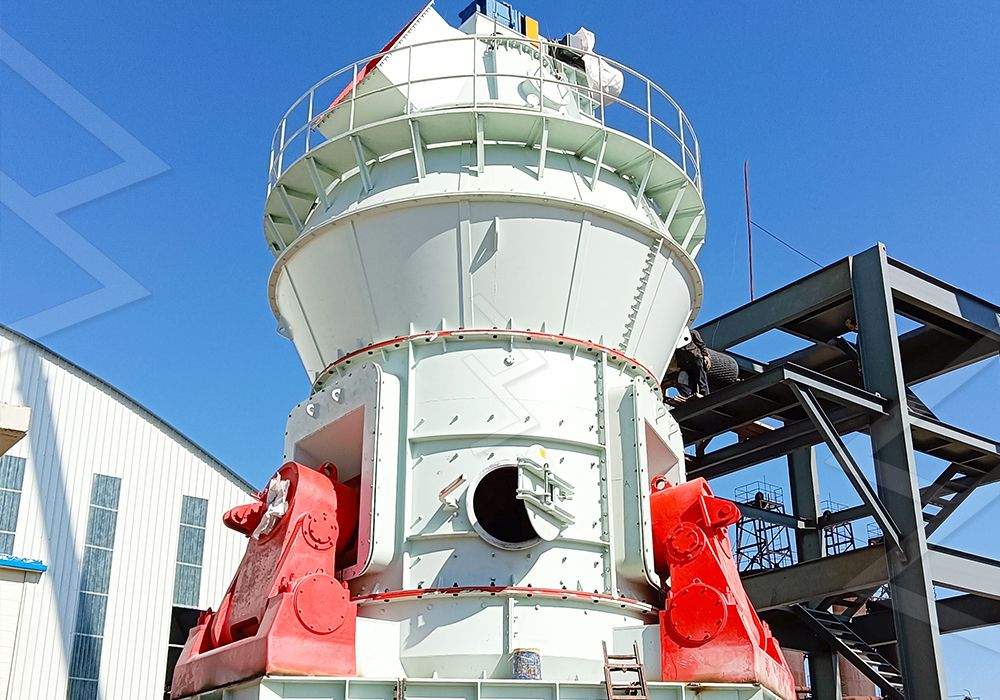
3. Vertical Roller Mill (VRM) – The Modern Efficiency Leader
This design represents a significant technological leap. Material is ground between a rotating table and hydraulically loaded rollers. VRMs integrate drying, grinding, classification, and conveying in a single unit. Their standout advantages are exceptional energy efficiency (30-50% less than ball mills), compact footprint, excellent drying capability for moist feed, and lower noise levels. They are ideal for large-scale production.
4. European Trapezium Mill (Enhanced Raymond Design)
An evolution of the traditional Raymond mill, featuring improvements like curved air ducts, bevel gear overall drive, and more efficient powder separators. Models like the MTW Series offer better energy efficiency, higher capacity, and more stable operation than basic Raymond mills, making them a strong candidate for fine grinding of non-metallic minerals and medium-hardness ores like molybdenum.
Focus on Ultra-Fine Grinding: The MW Ultrafine Grinding Mill
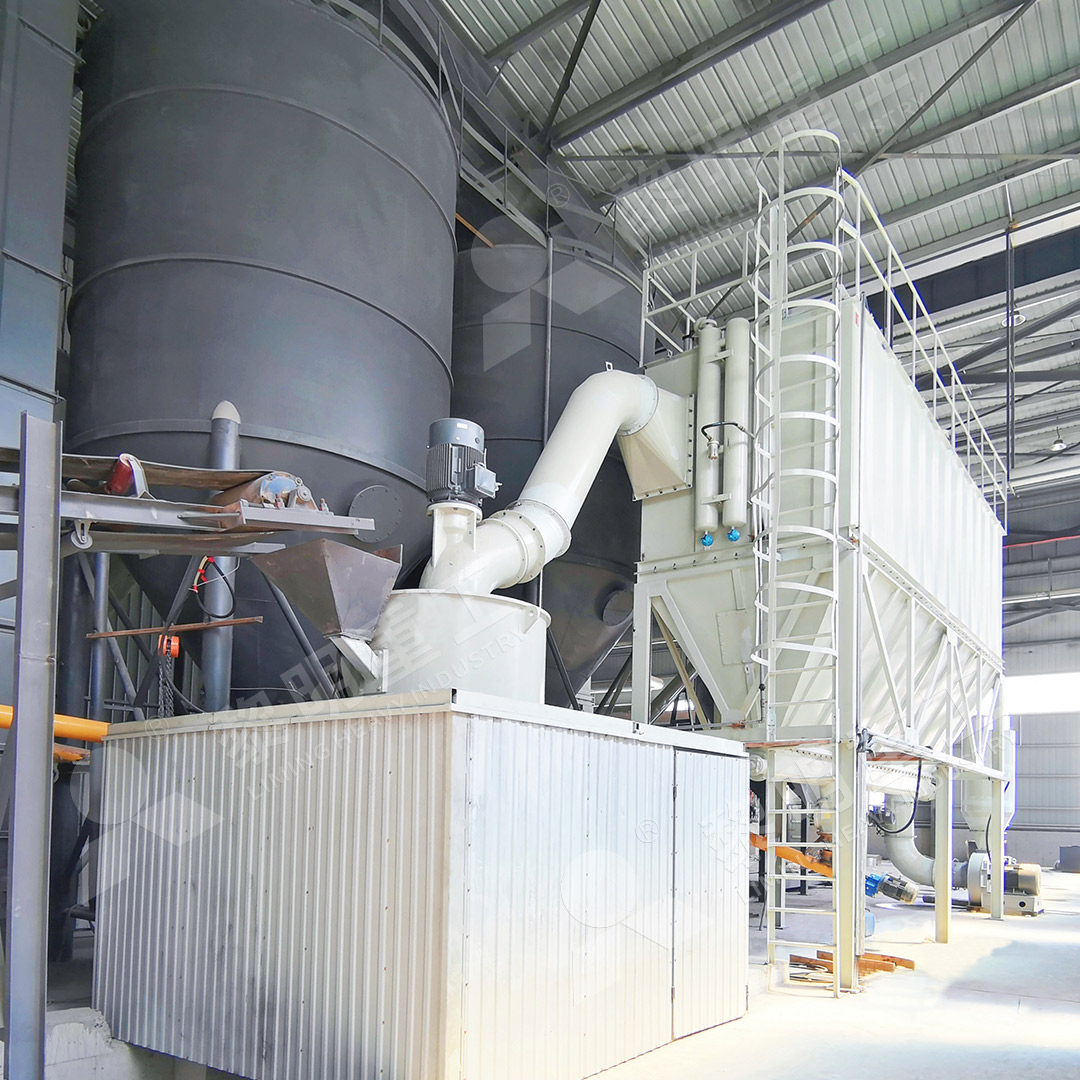
For applications demanding ultra-fine molybdenum powder (325-2500 mesh), specialized equipment is required. Here, the MW Ultrafine Grinding Mill stands out. Engineered for customers needing to produce ultra-fine powder, this mill addresses the core challenges of fine grinding.
Its design incorporates a German-technology cage-type powder selector, allowing precise fineness adjustment between 325 and 2500 meshes with a high screening rate (d97≤5μm). A key reliability feature is the absence of rolling bearings and screws in the grinding chamber, eliminating common failure points. Furthermore, it is equipped with an efficient pulse dust collector and muffler, ensuring the production process is environmentally friendly with minimal dust and noise pollution. With an input size of 0-20 mm and a capacity range of 0.5-25 tph, the MW series provides a robust solution for high-value, ultra-fine molybdenum powder production.
Selection Guide: Matching the Mill to Your Need
- For coarse to medium grinding & limited budget: Consider Raymond or Ball Mills.
- For large-scale production with high energy efficiency & drying needs: A Vertical Roller Mill (like the LM Vertical Grinding Mill) is optimal. The LM series integrates multiple processes, reduces energy use by 30-40%, and handles input sizes up to 70mm with capacities from 3-340 tph, making it superb for primary grinding circuits.
- For high-quality fine powder with balanced performance: An MTW European Trapezium Mill offers a great middle ground.
- For specialized ultra-fine powder (above 325 mesh): The MW Ultrafine Grinding Mill is specifically designed for this challenging task, offering precision, reliability, and environmental compliance.
Ultimately, partnering with a manufacturer that provides comprehensive technical support and genuine spare parts is as important as the machine itself. A mill is a long-term investment, and its lifecycle cost depends heavily on sustained performance and service.
Frequently Asked Questions (FAQ)
- What is the primary advantage of a Vertical Roller Mill over a Ball Mill for molybdenum ore?
The primary advantages are significantly lower energy consumption (30-50% savings), a much smaller physical footprint, integrated drying capability, and lower iron contamination risk, leading to lower operating costs per ton. - How fine can molybdenum ore typically be ground, and which mill is suitable?
Molybdenum ore can be ground to ultra-fine levels exceeding 2500 mesh for specialized applications. For fineness between 325-2500 meshes, an ultrafine grinding mill like the MW Series, with its advanced cage-type powder selector, is the appropriate choice. - Why is iron contamination a concern in molybdenum grinding, and how is it mitigated?
Iron contamination can degrade the purity and performance of molybdenum powder, especially in chemical or electronic applications. Mills that minimize metal-to-metal wear (like VRMs) or use specialized linings, and those without internal bearings/screws in the grinding zone (like the MW Mill), effectively mitigate this risk. - Can grinding mills handle moist molybdenum concentrate?
Yes, but the mill must have integrated drying capability. Vertical Roller Mills (LM Series) and some advanced trapezium mills are designed to use hot air introduced into the grinding chamber to dry and grind the material simultaneously. - What are the key maintenance points to ensure long mill life?
Regular inspection and replacement of wear parts (rollers, rings, liners), monitoring of lubrication systems, ensuring proper operation of classifiers/dust collectors, and checking for abnormal vibration or noise are essential. Choosing a mill with accessible design (e.g., reversible rollers) greatly simplifies maintenance.