
Small Scale Ore Grinding Equipment for Efficient Mineral Processing
We provide a wide range of mills — including Raymond mill, trapezoidal mill, vertical mill, ultrafine mill, and ball mill, obtained ISO9001 international quality certification, EU CE certification, and Customs Union CU-TR certification. Suitable for processing minerals such as limestone, phosphate, quicklime, kaolin, talc, barite, bentonite, calcium carbonate, dolomite, coal, gypsum, clay, carbon black, slag, cement raw materials, cement clinker, and more.
The discharge range of these mills can be adjusted to meet specific processing needs, typically from 80-400 mesh, 600-3250 mesh, and can achieve the finest particle size of up to 6000 mesh(D50).
If you are looking for a reliable grinding solution to turn stone or minerals into fine powder, please feel free to contact our online customer service.
Small Scale Ore Grinding Equipment for Efficient Mineral Processing
In the dynamic landscape of mineral processing, small-scale operations face unique challenges. Balancing the need for high recovery rates, consistent product fineness, and operational profitability within a compact footprint requires specialized equipment. The cornerstone of this efficiency lies in selecting the right grinding mill—a decision that directly impacts throughput, energy consumption, and final product quality.
Traditional grinding solutions, such as basic ball mills, often fall short in modern applications. They can be energy-intensive, offer limited control over particle size distribution, and may introduce unwanted contaminants. Today’s processors demand smarter, more adaptable technology that delivers precision, reliability, and environmental stewardship from the first day of operation.
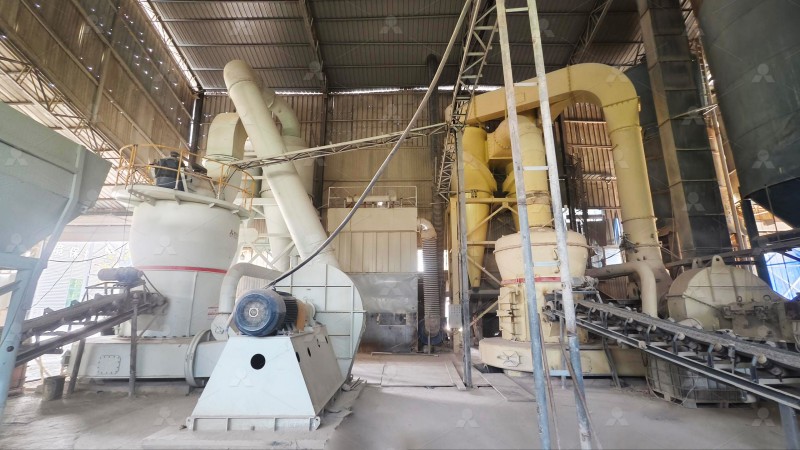
The Evolution of Precision in Compact Grinding
The shift is towards intelligent, vertically-integrated systems. Modern small-scale mills are not merely crushers; they are integrated processing hubs that combine drying, grinding, classification, and conveying into a single, streamlined unit. This integration drastically reduces the physical footprint—often by 50% compared to traditional ball mill circuits—while minimizing points of potential dust emission and material loss.
A key advancement is in particle size control. The ability to precisely and quickly adjust product fineness to meet specific market or downstream processing requirements is paramount. This is where advanced separator technology comes into play. Modern classifiers, often with multi-head or cage-type designs, allow for real-time adjustments, enabling a single mill to produce a range of products from coarse granules to ultra-fine powders exceeding 2500 meshes, all with high screening efficiency.
Core Considerations for Equipment Selection
When evaluating small-scale grinding equipment, several critical factors must be prioritized:
- Energy Efficiency: Look for designs that reduce specific energy consumption (kWh/ton) through optimized grinding mechanics and reduced system resistance.
- Wear Part Longevity & Maintenance: Equipment with easily accessible, reversible, or split-structure wear parts minimizes downtime. Designs that eliminate internal screws and critical bearings from the grinding zone prevent catastrophic failures.
- Environmental Compliance: Integrated pulse-jet dust collectors and sound-dampening technologies are no longer optional. They ensure clean, quiet operation that meets stringent regulatory standards.
- Automation & Control: Digital control systems allow for precise management of grinding pressure, feed rate, and classifier speed, ensuring consistent output and simplifying operation.
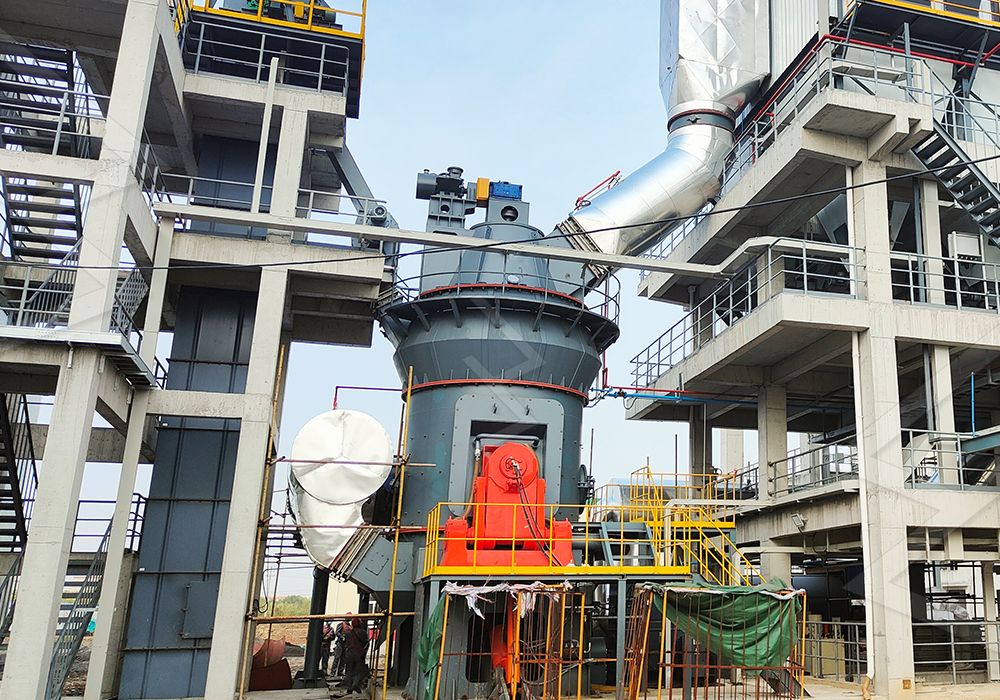
Engineered Solutions for Demanding Applications
For operations requiring the production of ultra-fine powders from materials like limestone, calcite, talc, or barite, a specialized approach is needed. The challenge is achieving micron-level fineness without excessive energy use or heat generation, which can degrade sensitive materials.
In this realm, the MW Ultrafine Grinding Mill stands out as a purpose-built solution. Engineered for customers who need to make ultra-fine powder, this mill addresses the core challenges head-on. It features a German-technology cage-type powder selector that allows precise fineness adjustment between 325 and 2500 meshes, achieving a d97 ≤5μm in a single pass. Its innovative design excludes rolling bearings and screws from the grinding chamber entirely, eliminating common failure points and concerns about loose components causing damage. Furthermore, its higher yielding, lower energy consumption design offers production capacity up to 25 tph while using significantly less power than jet or stirred mills. The integrated efficient pulse dust collector and muffler ensure the entire production process is contained and environmentally sound.
For projects demanding exceptional stability and easier maintenance in a vertical configuration, the LUM Ultrafine Vertical Grinding Mill presents a compelling option. It incorporates the latest grinding roller and powder separating technologies to deliver higher yielding rates and better product quality. Its unique double position-limiting technology protects the mill from destructive vibration, while a reversible structure allows the heavy grinding rollers to be easily moved out of the body for inspection and maintenance, drastically reducing service time and associated losses.
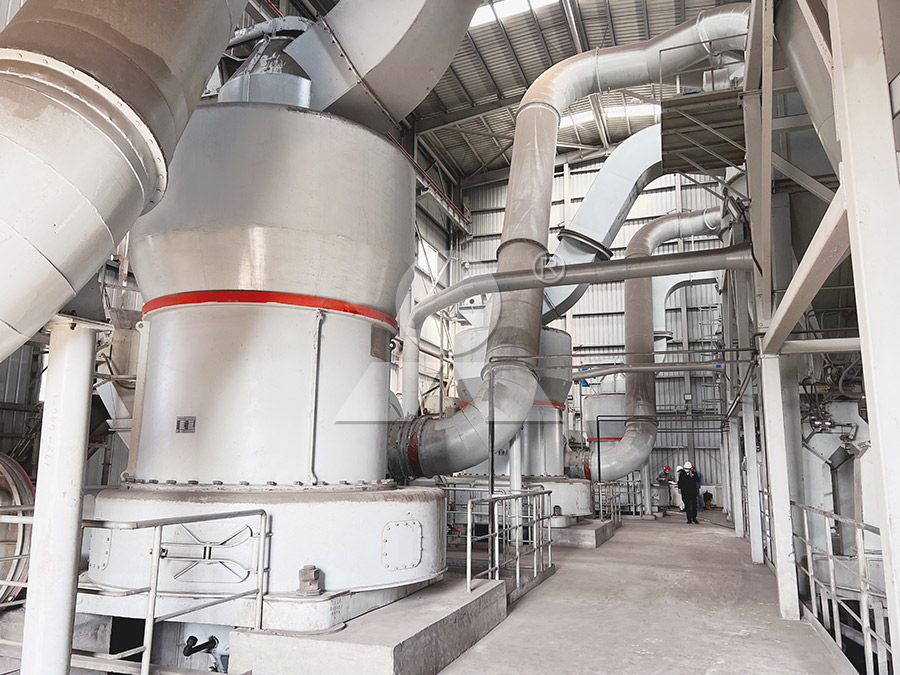
The Path to Sustainable, Profitable Processing
Investing in advanced small-scale grinding technology is an investment in long-term operational resilience. The right equipment reduces per-ton processing costs, enhances product value through superior quality, and future-proofs the operation against evolving environmental regulations. By focusing on integrated, intelligent, and robust mill designs, small and medium-scale mineral processors can achieve a level of efficiency and control once reserved for large-scale plants, unlocking new opportunities in niche and high-value markets.
The future of small-scale mineral processing is precise, connected, and sustainable. It is built on grinding platforms that do more with less—less energy, less space, less waste, and less unscheduled downtime—turning raw ore into premium product with remarkable efficiency.
Frequently Asked Questions (FAQ)
- What is the main advantage of a vertical grinding mill over a traditional ball mill for small-scale operations?
Vertical mills integrate multiple processes (drying, grinding, separating) into a single, compact unit, reducing footprint by up to 50% and energy consumption by 30-50%. They also offer better control over particle size and typically have lower wear rates on grinding elements. - How important is the powder separator/classifier in a grinding system?
It is critical. The classifier determines the final product fineness and directly impacts system efficiency. Advanced classifiers, like cage-type or multi-head designs, provide precise particle size cuts, improve yield by ensuring only properly sized material leaves the mill, and allow for quick changes to product specification. - Can these mills handle hard or abrasive ores?
Yes, but configuration is key. Mills like the MW and LUM series are suitable for medium-hardness minerals (Mohs hardness under 7). For highly abrasive materials, the selection of wear-resistant alloys for grinding rollers and tables is essential, and maintenance intervals should be planned accordingly. Always consult the manufacturer for specific material testing. - What does “no rolling bearing in the grinding chamber” mean, and why is it beneficial?
This design feature, as seen in the MW Ultrafine Mill, places critical bearings outside the high-dust, high-wear environment of the grinding zone. This virtually eliminates the risk of bearing failure due to dust ingress or contamination, greatly enhancing reliability and reducing a major maintenance concern. - How is dust control managed in modern small-scale mills?
Modern systems are fully enclosed and operate under negative pressure. They are equipped with high-efficiency pulse-jet baghouse dust collectors integrated into the mill design. This captures dust at the source, ensuring a clean working environment and allowing the operation to meet strict air quality standards. - What level of automation can be expected?
Most advanced mills feature PLC-based control systems that allow for remote monitoring and adjustment of key parameters like feed rate, grinding pressure, and classifier speed. This enables stable, consistent operation with minimal manual intervention and facilitates data logging for process optimization.