
Raymond Mill for Processing Limestone into Calcium Powder
We provide a wide range of mills — including Raymond mill, trapezoidal mill, vertical mill, ultrafine mill, and ball mill, obtained ISO9001 international quality certification, EU CE certification, and Customs Union CU-TR certification. Suitable for processing minerals such as limestone, phosphate, quicklime, kaolin, talc, barite, bentonite, calcium carbonate, dolomite, coal, gypsum, clay, carbon black, slag, cement raw materials, cement clinker, and more.
The discharge range of these mills can be adjusted to meet specific processing needs, typically from 80-400 mesh, 600-3250 mesh, and can achieve the finest particle size of up to 6000 mesh(D50).
If you are looking for a reliable grinding solution to turn stone or minerals into fine powder, please feel free to contact our online customer service.
Raymond Mill for Processing Limestone into Calcium Powder
The transformation of raw limestone into high-quality calcium powder is a cornerstone process for numerous industries, including plastics, paints, paper, construction materials, and agriculture. Selecting the optimal grinding equipment is paramount to achieving the desired particle size distribution, production capacity, and operational efficiency. While the term “Raymond Mill” has become synonymous with pendulum roller grinding systems, modern advancements have led to a new generation of mills that offer superior performance, especially for demanding ultra-fine applications.
The Evolution of Limestone Grinding Technology
Traditional Raymond mills, characterized by their spring-loaded rollers grinding against a stationary ring, have served the industry reliably for decades. They are well-suited for producing powders in the range of 80 to 325 mesh. However, as market demands shift towards finer, more uniform powders with higher whiteness and purity, the limitations of older designs become apparent. These can include higher energy consumption per ton, greater wear on grinding components, and challenges in consistently achieving sub-10 micron sizes.
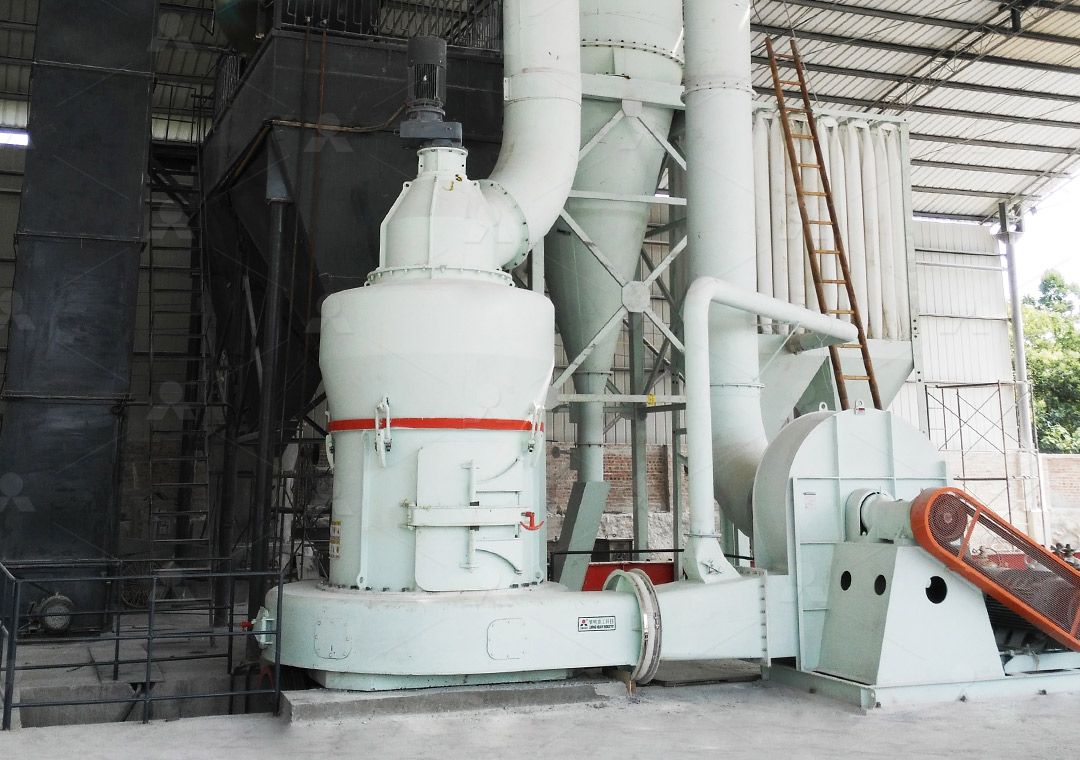
Modern grinding solutions address these challenges through innovative engineering. Key advancements include integral drying capabilities for materials with moisture, fully automated control systems for consistent product quality, and highly efficient static or dynamic classifiers that provide precise particle size cuts. The goal is a system that not only grinds but also classifies, conveys, and collects powder in a closed, environmentally sound loop.
Critical Considerations for Calcium Powder Production
When specifying equipment for limestone grinding, several factors must be evaluated in tandem:
- Fineness & Product Range: The required final product specifications dictate the mill and classifier selection. Applications may range from coarse fillers at 200 mesh (74μm) to ultra-fine coatings at 2500 mesh (5μm).
- Capacity & System Efficiency: Throughput (tons per hour) must align with production goals, but it should be measured against total system energy draw. A mill with a higher initial yield but excessive power consumption may not be cost-effective.
- Product Purity & Whiteness: Mechanical grinding can introduce iron contamination from wear parts, affecting product color and chemical properties. Designs that minimize metal-to-metal contact or use advanced materials are crucial for high-purity grades.
- Operational & Maintenance Philosophy: Ease of access for wear part inspection, the availability of original spare parts, and built-in diagnostic systems significantly reduce downtime and life-cycle costs.
Advanced Solutions for Ultra-Fine Processing
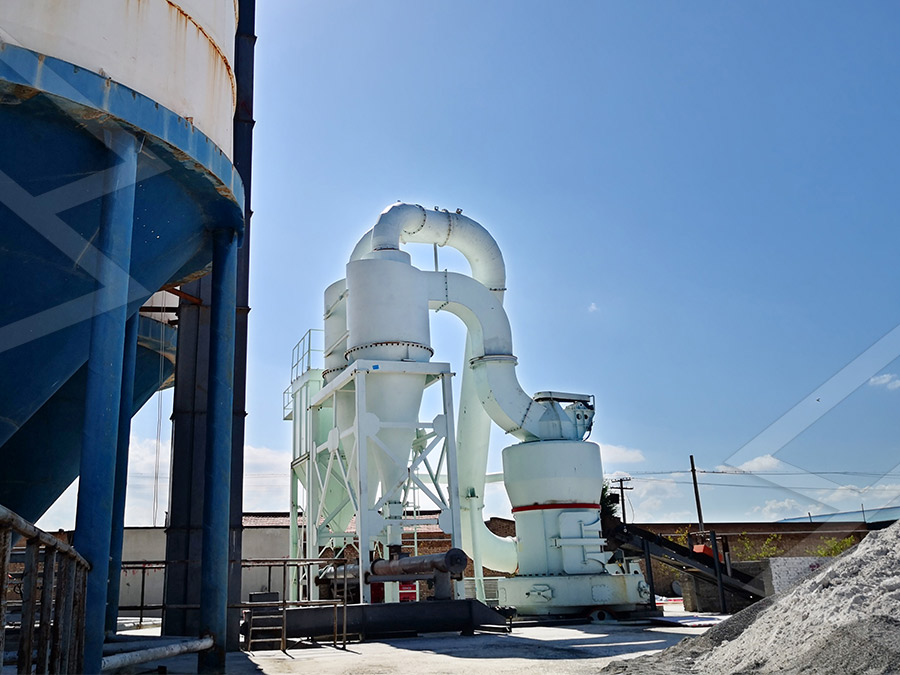
For producers targeting the high-value, ultra-fine calcium powder market, specialized grinding mills are essential. These systems move beyond the traditional pendulum design to incorporate vertical roller mill principles with ultra-precise separation technology.
A prime example of this evolution is our MW Ultrafine Grinding Mill. Engineered for customers requiring ultra-fine powder between 325 and 2500 meshes, this mill represents a leap in efficiency. Its newly designed grinding curves for the roller and ring enhance grinding efficiency, yielding up to 40% higher capacity than jet or stirred mills at the same power and fineness. A key feature is its cage-type powder selector, which utilizes German technology for high-precision separation, achieving a d97 ≤5μm in a single pass. Furthermore, the grinding chamber is intelligently designed with no rolling bearings or screws inside, eliminating common failure points and concerns about loose components. Coupled with an efficient pulse dust collector and muffler, the MW series ensures an environmentally friendly operation that meets stringent national standards.
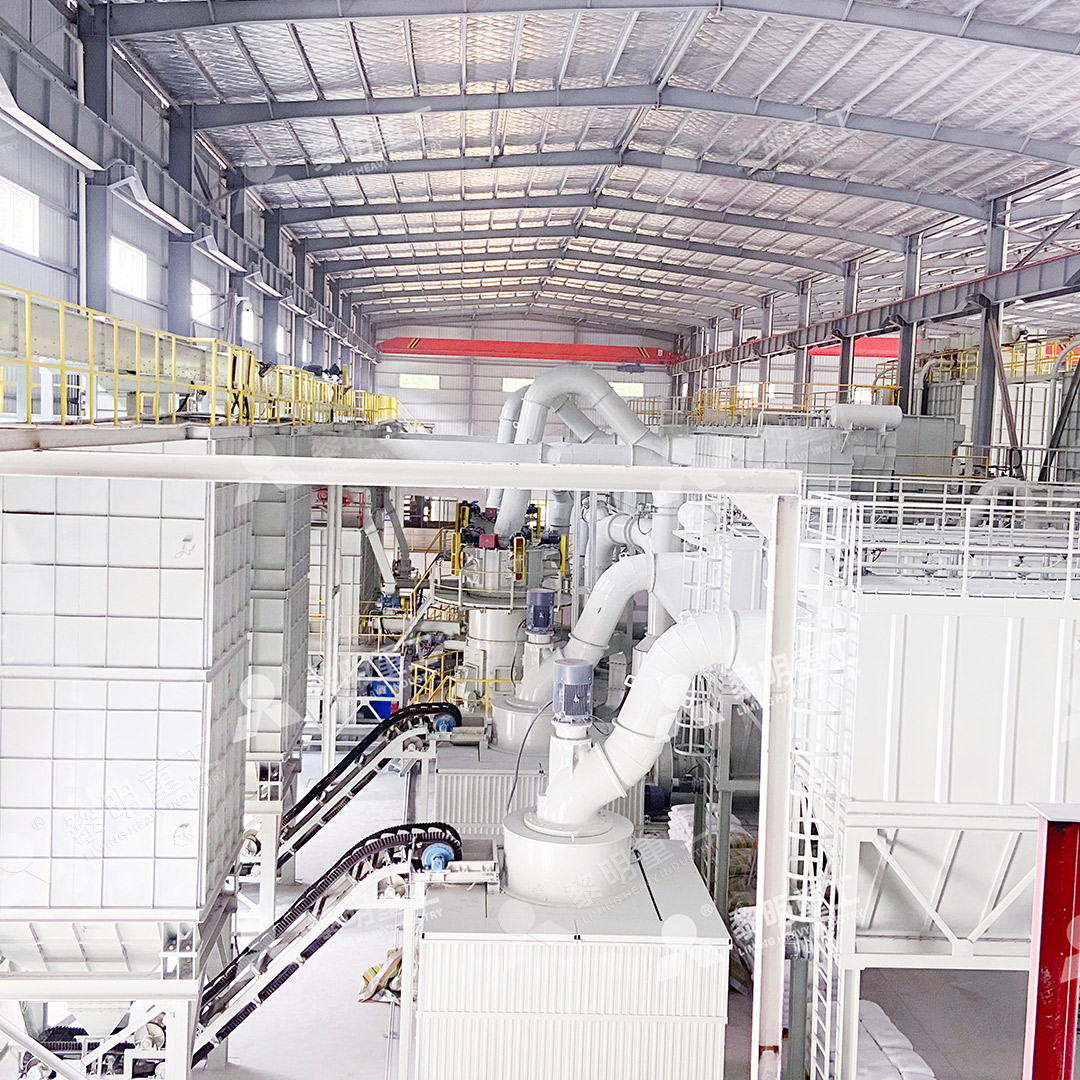
For operations requiring exceptional stability and easy maintenance in an ultra-fine vertical platform, the LUM Ultrafine Vertical Grinding Mill is another superior choice. It integrates the latest grinding roller and German powder separating technologies. Its unique roller shell and lining plate curve promote stable material bed formation, enabling a high rate of finished product from a single pass, which enhances whiteness. The mill features a PLC-controlled multi-head powder separating system for accurate cuts and fast switching between product specifications, reducing energy consumption by 30-50%. A standout design advantage is its reversible structure, allowing the heavy grinding roller to be easily moved out of the mill body for maintenance via a hydraulic system, drastically reducing service time and shutdown losses.
Making the Right Investment for the Future
The choice between a traditional Raymond mill and a modern ultra-fine grinding system ultimately depends on your product portfolio and business strategy. While robust and cost-effective for coarse to medium fines, traditional mills may limit entry into premium markets. Investing in advanced technology like the MW or LUM series provides the flexibility to produce a wider range of high-value products, ensures lower operating costs through energy savings, and future-proofs your operation with digital controls and superior environmental performance.
Successful limestone processing hinges on a partnership with a supplier who understands the entire process chain. From initial material characteristics to final bagging, selecting a mill from a manufacturer with proven expertise, complete digitalized processing for high precision, and a commitment to after-sales support with original spare parts is not just a purchase—it’s a strategic decision for long-term profitability and growth.
Frequently Asked Questions (FAQ)
1. What is the main difference between a traditional Raymond Mill and your MW Ultrafine Grinding Mill?
The core difference lies in technology and product fineness. Traditional Raymond mills typically produce powder up to 325 mesh. The MW series is engineered for ultra-fine grinding, achieving a adjustable range from 325 to 2500 meshes (d97 ≤5μm). It employs advanced grinding curves and a high-precision cage-type selector for superior efficiency and finer output, representing the next generation of grinding technology.
2. Can the LUM Ultrafine Vertical Mill handle moist limestone?
Yes, the LUM mill integrates grinding and drying functions. Hot air can be introduced into the mill, allowing it to simultaneously dry and grind limestone with a certain moisture content. This eliminates the need for a separate dryer, streamlining the process and reducing overall plant footprint and energy consumption.
3. How do you ensure low iron contamination in the final calcium powder?
Both the MW and LUM mills are designed to minimize iron pollution. The MW mill has no rolling bearings in the grinding chamber, reducing potential sources of wear metal. The LUM mill’s grinding roller and millstone do not make direct metal-to-metal contact during operation, and its design allows heavy iron impurities to be automatically discharged. This ensures high whiteness and purity of the final product.
4. What kind of after-sales support can we expect?
We take full responsibility for every machine we produce. Our support includes comprehensive technical services, timely supply of original spare parts from our own manufacturing facilities, and operational guidance. Our digitalized production ensures part interchangeability and precision, guaranteeing worry-free long-term operation.
5. Are these mills environmentally friendly?
Absolutely. Both models are designed with environmental protection as a priority. They are equipped with high-efficiency pulse dust collectors, ensuring the entire milling system operates under negative pressure with no dust spillage. Additionally, silencers and noise reduction measures are implemented to keep noise levels well within regulatory standards.
6. How is the fineness of the powder controlled and adjusted?
Fineness is precisely controlled by the integrated powder separator. In the MW mill, the cage-type selector’s speed is adjusted via a frequency converter. In the LUM mill, the PLC system adjusts the speed of the multi-head separator rotor. In both cases, changes can be made quickly and accurately from the control room without stopping production, allowing for flexible product changes.