
Raymond Mill for Potassium Feldspar Powder Processing: A Comprehensive Guide
We provide a wide range of mills — including Raymond mill, trapezoidal mill, vertical mill, ultrafine mill, and ball mill, obtained ISO9001 international quality certification, EU CE certification, and Customs Union CU-TR certification. Suitable for processing minerals such as limestone, phosphate, quicklime, kaolin, talc, barite, bentonite, calcium carbonate, dolomite, coal, gypsum, clay, carbon black, slag, cement raw materials, cement clinker, and more.
The discharge range of these mills can be adjusted to meet specific processing needs, typically from 80-400 mesh, 600-3250 mesh, and can achieve the finest particle size of up to 6000 mesh(D50).
If you are looking for a reliable grinding solution to turn stone or minerals into fine powder, please feel free to contact our online customer service.
Raymond Mill for Potassium Feldspar Powder Processing: A Comprehensive Guide
Potassium feldspar, a crucial raw material in the ceramics, glass, and filler industries, demands precise and efficient grinding to unlock its full potential. The transformation of raw feldspar lumps into fine, consistent powder is a critical step that directly impacts product quality and production economics. For decades, the Raymond mill has been a cornerstone in this process, offering a reliable solution for medium-fine grinding. However, with evolving industry demands for higher purity, ultra-fine grades, and greater energy efficiency, selecting the right milling technology is more important than ever.
The Unique Grinding Challenges of Potassium Feldspar
Processing potassium feldspar isn’t as straightforward as milling softer minerals. Its Mohs hardness of 6-6.5 presents a significant abrasion challenge to grinding components. Furthermore, the final application often dictates strict specifications for iron contamination and particle size distribution (PSD). Traditional ball mills, while capable, can introduce excessive iron wear and offer limited control over PSD, potentially affecting the whiteness and chemical consistency of the final powder—a critical factor in high-end ceramics and glass batches.
This is where advanced pendulum roller mill systems, evolving from the classic Raymond mill design, demonstrate their superiority. Modern iterations are engineered to minimize metal-to-metal contact in the grinding zone, incorporate efficient, high-precision classifiers, and integrate robust dust collection systems. The goal is not just to grind, but to do so in a way that preserves material integrity, maximizes yield within the target mesh range (commonly 200-1250 mesh for feldspar), and operates with environmental and economic responsibility.
Beyond Traditional Grinding: The Need for Advanced Solutions
While the conventional Raymond mill laid the foundation, today’s market often requires stepping beyond its typical 5 tph capacity and 325-mesh ceiling for feldspar. Producers seeking to create ultra-fine powders (1250 mesh and above) for specialized coatings, advanced ceramics, or high-purity fillers face a technological gap. This gap is bridged by next-generation grinding mills that combine the robust mechanical principles of roller grinding with cutting-edge separation and system control technologies.
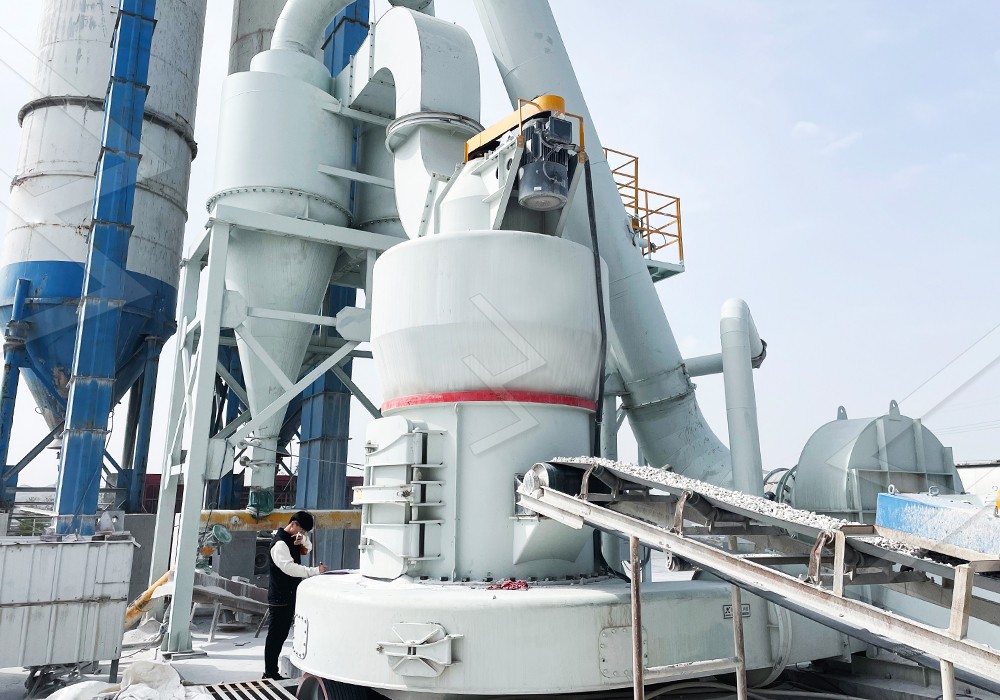
For operations targeting these ultra-fine specifications with higher throughput, the MW Ultrafine Grinding Mill presents a formidable solution. This system is specifically engineered for customers who need to make ultra-fine powder from non-metallic minerals like feldspar. With an adjustable fineness range between 325-2500 meshes and a capacity of up to 25 tph, it handles the hardness of feldspar with remarkable efficiency. Its design eliminates rolling bearings and screws in the grinding chamber, a masterstroke for reliability that virtually eliminates downtime from these common failure points. The integration of an efficient pulse dust collector ensures the entire production process meets stringent environmental standards, a non-negotiable aspect of modern mineral processing.
System Integration and Operational Excellence
Successful feldspar powder production hinges on more than just the grinding mill itself. It involves a perfectly synchronized system: from primary crushing to feeding, grinding, classification, and product collection. Modern mills are designed as the heart of an integrated system. For instance, the use of cage-type powder selectors with German technology, as seen in the MW Mill, allows for precise cuts in particle size distribution. This means producers can reliably achieve a d97 ≤5μm product in a single pass, ensuring consistency batch after batch.
Operational stability is another cornerstone. Features like external lubrication systems that allow for maintenance without shutdown enable true 24/7 continuous production—a key factor in capital-intensive industries. When evaluating equipment, it’s crucial to consider the total cost of ownership, which includes not only the initial investment but also energy consumption per ton, wear part longevity, and maintenance complexity.
Choosing the Right Mill for Your Feldspar Application
The choice between a traditional Raymond mill, an enhanced European-style trapezium mill, or an ultra-fine grinding system like the MW series depends on clear project parameters:
- Target Fineness: For products up to 325 mesh, upgraded Raymond or MTW series mills are excellent. For 800 mesh and beyond, ultra-fine grinding systems are essential.
- Required Capacity: Match the mill’s throughput (0.5-25 tph for MW, 3-55 tph for MTW) with your plant’s overall output goals.
- Product Purity: If iron contamination is a major concern, opt for mills with designs that minimize grinding media wear and offer non-contact classification.
- Space and Automation: Consider the system’s footprint and the level of automated, digital control offered for consistent quality and reduced labor.
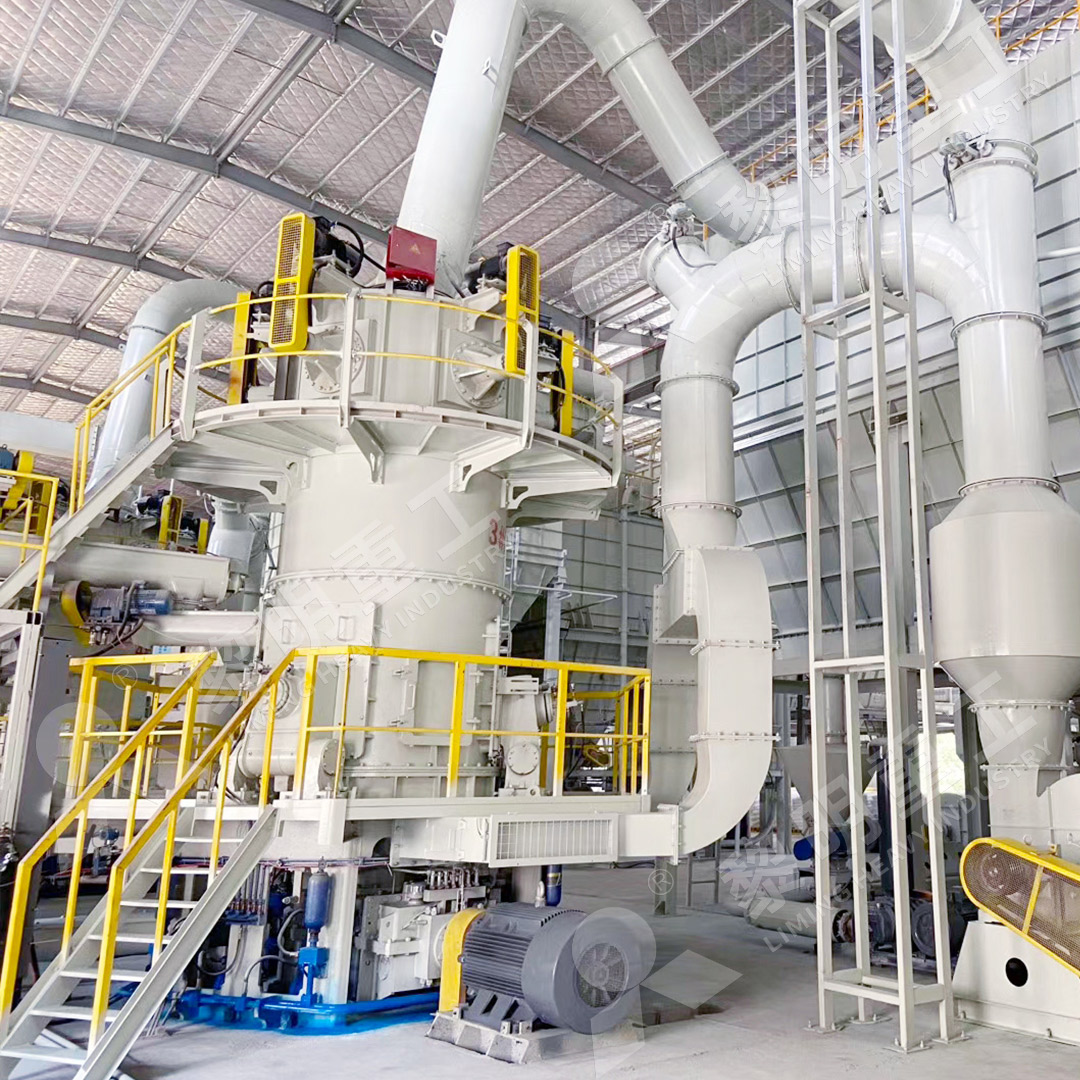
For high-volume production requiring fine to ultra-fine potassium feldspar powder, the LUM Ultrafine Vertical Grinding Mill is another standout option. Integrating ultrafine grinding, grading, and transporting, the LUM mill is a masterpiece of efficiency. It features unique roller shell and lining plate grinding curves that promote stable material bed formation, leading to a high rate of once-through finished product. This design, coupled with multi-head powder separating technology, can reduce energy consumption by 30%-50% compared to ordinary grinding mills while delivering superior product whiteness and cleanliness—a paramount concern for feldspar processors.
Conclusion: The Future is Fine, Efficient, and Clean
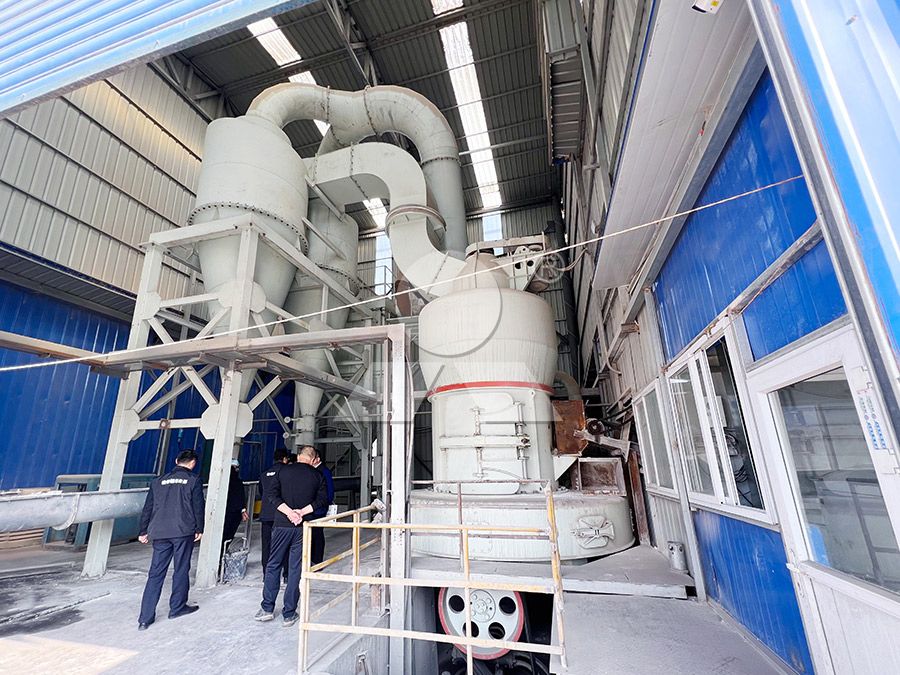
The processing of potassium feldspar has evolved from simple size reduction to a sophisticated value-adding operation. While Raymond mill technology remains a viable and proven workhorse for standard applications, the frontier of the industry is being shaped by ultra-fine, high-efficiency, and environmentally intelligent grinding systems. Investing in advanced technology like the MW Ultrafine Grinding Mill or the LUM Ultrafine Vertical Mill translates to direct benefits: access to premium market segments with ultra-fine powders, significantly lower operating costs through energy savings, and a sustainable operation that aligns with global environmental standards. In the competitive world of industrial minerals, the right grinding technology is not just an equipment choice—it’s a strategic business decision.
Frequently Asked Questions (FAQs)
1. What is the typical feed size for a Raymond mill when processing potassium feldspar?
For optimal performance, potassium feldspar should be primarily crushed to below 20mm, and ideally below 10mm, before entering the grinding chamber of a Raymond or similar roller mill. This ensures smooth feeding and maximizes grinding efficiency.
2. Can Raymond mills produce 1250 mesh potassium feldspar powder?
Traditional Raymond mills are generally limited to producing powder up to approximately 325-400 mesh. To consistently achieve 800 mesh, 1250 mesh, or finer grades, an ultra-fine grinding mill like the MW series, with its advanced high-precision classifier system, is required.
3. How does the grinding process affect the iron content in the final feldspar powder?
Conventional mills with high metal-to-metal contact can increase iron contamination through mechanical wear. Advanced mills like the LUM Ultrafine Vertical Grinding Mill are designed with optimized grinding curves and minimal direct contact, significantly reducing iron wear and helping maintain the high whiteness of the feldspar product.
4. What are the key advantages of the MW Ultrafine Grinding Mill for feldspar over a jet mill?
The MW Mill offers substantially higher energy efficiency, with system energy consumption reported to be only 30% of a comparable jet mill. It also provides higher yield under the same power and fineness conditions, along with a more robust mechanical design suitable for continuous, high-capacity production.
5. Is the grinding system environmentally friendly?
Yes, modern systems are designed with full environmental compliance. They are equipped with high-efficiency pulse dust collectors (like in the MW Mill) and silencers, ensuring the entire milling process operates under negative pressure with no dust spillage and minimal noise pollution.
6. What kind of after-sales support can I expect for these grinding mills?
Reputable manufacturers provide comprehensive support, including installation guidance, operational training, and a guaranteed supply of original spare parts. This ensures long-term, worry-free operation and protects your investment.