
Vertical Mill for Grinding Smelting Furnace Slag
We provide a wide range of mills — including Raymond mill, trapezoidal mill, vertical mill, ultrafine mill, and ball mill, obtained ISO9001 international quality certification, EU CE certification, and Customs Union CU-TR certification. Suitable for processing minerals such as limestone, phosphate, quicklime, kaolin, talc, barite, bentonite, calcium carbonate, dolomite, coal, gypsum, clay, carbon black, slag, cement raw materials, cement clinker, and more.
The discharge range of these mills can be adjusted to meet specific processing needs, typically from 80-400 mesh, 600-3250 mesh, and can achieve the finest particle size of up to 6000 mesh(D50).
If you are looking for a reliable grinding solution to turn stone or minerals into fine powder, please feel free to contact our online customer service.
Vertical Mill for Grinding Smelting Furnace Slag: A Modern Industrial Solution
In the demanding world of metallurgical processing, the efficient handling of by-products is as crucial as primary production. Smelting furnace slag, a complex silicate material generated during metal extraction, presents both a disposal challenge and a potential resource. Traditionally landfilled, this material is now increasingly recognized for its value in applications like cement production, road base construction, and as a mineral admixture. The key to unlocking this value lies in efficient, fine grinding—a task for which the modern vertical roller mill has become the undisputed champion.
The Unique Challenges of Slag Grinding
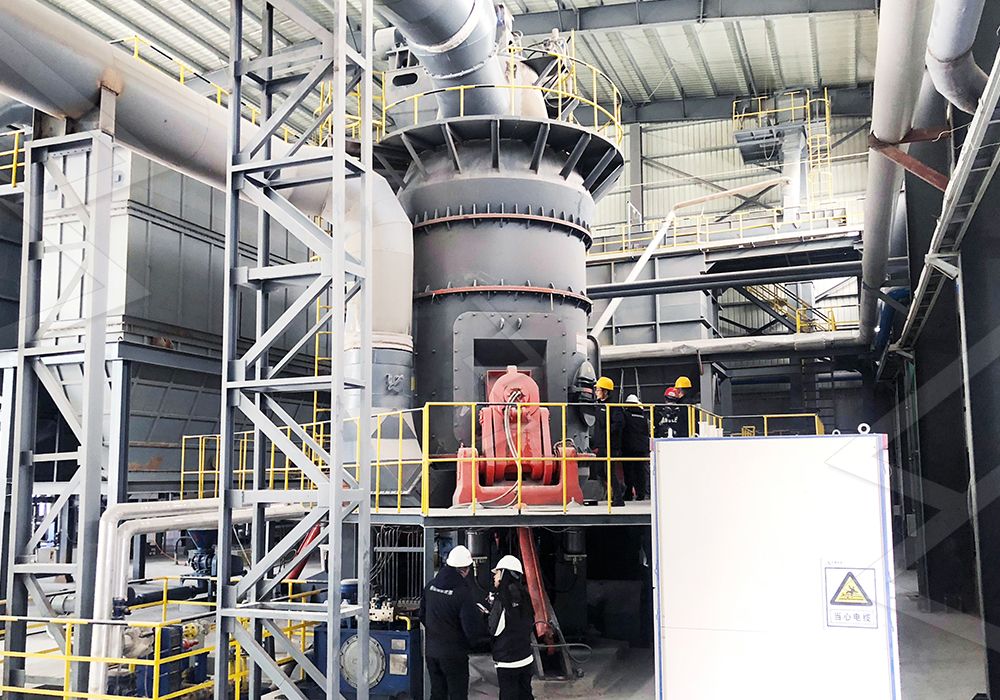
Grinding slag is not a trivial undertaking. The material is often abrasive, with variable moisture content and hardness. Traditional ball mills, while robust, suffer from high energy consumption, significant wear on grinding media, and limited drying capacity. They also occupy considerable floor space. The vertical roller mill (VRM) addresses these shortcomings head-on with a design philosophy centered on integration, efficiency, and precision.
The core advantage of a VRM for slag is its simultaneous drying and grinding capability. Hot gases, often waste heat from other plant processes, can be introduced directly into the grinding chamber. This dries moist slag in-line, eliminating the need for a separate, energy-intensive drying step. The grinding mechanism itself—where material is ground between rollers and a rotating table under hydraulic pressure—is inherently more energy-efficient than the impact and attrition of tumbling balls.
Engineering Excellence for Demanding Applications
When selecting equipment for slag grinding, several non-negotiable features come to the fore. Operational stability is paramount; the mill must handle feed size fluctuations without compromising product fineness or causing destructive vibration. Ease of maintenance is critical to minimize downtime, especially for wear parts like rollers and table liners. Finally, environmental compliance through effective dust collection and low noise emission is a standard requirement.
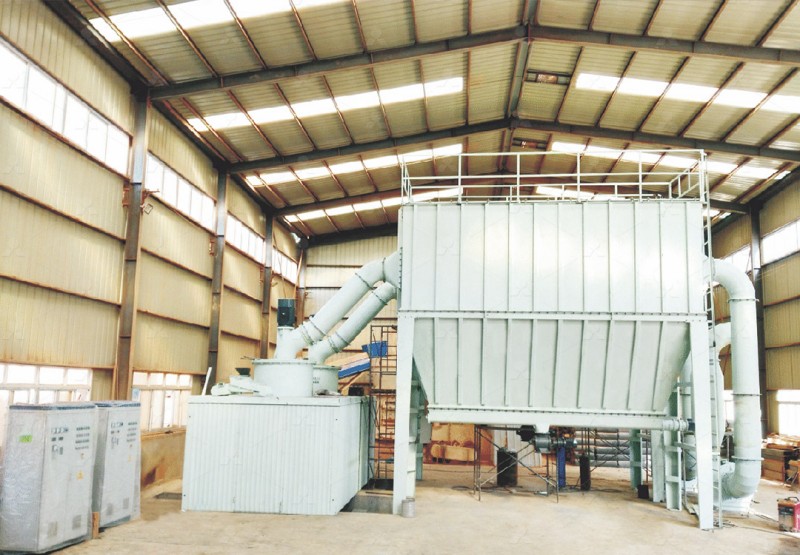
For operations requiring a specialized, high-capacity solution, the LM Vertical Slag Mill stands out. Engineered specifically for industrial wastes like blast furnace and steel slag, it integrates drying, grinding, powder selection, and conveying into a single, compact unit. With an input size of 38-65mm and a capacity range of 7-100 tons per hour, it is built for scale. Its unique grinding device achieves the integration of grinding and powder selection, focusing squarely on the properties of slag. The result is a system that reduces its footprint by approximately 50% and slashes energy consumption by 30-40% compared to a traditional ball milling system. The wear-resistant parts, crafted from high-performance materials, ensure reliable, long-term operation with consistent product quality.
Pushing the Boundaries of Fineness
While the LM Vertical Slag Mill excels at high-volume processing, some advanced applications demand ultra-fine powders. For these scenarios, where fineness and product purity are critical, a different kind of technological prowess is required. This is where ultra-fine grinding mills enter the picture, designed to produce powders with precise particle size distributions for high-value additives.
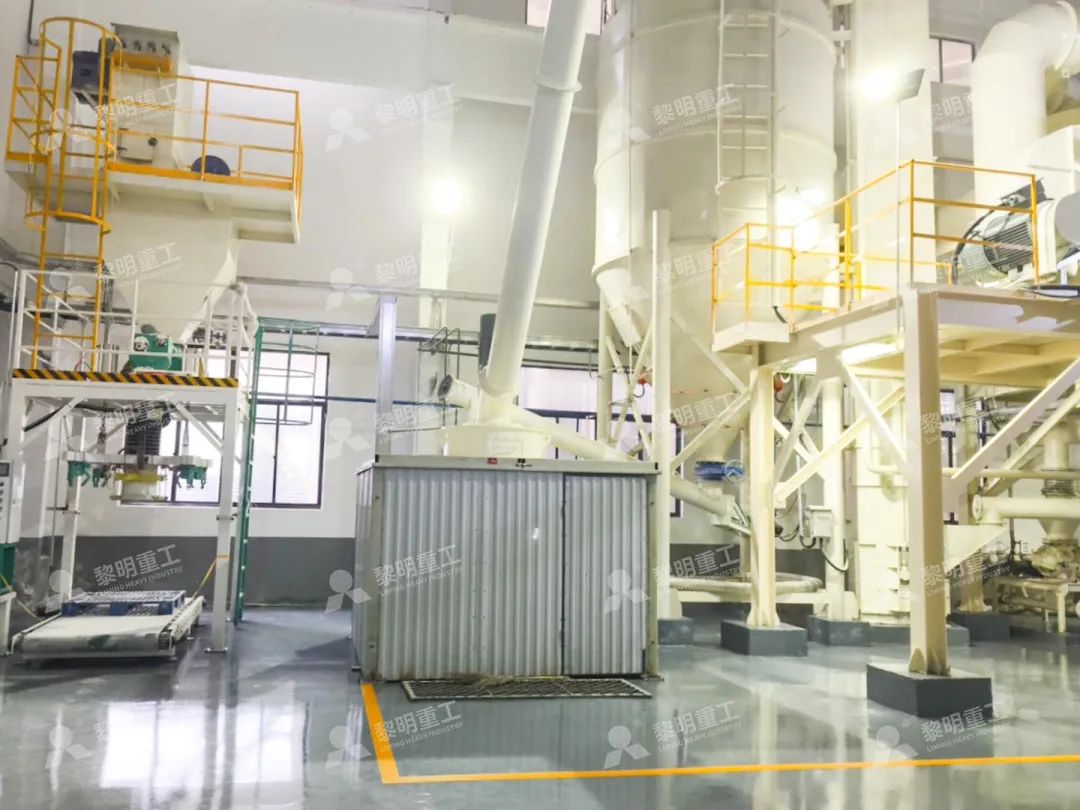
Our MW Ultrafine Grinding Mill is a prime example of this advanced technology. Designed for customers who need to make ultra-fine powder from 325 to 2500 meshes, it is exceptionally well-suited for processing finely ground slag for specialized chemical or construction applications. Its cage-type powder selector, incorporating German technology, ensures high precision in particle separation. A significant design innovation is the absence of rolling bearings and screws in the grinding chamber, eliminating common failure points and concerns about loose components causing damage. Furthermore, its efficient pulse dust collector and muffler system ensure the entire production process is clean and quiet, meeting stringent environmental standards without sacrificing the high yield and lower energy consumption that are hallmarks of its design.
The Path to Sustainable Valorization
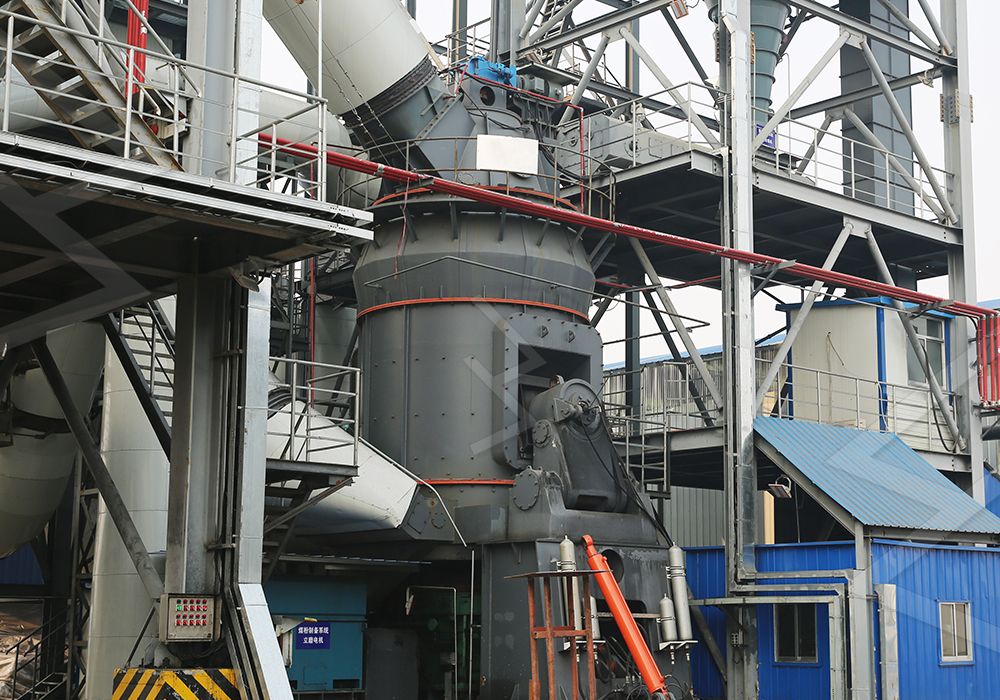
The adoption of vertical milling technology transforms slag from a cost liability into a revenue stream. The consistent, high-quality powder produced enhances the performance of cement and concrete, reducing the industry’s reliance on clinker and its associated carbon footprint. The operational savings from reduced energy and maintenance, combined with the sale of the finished powder, deliver a compelling return on investment.
Ultimately, the choice of grinding technology is a strategic decision that impacts profitability, sustainability, and product portfolio. Vertical mills, particularly specialized models like the LM Vertical Slag Mill for bulk processing and the MW Ultrafine Grinding Mill for premium products, provide the robust, efficient, and clean platform needed to fully valorize smelting furnace slag in today’s circular economy.
Frequently Asked Questions (FAQ)
1. What is the main advantage of a vertical mill over a ball mill for slag grinding?
The primary advantages are significantly lower energy consumption (30-40% less), integrated drying capability, a much smaller footprint, and lower wear costs due to a different grinding principle. Vertical mills are designed for efficiency and integration.
2. Can a vertical mill handle the abrasive nature of slag?
Yes, specialized vertical slag mills like the LM model are constructed with high-performance wear-resistant materials for grinding rollers and table liners. Their design also allows for easier maintenance and replacement of these parts compared to relining a ball mill.
3. What fineness can be achieved when grinding slag?
Standard vertical slag mills typically produce powder with a fineness of around 400-450 m²/kg (Blaine), suitable for cement replacement. For ultra-fine applications, mills like the MW Ultrafine Grinding Mill can achieve fineness levels between 325 and 2500 meshes.
4. Is the grinding process environmentally friendly?
Modern vertical mills are designed with environmental protection in mind. They operate under negative pressure with closed-circuit systems, equipped with high-efficiency pulse dust collectors to prevent dust spillage. Noise is also controlled through mill design and silencers.
5. How is moisture in the slag handled?
Vertical mills have a strong drying capacity. Hot air (up to a certain temperature) can be introduced into the mill concurrently with feeding. The material is dried by the hot air as it is ground, eliminating the need for pre-drying in most cases.
6. What is the typical capacity range for a vertical slag mill?
Capacities vary by model. For instance, the LM Vertical Slag Mill offers a wide range from 7 to 100 tons per hour, allowing it to be matched to the output of various sizes of smelting operations.