
Why is it Called a Raymond Mill?
We provide a wide range of mills — including Raymond mill, trapezoidal mill, vertical mill, ultrafine mill, and ball mill, obtained ISO9001 international quality certification, EU CE certification, and Customs Union CU-TR certification. Suitable for processing minerals such as limestone, phosphate, quicklime, kaolin, talc, barite, bentonite, calcium carbonate, dolomite, coal, gypsum, clay, carbon black, slag, cement raw materials, cement clinker, and more.
The discharge range of these mills can be adjusted to meet specific processing needs, typically from 80-400 mesh, 600-3250 mesh, and can achieve the finest particle size of up to 6000 mesh(D50).
If you are looking for a reliable grinding solution to turn stone or minerals into fine powder, please feel free to contact our online customer service.
Why is it Called a Raymond Mill?
In the world of industrial grinding and milling, few names carry as much historical weight as “Raymond Mill.” For over a century, this term has been synonymous with a specific type of pendulum roller mill used for fine grinding. But where did the name come from? The answer lies not in a generic design principle, but in the legacy of a specific American inventor and the company he founded.
The Man Behind the Machine: Combustion Engineering-Superior
The Raymond Mill is named directly after the Raymond Division of Combustion Engineering, Inc. This division was itself the successor to the original Raymond Pulverizer Company, founded by brothers John E. and Charles H. Raymond. In the early 20th century, their company pioneered and perfected the design of the vertical pendulum roller mill. The core mechanism involved spring-loaded rollers that swung outward due to centrifugal force, pressing against a stationary grinding ring to pulverize material fed from below. This design proved revolutionary for producing fine powders from non-metallic minerals like limestone, gypsum, and coal.
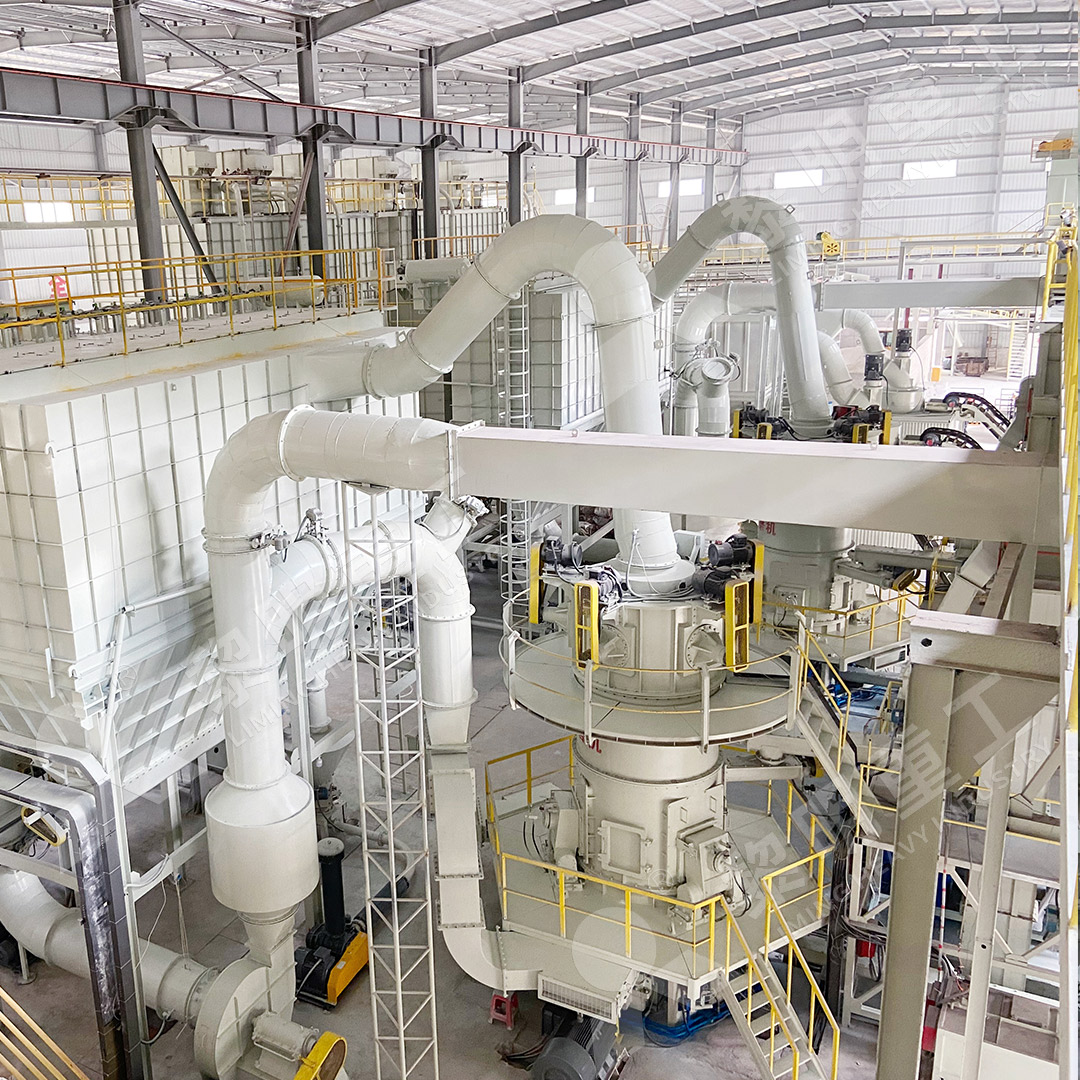
For decades, the Raymond Division held numerous patents and was the dominant manufacturer of this mill type. Their machines were so prevalent that “Raymond Mill” became the industry-standard term, much like “Xerox” for photocopiers or “Kleenex” for tissues. It was a classic case of a brand name evolving into a generic trademark for an entire category of equipment.
From Proprietary Name to Generic Term
As patents expired and global manufacturing grew, companies worldwide began producing mills based on the foundational Raymond principle. However, the name stuck. Today, when industry professionals refer to a “Raymond Mill,” they typically mean a vertical structure mill with a central shaft driving rotating pendulum rollers against a stationary grinding ring, often incorporating an internal air classifier for particle size separation.
It’s important to note that while the name honors its origin, the technology has not stood still. Modern iterations of this grinding philosophy incorporate advanced materials, digital controls, and efficiency improvements far beyond the original designs. The core concept of roller-against-ring grinding under centrifugal force remains, but its execution has been refined for the 21st century.
The Modern Evolution: Beyond Traditional Raymond Mills
The legacy of fine grinding pioneered by the Raymond Mill is alive and well in today’s advanced milling solutions. While traditional pendulum roller mills are still used for specific applications, the demand for higher efficiency, greater fineness, and lower energy consumption has driven significant innovation.
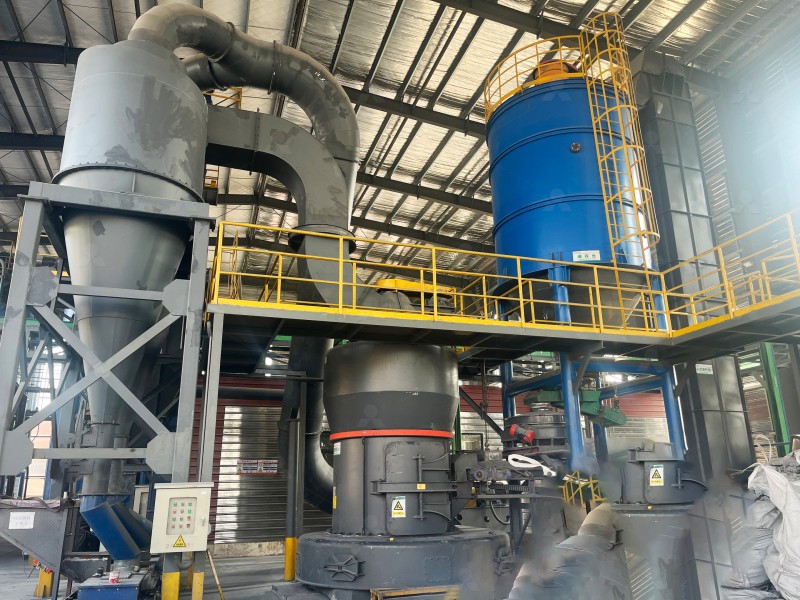
For operations requiring ultra-fine powders with superior particle size distribution, modern vertical roller mills and specialized ultrafine grinders have taken center stage. For instance, our MW Ultrafine Grinding Mill represents a leap forward. Designed for producing powders between 325 and 2500 meshes, it addresses many limitations of older designs. It features a cage-type powder selector with German technology for precise classification and a grinding chamber notably free from rolling bearings and screws, eliminating common failure points and allowing for external lubrication without shutdown. With a capacity of 0.5-25 tph and integrated efficient pulse dust collection, it delivers high-yield, eco-friendly production for materials like calcium carbonate, talc, and barite.
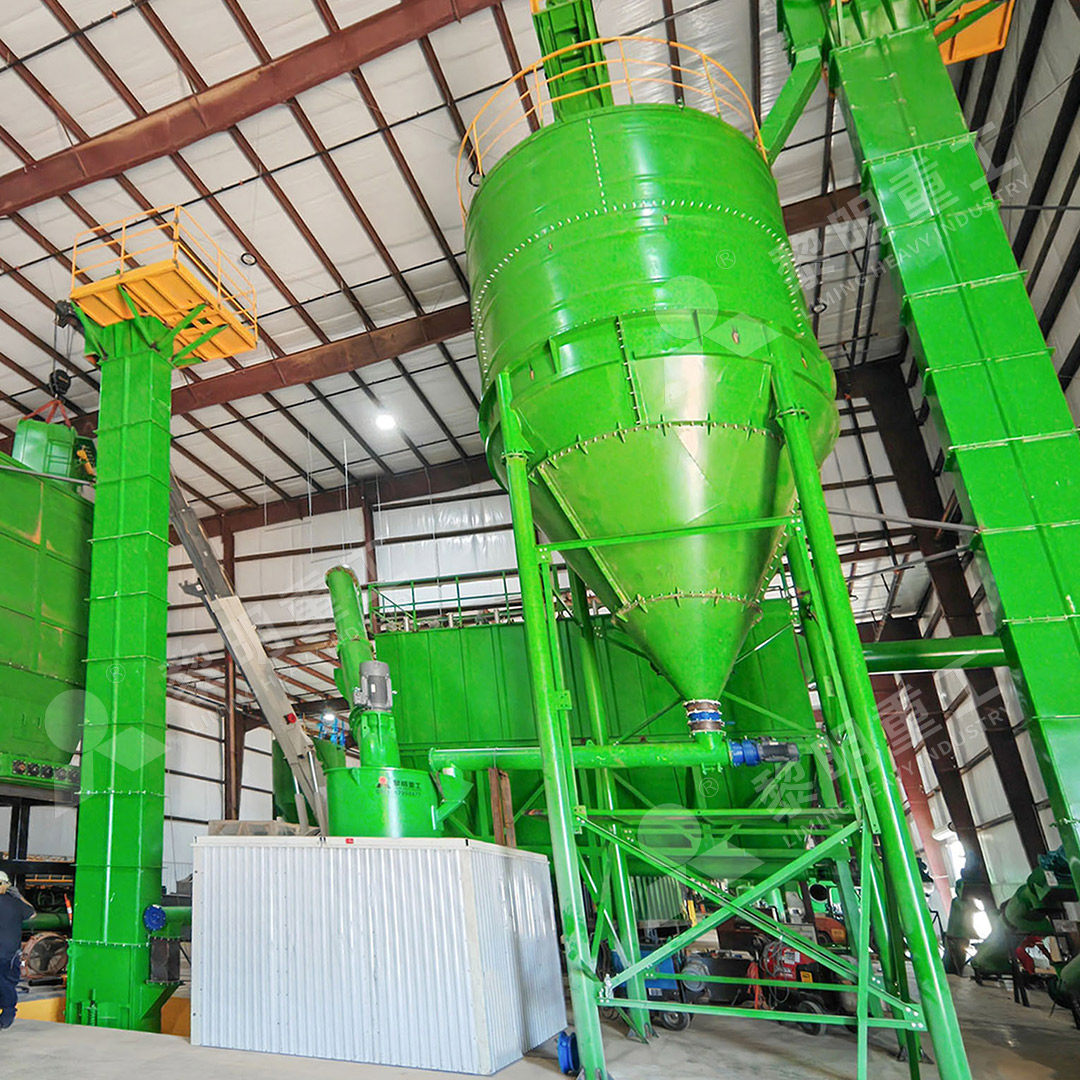
Similarly, for high-volume precision grinding, the LUM Ultrafine Vertical Grinding Mill integrates the latest grinding roller and powder separating technologies. It offers exceptional stability through double position-limiting technology and easier maintenance via a reversible roller structure. Its energy-saving multi-head powder separating system and capacity of 5-18 tph make it an intelligent choice for modern processing lines seeking high efficiency and consistent product quality.
A Name That Endures
The story of the Raymond Mill is a testament to impactful engineering. What began as a proprietary product name from a specific American company transformed into the universal descriptor for a fundamental grinding machine design. This linguistic legacy underscores the machine’s profound and lasting influence on mineral processing, construction materials, and chemical industries worldwide.
Today, we honor that legacy not by replicating the past, but by evolving it. The principles of efficient size reduction that the Raymond name embodied are now carried forward in more advanced, reliable, and sustainable grinding technologies, ensuring that the quest for the perfect powder continues with greater precision and responsibility than ever before.
Frequently Asked Questions (FAQ)
1. What is the main working principle of a traditional Raymond Mill?
The core principle involves pendulum rollers suspended from a rotating central shaft. Centrifugal force causes the rollers to swing outward and press against a stationary grinding ring. Material fed into the grinding zone is crushed and pulverized between the rollers and the ring. An integral air stream carries the fine powder to a classifier for separation, while coarse material falls back for regrinding.
2. What are the typical applications for Raymond Mill-type equipment?
These mills are designed for non-flammable, non-explosive materials with Mohs hardness below 9.3 and humidity below 6%. Common applications include grinding limestone, calcite, dolomite, barite, talc, gypsum, marble, ceramics, and activated carbon for industries like mining, construction, chemicals, and paints.
3. How does a modern ultrafine mill differ from a classic Raymond Mill?
Modern mills like the MW or LUM series incorporate significant advancements: higher-precision forced turbine classifiers (vs. static separators), more efficient grinding curves for rollers/rings, external lubrication systems, advanced PLC automation, integrated pulse dust collectors for full environmental compliance, and structural designs that allow for easier maintenance and higher energy efficiency, often achieving much finer end products (into the 2500+ mesh range).
4. What does “mesh” size mean in grinding?
Mesh refers to the number of openings in a linear inch of a screen. A higher mesh number indicates a finer powder. For example, 325 mesh corresponds to particles about 44 microns in size, while 2500 mesh refers to particles around 5 microns. Modern mills allow precise adjustment within this range.
5. Why choose an ultrafine grinding mill over a traditional ball mill?
Ultrafine grinding mills like the MW series offer distinct advantages: significantly higher energy efficiency (up to 40-50% savings), a smaller physical footprint, integrated drying-grinding-classifying processes, lower noise levels, and superior control over particle size distribution and product purity due to shorter material residence time and reduced iron contamination.
6. How important is after-sales support for grinding mill operations?
It is critical. Reliable operation depends on access to genuine spare parts, expert technical service, and maintenance support. A responsible manufacturer stands behind their equipment with a comprehensive warranty, readily available original parts, and remote or on-site service to ensure maximum uptime and worry-free operation throughout the machine’s lifecycle.