
Raymond Mill Model 6R4427 Specifications and Technical Data
We provide a wide range of mills — including Raymond mill, trapezoidal mill, vertical mill, ultrafine mill, and ball mill, obtained ISO9001 international quality certification, EU CE certification, and Customs Union CU-TR certification. Suitable for processing minerals such as limestone, phosphate, quicklime, kaolin, talc, barite, bentonite, calcium carbonate, dolomite, coal, gypsum, clay, carbon black, slag, cement raw materials, cement clinker, and more.
The discharge range of these mills can be adjusted to meet specific processing needs, typically from 80-400 mesh, 600-3250 mesh, and can achieve the finest particle size of up to 6000 mesh(D50).
If you are looking for a reliable grinding solution to turn stone or minerals into fine powder, please feel free to contact our online customer service.
Raymond Mill Model 6R4427: A Benchmark in Industrial Grinding
For decades, the Raymond Mill has stood as a cornerstone of fine powder processing across numerous industries. The Model 6R4427 represents a mature and highly refined iteration of this classic design, engineered for reliability, efficiency, and consistent output. This model is particularly suited for medium-scale production where a balance between capacity, fineness, and operational cost is paramount.
Core Specifications & Design Philosophy
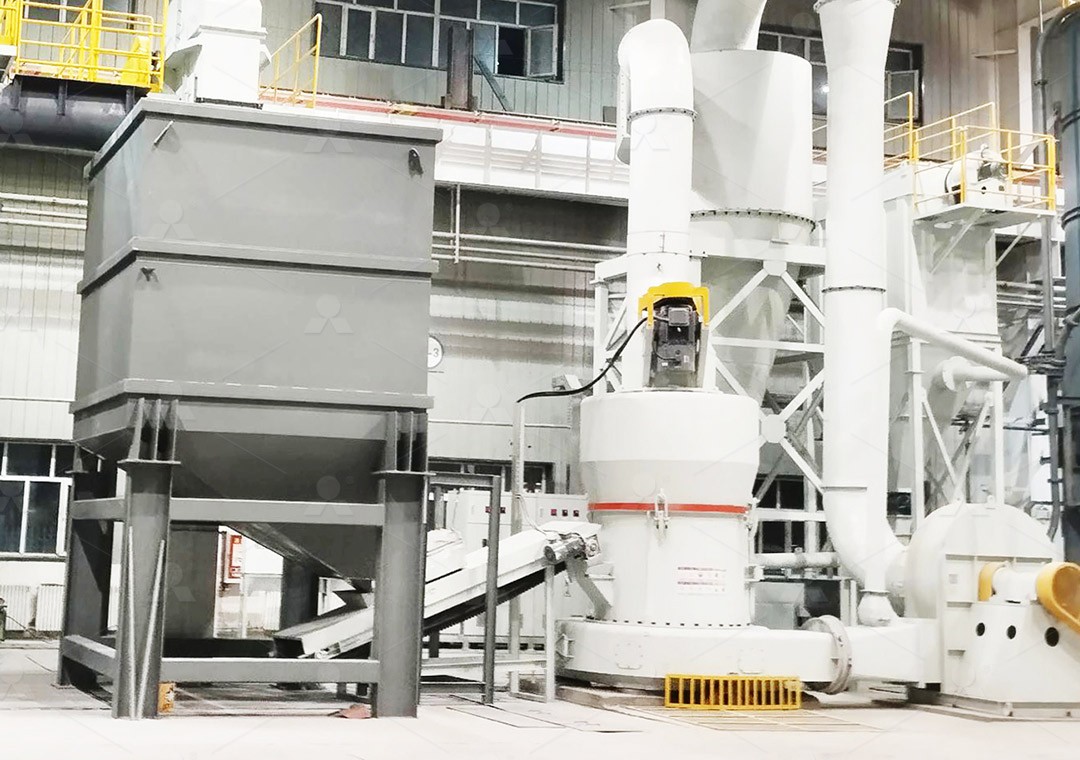
The 6R4427 designation indicates a mill with 6 grinding rollers. The ‘4427’ typically refers to the diameter and height of the grinding ring in inches, a configuration that provides a substantial grinding surface area. This design is centered around a central vertical shaft, with the grinding rollers suspended and swinging outward under centrifugal force to press against the grinding ring. The ground material is then carried by an air stream to a classifier for separation.
Key operational parameters for the 6R4427 include an input size generally below 25mm and a capacity range that can reach up to 5-6 tons per hour, depending on the material’s hardness and desired fineness. It excels in processing non-flammable and non-explosive materials with Mohs hardness less than 7 and humidity below 6%, such as limestone, calcite, barite, dolomite, and feldspar.
Technical Advantages and Operational Features
The enduring popularity of the 6R4427 stems from its straightforward, robust construction. Its centralized electrical control system allows for easy automation and remote operation. The grinding roller assembly utilizes an advanced lubrication system, often a centralized grease or thin-oil lubrication, which minimizes maintenance downtime and ensures smooth operation. Furthermore, its pneumatic sealing system effectively prevents dust leakage, contributing to a cleaner workshop environment.
Evolving Beyond Tradition: The Path to Higher Efficiency
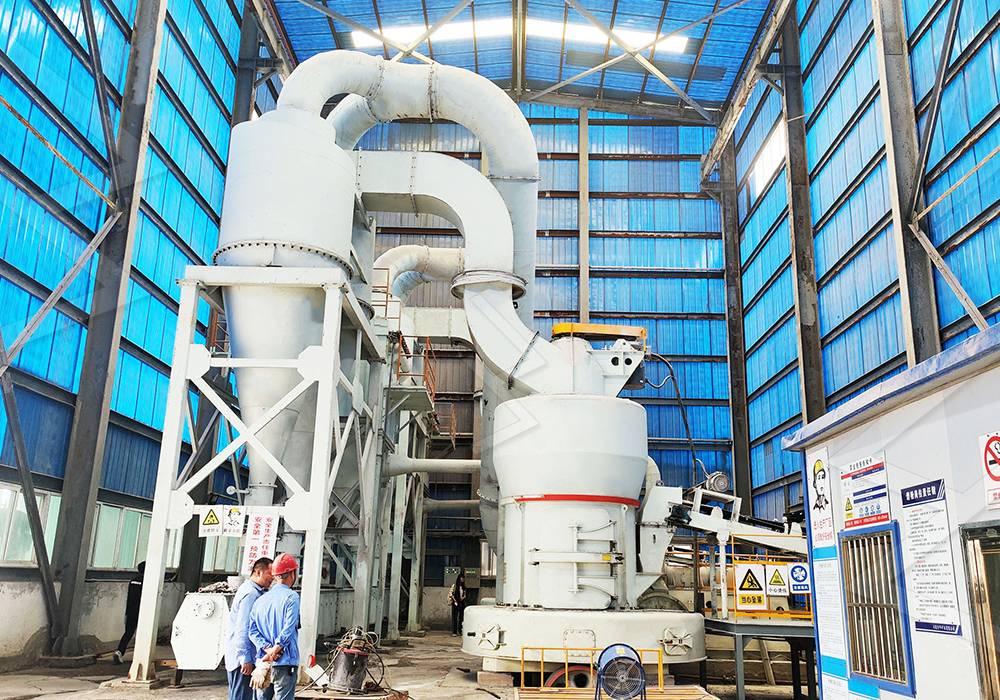
While the 6R4427 Raymond Mill is a proven workhorse, technological evolution has paved the way for grinding solutions that offer significant leaps in energy efficiency, fineness control, and system integration. For operations looking to upgrade their capabilities or for new projects demanding higher performance, modern vertical grinding mills present a compelling alternative.
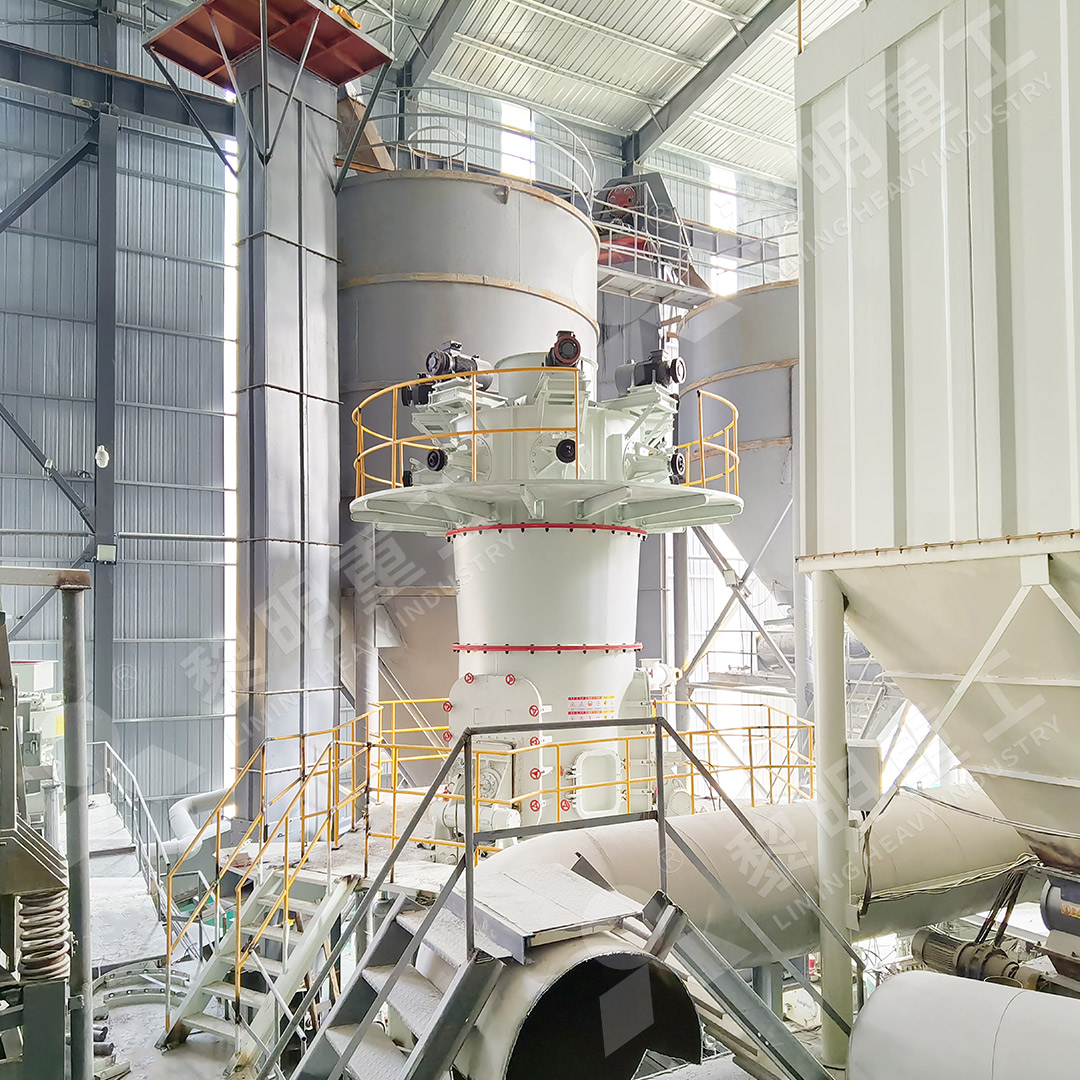
For instance, our LUM Ultrafine Vertical Grinding Mill represents a generational advancement. Integrating the latest grinding roller and powder separating technology, it achieves higher yields with 30%-50% lower energy consumption compared to traditional mills. Its unique double position-limiting technology ensures exceptional operational stability, while a reversible structure allows the grinding roller to be easily moved out for maintenance, drastically reducing service time and losses. With an adjustable fineness that can reach superfine levels, the LUM series is ideal for high-value mineral processing.
Choosing the Right Tool for the Task
The decision between a classic Raymond Mill like the 6R4427 and a modern vertical mill hinges on specific project requirements. The 6R4427 offers lower initial investment, proven simplicity, and is excellent for producing powders in the 80-325 mesh range. For applications demanding higher capacity, ultra-fine powder (up to 2500 mesh), superior energy savings, and more automated, eco-friendly operation, a vertical mill is the definitive choice.
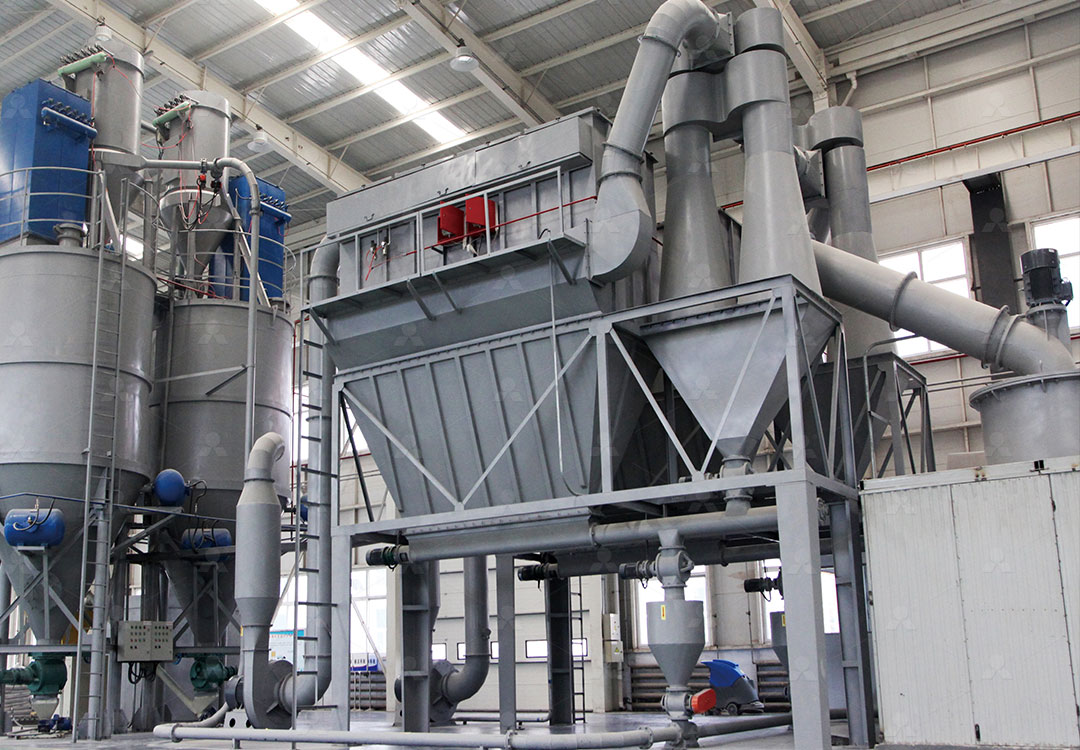
Another highly efficient option in our portfolio is the MW Ultrafine Grinding Mill. Designed specifically for ultra-fine powder production (325-2500 meshes), it features a cage-type powder selector for precise classification and a chamber free of rolling bearings and screws, eliminating common failure points. Its efficient pulse dust collector ensures the entire system operates in an environmentally friendly manner, making it perfect for industries like cosmetics, pharmaceuticals, and advanced chemicals where purity and fineness are critical.
Conclusion
The Raymond Mill Model 6R4427 remains a reliable and capable machine for many grinding applications. Its specifications and design are a testament to a time-tested engineering approach. However, by understanding its position relative to newer technologies like the LUM Ultrafine Vertical Grinding Mill and the MW Ultrafine Grinding Mill, businesses can make more informed, strategic decisions that optimize their productivity, product quality, and long-term operational costs. The future of grinding lies in higher efficiency, precision, and intelligence, and our product line is engineered to deliver precisely that.
Frequently Asked Questions (FAQ)
1. What is the typical fineness range achievable with the 6R4427 Raymond Mill?
The 6R4427 can generally produce powders ranging from 80 to 325 mesh (180-45 microns). Adjusting the speed of the classifier and the airflow can fine-tune the final product size within this range.
2. How does the maintenance requirement of the 6R4427 compare to a vertical roller mill?
The 6R4427 has relatively accessible wearing parts like grinding rollers and rings. However, vertical mills like our LUM series often feature more user-friendly maintenance designs, such as hydraulic systems that allow grinding rollers to be swung out of the mill body without removing other components, significantly speeding up wear part inspection and replacement.
3. Can the 6R4427 handle moist materials?
Standard Raymond mills are primarily designed for grinding dry materials (typically with moisture content below 6%). For materials with higher moisture, a separate drying system or a mill that integrates drying, like our LM Vertical Grinding Mill, is necessary to prevent clogging and ensure efficient operation.
4. What are the main advantages of upgrading to your MW or LUM Ultrafine Mills?
The key advantages are substantial: Higher Energy Efficiency (30-50% savings), Much Finer Product (reaching 2500 mesh), Higher Production Capacity per unit of power, Advanced Environmental Controls (integrated dust collection and low noise), and More Stable & Automated Operation with features like digital PLC controls.
5. Does your company provide support for existing 6R4427 mills?
Yes. We provide full technical support and supply genuine, high-quality spare parts—from grinding rings and rollers to classifier blades and lubrication system components—ensuring the longevity and reliable performance of your Raymond Mill equipment.