
50tph Foundry Coal Vertical Mill Price Guide & Quotation Factors
We provide a wide range of mills — including Raymond mill, trapezoidal mill, vertical mill, ultrafine mill, and ball mill, obtained ISO9001 international quality certification, EU CE certification, and Customs Union CU-TR certification. Suitable for processing minerals such as limestone, phosphate, quicklime, kaolin, talc, barite, bentonite, calcium carbonate, dolomite, coal, gypsum, clay, carbon black, slag, cement raw materials, cement clinker, and more.
The discharge range of these mills can be adjusted to meet specific processing needs, typically from 80-400 mesh, 600-3250 mesh, and can achieve the finest particle size of up to 6000 mesh(D50).
If you are looking for a reliable grinding solution to turn stone or minerals into fine powder, please feel free to contact our online customer service.
Navigating the Investment: A Real-World Guide to 50tph Foundry Coal Vertical Mill Pricing
Securing a reliable and efficient vertical mill for foundry coal processing at a 50-ton-per-hour (tph) capacity is a significant capital decision. Unlike a simple commodity purchase, the final price tag is a composite reflection of engineering, material quality, and long-term operational value. This guide cuts through the generic sales pitches to outline the real factors that influence the quotation for a 50tph foundry coal vertical mill, empowering you to make an informed investment.
Core Determinants of Your Mill’s Quotation
The base price of a vertical mill is just the starting point. A professional quotation from a reputable manufacturer will be built upon a detailed specification sheet that aligns with your specific operational needs. Here are the primary levers that adjust the final figure:
1. Technical Configuration & Material of Construction
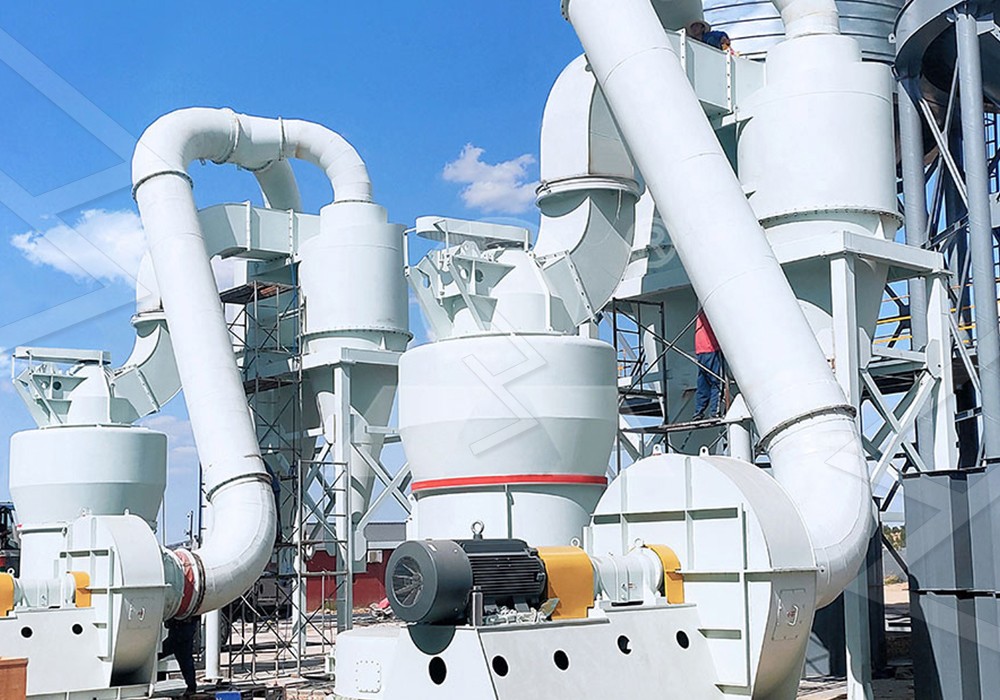
The heart of the cost lies in the mill’s construction. For abrasive materials like foundry coal, the wear resistance of grinding components is paramount. Mills equipped with high-chromium alloy or ceramic-lined rollers and grinding tables command a higher initial price but offer dramatically lower lifetime operating costs through reduced downtime and spare part consumption. The sophistication of the grinding curve design, which directly impacts efficiency and particle size distribution, also factors into the R&D cost baked into the price.
2. Ancillary System Integration & Automation Level
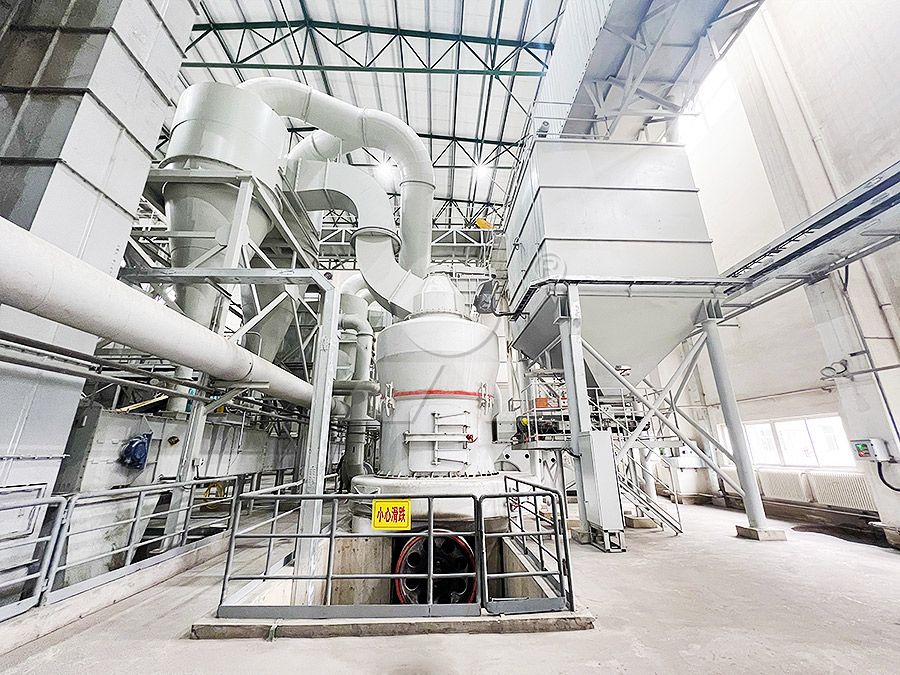
A 50tph mill is not a standalone machine; it’s the core of a system. The quotation must account for integrated ancillaries like the hot air generator (for drying high-moisture coal), the high-efficiency cyclone and baghouse dust collector, the screw conveyors, and the electrical control cabinet. The level of automation—from basic PLC controls to a full Plant Process Control (PPC) system with remote monitoring—will significantly affect the price. A higher degree of automation improves consistency and reduces labor costs but increases the upfront investment.
3. Power & Energy Efficiency Design
The motor rating and drive train design are major cost components. A mill engineered for higher energy efficiency, perhaps through an optimized grinding mechanism and low-resistance aerodynamic design, may have a slightly higher purchase price. However, the Total Cost of Ownership (TCO) analysis will show substantial savings. For instance, a mill that saves 30-40% on power consumption compared to a ball mill can offset the price difference within a short operational period, especially at a 50tph throughput.
Beyond the Machine: The Hidden Lines in a Quotation
A transparent quotation separates equipment cost from service costs. Key items to scrutinize include:
- Shipping & Logistics: Cost varies greatly based on Incoterms (FOB, CIF, etc.), port of departure, and final site location.
- Installation & Commissioning: Does the price include supervision by factory engineers? Are local labor costs for assembly included?
- Spare Parts Package: A mandatory initial set of wear parts (rollers, table liners, nozzles) is typically quoted separately.
- Training & Documentation: Professional on-site training for your operators and maintenance team is invaluable and should be a defined line item.
Strategic Product Consideration: The LIMING LM Vertical Coal Mill
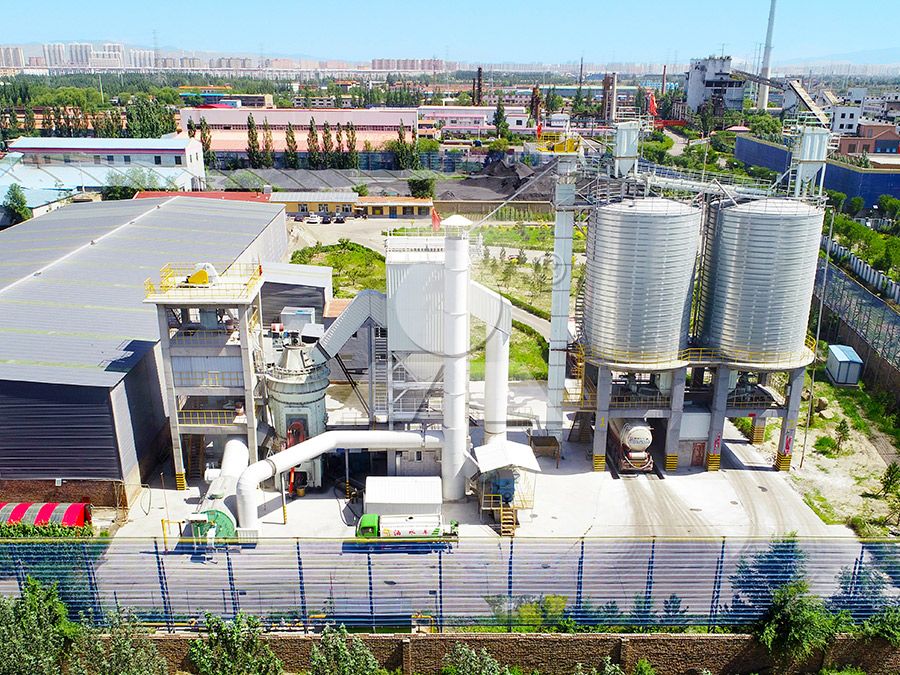
When evaluating solutions for a 50tph foundry coal application, the LIMING LM Vertical Coal Mill presents a compelling case study in balancing performance with cost-effectiveness. Engineered specifically for pulverized coal, it integrates drying, grinding, and powder selection in a single unit. Its defining features directly address the quotation factors discussed:
- Proven 50tph+ Capacity: Designed for high throughput, it reliably meets the target production rate.
- Integrated Drying & Grinding: Handles coal with moisture, potentially reducing or eliminating the need for a separate, costly dryer system.
- Energy Efficiency: Its grinding mechanism consumes 40%-50% less power than a traditional ball mill, a critical operational saving that improves the payback period.
- Stable Product Quality: The short material residence time (2-3 minutes) and negative-pressure operation ensure consistent fineness and low iron contamination, crucial for foundry coke quality.
For operations requiring ultra-fine pulverization or processing of other minerals alongside coal, the LUM Ultrafine Vertical Grinding Mill is another technologically advanced option. It incorporates the latest roller and powder separating technology, offering exceptional fineness control and operational stability for specialized applications.
Securing a Fair Quote: A Buyer’s Checklist
- Provide Detailed Raw Material Data: Share coal analysis (moisture, ash, volatility, hardness), feed size, and required product fineness.
- Request a Total System Layout: Ask for a preliminary flow diagram to understand the complete scope of supply.
- Compare TCO, Not Just Price: Factor in projected energy use, wear part life, and maintenance requirements from each vendor.
- Verify References: Ask for contact information for existing clients with similar capacity mills.
- Clarify Warranty & Service Support: Understand what is covered, for how long, and the responsiveness of the service network.
Investing in a 50tph vertical mill is a strategic move. By understanding the multifaceted nature of its pricing and focusing on the technology that delivers lower lifetime costs, you can transform this capital expenditure into a driver of long-term productivity and profitability.
Frequently Asked Questions (FAQ)
Q1: What is the typical price range for a complete 50tph foundry coal vertical mill system?
A: Providing a single price is misleading, as the final cost is highly customized. It depends on the factors outlined above—material of construction, automation level, and system scope. A ballpark figure for a complete system from a reputable manufacturer can range from several hundred thousand to over a million USD. The only way to get an accurate price is to submit your specific project parameters for a formal quotation.
Q2: Why is a vertical mill recommended over a traditional ball mill for foundry coal?
A: Vertical mills offer distinct advantages for coal grinding: significantly higher energy efficiency (30-50% savings), integrated drying capability, a smaller footprint, and lower noise levels. They also provide better control over product fineness and have a faster response time to adjustments, making them more suitable for modern, automated foundry operations.
Q3: How long does it typically take from order to commissioning for a system of this scale?
A: The lead time generally ranges from 4 to 8 months. This includes manufacturing of the main mill and components, sea freight, and on-site installation and commissioning. The timeline can vary based on factory production schedules, shipping logistics, and the complexity of the civil work required at your site.
Q4: What are the most critical spare parts to keep in stock for uninterrupted operation?
A> The highest-wear items are the grinding rollers and the grinding table liners/segs. It is highly recommended to keep a full set of these wear parts on hand. Other critical spares include roller seals, nozzle rings, and key sensors for the lubrication and hydraulic systems, as specified in the mill’s maintenance manual.
Q5: Can the mill handle variations in coal quality, such as changes in moisture or hardness?
A: Yes, but within design limits. Modern vertical mills like the LM series are designed with adjustable parameters. The grinding pressure can be hydraulically adjusted, and the separator speed can be changed to compensate for some variation in material hardness. For significant, sustained changes in raw material properties, a review with the manufacturer’s engineering team is advised to ensure optimal performance.