
Raymond Mill Manufacturers: How to Choose the Best Industrial Grinding Equipment Supplier
We provide a wide range of mills — including Raymond mill, trapezoidal mill, vertical mill, ultrafine mill, and ball mill, obtained ISO9001 international quality certification, EU CE certification, and Customs Union CU-TR certification. Suitable for processing minerals such as limestone, phosphate, quicklime, kaolin, talc, barite, bentonite, calcium carbonate, dolomite, coal, gypsum, clay, carbon black, slag, cement raw materials, cement clinker, and more.
The discharge range of these mills can be adjusted to meet specific processing needs, typically from 80-400 mesh, 600-3250 mesh, and can achieve the finest particle size of up to 6000 mesh(D50).
If you are looking for a reliable grinding solution to turn stone or minerals into fine powder, please feel free to contact our online customer service.
Raymond Mill Manufacturers: How to Choose the Best Industrial Grinding Equipment Supplier
Selecting the right grinding equipment and its manufacturer is a critical decision that impacts your plant’s productivity, product quality, and long-term operational costs. With numerous Raymond mill manufacturers and suppliers in the market, making an informed choice requires careful evaluation beyond just the initial price tag. This guide outlines the key factors to consider when choosing your industrial grinding equipment partner.
1. Assess Core Technological Capability and Innovation
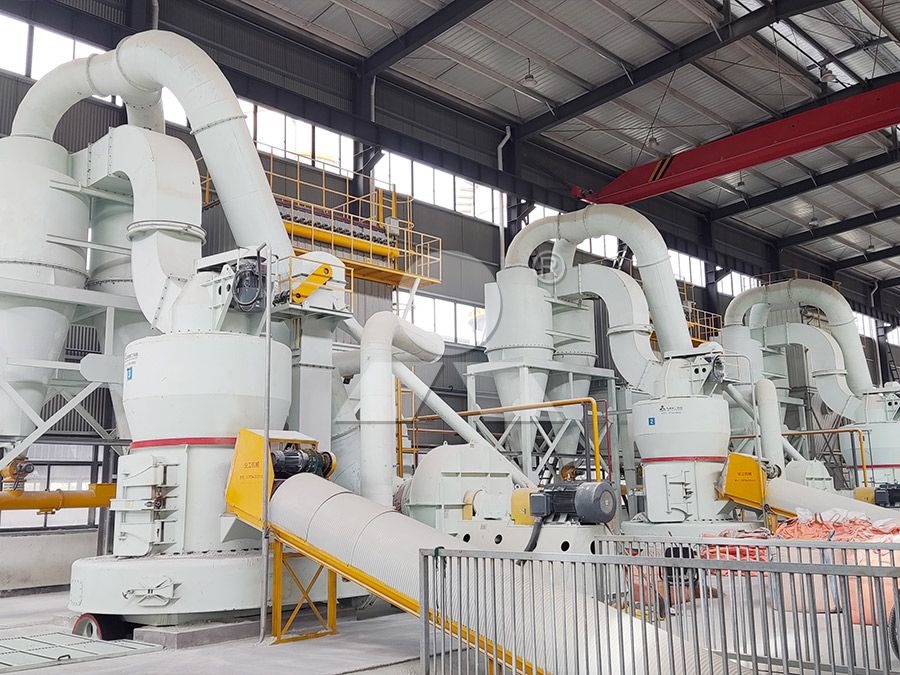
The heart of any grinding mill lies in its design and engineering. A reputable manufacturer invests continuously in R&D to improve grinding efficiency, energy consumption, and fineness control. Look for suppliers who demonstrate a clear evolution in their product lines, incorporating advanced technologies like German powder separating systems, PLC automation, or innovative grinding curve designs. These features directly translate to higher yield, better product consistency, and lower operating expenses.
2. Evaluate the Range and Specialization of Product Portfolio
Your material is unique. Whether processing limestone for paint, coal for power, or slag for cement, the optimal mill varies. A superior supplier offers a comprehensive portfolio, from traditional Raymond Mills and Ball Mills for coarse grinding to advanced vertical and ultrafine systems. This indicates deep application knowledge and allows them to recommend the most efficient solution, not just the most readily available one.
For instance, operations requiring ultra-fine powders between 325-2500 meshes should consider specialized equipment like the MW Ultrafine Grinding Mill. This machine is engineered for high-precision powder production, featuring a cage-type powder selector for adjustable fineness and a design that eliminates rolling bearings in the grinding chamber for enhanced reliability. With a capacity of 0.5-25 tph and integrated efficient dust collection, it represents a specialized solution for demanding fine-grinding applications in chemicals, cosmetics, and advanced materials.
3. Scrutinize Build Quality, Precision, and Support Infrastructure
Heavy-duty grinding is punishing on machinery. The manufacturer’s commitment to quality is evident in their production process. Inquire about their machining capabilities—do they utilize numerical control (CNC) machine tools for core components? High-precision machining of grinding rollers, rings, and shafts ensures balance, longevity, and consistent performance.
Furthermore, a true partner stands behind their equipment for its entire lifecycle. Confirm the availability of original spare parts, technical support services, and maintenance training. A manufacturer that handles both production and sales directly, like LIMING, typically guarantees better accountability and faster response times than a mere distributor.
4. Prioritize Operational Efficiency and Total Cost of Ownership
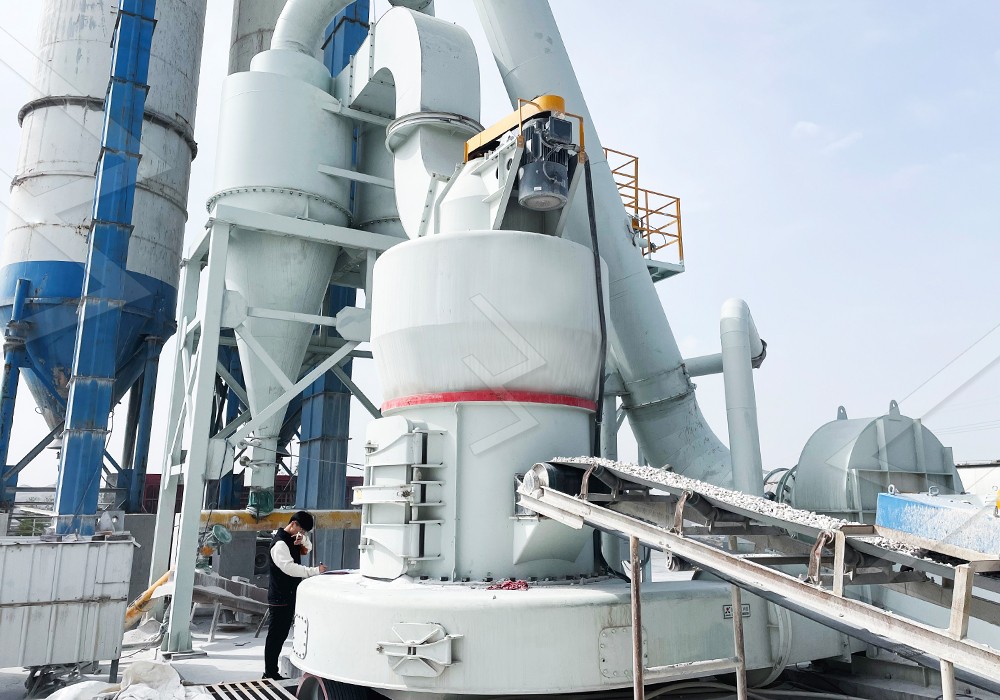
Look beyond the purchase price. Calculate the Total Cost of Ownership (TCO), which includes energy consumption, wear part replacement frequency, maintenance downtime, and required manpower. Modern mills are designed for TCO reduction. For high-capacity grinding of non-metallic minerals, the LM Vertical Grinding Mill is a prime example. It integrates crushing, drying, grinding, and classifying, reducing the footprint by 50% and energy use by 30-40% compared to ball mill systems. Its stable operation under negative pressure also ensures an environmentally clean workspace.
Key efficiency features to demand include: energy-saving planetary gear reducers, advanced powder separators that reduce recirculation load, and automatic lubrication systems that allow maintenance without shutdowns.
5. Demand Environmental and Safety Compliance
Modern industrial operations cannot overlook environmental impact. Leading manufacturers design mills with integral environmental controls. This includes pulse-jet baghouse dust collectors with high filtration efficiency, soundproofing rooms or silencers to reduce noise pollution, and fully sealed systems that operate under negative pressure to prevent dust spillage. Ensure the equipment is designed to meet or exceed international environmental and safety standards.
6. Verify Real-World Experience and Customer References
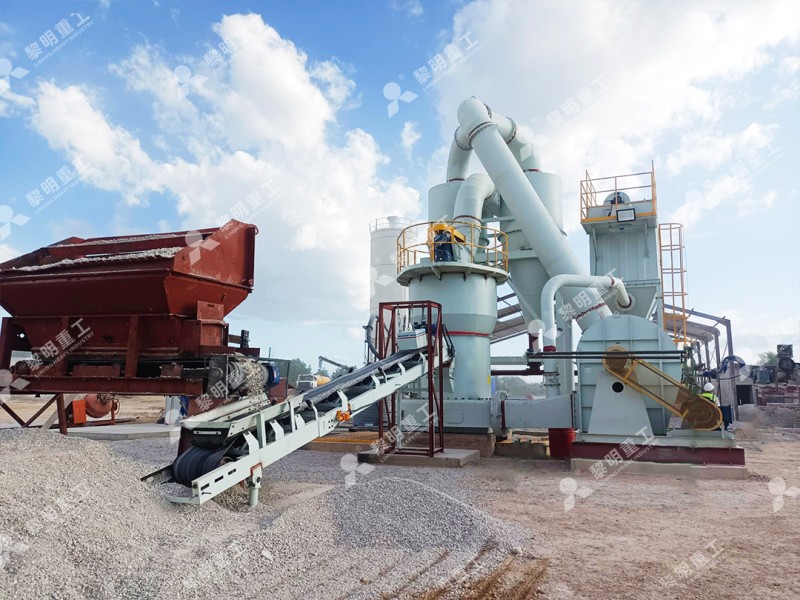
A manufacturer’s brochure tells one story; their customers tell another. Request case studies or references from projects with similar materials and required output. A proven track record in your specific industry (e.g., mining, ceramics, chemical, or power plant desulfurization) is invaluable. It demonstrates the supplier’s ability to deliver not just a machine, but a reliable production solution.
Conclusion: Partnering for Long-Term Success
Choosing the best Raymond mill manufacturer is about forging a partnership for the long haul. It requires balancing technical specifications with the supplier’s reliability, innovation pace, and service commitment. By thoroughly evaluating technological depth, product suitability, build quality, operational economics, and environmental design, you can select a supplier that will deliver not just equipment, but sustained competitive advantage for your grinding operations.
Frequently Asked Questions (FAQs)
1. What is the main difference between a Raymond Mill and an Ultrafine Grinding Mill?
Raymond Mills are first-generation grinding mills ideal for producing coarse to medium-fine powders (typically up to 325 mesh) with simple operation and lower investment. Ultrafine Grinding Mills, like the MW series, are designed for much finer powders (325-2500 mesh). They incorporate advanced separators, precise grinding curve designs, and often different grinding principles to achieve higher fineness and uniformity, making them suitable for high-value additives and chemicals.
2. How important is the powder separator in a grinding mill system?
Extremely important. The powder separator (or classifier) is the component that determines the final product fineness. Advanced separators, such as the cage-type or multi-head designs used in our MW and LUM mills, allow precise control over the cut point, ensure a narrow particle size distribution, and improve system efficiency by quickly returning oversized particles for regrinding, thereby increasing yield and reducing energy waste.
3. Can your grinding mills handle moist materials?
Yes, but the suitable model depends on the moisture content. Vertical grinding mills like the LM and LUM series integrate a drying function. Hot air is introduced into the grinding chamber, simultaneously drying and grinding the material. This is ideal for materials with moderate moisture. For very wet materials, a pre-dryer might be recommended. It’s essential to discuss your material’s specific properties with our engineers for a tailored system design.
4. What kind of after-sales support can we expect?
We provide comprehensive life-cycle support. This includes installation supervision & commissioning, operator training, detailed operation & maintenance manuals, and 24/7 remote technical consultation. Crucially, we guarantee the supply of original, high-quality spare parts manufactured to the same precision standards as the original equipment, ensuring optimal performance and longevity.
5. How do you ensure the wear parts last longer?
We employ multiple strategies: First, we use specially developed wear-resistant alloys for grinding rollers and rings, offering 1.7-2.5x the lifespan of standard manganese steel. Second, our proprietary grinding curve designs promote material-bed grinding, which reduces direct metal-to-metal wear. Finally, features like the reversible roller structure in our LUM mill allow even wear distribution and easier maintenance, extending the service intervals for critical components.