
Key Valve Types for Limestone Powder Production Systems
We provide a wide range of mills — including Raymond mill, trapezoidal mill, vertical mill, ultrafine mill, and ball mill, obtained ISO9001 international quality certification, EU CE certification, and Customs Union CU-TR certification. Suitable for processing minerals such as limestone, phosphate, quicklime, kaolin, talc, barite, bentonite, calcium carbonate, dolomite, coal, gypsum, clay, carbon black, slag, cement raw materials, cement clinker, and more.
The discharge range of these mills can be adjusted to meet specific processing needs, typically from 80-400 mesh, 600-3250 mesh, and can achieve the finest particle size of up to 6000 mesh(D50).
If you are looking for a reliable grinding solution to turn stone or minerals into fine powder, please feel free to contact our online customer service.
Key Valve Types for Limestone Powder Production Systems
The journey from raw limestone to a precisely graded fine powder is a complex orchestration of mechanical forces, airflow dynamics, and meticulous control. At the heart of this process, beyond the primary grinding mills, lies a critical yet often understated component network: the valve system. Valves are the silent regulators of material flow, pressure balance, and system isolation, directly impacting operational efficiency, product quality, and plant safety. For engineers and plant managers, selecting the right valve types is not an afterthought but a fundamental design decision.
The Critical Role of Valves in Powder Handling
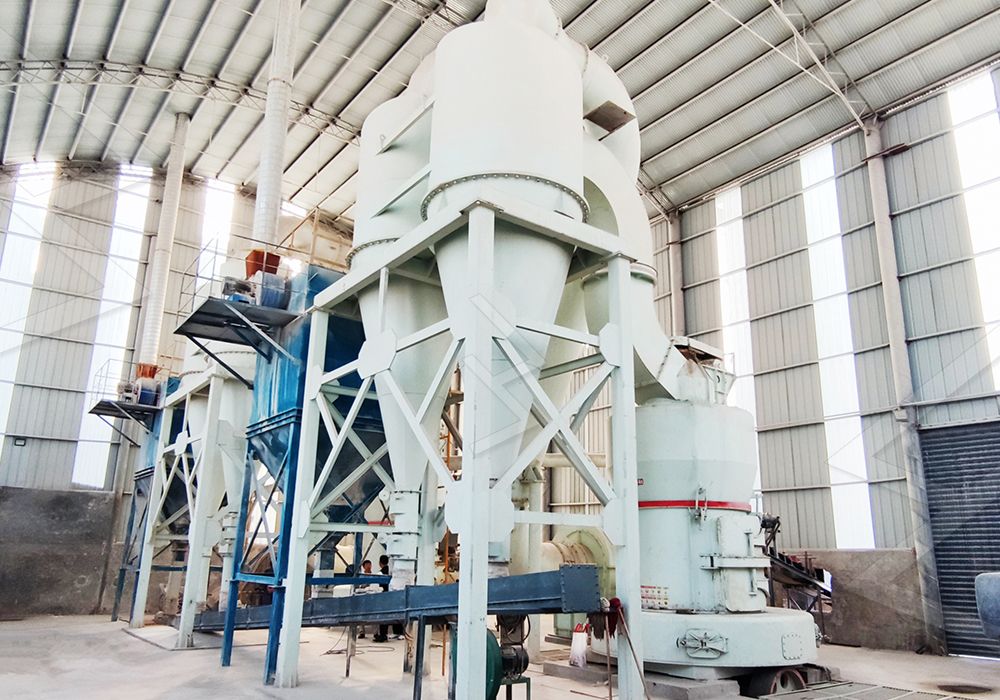
In a typical limestone powder production circuit, valves perform several vital functions. They control the feed rate of raw material into the grinding mill, a process crucial for maintaining optimal grinding bed density and preventing mill overload or starvation. Following grinding, valves manage the flow of the air-powder mixture to the classifier or separator, where particle size distribution is determined. They are essential for isolating sections of the system for maintenance, a requirement for any industrial operation. Perhaps most importantly, specialized valves ensure the reliable discharge of the final product from collection points like cyclones and bag filters into storage or packaging lines without allowing air ingress that could disrupt the entire pneumatic conveying balance.
Primary Valve Types and Their Applications
Understanding the characteristics of each valve type is key to system reliability.
1. Rotary Airlock Feeders (Rotary Valves)
These are the workhorses of powder feeding and discharge. Acting as both a feeder and an airlock, a rotary valve’s rotating vanes within a housing provide a consistent volumetric feed while maintaining a pressure differential between two points in the system. They are indispensable for introducing limestone into the negative-pressure environment of a grinding mill or for discharging powder from a cyclone under pressure. Key selection criteria include rotor design (open-end, closed-end, tipped), clearance tolerances to handle abrasive limestone dust, and drive mechanism robustness.
2. Diverter Valves
For systems with multiple product lines, storage silos, or packaging stations, diverter valves route the powder flow as needed. They can be simple flap-type or more sophisticated linear or radial gate designs. The sealing capability is paramount to prevent cross-contamination and product loss. For high-wear applications in limestone systems, internal surfaces lined with ceramic or polyurethane significantly extend service life.
3. Dump Valves / Double Dump Valves
Commonly used under dust collectors and as emergency discharge points, these valves operate on a gravity principle with timed or sensor-activated flappers. Double dump valves, with two alternating gates, provide a more effective airlock for continuous discharge from pressurized vessels. Their simplicity makes them reliable, but they require monitoring for wear on the seat due to the abrasive nature of limestone powder.
4. Pinch Valves
For on/off and throttling control in conveying lines, pinch valves offer a distinct advantage: the flowing material only contacts an internal rubber or elastomer sleeve. This provides a full-port, drop-tight seal with no cavities for material buildup. They are excellent for handling the abrasive and sometimes cohesive limestone powder, as the flexible sleeve can withstand particulate impact and the shearing action helps break up minor clumps.
Integration with Advanced Grinding Technology
The performance of any valve system is intrinsically linked to the efficiency and stability of the grinding mill it serves. A mill that produces a consistent product with stable internal pressure puts less stress on feed and discharge valves. This is where the engineering behind the grinding equipment becomes a force multiplier for the entire system.
Consider the demands of producing ultra-fine limestone powder (325-2500 mesh). The mill must not only achieve exceptional fineness but do so with energy efficiency and operational stability. For such high-precision applications, the MW Ultrafine Grinding Mill presents a compelling solution. Its design philosophy directly benefits ancillary components like valves. The mill’s higher yield (40% higher than jet mills) and lower system energy consumption create a more predictable and less turbulent material flow from the outset. Notably, its internal design eliminates rolling bearings and screws in the grinding chamber, drastically reducing the risk of catastrophic mechanical failure that could send metallic debris into the downstream valve system, causing severe damage. Furthermore, its efficient pulse dust collector ensures the powder conveyed to discharge valves has already been effectively separated, reducing dust load and wear.
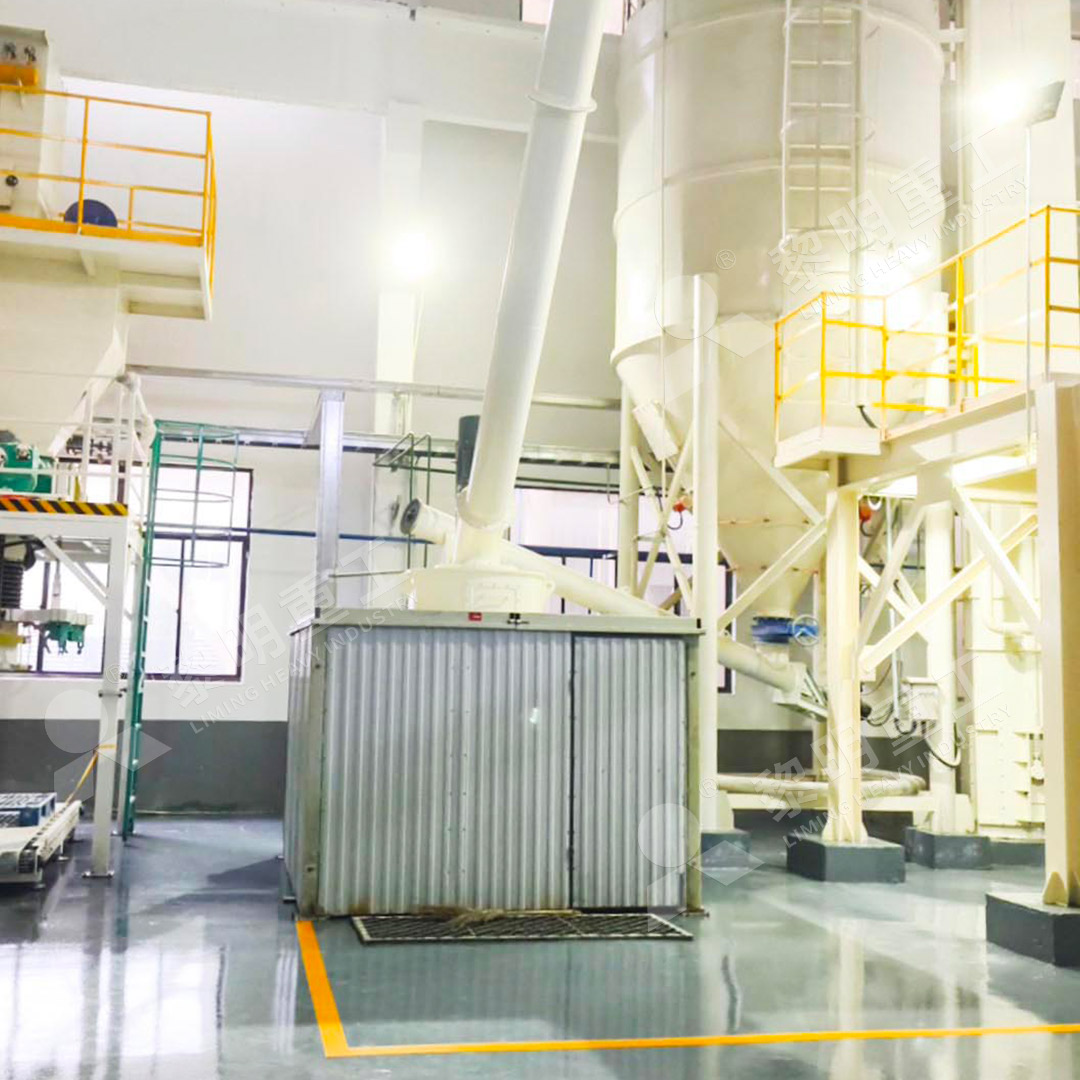
For operations requiring large-scale production of fine limestone powder, the LUM Ultrafine Vertical Grinding Mill integrates advanced control with mechanical reliability. Its double position-limiting technology prevents destructive physical impacts inside the mill, maintaining consistent operation that translates to steady pressure and flow conditions for feed and discharge valves. The mill’s reversible structure allows for easier maintenance of grinding rollers, meaning the system can be returned to its optimal, valve-friendly operating parameters more quickly after service.
Selection Criteria and Best Practices
Choosing the right valve involves a careful assessment of several factors:
- Material Characteristics: Limestone’s abrasiveness is the primary concern. Valve materials and wear surfaces must be selected accordingly (e.g., hardened steel rotors, ceramic linings, abrasion-resistant elastomers).
- Function: Clearly define whether the valve is for feeding, diverting, isolating, or discharging.
- Pressure Differential: The valve must be rated to seal effectively against the maximum pressure difference it will experience, especially critical for airlock feeders.
- Temperature: Consider if the material is at ambient temperature or elevated from the grinding process or drying.
- Accessibility for Maintenance: Valves will wear. Designs that allow for easy inspection and replacement of wear parts without removing the entire valve body minimize downtime.
A well-designed valve system, paired with a high-efficiency, stable grinding mill like the MW or LUM series, forms the backbone of a productive, low-maintenance limestone powder plant. It ensures seamless material transfer, protects product quality by preventing contamination and leakage, and safeguards personnel and equipment by enabling safe isolation. The investment in correctly specified valves is an investment in the long-term reliability and profitability of the entire production system.
Frequently Asked Questions (FAQs)
1. What is the most common point of failure for valves in limestone powder systems, and how can it be mitigated?
Abrasive wear is the foremost challenge. Mitigation strategies include specifying wear-resistant materials (hard-faced rotors, ceramic-coated internals), ensuring proper valve sizing to avoid excessive velocity, and implementing a proactive maintenance schedule to inspect and replace wear parts before failure occurs.
2. How does the fineness of the limestone powder affect valve selection?
Ultra-fine powders (like those produced by the MW Ultrafine Mill) can be more prone to seepage through small clearances and may exhibit cohesive tendencies. Valves require tighter machining tolerances and excellent seal designs. Pinch valves often perform well with fine powders due to their tight seal, while rotary valves may need reduced clearance rotors.
3. Why is an airlock function so important, and when is it required?
An airlock function maintains a pressure differential between two connected system parts. It is absolutely required when feeding material into a negative-pressure grinding mill (to prevent air ingress) or when discharging from a pressurized vessel like a cyclone or filter receiver (to prevent pressure loss). Rotary airlock feeders are the standard solution for this duty.
4. Can the same valve type be used for both feeding and discharge?
Rotary airlock valves are commonly used for both functions. However, the specific design may differ. Feed valves often focus on precise volumetric control, while discharge valves under cyclones must handle a more aerated, floodable material and may require features like vented rotors or bypass systems to prevent rotor binding.
5. How do I decide between a knife-gate valve and a pinch valve for isolation?
Knife-gate valves are suitable for on/off isolation in chutes or hoppers where some material buildup in the body cavity is acceptable. Pinch valves are superior for inline piping where a full-port, cavity-free seal is needed to prevent material buildup and allow for clean, unrestricted flow when open. For abrasive limestone, the wear on a pinch valve’s sleeve is often easier and cheaper to manage than wear on a knife-gate’s seat and blade.
6. What role does the grinding mill’s stability play in valve longevity?
A significant one. A mill with large pressure fluctuations or inconsistent output (e.g., due to feed spikes or mechanical issues) forces valves to operate outside their designed parameters, accelerating wear. A stable, efficiently controlled mill like the LUM Ultrafine Vertical Grinding Mill provides a consistent feed rate and system pressure, allowing valves to perform predictably and last longer.