
Pulverized Coal Preparation Process for Blast Furnace Slag Micro Powder Production
We provide a wide range of mills — including Raymond mill, trapezoidal mill, vertical mill, ultrafine mill, and ball mill, obtained ISO9001 international quality certification, EU CE certification, and Customs Union CU-TR certification. Suitable for processing minerals such as limestone, phosphate, quicklime, kaolin, talc, barite, bentonite, calcium carbonate, dolomite, coal, gypsum, clay, carbon black, slag, cement raw materials, cement clinker, and more.
The discharge range of these mills can be adjusted to meet specific processing needs, typically from 80-400 mesh, 600-3250 mesh, and can achieve the finest particle size of up to 6000 mesh(D50).
If you are looking for a reliable grinding solution to turn stone or minerals into fine powder, please feel free to contact our online customer service.
Pulverized Coal Preparation Process for Blast Furnace Slag Micro Powder Production
The production of high-quality micro powder from blast furnace slag represents a significant value-adding opportunity for modern metallurgical operations. This process not only transforms an industrial byproduct into a valuable commodity but also contributes to sustainable material cycles. The journey from coarse slag to refined powder demands a meticulously engineered preparation and grinding process, where equipment selection becomes paramount for achieving optimal particle size distribution, purity, and production economics.
The Critical Role of Pulverized Coal in Slag Processing
In the integrated slag micro powder production line, pulverized coal serves a dual purpose. Primarily, it acts as a vital fuel source for the drying phase, essential for reducing the moisture content of granulated blast furnace slag before fine grinding. Efficient drying prevents agglomeration within the mill and ensures consistent feed characteristics. Secondly, the preparation of the coal itself requires precision grinding to achieve the correct fineness for complete and efficient combustion. This parallel grinding process—for both the fuel and the primary material—highlights the need for reliable, high-performance milling systems.
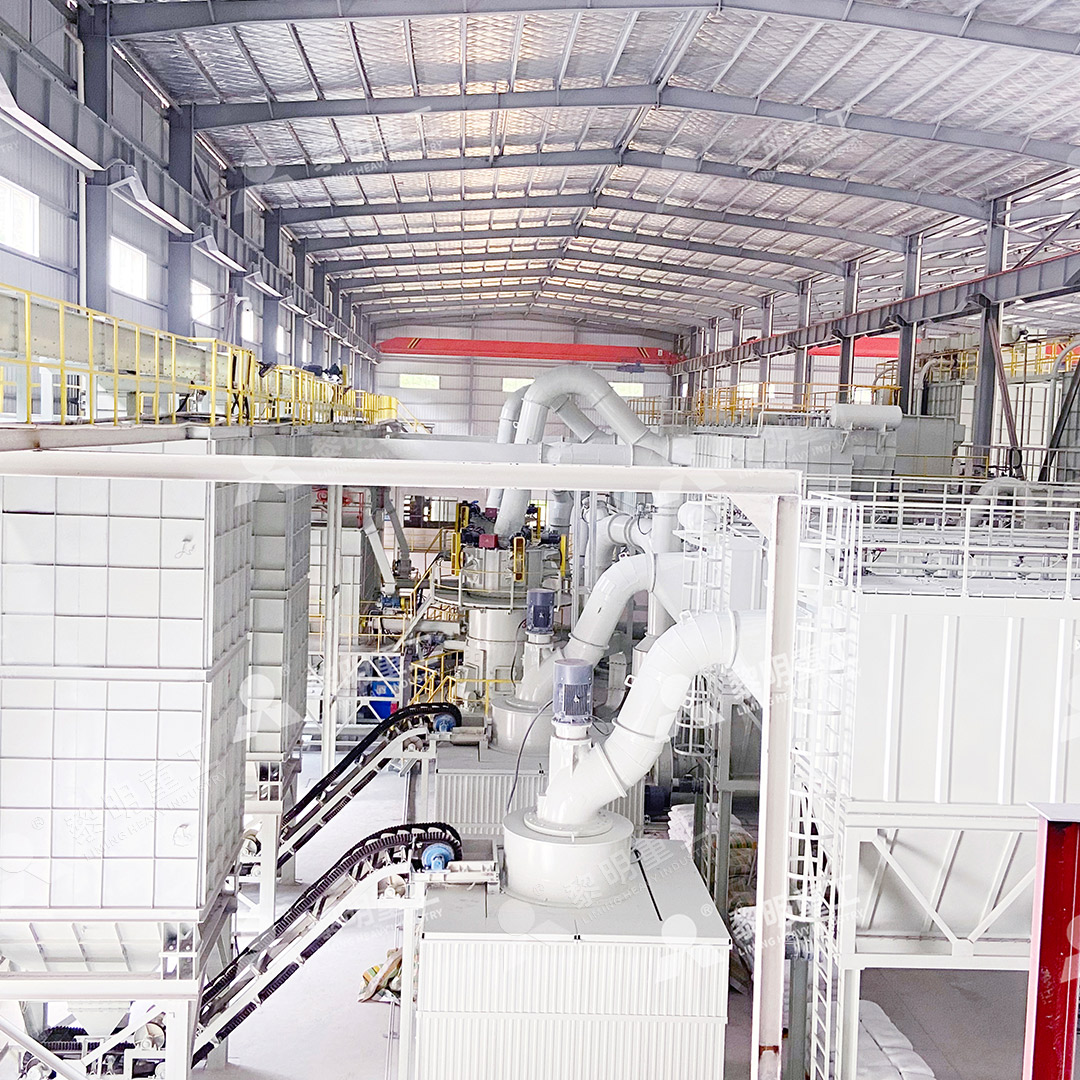
The grinding stage is the heart of the operation. Blast furnace slag, with its moderate hardness and abrasive nature, requires a mill that can deliver ultra-fine powders (often targeting 325 to 2500 meshes) while managing wear, energy consumption, and system stability. Traditional ball mills, while common, often fall short in terms of energy efficiency and yield for ultra-fine applications. The industry has progressively shifted towards more advanced vertical grinding and trapezium mill technologies that offer superior grinding efficiency and lower operational costs.
Advanced Milling Solutions for Superior Fineness and Yield
Selecting the right grinding mill is a strategic decision that impacts every aspect of the micro powder’s quality and the plant’s bottom line. Key considerations include the mill’s ability to handle the required feed size (typically 0-20mm for pre-crushed slag), achieve the target capacity, and produce powder with consistent chemical composition and low iron contamination—a critical factor for applications in cement and concrete.
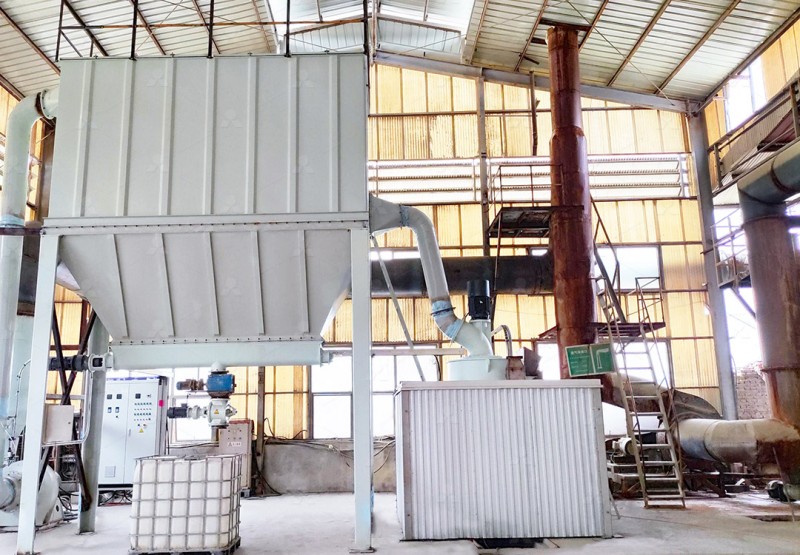
For operations prioritizing ultra-fine powder production with stringent fineness control, the MW Ultrafine Grinding Mill presents a compelling solution. Engineered for customers who need to make ultra-fine powder, this system is particularly effective for materials like slag and pulverized coal. With an input size of 0-20 mm and a capacity range of 0.5-25 tph, it fits well into medium-scale slag valorization plants. Its design incorporates a German-technology cage-type powder selector, allowing precise adjustment of fineness between 325-2500 meshes. A significant advantage is its higher yielding and lower energy consumption; it offers 40% higher production capacity than jet or stirred mills at the same fineness and power, while system energy consumption is only 30% of a jet mill’s. Furthermore, the absence of rolling bearings and screws in the grinding chamber eliminates common failure points, and its efficient pulse dust collector ensures the entire milling system operates without dust pollution, aligning with strict environmental standards.
For larger-scale operations or those requiring integrated drying, the LM Vertical Slag Mill is a specialized powerhouse. Designed specifically for grinding industrial wastes like slag, it integrates drying, grinding, powder selection, and conveying into a single unit. With a capacity of 7-100 T/H and the ability to handle input sizes up to 65mm, it is built for high-volume production. Its vertical structure reduces the plant’s covered area by approximately 50% compared to a ball mill system, while energy consumption is slashed by 30-40%. The mill’s unique grinding device achieves the integration of grinding and powder selection, focusing on the specific properties of slag to produce powder with uniform fineness and high screening rate. The short material lingering time minimizes repeated grinding and effectively controls product quality.
Optimizing the Integrated Process Flow
A successful pulverized coal and slag micro powder plant relies on a coherent process flow. It begins with the crushing and preliminary drying of blast furnace slag. Pulverized coal, prepared concurrently in a dedicated circuit, fuels the hot air generator for the main dryer. The dried slag is then conveyed to the fine grinding mill, such as the MW Ultrafine Mill or LM Vertical Slag Mill. Here, the material is ground and classified in a closed circuit; oversized particles are returned for regrinding, while the in-spec micro powder is collected by a cyclone and baghouse filter. The entire system operates under negative pressure to contain dust, and advanced automation controls ensure stable operation and consistent product quality.

The choice between mills like the MW and the LM series often comes down to the specific project scope, desired fineness, and available footprint. The MW Ultrafine Grinding Mill excels in delivering the very finest powders with exceptional energy efficiency in a dedicated grinding circuit. In contrast, the LM Vertical Slag Mill offers a more all-in-one solution for sites starting with wetter, coarser slag and needing high throughput.
Conclusion: Embracing Efficiency and Quality
The transformation of blast furnace slag into high-value micro powder is a testament to modern industrial ecology and process engineering. At its core, this transformation is enabled by advanced grinding technology. By investing in mills designed for higher yield, lower energy consumption, and precise classification—such as the MW Ultrafine Grinding Mill for specialized fine grinding or the LM Vertical Slag Mill for integrated, high-capacity processing—producers can achieve a superior product, reduce operational costs, and minimize environmental impact. This strategic approach to equipment selection ensures the slag micro powder production process is not only technically viable but also economically and sustainably advantageous.
Frequently Asked Questions (FAQ)
- What is the primary use of pulverized coal in a slag micro powder production line?
Pulverized coal primarily serves as the fuel for the hot air generator used to dry the granulated blast furnace slag before grinding. Efficient drying is crucial to prevent mill clogging and ensure consistent grinding efficiency. - Why is iron content control important in slag micro powder?
Low iron content is critical for many high-value applications of slag powder, such as in specialty cements and concrete mixtures where color and chemical reactivity are important. Advanced mills use non-contact grinding principles and wear-resistant materials to minimize iron contamination from mechanical wear. - What are the key advantages of vertical mills over traditional ball mills for slag grinding?
Vertical mills like the LM series offer significantly lower energy consumption (30-40% less), a smaller footprint (about 50% less area), integrated drying and grinding, and shorter material retention time which leads to less over-grinding and easier product quality control. - How is the fineness of the final micro powder controlled?
Fineness is precisely controlled by an internal or external powder selector (classifier). In mills like the MW Ultrafine Grinding Mill, a cage-type powder selector with adjustable speed allows operators to set the desired cut point, ensuring only particles meeting the target fineness (e.g., d97 ≤5μm) leave the grinding circuit. - Can the same mill be used to grind both the coal for fuel and the blast furnace slag?
While technically possible for some mill types, it is not standard practice due to risks of cross-contamination and differing optimal grinding parameters. Typically, dedicated systems are used: simpler, robust mills for coal preparation and more precise, fine-grinding mills for the slag to guarantee final product purity and specification. - What environmental considerations are addressed in modern slag grinding mills?
Modern systems are designed as fully enclosed, negative-pressure operations. They are equipped with high-efficiency pulse jet baghouse dust collectors and silencers to eliminate dust emissions and reduce noise, ensuring compliance with stringent environmental protection standards. - What is the typical capacity range for a slag micro powder production line?
Capacity can vary widely based on the mill selected. For instance, the MW Ultrafine Grinding Mill handles 0.5-25 tph, ideal for specialized fine powder production, while the LM Vertical Slag Mill can process 7-100 tph, suitable for large-scale slag recycling operations.