
Raymond Mill vs Raymond Grinder: Key Differences and Applications
We provide a wide range of mills — including Raymond mill, trapezoidal mill, vertical mill, ultrafine mill, and ball mill, obtained ISO9001 international quality certification, EU CE certification, and Customs Union CU-TR certification. Suitable for processing minerals such as limestone, phosphate, quicklime, kaolin, talc, barite, bentonite, calcium carbonate, dolomite, coal, gypsum, clay, carbon black, slag, cement raw materials, cement clinker, and more.
The discharge range of these mills can be adjusted to meet specific processing needs, typically from 80-400 mesh, 600-3250 mesh, and can achieve the finest particle size of up to 6000 mesh(D50).
If you are looking for a reliable grinding solution to turn stone or minerals into fine powder, please feel free to contact our online customer service.
Raymond Mill vs Raymond Grinder: Key Differences and Applications
In the world of industrial grinding, the terms “Raymond Mill” and “Raymond Grinder” are often used interchangeably, leading to confusion among professionals specifying equipment for their operations. While they share a common historical lineage, modern technological evolution has created distinct differences in their design, capabilities, and optimal applications. Understanding these nuances is critical for selecting the right machinery to maximize efficiency, product quality, and return on investment.
Historical Context and Core Similarities
The original Raymond Mill, patented in the early 20th century, introduced the foundational principle of using spring-loaded grinding rollers against a rotating ring to pulverize materials. Both modern Raymond Mills and machines colloquially called “Raymond Grinders” operate on this centrifugal grinding principle. They are primarily used for medium and fine grinding of non-flammable and non-explosive materials with Mohs hardness below 9.3 and humidity under 6%, such as barite, calcite, feldspar, talc, marble, limestone, and dolomite.
Key Technical and Operational Differences
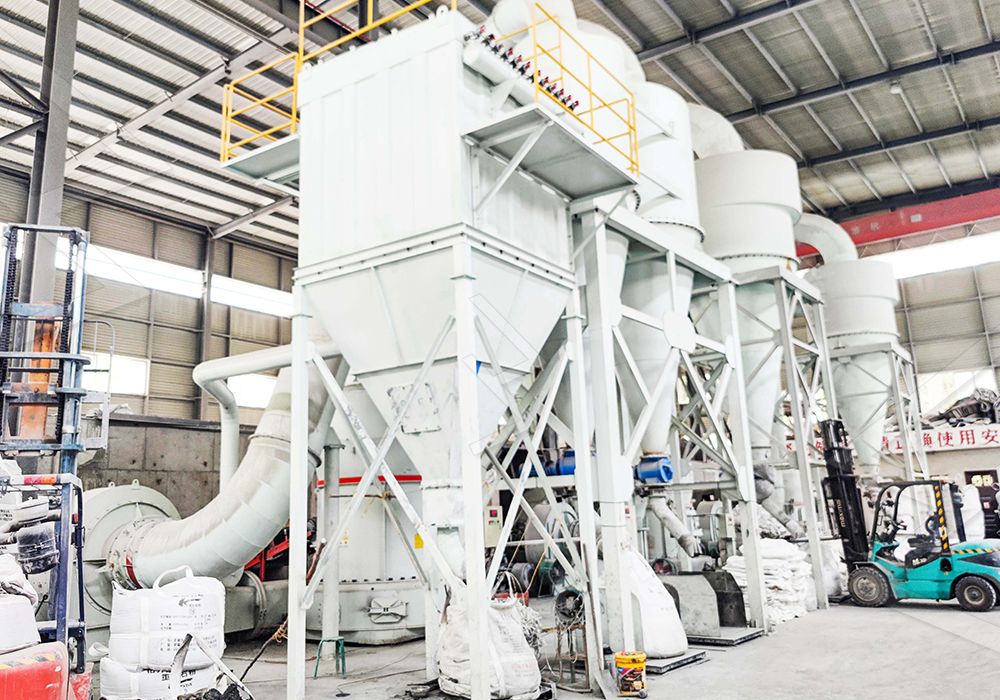
The primary distinction lies in their evolution and technological integration. A traditional Raymond Mill typically refers to the earlier, simpler mechanical design with a centralized drive, a blade-type classifier, and manual control of fineness. Its capacity is generally lower, and energy consumption higher per ton of output.
In contrast, contemporary advanced grinding systems, often marketed under the broader term Raymond Grinder or modernized mill series, incorporate significant technological upgrades. These include:
- Advanced Classifier Systems: Utilization of high-efficiency turbo or cage-type classifiers for more precise particle size separation and higher fineness ranges (often up to 2500 mesh).
- Automated Control: Integration of PLC systems for precise control over grinding pressure, classifier speed, and feeding rate.
- Structural Innovations: Features like curved air ducts for reduced airflow resistance, internal lubrication systems, and more wear-resistant roller/ring materials.
- Environmental & Efficiency Features: Integrated pulse dust collectors and silencers for eco-friendly operation, alongside designs that significantly lower specific energy consumption.
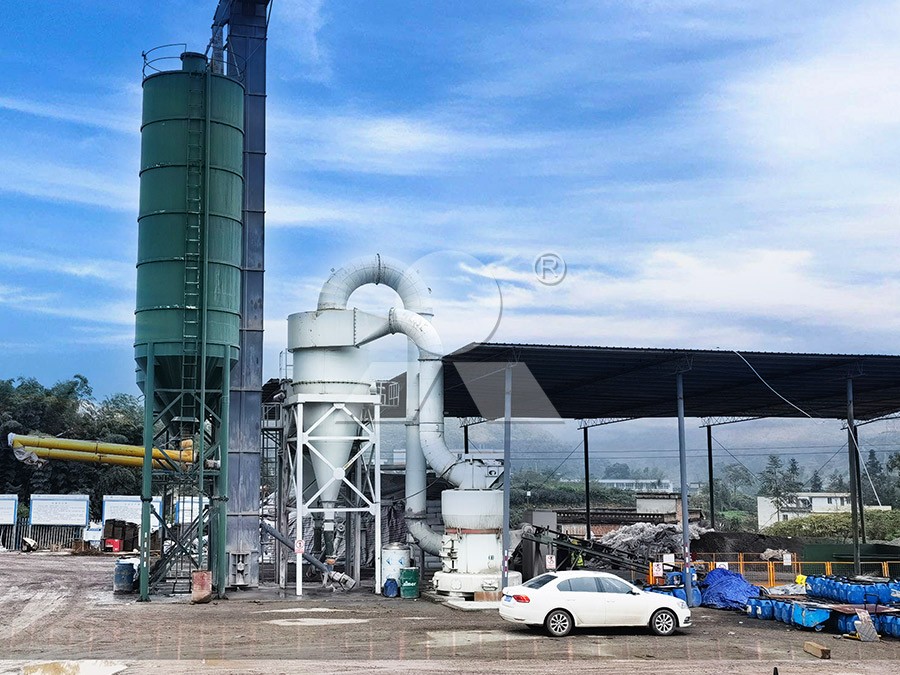
Essentially, while a Raymond Mill represents the proven base technology, a modern Raymond Grinder embodies its high-efficiency, automated, and environmentally optimized successor.
Application Scenarios: Choosing the Right Tool
The choice between a traditional mill setup and a modern grinder depends heavily on project requirements.
Traditional Raymond Mills may still be suitable for:
- Small-scale production or pilot plants with lower capacity needs.
- Applications where the required product fineness is below 400 mesh.
- Operations with strict initial budget constraints and less emphasis on long-term energy costs.
Modern Raymond Grinder Systems are indispensable for:
- Large-scale, continuous production requiring high consistency.
- Industries demanding ultra-fine powders (325-2500 mesh) such as advanced chemicals, cosmetics, or high-grade fillers.
- Operations where energy efficiency and lower operating costs are paramount.
- Plants with strict environmental regulations regarding dust and noise emissions.
The Evolution to Ultrafine Grinding: Introducing the MW Series
For applications demanding the pinnacle of fineness and efficiency, the industry has moved beyond even standard modern grinders to specialized ultrafine grinding mills. A prime example is our MW Ultrafine Grinding Mill, engineered for customers who need to produce ultra-fine powder with exceptional efficiency and environmental compliance.
The MW Series represents a significant leap forward. It is designed with a high-efficiency cage-type powder selector based on German technology, allowing precise fineness adjustment between 325 and 2500 meshes, achieving a remarkable screening rate of d97≤5μm in a single pass. Its innovative design eliminates rolling bearings and screws within the grinding chamber, virtually eliminating failures related to these components and enabling worry-free, continuous 24/7 operation. Furthermore, its higher yield and lower energy consumption are standout features; it offers 40% higher capacity than jet or stirred mills and double the output of a ball mill of comparable power, while consuming only 30% of the energy of a jet mill.
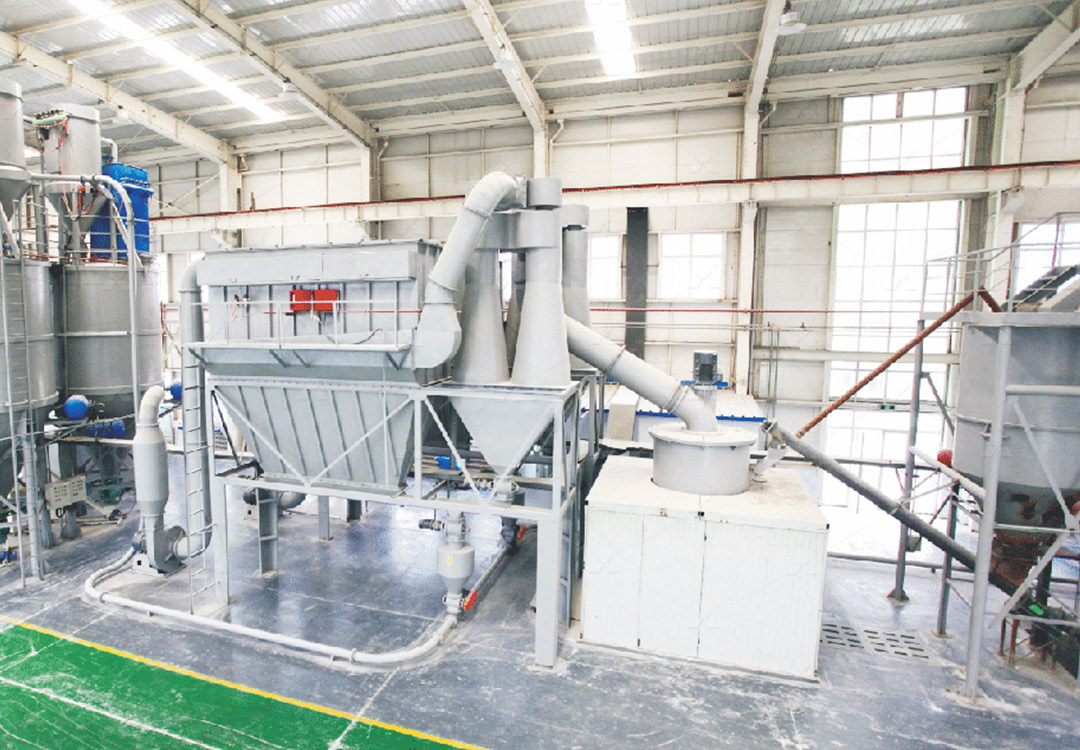
For operations requiring vertical grinding efficiency for slightly larger feed sizes, the LUM Ultrafine Vertical Grinding Mill is another excellent solution. Integrating ultrafine grinding, grading, and conveying, it features unique roller shell grinding curves for higher yield rates and a reversible structure that allows grinding rollers to be easily moved out for maintenance, drastically reducing downtime.
Conclusion
The journey from the classic Raymond Mill to today’s advanced Raymond Grinders and specialized ultrafine mills reflects the grinding industry’s pursuit of greater precision, efficiency, and sustainability. While the core grinding principle remains effective, the integration of digital controls, advanced material science, and innovative mechanical design has created a new generation of equipment. For any serious operation, evaluating these key differences is not just about terminology—it’s about selecting a system that aligns with specific production goals, quality standards, and total cost of ownership. Investing in a modern, high-efficiency system like the MW or LUM series often provides the fastest path to a competitive edge through superior product quality and significantly reduced operational expenses.
Frequently Asked Questions (FAQ)
- Q: Can a modern Raymond Grinder handle the same materials as the old Raymond Mill?
A: Yes, and more. Modern grinders are designed to process all traditional materials (limestone, calcite, etc.) but with greater efficiency and often to a much finer degree. They can also handle a wider variety of materials due to adjustable grinding pressure and advanced classification. - Q: What is the single biggest advantage of newer grinding mill designs?
A: The most significant advantage is the dramatic improvement in energy efficiency per ton of output. Modern systems like the MW Ultrafine Mill can reduce specific energy consumption by 30-70% compared to older designs or alternative technologies like jet mills, leading to substantial operational cost savings. - Q: How important is the classifier in a modern grinding system?
A: Extremely important. The classifier is the component that determines the final product fineness and particle size distribution. Advanced classifiers (e.g., cage-type, turbo) offer much sharper cuts, higher efficiency, and the ability to easily adjust fineness without stopping the mill, which is crucial for product consistency and flexibility. - Q: Is the maintenance more complex for a modern Raymond Grinder?
A: Ironically, it is often simpler. Designs like our MW Mill, which has no internal bearings or screws in the grinding chamber, or the LUM Mill with its reversible roller system, are specifically engineered for easier access and maintenance, reducing both the frequency and duration of downtime. - Q: For a new project aiming for 800 mesh powder, which type of mill is recommended?
A: For consistent, high-volume production at 800 mesh (and beyond), a dedicated ultrafine grinding mill like the MW Ultrafine Grinding Mill is strongly recommended. Its specialized powder selector and grinding curve are optimized for this range, ensuring higher yield, lower energy use, and stable product quality compared to modifying a traditional mill.