
800 Mesh Limestone Grinding Mill: Complete Guide to Selection and Operation
We provide a wide range of mills — including Raymond mill, trapezoidal mill, vertical mill, ultrafine mill, and ball mill, obtained ISO9001 international quality certification, EU CE certification, and Customs Union CU-TR certification. Suitable for processing minerals such as limestone, phosphate, quicklime, kaolin, talc, barite, bentonite, calcium carbonate, dolomite, coal, gypsum, clay, carbon black, slag, cement raw materials, cement clinker, and more.
The discharge range of these mills can be adjusted to meet specific processing needs, typically from 80-400 mesh, 600-3250 mesh, and can achieve the finest particle size of up to 6000 mesh(D50).
If you are looking for a reliable grinding solution to turn stone or minerals into fine powder, please feel free to contact our online customer service.
Introduction: The Quest for Ultra-Fine Powder
Producing high-quality limestone powder at 800 mesh (approximately 18 microns) is a demanding industrial process that requires precision engineering, deep operational knowledge, and the right equipment. This fineness is critical for advanced applications in plastics, paints, coatings, adhesives, and high-performance construction materials, where particle size directly influences product properties like dispersion, strength, and reactivity. Selecting and operating a mill for this specific task is not a one-size-fits-all endeavor. This guide delves into the key considerations for achieving efficient, consistent, and profitable 800-mesh limestone production.
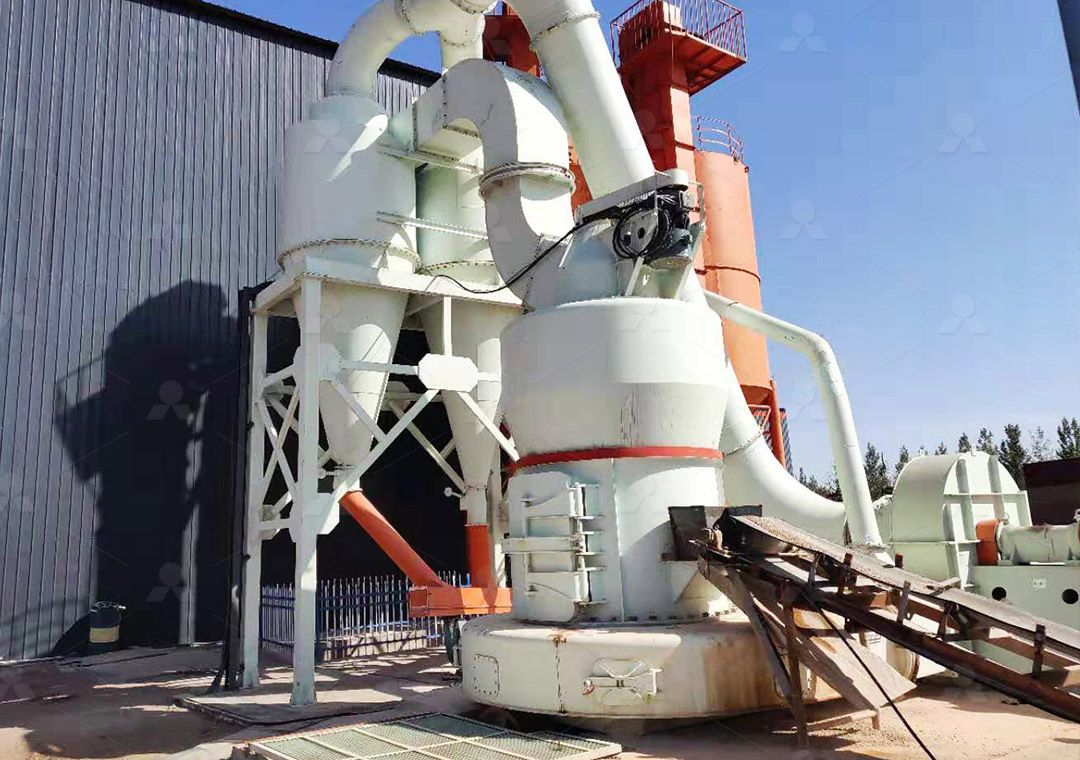
Core Selection Criteria for 800 Mesh Production
When targeting the 800-mesh range, several factors move beyond basic capacity requirements and become paramount:
- Precision Classification: The heart of ultra-fine grinding is the powder separator or classifier. It must perform accurate cuts at fine particle sizes with high efficiency to prevent energy waste on over-grinding coarse particles and ensure a tight particle size distribution.
- Grinding Mechanism & Efficiency: The grinding geometry—how rollers, rings, or millstones interact—must be designed to apply optimal grinding pressure and create a stable material bed. This directly impacts yield, energy consumption per ton, and wear rates.
- System Stability & Control: Consistent fineness requires a stable grinding environment. Look for features that mitigate vibration, allow precise control over grinding pressure and classifier speed, and enable easy adjustment to feed material variations.
- Environmental & Operational Design: Ultra-fine powders are challenging to contain. An integrated, negative-pressure system with high-efficiency pulse dust collection is non-negotiable for plant cleanliness and operator safety. Ease of maintenance, especially for grinding components, also significantly affects long-term operating costs.
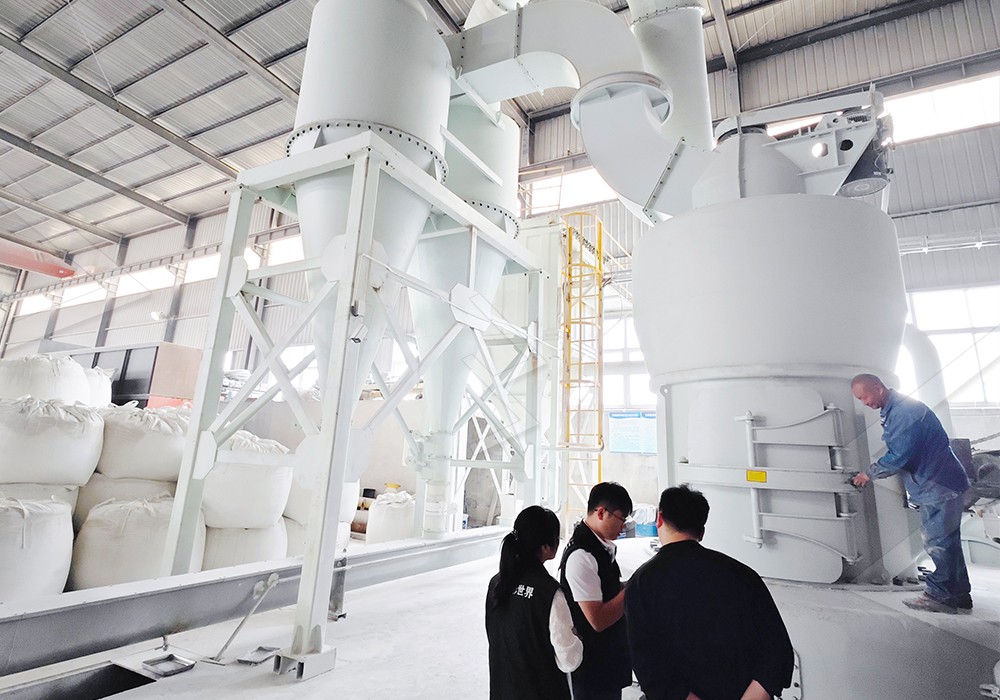
Operational Best Practices for Consistent 800 Mesh Output
Even the best equipment requires skilled operation to achieve optimal results. Key operational tenets include:
- Feed Material Preparation: Ensure a consistent feed size (typically below 20mm) and moisture content. Pre-drying may be necessary if moisture exceeds the mill’s design parameters, as excessive moisture can lead to clogging and reduced classification efficiency.
- System Start-up & Shutdown Sequence: Always follow the manufacturer’s prescribed sequence. Typically, this involves starting the dust collector and downstream equipment first, followed by the main mill and classifier, and finally the feeder. Reverse the order for shutdown. This prevents material buildup and potential damage.
- Monitoring & Adjustment: Continuously monitor key parameters: main motor amperage (indicator of grinding load), fan amperage, differential pressure across the mill, and outlet temperature. Adjust the feeder rate to maintain a stable grinding bed and use classifier speed as the primary control for fineness adjustments.
- Preventive Maintenance: Establish a strict schedule for inspecting wear parts like grinding rollers and rings, checking lubrication systems, and cleaning or replacing filter bags in the dust collector. Tracking wear part life helps predict downtime and plan inventory.
Technology Spotlight: The MW Ultrafine Grinding Mill for Precision Applications
For operations where achieving 800 mesh is a daily requirement, a mill engineered specifically for the ultra-fine range offers distinct advantages. A prime example is our MW Ultrafine Grinding Mill. This machine is designed from the ground up for customers dedicated to producing powders between 325 and 2500 meshes.
Its defining feature is a multi-head cage-type powder selector employing German technology, which provides exceptional precision in particle separation, crucial for achieving a consistent d97 ≤ 5μm (approx. 800 mesh) product. The innovative grinding curve of its roller and ring assembly enhances efficiency, reportedly offering 40% higher capacity than some jet or stirred mills at the same power and fineness. Operationally, its design eliminates rolling bearings and screws inside the grinding chamber, removing common failure points. Furthermore, the integrated high-efficiency pulse dust collector and muffler ensure the entire production process meets stringent environmental standards, containing the ultra-fine powder effectively.
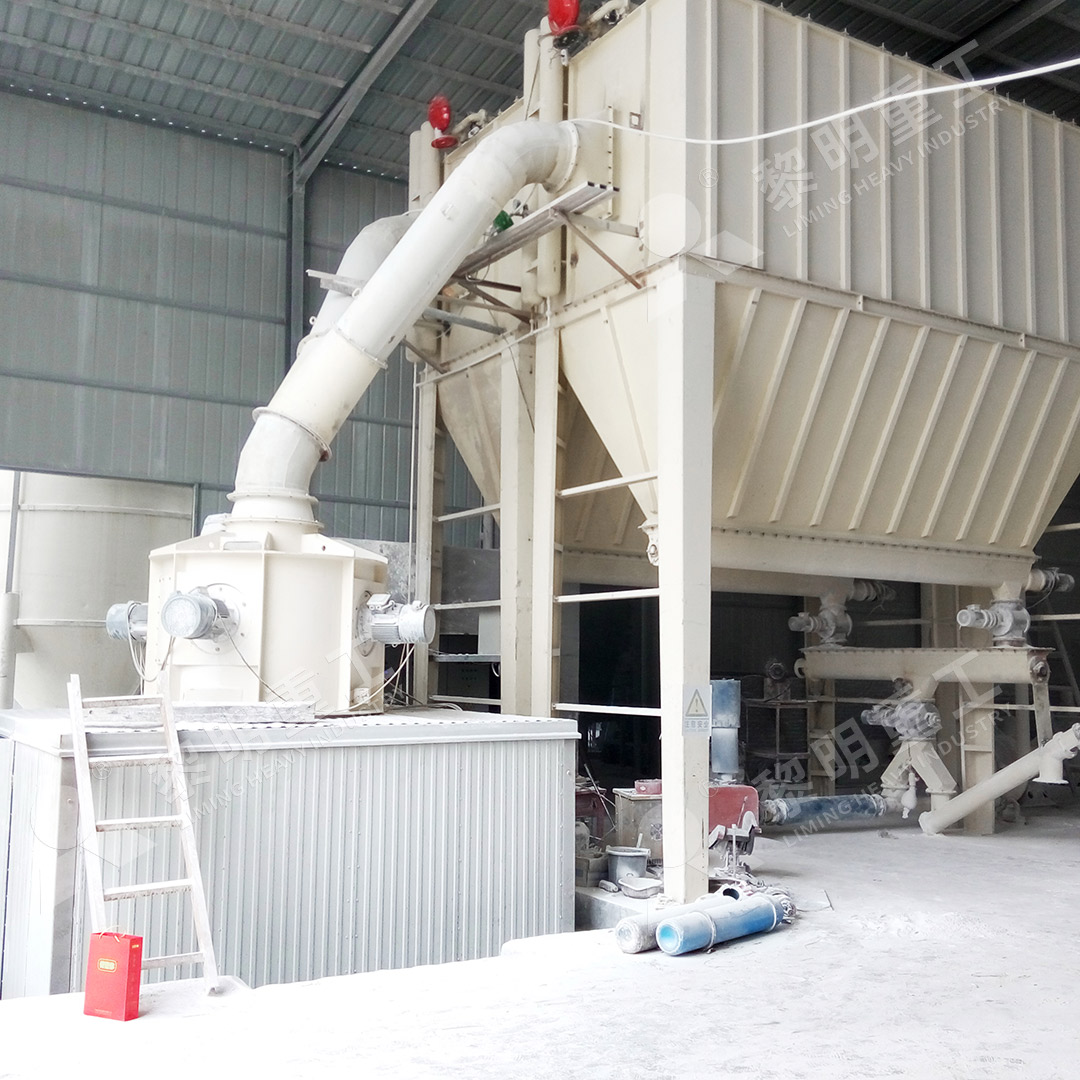
Considering Higher Volume Production: The LUM Ultrafine Vertical Mill
For larger-scale production of 800-mesh limestone where integration and automation are key, a vertical roller mill configuration is often ideal. Our LUM Ultrafine Vertical Grinding Mill represents this class. It integrates grinding, classification, and conveying with a footprint-saving vertical design. For 800-mesh output, its PLC-controlled multi-head powder separating technology allows for precise, automated control over the cut point, enabling quick adjustments for different product specifications. The mill features a unique reversible structure, allowing grinding rollers to be easily swung out for maintenance, drastically reducing service time for wear part replacement. This combination of precise classification, robust vertical grinding principle, and easy maintenance makes it a strong candidate for high-tonnage, ultra-fine powder production lines.
Conclusion
Successfully producing 800-mesh limestone powder is a blend of technology and technique. Carefully selecting a mill with a high-precision classifier, an efficient and stable grinding mechanism, and robust environmental controls sets the foundation. Pairing that equipment with disciplined operational practices around feed consistency, system monitoring, and preventive maintenance ensures long-term consistency, productivity, and cost-effectiveness. Evaluating purpose-built solutions like the MW Ultrafine Grinding Mill for specialized ultra-fine work or the high-capacity LUM Ultrafine Vertical Mill can provide the technological edge needed in today’s competitive market.
Frequently Asked Questions (FAQs)
1. What is the typical energy consumption for grinding limestone to 800 mesh?
Energy consumption varies significantly based on the mill technology, material hardness, and moisture. However, modern, efficient mills like vertical roller mills or advanced ring-roller mills can range from 50 to 90 kWh per ton for producing 800-mesh limestone, which is substantially lower than older technologies like traditional ball mills.
2. How often do the grinding rollers/rings need to be replaced?
Wear life depends on the abrasiveness of the limestone, the total throughput, and the material of the wear parts. With high-chrome or ceramic alloys, expect several thousand operating hours. Monitoring product fineness and mill power draw helps predict wear. Mills with reversible or symmetrical rollers can double service life by allowing flip-over or use of both sides.
3. Can the same mill produce different finenesses, like 400 mesh and 800 mesh?
Yes, most modern mills are designed for flexibility. The primary adjustment for fineness is the speed of the dynamic classifier or powder separator. By increasing the classifier speed, you achieve a finer cut (e.g., 800 mesh). Reducing the speed yields a coarser product (e.g., 400 mesh). Feed rate and grinding pressure may also need slight adjustment to optimize efficiency at different set points.
4. How is the final product collected, and is dust a major concern?
The powdered product is typically separated from the air stream in a cyclone and/or a baghouse (pulse-jet dust collector). The dust collector is a critical component, especially for ultra-fine powders. A well-designed, negative-pressure milling system with a high-efficiency pulse dust collector (like those integrated into the MW and LUM mills) contains over 99.9% of the dust, making the operation clean and environmentally compliant.
5. What ancillary equipment is essential for a complete grinding system?
A complete system includes: 1) A feed system (crusher, elevator, storage hopper, vibrating feeder), 2) The grinding mill with its classifier, 3) A product collection system (cyclone, dust collector, fans, discharge valves), 4) A control panel for motor and parameter control, and 5) Optional pre-drying equipment if feed moisture is high.