
Raymond Mill SXR1250: Technical Specifications and Application Guide
We provide a wide range of mills — including Raymond mill, trapezoidal mill, vertical mill, ultrafine mill, and ball mill, obtained ISO9001 international quality certification, EU CE certification, and Customs Union CU-TR certification. Suitable for processing minerals such as limestone, phosphate, quicklime, kaolin, talc, barite, bentonite, calcium carbonate, dolomite, coal, gypsum, clay, carbon black, slag, cement raw materials, cement clinker, and more.
The discharge range of these mills can be adjusted to meet specific processing needs, typically from 80-400 mesh, 600-3250 mesh, and can achieve the finest particle size of up to 6000 mesh(D50).
If you are looking for a reliable grinding solution to turn stone or minerals into fine powder, please feel free to contact our online customer service.
Raymond Mill SXR1250: Technical Specifications and Application Guide
For over a century, the Raymond Mill has stood as a cornerstone of fine powder processing across countless industries. The SXR1250 model represents the culmination of this legacy, integrating proven mechanical principles with modern enhancements for reliable, efficient operation. This guide delves into the technical specifications and ideal applications for this workhorse grinding machine.
Core Technical Specifications & Design Philosophy
The SXR1250 is engineered for consistent performance in mid-capacity grinding applications. It accepts a feed size of up to 25mm and delivers a throughput ranging from 0.6 to 5 tons per hour, depending on material characteristics and desired fineness. Its strength lies in a straightforward, robust design centered on a central vertical shaft driving a rotating grinding ring. Multiple grinding rollers, suspended from a revolving star frame, exert centrifugal force against the ring, crushing and pulverizing the material fed between them.
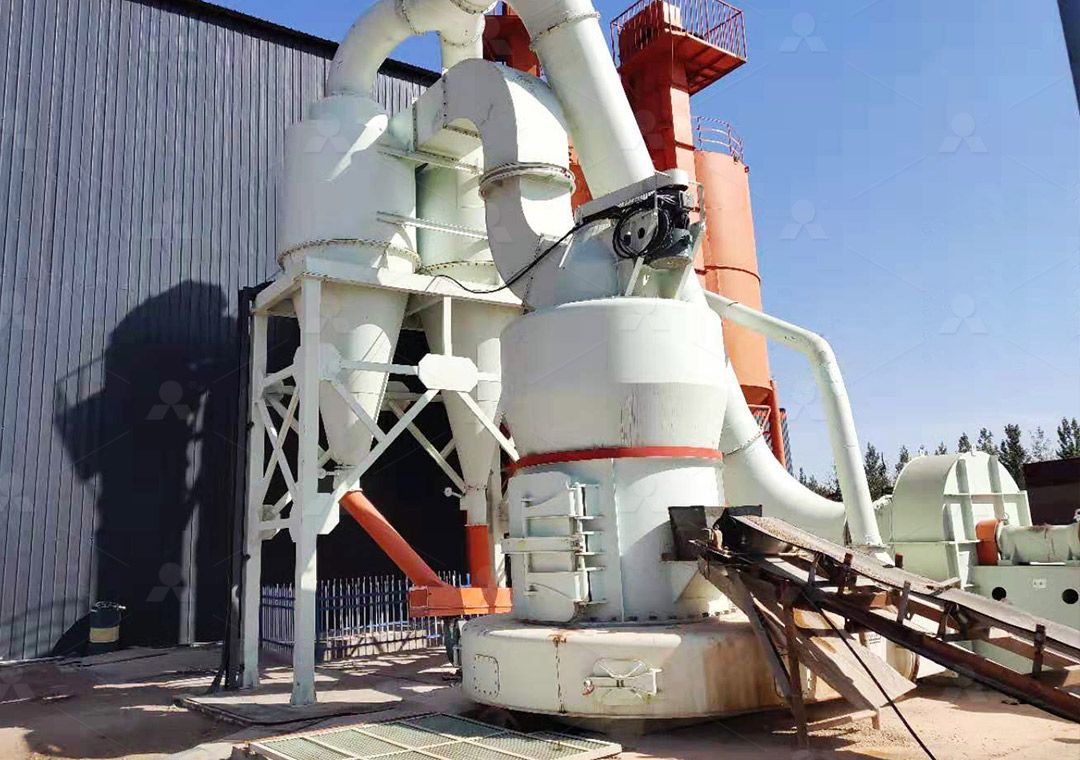
A built-in classifier (separator) ensures precise particle size control. The ground material is conveyed by an air stream from a blower into this high-efficiency separator. Fine particles meeting the size specification pass through and are collected in a cyclone or bag filter, while coarse particles are rejected back to the grinding chamber for further reduction. This closed-circuit system promotes energy efficiency and product uniformity.
Primary Applications and Material Suitability
The SXR1250 excels in processing non-metallic minerals with Mohs hardness below 7 and humidity less than 6%. Its typical application portfolio is broad, including:
- Construction Materials: Fine grinding of limestone, gypsum, and barite for use in cement, plaster, and filler applications.
- Industrial Minerals: Processing of calcite, dolomite, marble, and talc for paints, coatings, plastics, and ceramics.
- Energy Sector: Pulverizing coal for fuel injection in cement kilns or power plants.
- Chemical Industry: Preparing desulfurization agents like limestone powder for flue gas treatment.
The mill’s simplicity makes it particularly suitable for operations prioritizing operational reliability, ease of maintenance, and a lower initial investment over ultra-fine grinding capabilities.
When to Consider Advanced Grinding Solutions
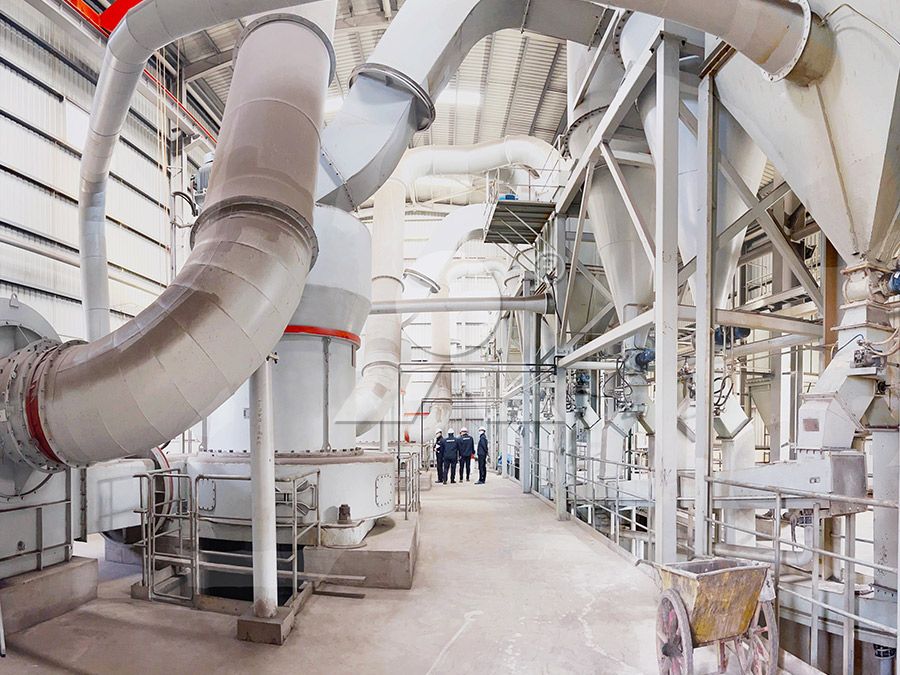
While the SXR1250 is a versatile and dependable solution, production demands evolve. When projects require higher capacity, significantly finer product sizes (beyond 325 mesh), or more advanced automation and energy savings, our more contemporary grinding technologies offer compelling advantages.
For clients seeking to produce ultra-fine powders between 325 and 2500 meshes with superior efficiency, we strongly recommend evaluating our MW Ultrafine Grinding Mill. This advanced mill incorporates a German-designed cage-type powder selector for exceptional classification precision, achieving a d97 ≤5μm in a single pass. Its innovative design eliminates rolling bearings and screws within the grinding chamber, drastically reducing failure points and enabling external lubrication for true 24/7 continuous operation. With a capacity range of 0.5-25 TPH and system energy consumption reported to be just 30% of some jet mills, the MW series represents a significant leap forward for high-value fine powder production.
For large-scale operations processing non-metallic minerals or industrial by-products like slag, our LM Vertical Grinding Mill is the industry benchmark. It integrates crushing, drying, grinding, classifying, and conveying into a single, compact unit, reducing its footprint by 50% compared to a traditional ball mill system while saving 30-40% in energy consumption. Its short material retention time minimizes over-grinding and ensures low iron contamination, which is critical for product whiteness and purity.
Operational Considerations and Best Practices
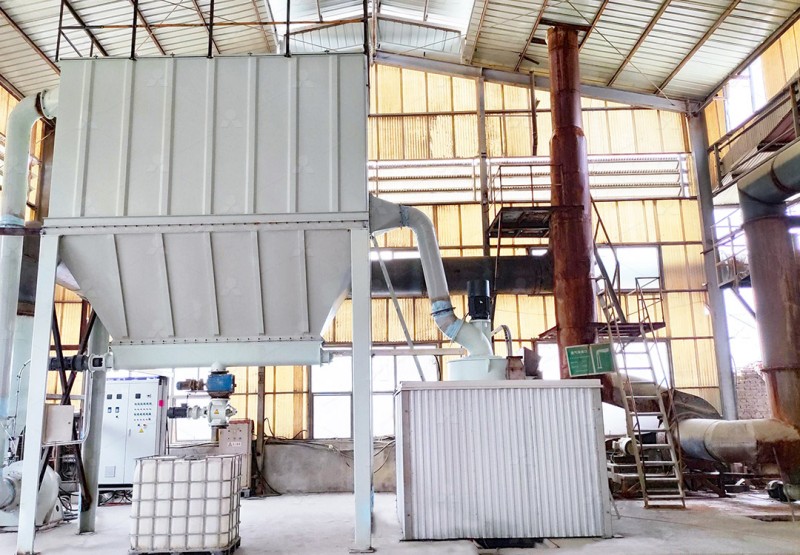
To maximize the service life and performance of your SXR1250, adherence to several best practices is key. Consistent feed size and rate are crucial to maintaining stable grinding pressure and classifier load. Regular inspection and replacement of grinding rolls and the ring are necessary maintenance tasks, with wear rates heavily dependent on material abrasiveness. Furthermore, ensuring the integrity of the pneumatic conveying and dust collection system is essential for both product yield and a clean working environment. Proper training for operators on monitoring mill amperage, pressure differentials, and product fineness will lead to optimal and trouble-free performance.
Conclusion
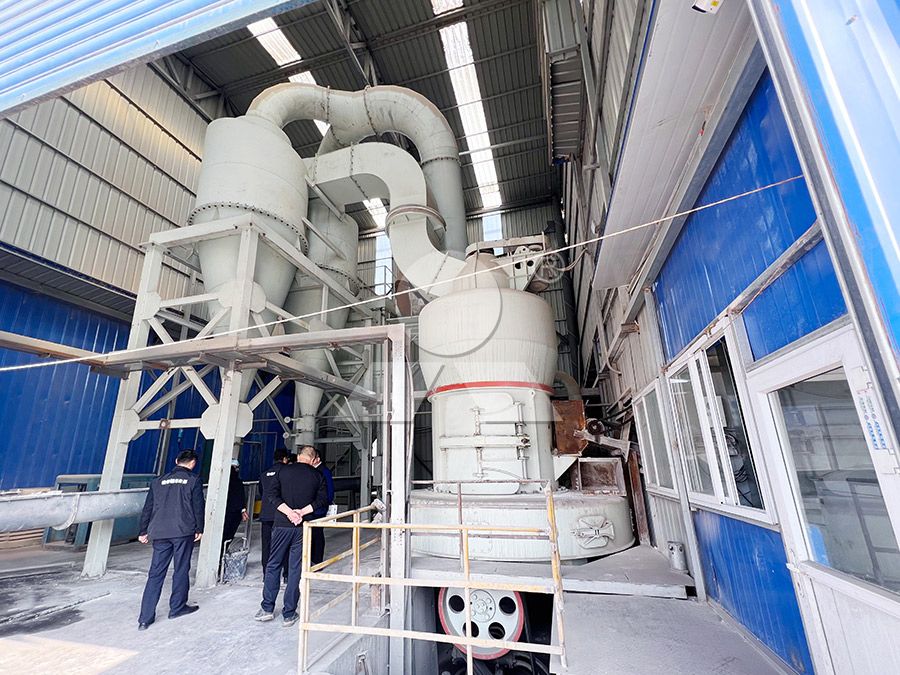
The Raymond Mill SXR1250 remains a trusted and effective solution for a wide array of medium-fineness grinding tasks. Its durability and straightforward operation have cemented its place in industrial history. However, by understanding its specifications and ideal applications, operators can make informed decisions about when this classic design is the perfect fit, and when to leverage newer technologies like the MW Ultrafine Grinding Mill or LM Vertical Mill to achieve higher efficiency, finer products, and lower total operating costs for more demanding modern applications.
Frequently Asked Questions (FAQ)
1. What is the maximum feed size for the SXR1250 Raymond Mill?
The mill is designed to handle feed material with a maximum size of 25mm (approximately 1 inch). For optimal performance and to prevent blockages, it is recommended to pre-crush larger lumps.
2. How is the fineness of the final powder adjusted?
Fineness is primarily controlled by adjusting the speed of the built-in classifier (separator). Increasing the classifier speed allows only finer particles to pass, resulting in a finer product. The angle of the analyzer blades can also be modified for coarse adjustments.
3. What are the most common wear parts, and what is their typical service life?
The primary wear components are the grinding rollers and the grinding ring. Their service life varies dramatically based on the material being processed (abrasiveness), but for moderately abrasive materials like calcite, they may last several thousand hours. Regular inspection is advised.
4. Can the SXR1250 handle moist or sticky materials?
The standard SXR1250 is designed for materials with moisture content below 6%. For materials with higher moisture, auxiliary drying equipment (like a hot air furnace) must be integrated into the system to prevent clogging and ensure proper grinding and conveying.
5. How does the MW Ultrafine Grinding Mill differ from the Raymond Mill?
The MW Mill is a next-generation design focused on ultra-fine powder (up to 2500 mesh). It uses a different grinding principle with a cage-type selector for sharper classification, offers significantly higher energy efficiency for fine grinding, and features a bearing-free grinding chamber design for enhanced reliability in continuous operation.
6. What dust collection system is required?
A pulse-jet baghouse dust collector or a high-efficiency cyclone is typically recommended to work in conjunction with the mill’s blower. This creates the necessary negative airflow, collects the final product, and ensures environmentally compliant, dust-free operation.