
Vertical Mill for Coal Ash Slag Deep Processing: A Guide to Grinding Equipment Selection
We provide a wide range of mills — including Raymond mill, trapezoidal mill, vertical mill, ultrafine mill, and ball mill, obtained ISO9001 international quality certification, EU CE certification, and Customs Union CU-TR certification. Suitable for processing minerals such as limestone, phosphate, quicklime, kaolin, talc, barite, bentonite, calcium carbonate, dolomite, coal, gypsum, clay, carbon black, slag, cement raw materials, cement clinker, and more.
The discharge range of these mills can be adjusted to meet specific processing needs, typically from 80-400 mesh, 600-3250 mesh, and can achieve the finest particle size of up to 6000 mesh(D50).
If you are looking for a reliable grinding solution to turn stone or minerals into fine powder, please feel free to contact our online customer service.
Vertical Mill for Coal Ash Slag Deep Processing: A Guide to Grinding Equipment Selection
The deep processing of industrial by-products like coal ash and slag presents a unique set of challenges for grinding operations. These materials, often abrasive and variable in composition, demand equipment that is not only robust and efficient but also capable of producing ultra-fine powders for high-value applications in construction, cement blending, and advanced materials. Selecting the right grinding mill is a critical decision that impacts product quality, operational cost, and long-term profitability.
The Grinding Challenge: From Waste to Resource
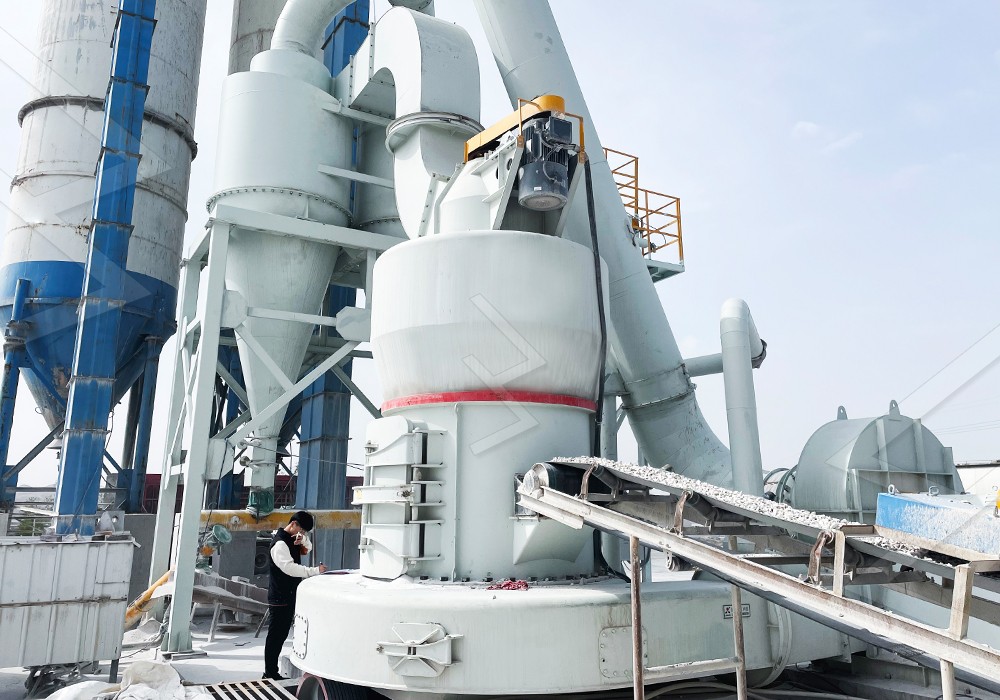
Traditional grinding solutions, such as ball mills, often fall short in this arena. They can be energy-intensive, have limited drying capabilities, and may introduce excessive iron contamination—a particular concern for applications requiring high whiteness and purity. The goal of deep processing is to transform this industrial residue into a consistent, fine-grade product with controlled particle size distribution. This requires a mill that integrates several functions seamlessly: efficient grinding, internal classification, and often simultaneous drying. The vertical roller mill architecture has emerged as the dominant technology for this task, offering a compact footprint and a dry grinding process that is inherently suited to handling materials like slag and fly ash.
Key Selection Criteria for Slag and Ash Mills
When evaluating equipment, several technical factors must be prioritized:
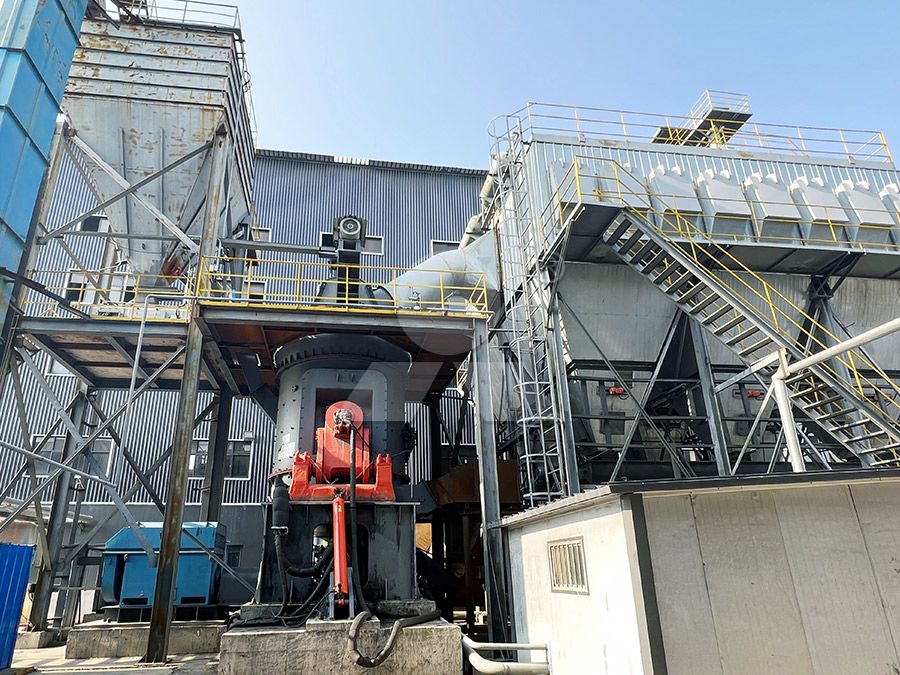
- Grinding Efficiency & Energy Consumption: The core of operational economics. Look for designs that maximize the grinding pressure and material bed formation while minimizing specific power consumption (kWh/ton).
- Product Fineness & Adjustability: The ability to reliably produce powder in the range of 325 to 2500 meshes and to easily adjust the fineness to meet different market specifications is crucial.
- Wear Resistance & Maintenance Ease: Abrasive materials accelerate wear. Mills with high-performance alloy grinding rollers and tables, coupled with designs that allow easy roller replacement and inspection, drastically reduce downtime.
- Integrated Drying & System Stability: The capacity to use hot gas for drying within the mill body is essential for materials with moisture. Furthermore, systems with advanced limiting technologies to prevent metal-to-metal contact ensure stable, vibration-free operation.
- Environmental Compliance: A fully sealed negative-pressure system, integrated with high-efficiency pulse dust collectors, is non-negotiable for clean, dust-free operation that meets stringent environmental standards.
Engineered Solutions for Demanding Applications
For operations focused on the ultra-fine grinding of coal ash, slag, and similar materials, a specialized vertical mill is not just an option—it’s a necessity. Our LUM Ultrafine Vertical Grinding Mill is engineered specifically for these challenges. It integrates advanced grinding roller technology with a German-derived multi-head powder separating system, enabling precise cuts in particle size and fast switching between product grades. Its reversible roller structure allows maintenance personnel to swiftly move grinding rollers out of the mill body for servicing, minimizing production losses. With an input size of 0-10 mm and a capacity range of 5-18 tph, it is an ideal candidate for deep processing lines aiming for superior product quality and operational flexibility.
For larger-scale projects or where raw feed size is more variable, the LM Vertical Slag Mill stands out. This mill is a dedicated system integrating drying, grinding, powder selection, and conveying. It excels in handling industrial wastes like steel slag and granulated blast furnace slag, with an input size up to 65mm. Its unique grinding device design focuses on slag characteristics, achieving energy savings of 30-40% compared to traditional ball milling systems. The robust construction and high-performance wear-resistant materials ensure reliable, long-term operation in the most demanding environments.
Beyond the Machine: A Partnership for Performance
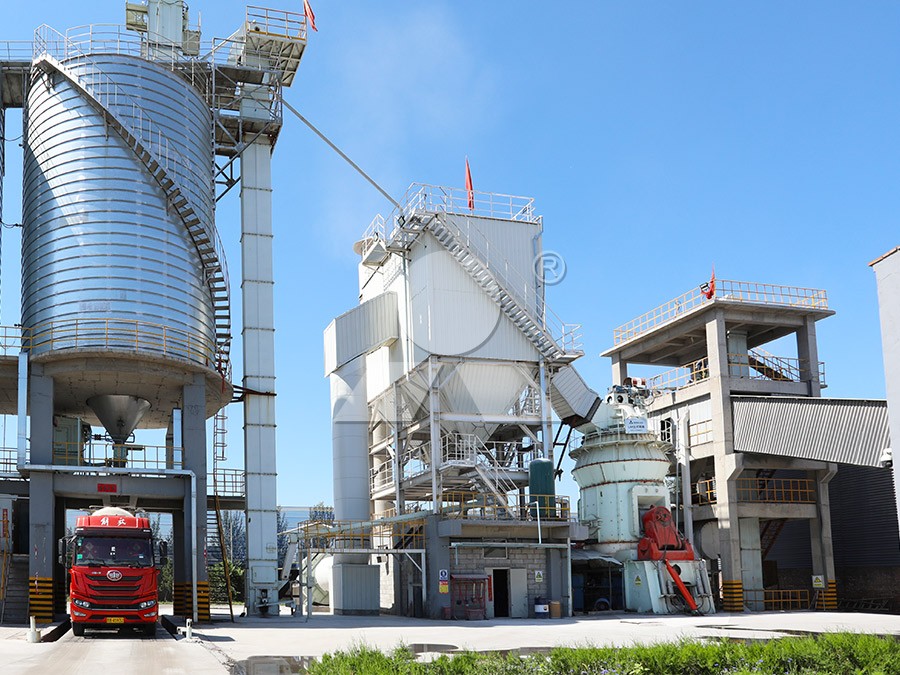
Selecting a mill is just the first step. The real value is realized through consistent, worry-free operation. This is where comprehensive support becomes critical. From the initial process design and layout to the ongoing supply of genuine, digitally manufactured spare parts, a true partnership ensures your grinding plant achieves its full potential. Our commitment extends to providing expert technical services, ensuring that your investment in a vertical mill for coal ash and slag deep processing delivers optimal yield, quality, and return for years to come.
Frequently Asked Questions (FAQ)
1. What is the primary advantage of a vertical mill over a ball mill for slag grinding?
The vertical mill offers significantly higher energy efficiency (30-50% less power consumption), integrated drying capability, a much smaller footprint, and produces product with lower iron contamination due to minimal direct metal wear in the grinding zone.
2. How fine can coal ash or slag typically be ground with your vertical mills?
With mills like the LUM series featuring advanced classifier technology, it is possible to achieve a consistent product fineness ranging from 325 meshes (45μm) up to 2500 meshes (5μm), suitable for high-end applications like concrete additives or supplementary cementitious materials.
3. Can the mill handle wet or moist feedstock?
Yes, both the LM Slag Mill and LUM Mill are designed as air-swept grinding systems. By introducing hot gas into the mill concurrently with the feed, they can effectively dry materials during the grinding process, handling a certain degree of moisture without the need for a separate dryer.
4. How do you manage the abrasive nature of slag to reduce maintenance?
Our mills use specially developed wear-resistant alloys for grinding rollers and tables. Furthermore, designs like the reversible roller structure in the LUM mill allow for partial wear surfaces to be utilized and make inspection and part replacement faster and safer, reducing effective downtime.
5. What kind of dust control is integrated into the milling system?
The entire grinding system operates under negative pressure. It is equipped with a high-efficiency pulse jet bag filter dust collector, ensuring no dust spillage and that emissions are well below international environmental protection standards.
6. Is automated control available for these mills?
Absolutely. Our vertical mills can be equipped with expert-level automatic control systems (PLC-based), allowing for remote monitoring and operation, automatic adjustment of key parameters, and stable, optimized production with minimal manual intervention.