
Kaolin Grinding Mill Equipment: Investment Prospects and Market Analysis
We provide a wide range of mills — including Raymond mill, trapezoidal mill, vertical mill, ultrafine mill, and ball mill, obtained ISO9001 international quality certification, EU CE certification, and Customs Union CU-TR certification. Suitable for processing minerals such as limestone, phosphate, quicklime, kaolin, talc, barite, bentonite, calcium carbonate, dolomite, coal, gypsum, clay, carbon black, slag, cement raw materials, cement clinker, and more.
The discharge range of these mills can be adjusted to meet specific processing needs, typically from 80-400 mesh, 600-3250 mesh, and can achieve the finest particle size of up to 6000 mesh(D50).
If you are looking for a reliable grinding solution to turn stone or minerals into fine powder, please feel free to contact our online customer service.
Kaolin Grinding Mill Equipment: Investment Prospects and Market Analysis
The global market for kaolin, a versatile industrial mineral, is experiencing sustained growth driven by its expanding applications in ceramics, paper, paints, coatings, plastics, and pharmaceuticals. This growth trajectory directly fuels demand for advanced grinding equipment capable of producing high-purity, ultra-fine kaolin powders with precise particle size distribution. For investors and industry stakeholders, understanding the technological landscape and selecting the right milling solution is paramount to capitalizing on this opportunity.
Market Drivers and Investment Rationale
Several key factors underscore the positive investment outlook for kaolin grinding technology. Firstly, the push for higher-value kaolin products necessitates finer grinding to enhance properties like brightness, opacity, and rheology. Secondly, stringent environmental regulations worldwide mandate equipment with superior dust collection and lower energy footprints. Thirdly, operational efficiency demands—lower maintenance costs, higher throughput, and automated control—are becoming non-negotiable for competitive advantage. Equipment that addresses these multifaceted needs represents not just a capital expense but a strategic investment in long-term profitability and sustainability.
Technological Evolution in Kaolin Milling
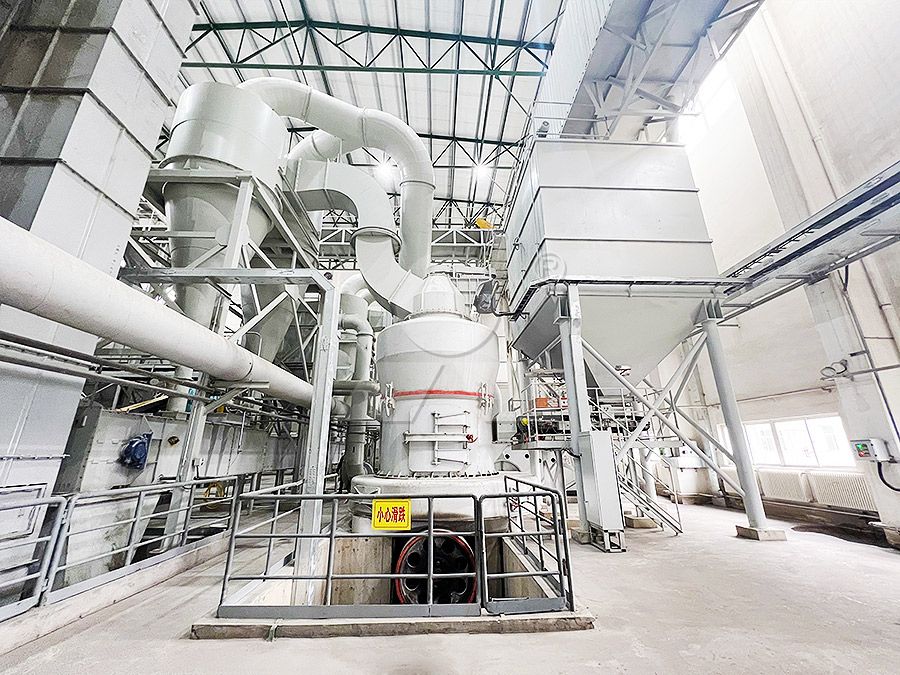
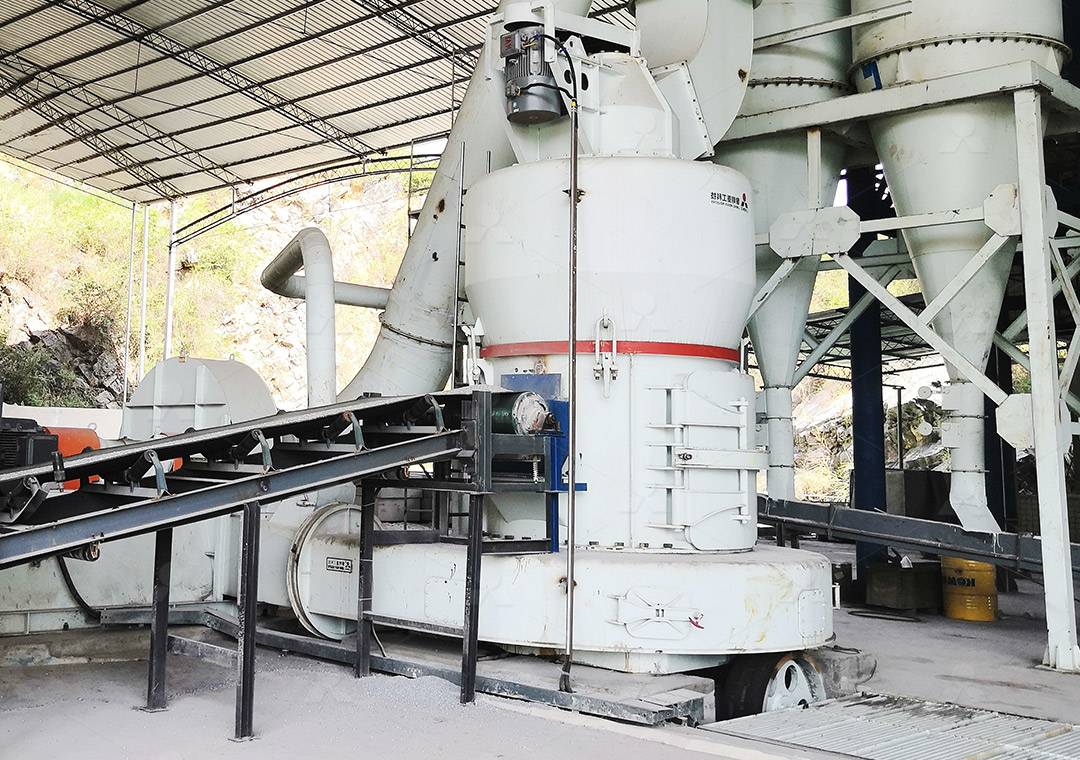
The transition from traditional ball mills to more sophisticated vertical roller mills, trapezium mills, and specialized ultrafine grinding systems marks a significant technological leap. Modern mills focus on integrating multiple processes—drying, grinding, classifying, and conveying—into a single, compact system. This integration reduces plant footprint, minimizes material handling, and improves overall energy efficiency. Furthermore, advancements in grinding roller design, powder separation technology (like cage-type selectors), and automated hydraulic systems have dramatically increased yield consistency and product quality while reducing wear-part consumption.
Critical Equipment Selection Criteria
When evaluating kaolin grinding mills, several performance metrics are critical:
- Fineness Range & Adjustability: The ability to consistently produce powder between 325 to 2500 meshes is essential for catering to different market segments.
- Energy Efficiency: Systems that consume 30-50% less power than conventional mills offer substantial operational cost savings.
- Environmental Compliance: Integrated pulse dust collectors and noise reduction features are mandatory for modern, eco-conscious operations.
- Operational Stability & Ease of Maintenance: Designs that eliminate internal screws and bearings from the grinding chamber or feature reversible roller systems drastically reduce downtime.
Spotlight on Advanced Solutions: The MW Ultrafine Grinding Mill
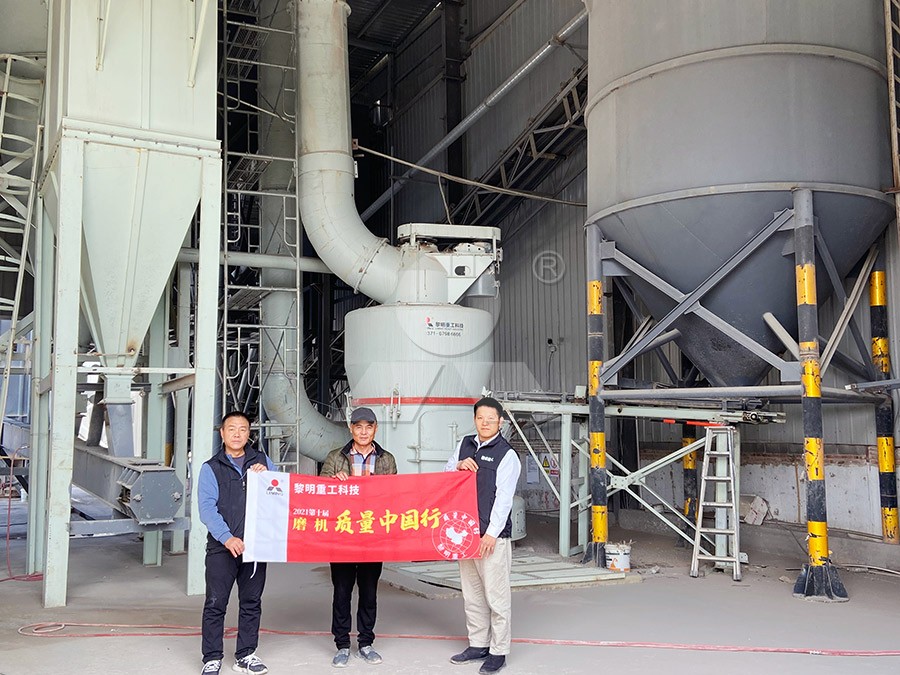
For operations targeting the high-end ultrafine kaolin powder market, the MW Ultrafine Grinding Mill presents a compelling solution. Engineered for customers requiring precise ultra-fine powder, this mill stands out with its innovative design. It boasts a production capacity 40% higher than jet mills and double that of ball mills at the same power level, while reducing system energy consumption by up to 70%. Its German-technology-inspired cage-type powder selector allows precise fineness adjustment between 325-2500 meshes. A significant design advantage is the absence of rolling bearings and screws in the grinding chamber, eliminating common failure points and enabling worry-free, continuous 24-hour operation. Coupled with its efficient pulse dust collector, the MW series ensures a production process that is both highly productive and environmentally responsible.
The Vertical Grinding Advantage: LUM Ultrafine Vertical Grinding Mill
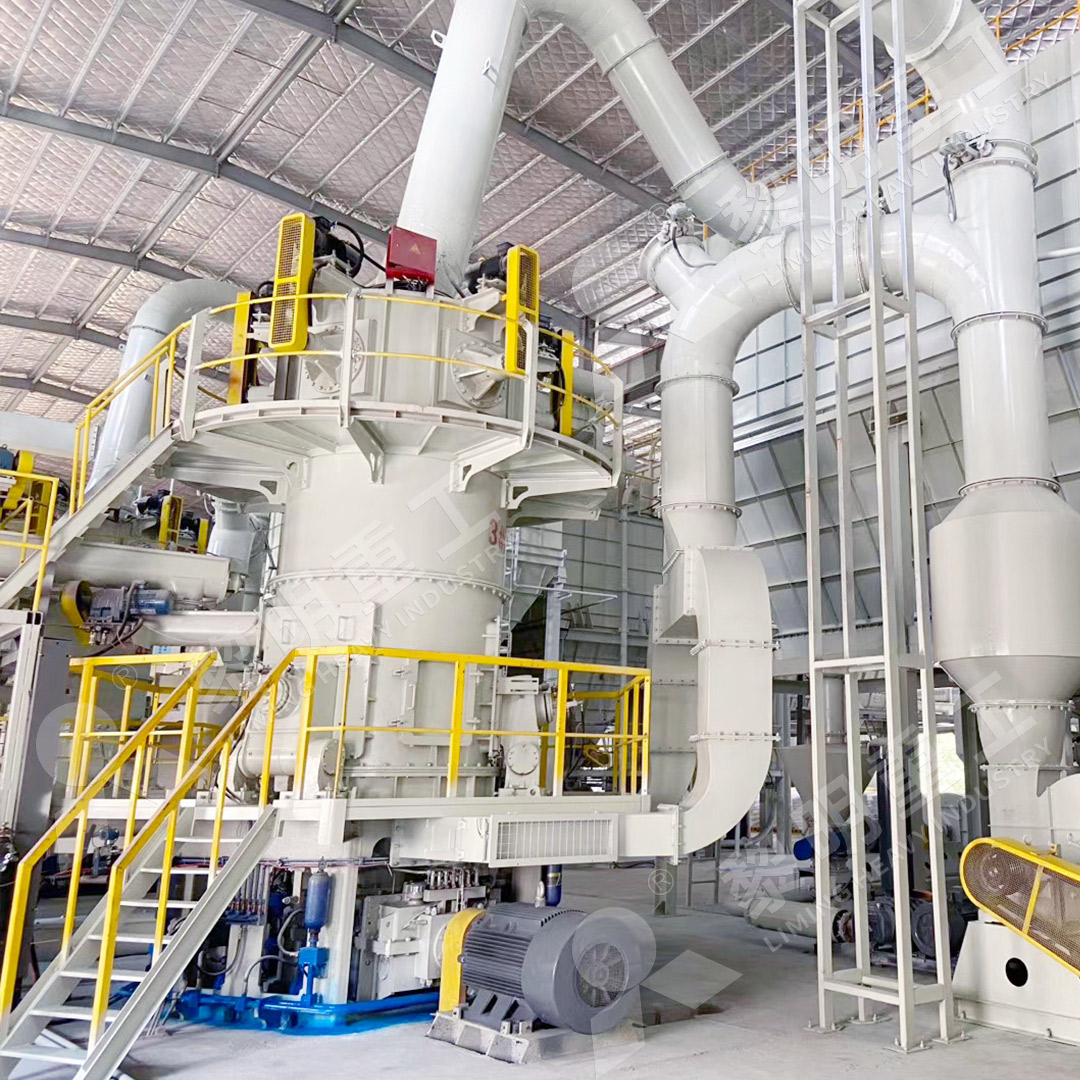
Another standout technology for kaolin processing is the LUM Ultrafine Vertical Grinding Mill. This mill integrates the latest grinding roller and powder separating technologies to excel in producing superfine dry powder. Its unique roller shell and lining plate curve promote stable material bed formation, enabling high rates of finished product in a single pass. This enhances both efficiency and the whiteness of the final kaolin powder. The mill’s multi-head powder separating technology, controlled by a PLC system, allows precise cut-point control and fast switching between product specifications, reducing energy use by 30-50%. Furthermore, its double position-limiting technology and reversible structure for easy roller maintenance ensure exceptional operational stability and minimize shutdown losses, safeguarding your investment’s uptime.
Future Outlook and Strategic Investment
The future of kaolin processing lies in smart, connected, and even more efficient grinding systems. The integration of IoT for predictive maintenance and real-time process optimization is on the horizon. Current investors are advised to prioritize equipment from manufacturers committed to R&D, digitalized precision manufacturing, and comprehensive after-sales support. Choosing a mill like the MW or LUM series, which embodies high yield, low energy consumption, operational resilience, and environmental stewardship, positions a kaolin processing venture for success in a competitive and evolving global market. The investment transcends machinery—it is an investment in product quality, market flexibility, and sustainable production.
Frequently Asked Questions (FAQ)
1. What is the key advantage of modern ultrafine mills over traditional ball mills for kaolin?
Modern mills like the MW and LUM series integrate grinding, drying, and classification, offering far superior energy efficiency (30-50%+ savings), precise particle size control, and a much smaller physical footprint. They also produce powder with lower iron contamination and higher whiteness.
2. How important is the powder separator in a kaolin grinding mill?
It is critical. Advanced separators, such as the cage-type or multi-head selectors used in our MW and LUM mills, determine the final product’s fineness and particle distribution. They allow precise, adjustable cuts between 325-2500 meshes and are key to achieving high yield and quality.
3. Can these grinding mills handle the abrasive nature of kaolin without excessive wear?
Yes. High-end mills address this through several means: using wear-resistant alloys for grinding rollers/rings, innovative grinding curves that reduce abrasive contact, and designs that keep bearings and screws out of the grinding chamber. Features like the reversible roller structure in the LUM mill also make wear part inspection and replacement easier and faster.
4. Are these systems compliant with strict environmental regulations?
Absolutely. Leading models are designed with full environmental compliance in mind. They are equipped with high-efficiency pulse jet dust collectors to ensure no dust pollution and feature silencers or noise reduction rooms to minimize acoustic impact, operating well within international standards.
5. What kind of after-sales support should I expect with such an investment?
Reputable manufacturers provide comprehensive support, including installation guidance, operational training, and a guaranteed supply of original spare parts. This ensures long-term, worry-free operation and protects the productivity of your investment.
6. Is remote monitoring or automation possible with these grinding mills?
Yes, many advanced models come with PLC control systems and are designed for automation. They allow remote monitoring of key parameters like grinding pressure and separator speed, enabling local or remote control for optimized, labor-efficient operation.