
Raymond Mill for Sale in Liuzhou: Price and Specifications
We provide a wide range of mills — including Raymond mill, trapezoidal mill, vertical mill, ultrafine mill, and ball mill, obtained ISO9001 international quality certification, EU CE certification, and Customs Union CU-TR certification. Suitable for processing minerals such as limestone, phosphate, quicklime, kaolin, talc, barite, bentonite, calcium carbonate, dolomite, coal, gypsum, clay, carbon black, slag, cement raw materials, cement clinker, and more.
The discharge range of these mills can be adjusted to meet specific processing needs, typically from 80-400 mesh, 600-3250 mesh, and can achieve the finest particle size of up to 6000 mesh(D50).
If you are looking for a reliable grinding solution to turn stone or minerals into fine powder, please feel free to contact our online customer service.
Raymond Mill for Sale in Liuzhou: Price and Specifications
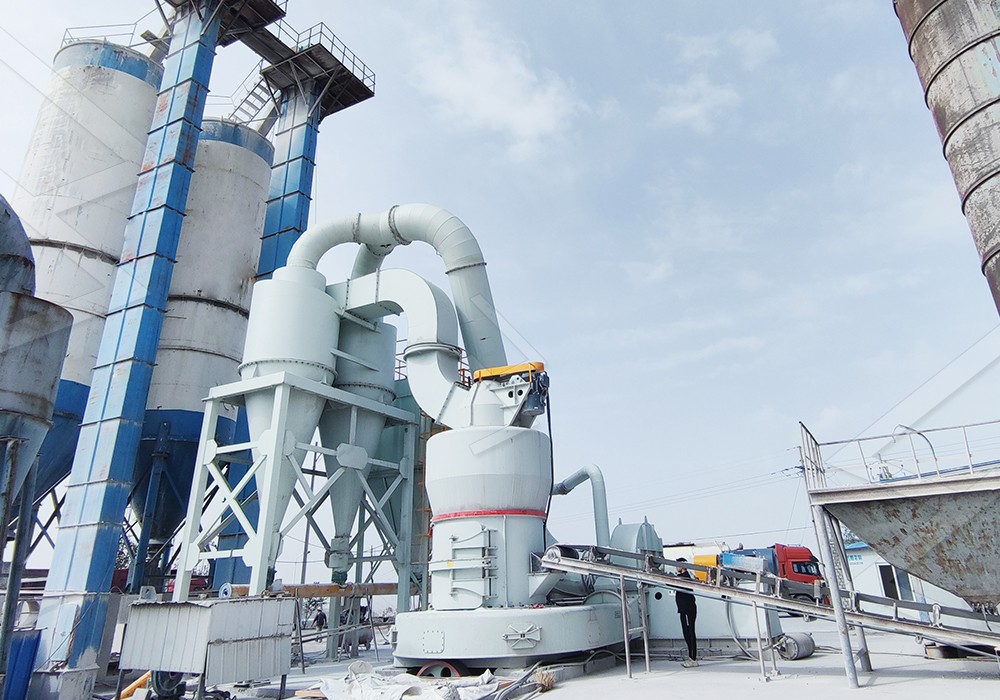
For industrial operations in Liuzhou and the broader Guangxi region seeking reliable mineral processing equipment, the Raymond mill remains a cornerstone technology. Known for its robust construction and efficient dry grinding capabilities, this machine has evolved significantly from its original designs. Modern iterations offer enhanced performance, energy efficiency, and environmental compliance, making them suitable for a wide array of materials from limestone and calcite to barite and coal powder.
When considering a Raymond mill for sale, understanding the core specifications is paramount. Key factors include input size (typically under 25mm), capacity (often ranging from 0.6 to 5 tons per hour), fineness adjustment (commonly between 80-325 mesh), and the overall system footprint. The price is influenced by these specifications, the level of technological integration, and the inclusion of auxiliary systems like dust collectors and automated feeders. It’s not just about the initial investment; operational costs, maintenance needs, and final product quality are critical long-term considerations.
Beyond Traditional Raymond: The Need for Advanced Grinding Solutions
While the classic Raymond mill design is proven, today’s market demands higher efficiency, finer powders, and greener operations. This is where advanced grinding technologies step in, offering superior performance for operations that require ultra-fine powders or have stricter environmental and energy consumption targets. For clients in Liuzhou’s growing chemical, paint, and high-grade construction material sectors, moving beyond standard specifications can provide a significant competitive edge.
For instance, operations requiring powders in the 325 to 2500 mesh range would find a traditional Raymond mill limiting. Similarly, projects with stringent noise and dust emission standards need integrated solutions, not add-on filters. This shift in requirements has led to the development and popularity of next-generation mills that build upon the Raymond principle while incorporating cutting-edge engineering.
Featured Advanced Solution: The MW Ultrafine Grinding Mill
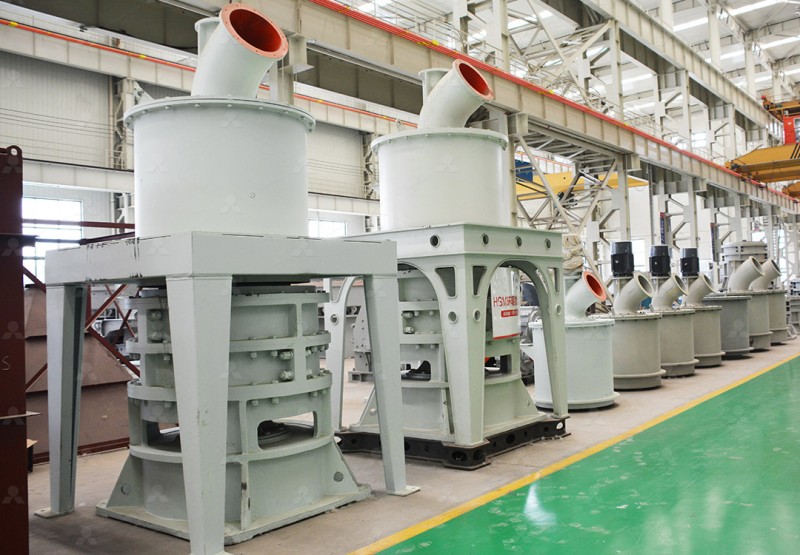
For customers whose needs extend into the realm of ultra-fine powder production, we strongly recommend evaluating our MW Ultrafine Grinding Mill. This machine represents a significant leap forward, designed specifically for customers who need to make ultra-fine powder efficiently and cleanly.
With an input size of 0-20 mm and a capacity range of 0.5-25 tph, it handles a similar feed stock as traditional mills but produces dramatically finer outputs. Its standout feature is the adjustable fineness between 325-2500 meshes, achieved through a German-technology, cage-type powder selector. This allows for precise control over product specifications. Furthermore, its design eliminates rolling bearings and screws in the grinding chamber, drastically reducing maintenance worries and potential failure points. The integrated efficient pulse dust collector and muffler system ensures the entire production process meets strict environmental standards, a crucial factor for sustainable operation in any region.
Another Premier Option: The LUM Ultrafine Vertical Grinding Mill
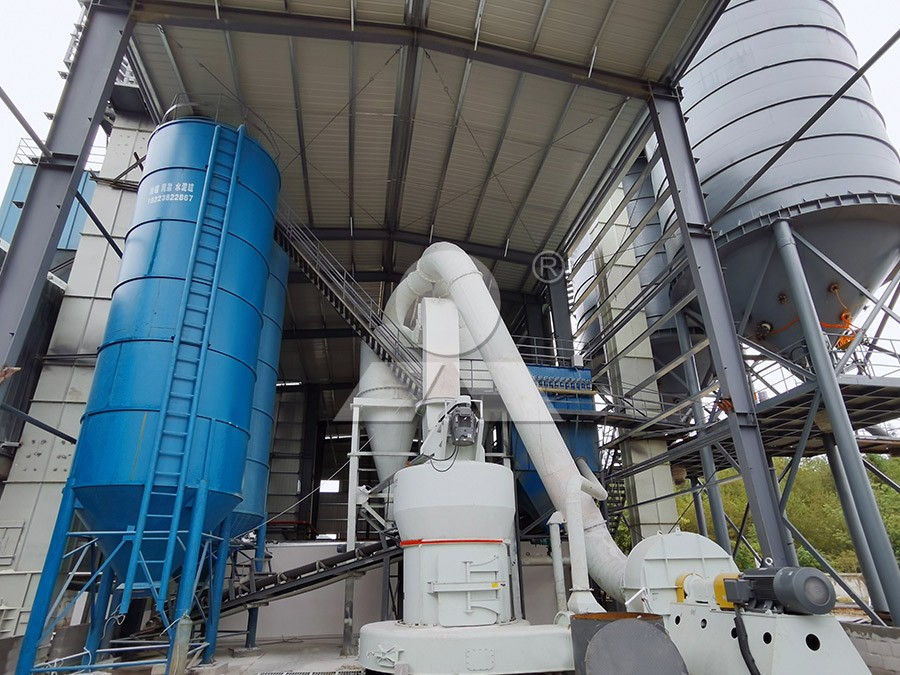
For applications demanding exceptional product whiteness, cleanliness, and operational stability, our LUM Ultrafine Vertical Grinding Mill is an excellent choice. Independently designed with the latest grinding roller and powder separating technologies, it integrates grinding, grading, and transporting into one efficient system.
Its unique roller shell and lining plate grinding curve promote easier material layer generation and a high rate of finished product in a single pass. A key advantage is its energy efficiency; it reduces consumption by 30%-50% compared to common grinding mills. The double position-limiting technology (electronic and mechanical) protects the mill from destructive vibrations, ensuring remarkable operational stability. For maintenance crews, the reversible structure is a game-changer, allowing grinding rollers to be easily moved out for service, minimizing costly downtime.
Making the Right Investment in Liuzhou
The choice between a traditional Raymond mill and a more advanced system like the MW or LUM series hinges on your specific production goals, material characteristics, and operational philosophy. While the Raymond mill offers a lower entry point for standard grinding tasks, the advanced mills provide long-term value through higher yield, lower energy use, superior product quality, and reduced environmental impact. In a competitive industrial hub like Liuzhou, investing in the right technology can define your productivity and profitability for years to come.
We encourage potential buyers to look beyond the initial price tag and consider total cost of ownership, including power consumption, spare parts availability, and the capability to meet future product quality demands. Our technical team is available to discuss your specific materials and output targets to recommend the most cost-effective and efficient solution for your Liuzhou operation.
Frequently Asked Questions (FAQ)
- What is the typical price range for a Raymond mill setup in Liuzhou?
The price varies significantly based on model, capacity, and configuration (including auxiliary equipment like crushers and collectors). A basic Raymond mill system can start from a modest investment, while fully automated, high-capacity, or ultra-fine grinding systems like the MW or LUM series represent a higher initial investment that is offset by lower operational costs and higher output value. - Can your mills process local Liuzhou materials like limestone and dolomite?
Absolutely. Our equipment range, from Raymond mills to MW and LUM ultrafine mills, is extensively tested and proven on non-metallic minerals including limestone, calcite, dolomite, talc, and barite—all common to the region. The exact model recommendation depends on the desired fineness and production volume. - How do you address dust and noise pollution, which are common concerns?
Our modern mills, especially the MW and LUM series, are designed with environmental protection as a core feature. They come equipped with high-efficiency pulse dust collectors that ensure no dust pollution, and integrated mufflers or noise elimination rooms to significantly reduce operational noise, ensuring compliance with national standards. - What kind of after-sales support and spare parts availability can we expect?
As a manufacturer covering both production and sales, we take full responsibility for every machine. We provide comprehensive technical services and guarantee the supply of original spare parts to ensure worry-free, continuous operation for our clients in Liuzhou and worldwide. - What is the main advantage of the MW Ultrafine Mill over a standard Raymond mill?
The primary advantage is its ability to produce much finer powder (up to 2500 mesh) with higher efficiency. It achieves this while being more energy-efficient and maintenance-friendly due to its lack of internal rolling bearings and screws in the grinding chamber. It’s designed for applications where ultra-fine powder quality is critical. - Is the LUM Vertical Mill difficult to maintain due to its vertical structure?
On the contrary, the LUM mill is designed for easier maintenance. Its reversible structure and hydraulic system allow operators to quickly move the grinding roller out of the body for inspection, lining plate replacement, and other maintenance tasks, reducing shutdown time and losses significantly.