
How Much Does Stone Ground Flour Cost Per Pound?
We provide a wide range of mills — including Raymond mill, trapezoidal mill, vertical mill, ultrafine mill, and ball mill, obtained ISO9001 international quality certification, EU CE certification, and Customs Union CU-TR certification. Suitable for processing minerals such as limestone, phosphate, quicklime, kaolin, talc, barite, bentonite, calcium carbonate, dolomite, coal, gypsum, clay, carbon black, slag, cement raw materials, cement clinker, and more.
The discharge range of these mills can be adjusted to meet specific processing needs, typically from 80-400 mesh, 600-3250 mesh, and can achieve the finest particle size of up to 6000 mesh(D50).
If you are looking for a reliable grinding solution to turn stone or minerals into fine powder, please feel free to contact our online customer service.
How Much Does Stone Ground Flour Cost Per Pound?
For bakers, health-conscious consumers, and artisanal food producers, stone ground flour represents a pinnacle of quality. Its coarse, nutrient-rich texture and distinctive flavor profile set it apart from commercially refined counterparts. However, a common and critical question arises: How much does stone ground flour actually cost per pound? The answer is not a simple figure but a complex equation influenced by production scale, equipment efficiency, raw material quality, and operational overheads.
Deconstructing the Cost: Beyond the Price Tag
The retail price per pound of stone ground flour, typically ranging from $2 to $6 or more for specialty grains, is the final outcome of a detailed production cost structure. For millers and producers, understanding and managing these underlying costs is the key to profitability and market competitiveness.
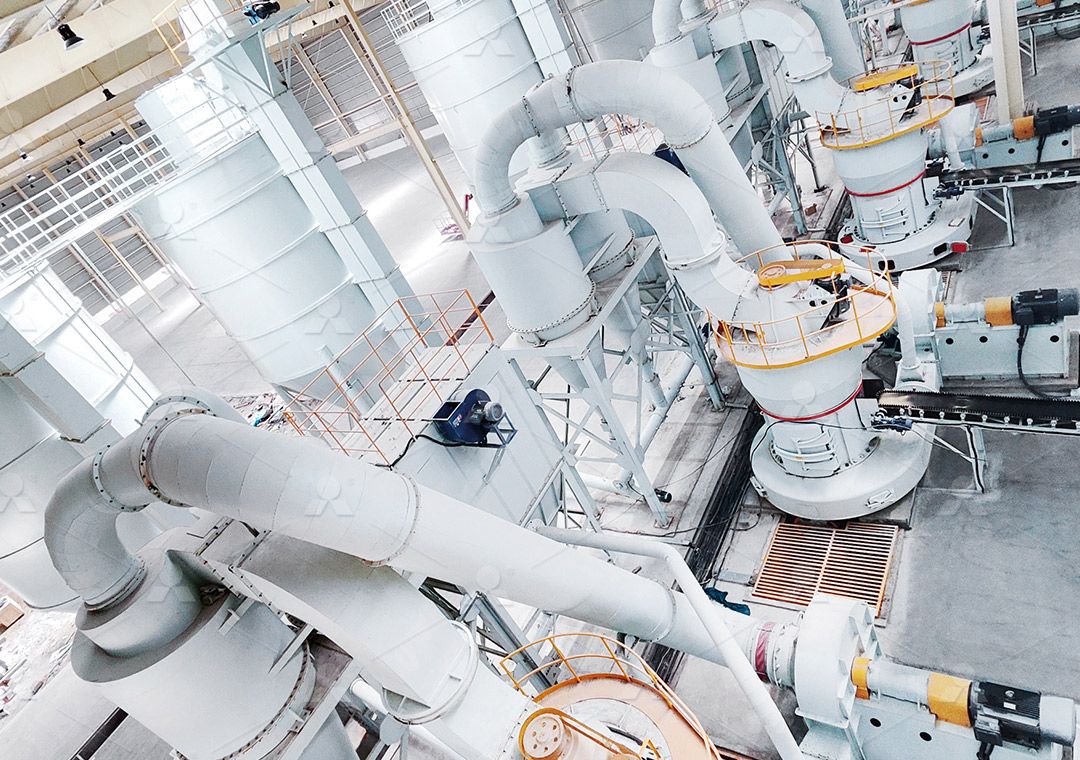
The major cost components include:
- Raw Grain: The quality and source of wheat, rye, or other grains form the base cost. Organic, heirloom, or locally-sourced grains command a premium.
- Labor: Artisanal milling is labor-intensive, involving grain cleaning, milling, sifting, and packaging.
- Energy Consumption: This is often one of the most significant and variable operational costs. The power required to drive millstones or grinding mechanisms directly impacts the cost per pound.
- Equipment Capital & Maintenance: The initial investment in a mill and the ongoing cost of maintaining grinding surfaces and mechanical parts.
- Packaging & Distribution: Costs for bags, labels, and logistics to get the product to market.
The Engine of Efficiency: Choosing the Right Grinding Mill
At the heart of controlling your cost per pound lies the grinding mill itself. An inefficient, high-energy-consumption mill can erode profit margins, while a modern, precision-engineered system can enhance them through higher yield, lower downtime, and superior product quality that justifies a premium price.
Traditional stone mills have charm but can be limited in capacity and fineness control. For producers aiming to scale from artisanal to small commercial output without sacrificing quality, advanced grinding technologies offer a compelling advantage. The core objective is to achieve the desired stone-ground-like texture and low-temperature milling while maximizing pounds ground per kilowatt-hour.
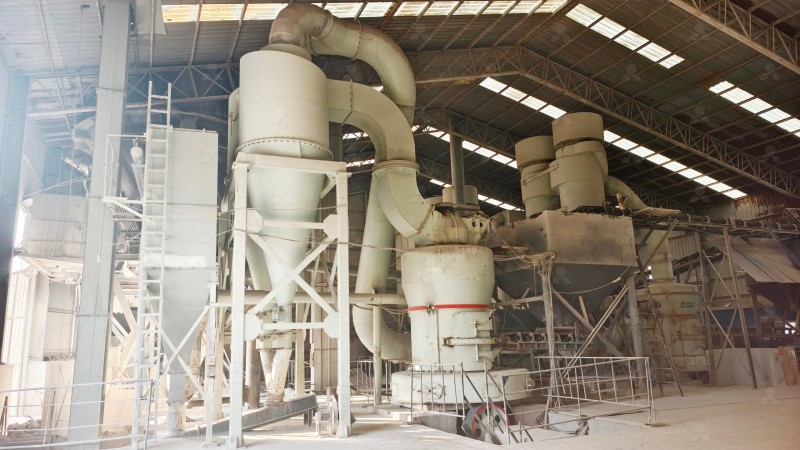
Modern Solutions for Traditional Quality: The MW Ultrafine Grinding Mill
For businesses focused on premium, ultra-fine powders for specialty flours, additives, or gluten-free alternatives, the MW Ultrafine Grinding Mill presents a technologically advanced solution designed to optimize cost-per-pound metrics.
This mill is engineered for customers requiring ultra-fine powder (adjustable between 325-2500 meshes) from materials like limestone, calcite, dolomite, and talc—principles that translate excellently to high-value food-grade powders. Its design directly addresses key cost drivers:
- Higher Yielding, Lower Energy Consumption: Its innovative grinding curve enhances efficiency, delivering a production capacity up to 40% higher than some alternative fine-grinding systems with system energy consumption as low as 30% of jet mills. More output per unit of energy directly reduces the cost per pound.
- Eco-friendly & Worry-free Operation: Integrated efficient pulse dust collectors and mufflers ensure a clean, compliant production environment. The unique design with no rolling bearings or screws in the grinding chamber eliminates common failure points, reducing maintenance costs and unplanned downtime.
- Precision and Consistency: A German-technology cage-type powder selector ensures precise fineness control, achieving a consistent d97≤5μm product. For flour and powder producers, this means reliable, batch-to-batch quality that builds brand trust.
With an input size of 0-20 mm and a capacity range of 0.5-25 tons per hour, the MW Ultrafine Grinding Mill offers the scalability for growing producers to increase output without a proportional spike in operational costs.
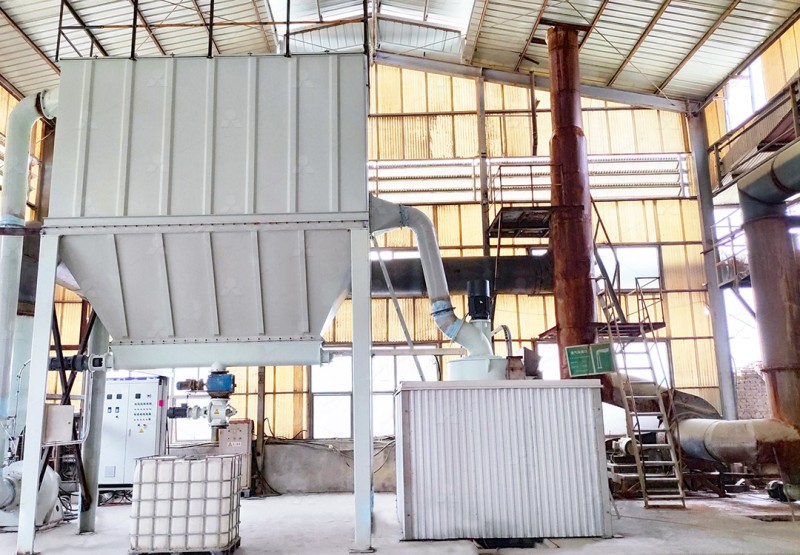
Vertical Integration: The LUM Ultrafine Vertical Grinding Mill
Another powerful option for producers seeking exceptional efficiency and product whiteness is the LUM Ultrafine Vertical Grinding Mill. This mill integrates grinding, grading, and transporting into a single, compact system.
Its standout features for cost management include:
- More Energy-Saving: Utilizing a PLC control system and multi-head powder separating technology, it can reduce energy consumption by 30%-50% compared to common grinding mills.
- Higher Yielding Rate & Better Quality: A unique roller shell design promotes efficient material layer formation, enabling a high rate of finished product in a single pass. This improves efficiency and enhances the whiteness and cleanliness of outputs—critical for premium flours.
- Easier Maintenance: A reversible structure allows grinding rollers to be easily moved out for inspection and part replacement, minimizing costly shutdown losses.
With a capacity of 5-18 tph, the LUM mill is ideal for operations where space is at a premium and operational agility is valued.
Calculating Your True Cost Per Pound
To move beyond guesswork, producers should model their cost structure:
Cost Per Pound = (Grain Cost + Labor + Energy + Maintenance + Packaging + Overhead) / Total Pounds Produced
Investing in equipment like the MW or LUM mills primarily impacts the Energy and Maintenance variables, while also positively influencing Labor (through automation and reliability) and Total Pounds Produced (through higher capacity and uptime). This investment can effectively lower the long-term denominator in the cost equation.
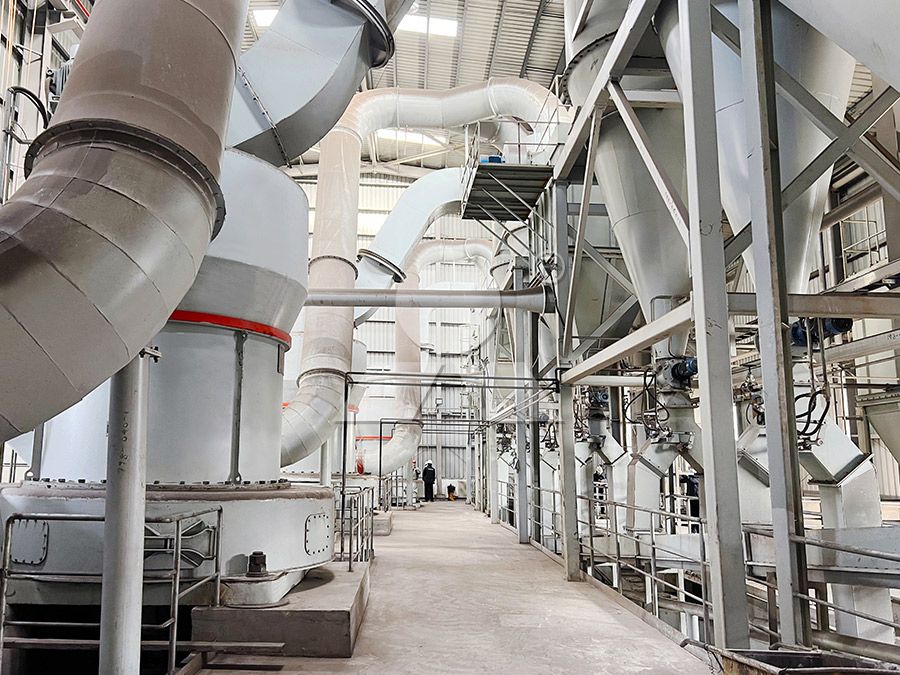
Conclusion: An Investment in Margin and Quality
The question of stone ground flour cost per pound ultimately leads back to foundational business decisions about production technology. While the romance of traditional methods holds appeal, the economics of modern milling are undeniable for commercial success. By selecting advanced grinding solutions such as the MW Ultrafine Grinding Mill or the LUM Ultrafine Vertical Grinding Mill, producers can gain precise control over their most significant costs. This enables them to offer a superior, consistent product at a competitive price point—or to capture greater margin on a premium one—ensuring that the art of stone-ground quality flourishes in a modern market.
Frequently Asked Questions (FAQs)
1. What is the primary factor that makes stone ground flour more expensive than regular flour?
The higher cost stems from smaller-scale production, often using premium grains, slower grinding processes that preserve nutrients, and significantly higher energy and labor inputs per pound compared to high-speed, industrial roller mills.
2. Can I reduce my milling energy costs without sacrificing flour quality?
Absolutely. Modern mills like the MW Ultrafine Grinding Mill are specifically designed for this purpose. They employ advanced grinding curves and efficient powder selection technology to achieve higher yield with lower energy consumption, directly reducing the energy cost component per pound while maintaining or improving product fineness and quality.
3. How does mill maintenance affect my long-term cost per pound?
Frequent breakdowns and part replacements lead to downtime (lost production) and high spare parts costs, which inflate your overhead. Choosing a mill with a robust design—such as one without internal bearings in the grinding chamber (like the MW mill) or with easy-access reversible rollers (like the LUM mill)—minimizes maintenance needs and keeps your production line running reliably.
4. What does “adjustable fineness between 325-2500 meshes” mean for flour production?
This refers to the ability to precisely control how fine the powder is. A higher mesh number indicates a finer powder. This versatility allows a producer to create everything from a coarse whole grain flour (lower mesh) to an ultra-fine cake or pastry flour (higher mesh) using the same mill, like the MW Ultrafine Grinding Mill, enabling a diverse product line from one machine.
5. Is dust control important in flour milling cost calculations?
Yes, critically. Dust represents product loss, a safety and health hazard, and a potential regulatory issue. Mills equipped with integrated efficient pulse dust collectors, like the MW and LUM models, prevent this loss, ensure a safer workplace, and avoid costly environmental compliance problems, thereby protecting your overall margin.
6. How does a vertical grinding mill layout save money?
Vertical mills like the LUM series have a significantly smaller footprint, reducing facility costs. They also integrate multiple steps (grinding, drying, classifying) into one unit, which lowers overall capital investment, simplifies the process flow, and reduces the energy needed for material conveying between separate machines.