
Desulfurization Grinding Mill for Efficient Coal Ash Slag Processing
We provide a wide range of mills — including Raymond mill, trapezoidal mill, vertical mill, ultrafine mill, and ball mill, obtained ISO9001 international quality certification, EU CE certification, and Customs Union CU-TR certification. Suitable for processing minerals such as limestone, phosphate, quicklime, kaolin, talc, barite, bentonite, calcium carbonate, dolomite, coal, gypsum, clay, carbon black, slag, cement raw materials, cement clinker, and more.
The discharge range of these mills can be adjusted to meet specific processing needs, typically from 80-400 mesh, 600-3250 mesh, and can achieve the finest particle size of up to 6000 mesh(D50).
If you are looking for a reliable grinding solution to turn stone or minerals into fine powder, please feel free to contact our online customer service.
Desulfurization Grinding Mill for Efficient Coal Ash Slag Processing
The power generation and metallurgical industries face a continuous challenge: the efficient and environmentally responsible processing of by-products like coal ash and slag. These materials, often considered waste, hold significant potential for reuse in applications such as cement blending, concrete additives, and road base materials. However, unlocking this value requires precise grinding to achieve the necessary fineness and particle size distribution. This is where specialized desulfurization grinding technology becomes critical, transforming industrial residue into a valuable commodity.
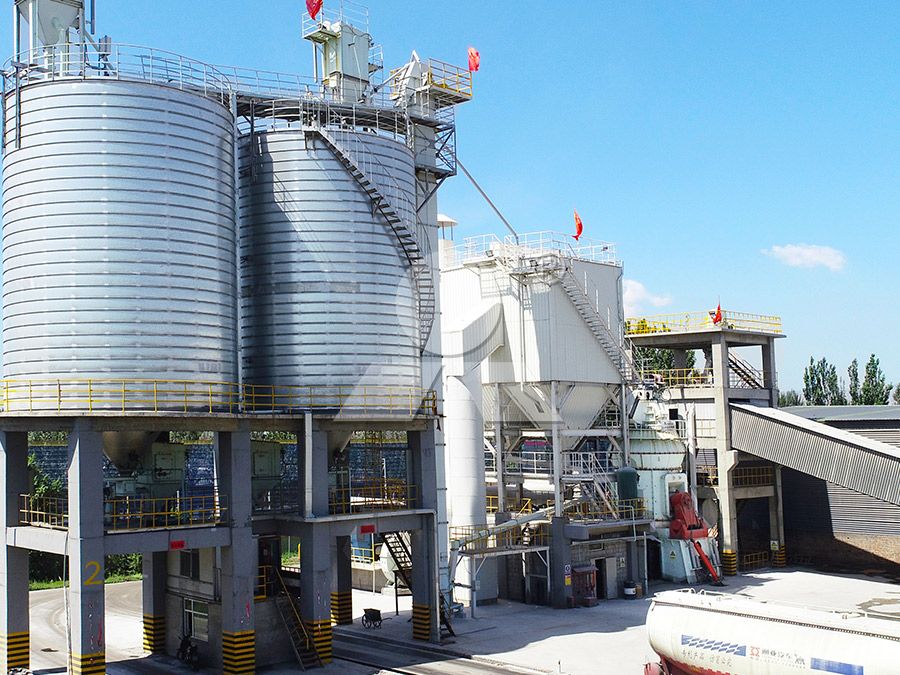
The Technical Imperative for Specialized Grinding
Processing coal ash and slag is not a task for conventional crushing equipment. The goal is to produce a fine, consistent powder with specific chemical and physical properties. Inefficient grinding leads to high energy consumption, excessive wear on mechanical parts, and inconsistent product quality that fails to meet industry standards for downstream applications. Furthermore, the entire process must be contained to prevent dust pollution, a key environmental and worker safety concern. Modern grinding solutions must therefore integrate high-efficiency milling with advanced classification and comprehensive dust collection systems.
The ideal mill for this application must handle abrasive materials reliably, offer adjustable fineness control, and operate with superior energy efficiency compared to traditional ball mills. It should also feature a design that minimizes maintenance downtime, as unexpected shutdowns in continuous processing lines are costly.
Introducing the LM Vertical Slag Mill: Engineered for Industrial By-Products
For operations focused specifically on slag and industrial waste, the LM Vertical Slag Mill stands out as a purpose-built solution. This mill integrates drying, grinding, powder selection, and conveying into a single, compact unit. Its vertical structure reduces the footprint by approximately 50% compared to a ball mill system, while its energy consumption is 30% to 40% lower. Capable of processing input sizes of 38-65mm at capacities from 7 to 100 tons per hour, it is designed for large-scale, continuous operation.
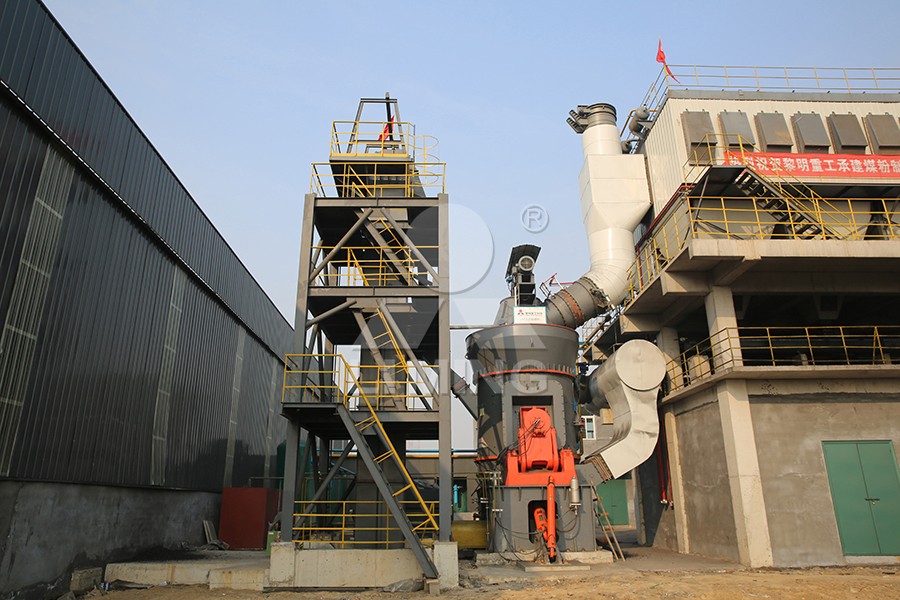
The LM Vertical Slag Mill’s core advantages lie in its robust construction and efficient process. Its unique grinding device integrates grinding and powder selection, ensuring a high and uniform product fineness. Critical wear parts are manufactured from high-performance materials to withstand the abrasiveness of slag, ensuring reliable operation and extended service life. The entire system operates under negative pressure, guaranteeing a dust-free workshop environment and supporting full compliance with environmental regulations.
Ultra-Fine Solutions for High-Value Applications
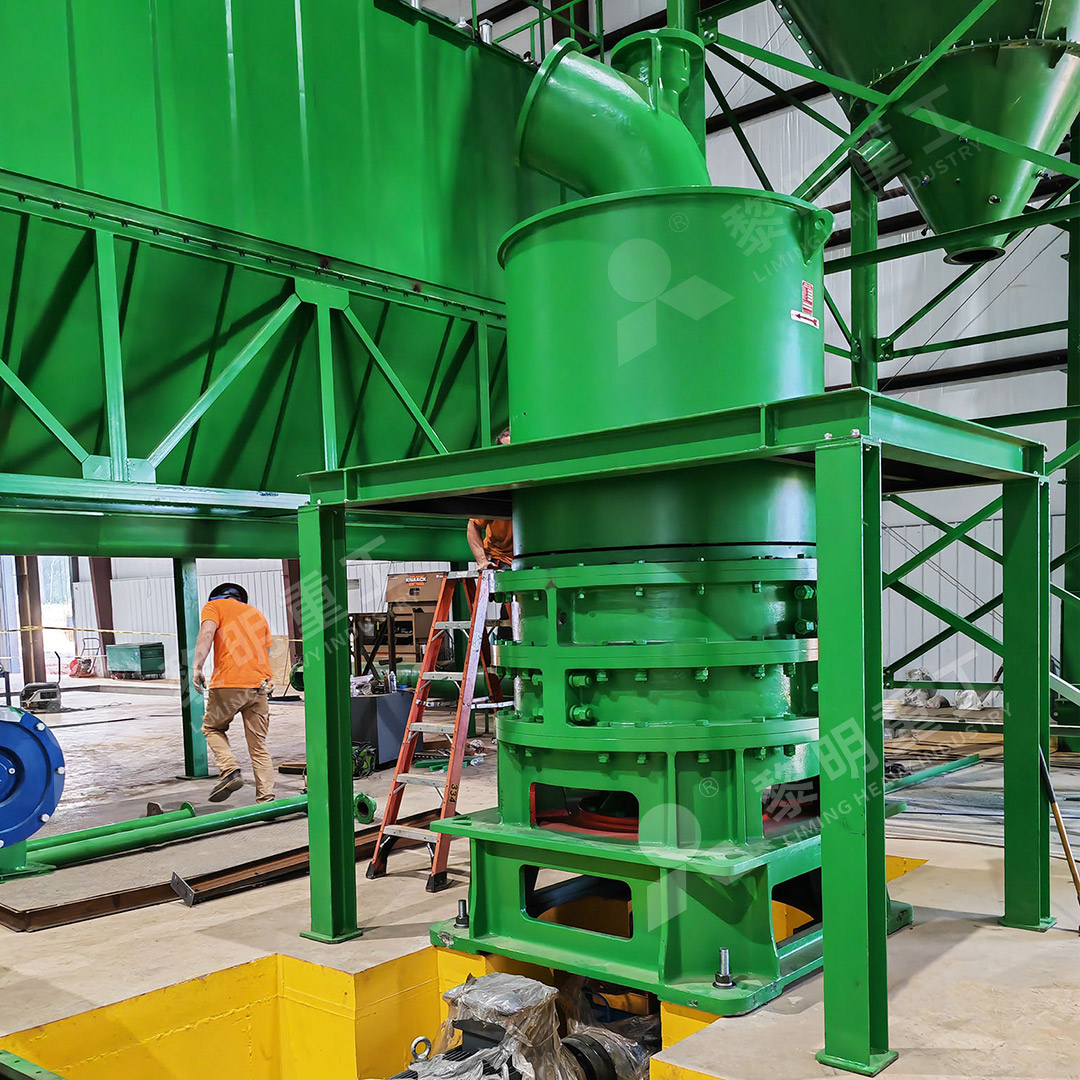
When the end-use requires an ultra-fine powder, such as in high-performance concrete or specialized chemical applications, a different level of grinding precision is needed. For these demanding scenarios, the MW Ultrafine Grinding Mill is an exemplary choice. This machine is engineered to produce powders with fineness adjustable between 325 and 2500 meshes, achieving a precise cut point where 97% of particles are below 5μm.
What makes the MW Mill particularly suitable for sensitive processing environments is its innovative design. The grinding chamber contains no rolling bearings or screws, eliminating common failure points and concerns about contamination from loose parts or lubricant leaks. An external lubrication system allows for maintenance without shutdowns, supporting 24/7 production. Furthermore, it is equipped with an efficient pulse dust collector and silencer, making the entire milling process remarkably clean and quiet. With an input size of 0-20 mm and a capacity range of 0.5 to 25 tons per hour, it offers both flexibility and high output for specialized fine powder production.
Conclusion: Investing in Purpose-Built Technology
The effective processing of coal ash and slag is no longer just about waste reduction; it’s a strategic operation that adds value and supports circular economy principles. Selecting the correct grinding technology is paramount to this strategy. Purpose-built mills like the LM Vertical Slag Mill for high-volume slag processing and the MW Ultrafine Grinding Mill for premium fine powders provide the efficiency, reliability, and environmental compliance that modern industry demands. By investing in such tailored solutions, operators can ensure optimal product quality, minimize operational costs, and contribute to more sustainable industrial practices.
Frequently Asked Questions (FAQ)
- What is the primary advantage of a vertical mill over a traditional ball mill for slag grinding?
Vertical mills like the LM series offer a significantly smaller footprint (about 50% less space), 30-40% lower energy consumption, and integrate multiple processes (drying, grinding, classifying) into one unit, reducing overall investment and operating costs. - How is dust controlled during the grinding of fine powders like coal ash?
Modern mills are designed as closed systems operating under negative pressure. They are equipped with high-efficiency pulse jet dust collectors (bag filters) that capture over 99.9% of airborne particles, ensuring a clean plant environment and no dust pollution. - Can the fineness of the final product be adjusted on these mills?
Yes. Mills like the MW Ultrafine Grinding Mill feature advanced, multi-head cage-type powder selectors. The rotating speed of the classifier can be adjusted to precisely control the cut point, allowing operators to produce powder within a wide range, from 325 to 2500 meshes, to meet specific customer requirements. - How do you manage the wear from abrasive materials like slag?
Key wear parts, such as grinding rollers, tables, and liners, are manufactured from specially developed wear-resistant alloys. Their service life is substantially longer than standard materials. Furthermore, designs like the reversible roller in the LUM mill allow worn surfaces to be swapped or maintained easily. - What kind of maintenance should be expected?
Designs focus on reducing maintenance needs. Features like external lubrication systems (MW Mill), hydraulic roller turning-out devices (LM Coal Mill), and the absence of internal screws and bearings in the grinding chamber minimize frequent interventions. Regular maintenance typically involves monitoring wear parts and the dust collection system. - Are these mills suitable for 24/7 continuous operation?
Absolutely. These industrial grinding mills are engineered for continuous duty. Their stable mechanical design, robust construction, and features allowing for external lubrication and part inspection without full shutdowns make them ideal for round-the-clock production lines.