
Custom 6R4525 Raymond Mill Ordering Guide and Specifications
We provide a wide range of mills — including Raymond mill, trapezoidal mill, vertical mill, ultrafine mill, and ball mill, obtained ISO9001 international quality certification, EU CE certification, and Customs Union CU-TR certification. Suitable for processing minerals such as limestone, phosphate, quicklime, kaolin, talc, barite, bentonite, calcium carbonate, dolomite, coal, gypsum, clay, carbon black, slag, cement raw materials, cement clinker, and more.
The discharge range of these mills can be adjusted to meet specific processing needs, typically from 80-400 mesh, 600-3250 mesh, and can achieve the finest particle size of up to 6000 mesh(D50).
If you are looking for a reliable grinding solution to turn stone or minerals into fine powder, please feel free to contact our online customer service.
Custom 6R4525 Raymond Mill Ordering Guide and Specifications
When your operation demands reliable, high-capacity fine powder production, the 6R4525 Raymond Mill stands as a proven workhorse. This comprehensive guide is designed to assist project managers, plant engineers, and procurement specialists in specifying and ordering a custom-configured 6R4525 unit tailored precisely to your material and output requirements. Unlike off-the-shelf solutions, a custom Raymond mill from a seasoned manufacturer like us ensures your equipment is not just a purchase, but a strategic investment in your production line’s efficiency and longevity.
Core Specifications & Configuration Framework
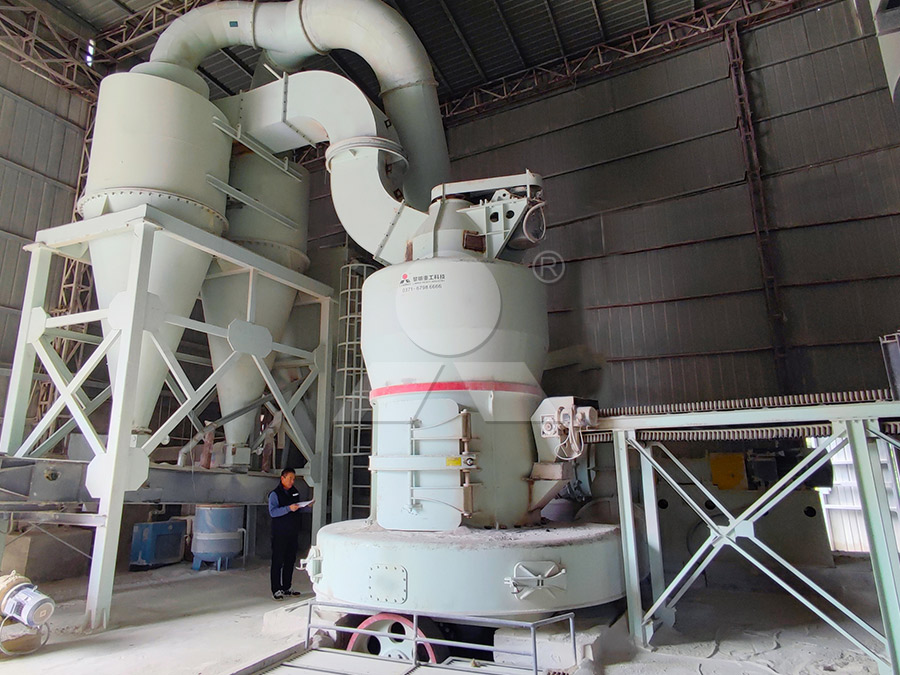
The 6R4525 designation refers to a mill with six grinding rollers (6R) and a grinding ring diameter of approximately 4525mm. This larger frame size inherently supports higher throughput capacities compared to smaller 3R, 4R, or 5R models. The base machine is engineered for materials with a Mohs hardness below 7 and humidity under 6%. Standard input size is typically under 25mm, with a grinding capacity ranging from 5 to 25 tons per hour, depending on material characteristics and final fineness (commonly adjustable between 80-325 mesh).
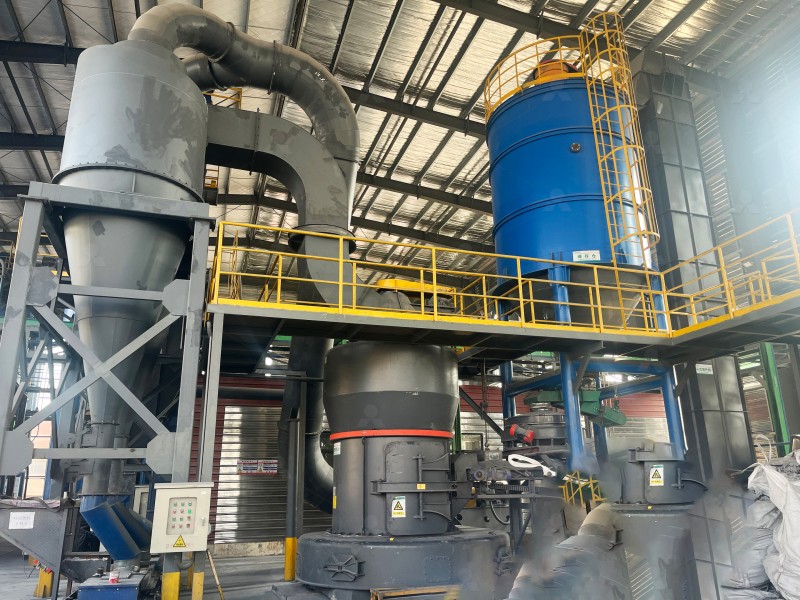
Key components that define performance include the Grinding Roller & Ring Assembly. For custom orders, we collaborate with you to select the optimal alloy material for these wear parts based on your feedstock’s abrasiveness. The Centralized Pneumatic Control System is another critical area for customization, allowing for precise adjustment of grinding pressure and classifier speed to achieve consistent product granularity.
Critical Customization Points for Your Order
A truly custom mill addresses your entire production ecosystem. Consider these essential aspects during the specification phase:
- Material Analysis: Provide detailed samples. Chemical composition, moisture content, initial feed size, and desired final fineness directly influence the selection of the grinding chamber lining, roller material, and air flow design.
- Integrated System Design: The mill is the heart, but it needs supporting organs. Specify requirements for ancillary equipment like the jaw crusher for primary reduction, elevator, vibrating feeder, pulse dust collector, and electrical control cabinet. A unified design ensures seamless material flow and control.
- Drive & Power Configuration: Motor power (typically ranging from 132kW to 250kW for the main unit) and voltage must be specified to match your plant’s infrastructure. Options for variable frequency drives (VFDs) offer superior energy management and soft-start capabilities.
- Environmental & Automation Controls: Modern installations demand eco-efficiency. Specify the efficiency level of the pulse-jet baghouse dust collector and consider noise reduction enclosures. Level of automation, from local PLC control to full SCADA integration, should be defined upfront.
Beyond Raymond: When to Consider Advanced Grinding Solutions
While the 6R4525 Raymond Mill is exceptionally versatile for a wide range of minerals (limestone, calcite, barite, etc.), some applications benefit from more specialized technology. If your project targets ultra-fine powders in the range of 325 to 2500 meshes, or requires exceptional product whiteness and purity, our MW Ultrafine Grinding Mill represents a significant leap forward. Its cage-type powder selector, derived from German technology, offers unparalleled precision in particle separation. A standout feature is the absence of rolling bearings and screws within its grinding chamber, virtually eliminating a major source of mechanical failure and contamination, and enabling external lubrication for true 24/7 continuous operation.
For operations prioritizing vertical integration, space savings, and processing of slightly larger feed (up to 70mm), the LM Vertical Grinding Mill is a compelling alternative. It integrates crushing, drying, grinding, and classifying in a single footprint, reducing occupied area by 50% compared to a traditional ball mill system. Its grinding roller and millstone do not contact directly, resulting in extremely low iron contamination—a critical factor for high-value materials like ceramics and advanced chemicals.
Ordering Process & Project Timeline
Engaging with us for a custom 6R4525 mill follows a structured partnership:
- Technical Consultation & Feasibility: Share your material specs and production goals. Our engineers will perform a preliminary analysis and may request samples for lab testing.
- Quotation & Specification Finalization: You will receive a detailed proposal outlining the complete mill system, custom features, performance guarantees, delivery terms, and commercial details.
- Design & Manufacturing: Upon order confirmation, detailed engineering drawings are created for your approval. Manufacturing leverages tens of lines of CNC machine tools, ensuring high precision, especially for core components.
- Logistics, Installation & Commissioning: We oversee shipping and provide comprehensive installation guidance and on-site commissioning support to ensure the system performs as specified.
- After-Sales & Support: Our responsibility extends long after startup. We provide technical services and guarantee the supply of original spare parts for worry-free, long-term operation.
Ensuring Long-Term Performance
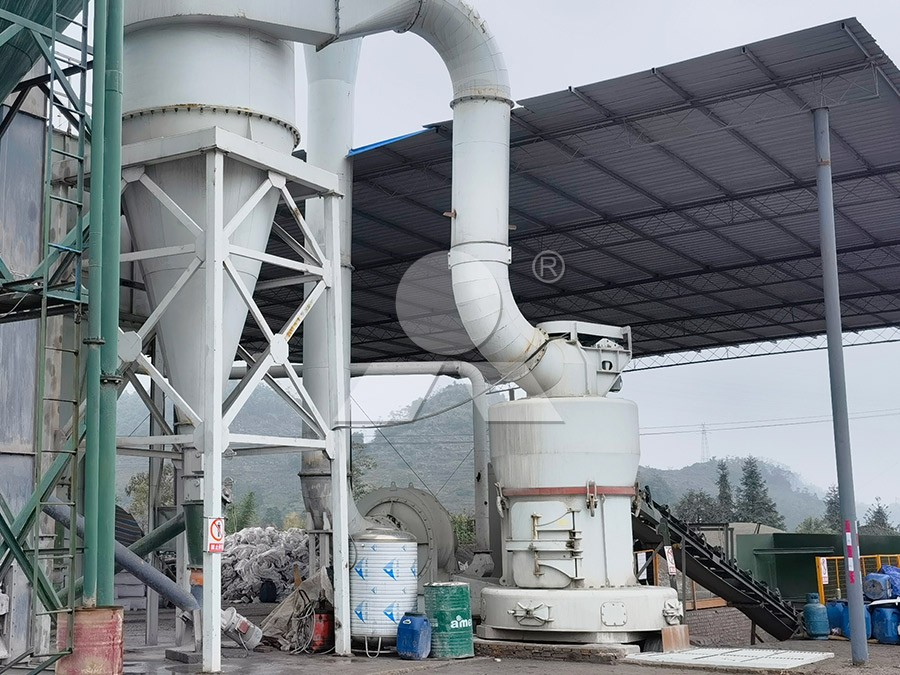
The durability of your custom mill hinges on proactive maintenance. Adhere to the lubrication schedule for the grinding roller bearings and reducer. Regularly inspect wear parts like the grinding rolls and rings; our reversible and easily accessible designs on models like the LUM Ultrafine Mill minimize downtime for these checks. Monitor the performance of the baghouse filters and classifier blades to maintain product fineness and system efficiency. With proper care, a custom-built 6R4525 Raymond Mill will deliver decades of reliable service, forming the dependable core of your powder processing line.
Frequently Asked Questions (FAQ)
1. What is the lead time for a custom-configured 6R4525 Raymond Mill?
Lead times vary based on the complexity of customizations and current production schedule. Typically, from order confirmation to shipment, you can expect a period of 8 to 14 weeks. We provide a detailed project timeline upon quotation.
2. Can the 6R4525 mill handle moist materials?
The standard Raymond mill design is optimal for materials with moisture content below 6%. For higher moisture, we can integrate a hot air furnace into the system design to provide concurrent drying during the grinding process, though this requires specific customization.
3. How is the final fineness of the powder controlled?
Fineness is primarily controlled by the speed of the built-in turbine classifier. Increasing the classifier speed allows only finer particles to pass, resulting in a finer product. The grinding pressure between the rollers and the ring is a secondary adjustment parameter.
4. What kind of after-sales support do you offer?
Our support includes detailed installation manuals, remote technical assistance, and the availability of experienced engineers for on-site commissioning and training. Crucially, we maintain a complete inventory of original spare parts, ensuring you are never left waiting for a critical component.
5. How does the energy consumption of the 6R4525 compare to a ball mill for similar output?
The Raymond mill system is generally more energy-efficient than a traditional ball mill for fine grinding applications down to 325 mesh. It can offer energy savings of 30-40% for comparable output due to its more direct grinding mechanism and efficient air classification.
6. Is the system environmentally friendly?
Yes. A properly configured system operates under negative pressure, preventing dust leakage. The integrated high-efficiency pulse-jet dust collector ensures dust emissions are far below national and international environmental standards. Noise reduction measures can also be implemented.