
Industrial Grinding Machine for Slag Processing and Maintenance
We provide a wide range of mills — including Raymond mill, trapezoidal mill, vertical mill, ultrafine mill, and ball mill, obtained ISO9001 international quality certification, EU CE certification, and Customs Union CU-TR certification. Suitable for processing minerals such as limestone, phosphate, quicklime, kaolin, talc, barite, bentonite, calcium carbonate, dolomite, coal, gypsum, clay, carbon black, slag, cement raw materials, cement clinker, and more.
The discharge range of these mills can be adjusted to meet specific processing needs, typically from 80-400 mesh, 600-3250 mesh, and can achieve the finest particle size of up to 6000 mesh(D50).
If you are looking for a reliable grinding solution to turn stone or minerals into fine powder, please feel free to contact our online customer service.
Industrial Grinding Machine for Slag Processing and Maintenance
The efficient processing of industrial slag—a byproduct of steelmaking, power generation, and metallurgical processes—presents a significant opportunity for value recovery and sustainable waste management. Transforming this granular material into a fine, consistent powder unlocks its potential as a supplementary cementitious material (SCM), a raw material for construction products, or even for land reclamation. The core of this transformation lies in selecting the right industrial grinding machine, a decision that directly impacts operational efficiency, product quality, and long-term maintenance costs. This article explores the critical considerations for slag processing and highlights advanced milling solutions that address these challenges head-on.
The Slag Grinding Challenge: Beyond Simple Crushing
Slag is inherently abrasive and can vary in moisture content and hardness. A standard crushing operation is insufficient for producing the ultra-fine powders required for high-value applications. The ideal grinding system must therefore integrate several functions: efficient drying (if the slag is moist), precise size reduction, accurate classification to the target fineness (often measured in Blaine surface area or specific mesh sizes), and environmentally controlled conveying. The mechanical stress involved demands a robust design, while the need for consistent product quality calls for precise operational control. Furthermore, the abrasive nature of slag accelerates wear on grinding components, making ease of maintenance and access to durable, genuine spare parts non-negotiable factors for minimizing downtime and total cost of ownership.
Key Features of a Modern Slag Grinding Mill
When evaluating equipment for slag processing, several technological advancements separate basic mills from high-performance systems. Look for designs that promote energy efficiency, as grinding is inherently power-intensive. Integrated drying capabilities eliminate the need for a separate, energy-hungry dryer. The grinding mechanism itself should minimize direct metal-to-metal contact in the milling chamber to reduce wear and iron contamination of the final product. Advanced powder separators are crucial for achieving a tight particle size distribution and allowing quick adjustment of product fineness. Finally, the entire system must operate under negative pressure with high-efficiency dust collection to meet stringent environmental and workplace safety standards.
Recommended Solution: The LM Vertical Slag Mill
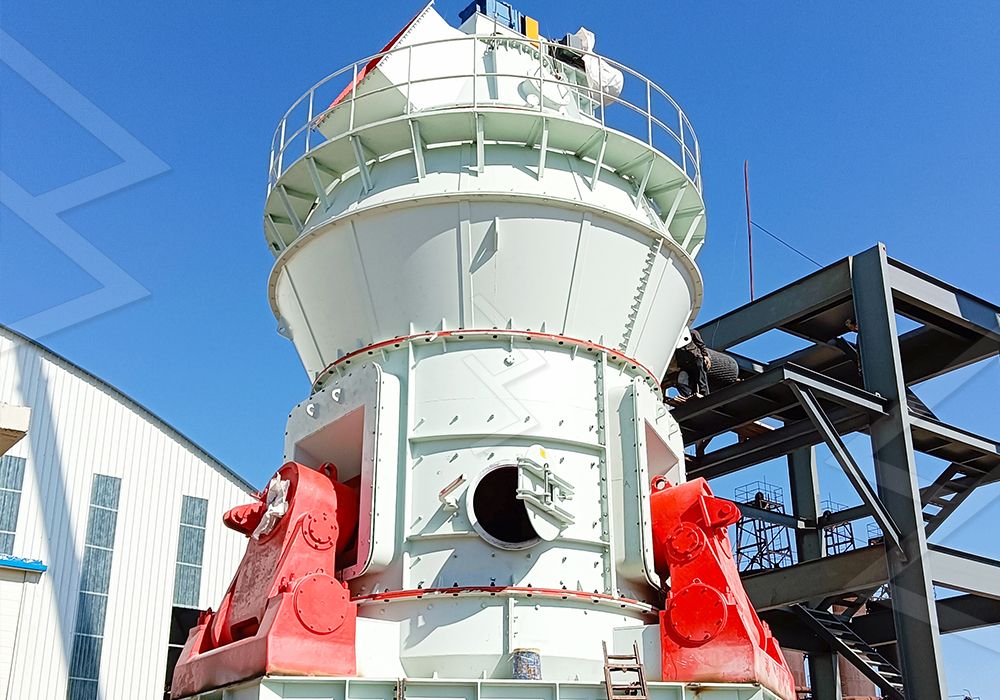
For operations focused specifically on granulated blast furnace slag or steel slag, a purpose-built vertical mill offers distinct advantages. Our LM Vertical Slag Mill is engineered from the ground up for this application. Integrating drying, grinding, powder selection, and conveying into a single, compact unit, it reduces the plant’s footprint by approximately 50% compared to traditional ball mill systems, while simultaneously cutting energy consumption by 30-40%. Its unique grinding device and negative-pressure air-sweep design ensure efficient processing of materials with an input size of 38-65mm and capacities ranging from 7 to 100 tons per hour.
The mill’s construction prioritizes durability in the face of abrasive materials. High-performance wear-resistant materials are used for critical components, extending service life and ensuring reliable operation. A significant benefit for maintenance teams is the design that allows the grinding roller to be easily turned out of the mill body for inspection or replacement of wear parts, dramatically reducing downtime for routine servicing. The result is a fine, uniform powder with high screening rate, ideal for producing high-quality slag cement or concrete additives.
Ensuring Long-Term Reliability: The Maintenance Philosophy
Procuring the right machine is only the first step. A proactive, planned maintenance strategy is essential for maximizing equipment lifespan and avoiding unplanned stoppages. This begins with using original, manufacturer-supplied spare parts. While generic parts may seem cost-effective, they often fail to match the precise metallurgy, tolerances, and design specifications of the original components, leading to premature failure, reduced efficiency, and potential damage to other mill parts.
Modern mills facilitate maintenance through intelligent design. Features like external lubrication systems that allow greasing without shutdown, reversible or symmetrical rollers that double wear life, and hydraulic systems that enable remote adjustment of grinding pressure are no longer luxuries—they are necessities for competitive, continuous operation. Partnering with a manufacturer that provides comprehensive technical support and maintains a sufficient inventory of original spare parts is crucial for worry-free operation over the machine’s entire lifecycle.

A Versatile Alternative for Ultra-Fine Requirements
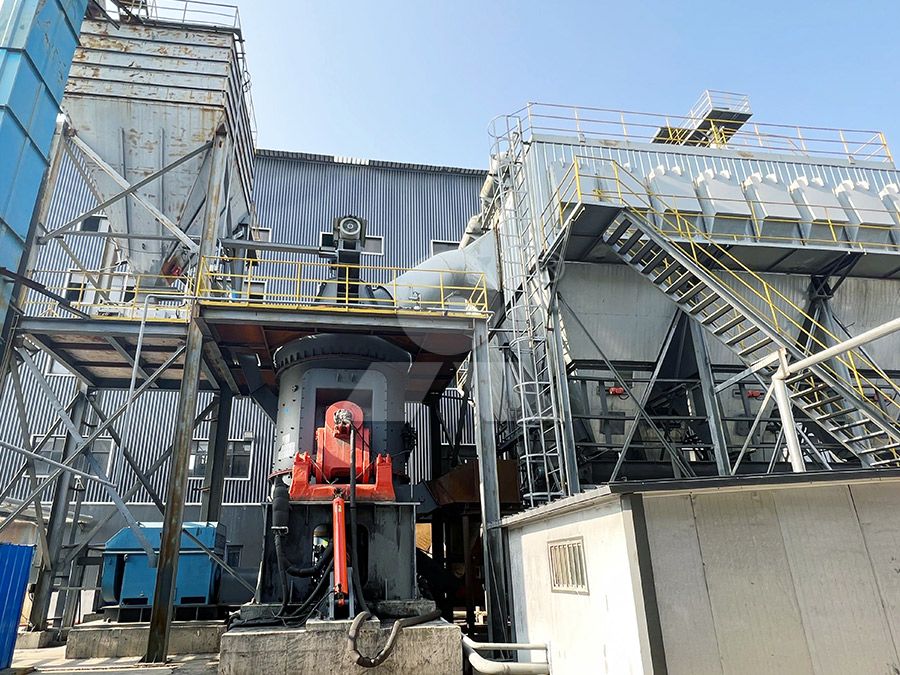
For applications demanding exceptionally fine slag powders or for processing a wider range of industrial by-products alongside slag, our LUM Ultrafine Vertical Grinding Mill presents an excellent solution. This mill excels in producing superfine dry powder with superior whiteness and cleanliness. It incorporates the latest grinding roller and German powder separating technology, enabling precise fineness adjustment and high-yield output with 30-50% lower energy consumption than common grinding mills. Its double position-limiting technology protects the mill from destructive vibration, and the reversible structure makes maintenance and part replacement straightforward. With an input size of 0-10mm and a capacity range of 5-18 tph, it is a powerful tool for high-value, ultra-fine slag processing.
In conclusion, successful slag processing hinges on a synergistic combination of advanced technology and sustainable maintenance practices. By investing in grinding equipment designed for the specific challenges of slag—with integrated processes, wear-resistant construction, and maintenance-friendly features—operators can achieve remarkable efficiency, product quality, and long-term operational stability, turning an industrial byproduct into a valuable resource.
Frequently Asked Questions (FAQ)
- What is the primary advantage of a vertical mill over a traditional ball mill for slag grinding?
Vertical mills like the LM Vertical Slag Mill integrate multiple processes (drying, grinding, classification) into one compact unit, reducing footprint by ~50% and energy consumption by 30-40%. They also offer faster particle retention time, easier maintenance access, and better control over product fineness. - How does the abrasive nature of slag affect mill maintenance?
Slag’s abrasiveness accelerates wear on grinding rollers, tables, and liners. Therefore, it is critical to use mills built with high-performance wear-resistant materials and designs that allow for easy inspection and replacement of these components to minimize costly downtime. - Can your mills handle slag with some moisture content?
Yes. Both the LM Vertical Slag Mill and the LUM Ultrafine Vertical Mill are designed as air-swept grinding systems that can integrate drying. Hot air introduced into the mill simultaneously dries and transports the material, eliminating the need for pre-drying in many cases. - Why is it important to use original spare parts from the manufacturer?
Original spare parts are manufactured to exact specifications, ensuring proper fit, optimal performance, and expected service life. Using non-genuine parts can lead to improper operation, reduced efficiency, accelerated wear on other components, and may void equipment warranties. - What fineness range can be achieved for slag powder with your equipment?
The achievable fineness depends on the mill model. The LM Vertical Slag Mill is typically used for producing slag cement fineness (e.g., 400-550 m²/kg Blaine). The LUM Ultrafine Vertical Mill can achieve much finer grades, suitable for high-performance concrete applications where ultrafine slag powder is specified. - How is dust control managed during the slag grinding process?
Our milling systems are designed to operate under negative pressure. This, combined with high-efficiency pulse jet dust collectors integrated into the system, ensures that dust is contained within the closed circuit. This results in a clean working environment and emissions that meet strict international environmental standards.