
Coal Ash Grinding Mill for Sale: Efficient Processing Equipment
We provide a wide range of mills — including Raymond mill, trapezoidal mill, vertical mill, ultrafine mill, and ball mill, obtained ISO9001 international quality certification, EU CE certification, and Customs Union CU-TR certification. Suitable for processing minerals such as limestone, phosphate, quicklime, kaolin, talc, barite, bentonite, calcium carbonate, dolomite, coal, gypsum, clay, carbon black, slag, cement raw materials, cement clinker, and more.
The discharge range of these mills can be adjusted to meet specific processing needs, typically from 80-400 mesh, 600-3250 mesh, and can achieve the finest particle size of up to 6000 mesh(D50).
If you are looking for a reliable grinding solution to turn stone or minerals into fine powder, please feel free to contact our online customer service.
Coal Ash Grinding Mill for Sale: Efficient Processing Equipment
The management and utilization of coal combustion by-products, particularly coal ash, present a significant opportunity for industries worldwide. As environmental regulations tighten and the demand for sustainable practices grows, efficient processing of this material becomes paramount. Coal ash, comprising fly ash and bottom ash, possesses valuable properties that make it suitable for applications in construction, cement production, and soil stabilization. However, unlocking this potential requires advanced grinding technology capable of transforming raw ash into a consistent, high-quality powder. This article explores the critical considerations for selecting a coal ash grinding mill and highlights cutting-edge solutions designed for maximum efficiency and minimal environmental impact.
The Challenge of Coal Ash Processing
Processing coal ash is not a trivial task. The material can be abrasive, variable in moisture content, and requires precise fineness control to meet industry specifications for pozzolanic activity. Traditional grinding methods often fall short, suffering from high energy consumption, excessive wear on components, and inconsistent product quality. Furthermore, the entire process must be contained to prevent dust pollution, a key environmental and workplace safety concern. An ideal grinding system must therefore integrate robust construction, intelligent classification, and superior dust collection to handle the specific demands of coal ash.
Key Features of Modern Coal Ash Grinding Mills
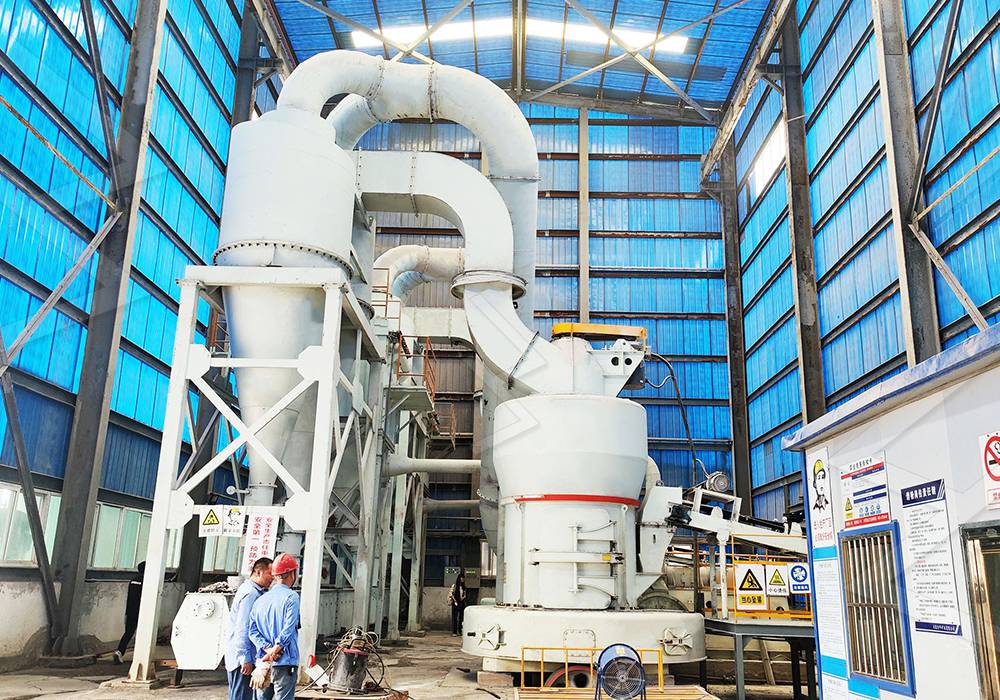
Today’s leading grinding mills address these challenges through innovative engineering. High grinding efficiency is achieved through optimized grinding curves and roller designs that maximize yield while minimizing power draw. Energy-saving powder separators, often multi-head cage-type systems, allow for precise fineness adjustment—typically between 325 to 2500 meshes—ensuring the final product meets exact application requirements. Operational stability is enhanced by features like electronic and mechanical limiting technologies, which protect the mill’s core from destructive vibration and impact. Perhaps most critically, integrated pulse jet dust collectors and silencer systems ensure the entire milling operation is clean and quiet, aligning with stringent national environmental protection standards.
Introducing the MW Ultrafine Grinding Mill: A Tailored Solution
For operations focused on producing ultra-fine coal ash powder, the MW Ultrafine Grinding Mill stands out as a premier choice. Engineered for customers who need to make ultra-fine powder, this machine excels in processing materials like coal powder. It boasts an impressive capacity range of 0.5 to 25 tons per hour, handling feed sizes up to 20mm.
Its design incorporates several breakthrough features specifically beneficial for coal ash. The newly designed grinding curves of the roller and ring enhance efficiency, offering a production capacity up to 40% higher than jet mills and double that of ball mills at the same fineness and power, while reducing system energy consumption by 70%. The German-technology cage-type powder selector enables precise fineness control between 325-2500 meshes. Notably, the grinding chamber contains no rolling bearings or screws, eliminating common failure points and allowing for external lubrication without shutdown, supporting continuous 24/7 production. Coupled with its efficient pulse dust collector and muffler, the MW Grinding Mill delivers a high-yield, low-noise, and environmentally friendly processing solution.
Vertical Grinding: The LUM Ultrafine Vertical Alternative
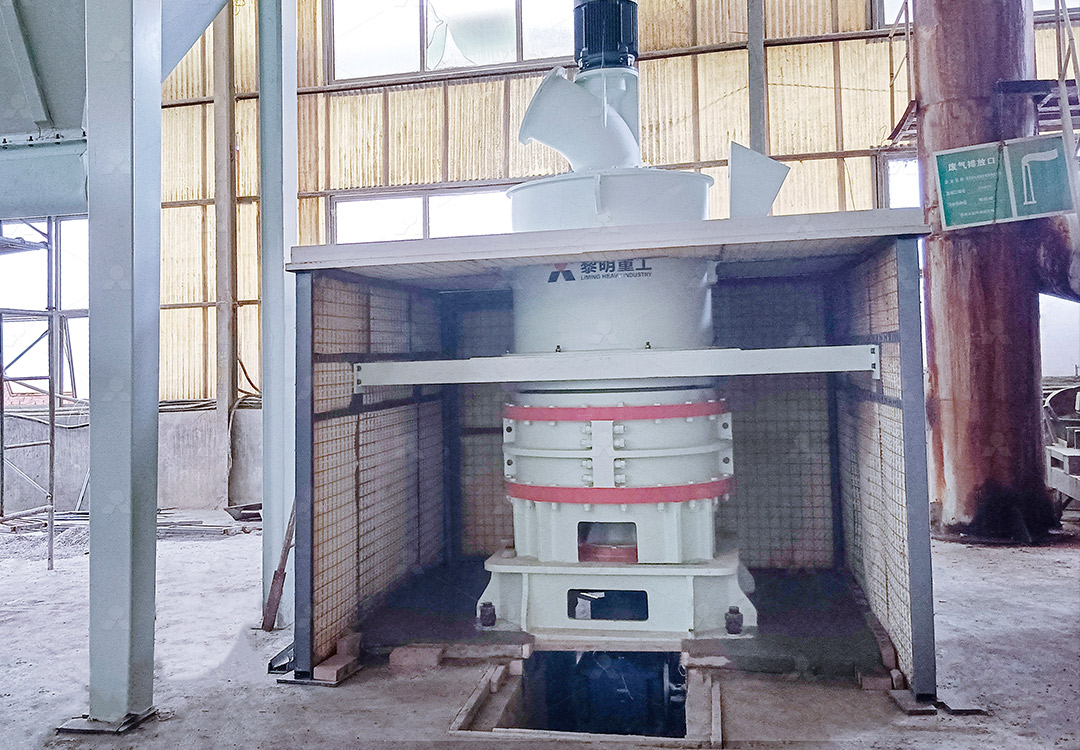
For operations prioritizing easier maintenance and exceptional energy savings, vertical roller mills offer a compelling configuration. The LUM Ultrafine Vertical Grinding Mill is another excellent option for coal ash processing. With a capacity of 5-18 tph for sub-10mm feed material, it integrates grinding, grading, and transporting. Its unique roller shell and lining plate grinding curve promote stable material bed formation, enabling a high rate of finished product in a single pass, which improves efficiency and product whiteness. The mill utilizes a PLC-controlled, multi-head powder separating technology that can reduce energy consumption by 30%-50% compared to common grinders. A key maintenance advantage is its reversible structure, allowing grinding rollers to be easily hydraulically moved out of the mill body for inspection and part replacement, drastically reducing downtime.
Making the Right Investment
Selecting the correct coal ash grinding mill is a strategic decision that impacts long-term operational costs, product quality, and environmental compliance. Beyond the machine’s core specifications, consider the manufacturer’s support network. A reliable supplier should offer comprehensive technical services and a sufficient supply of original spare parts to guarantee worry-free operation. Digitalized manufacturing processes also ensure higher machining precision for core components, leading to greater reliability and longevity of the equipment.
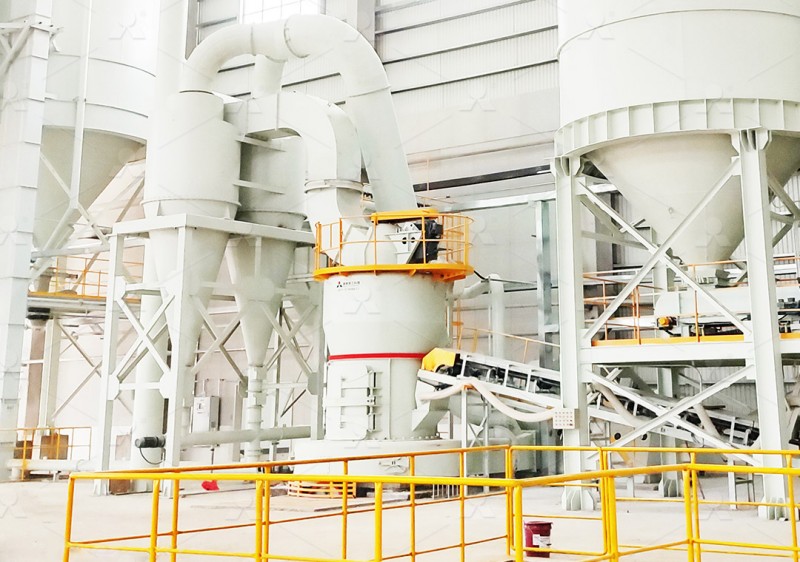
In conclusion, modern coal ash processing demands equipment that is efficient, durable, and clean. By investing in advanced grinding technology like the MW Ultrafine Grinding Mill or the LUM Ultrafine Vertical Grinding Mill, industries can effectively transform a by-product into a valuable resource, ensuring profitability while adhering to the principles of a circular economy and sustainable industrial practice.
Frequently Asked Questions (FAQ)
- What is the typical fineness range achievable for coal ash using your mills?
Our advanced mills, like the MW Series, are equipped with high-precision cage-type powder selectors that allow adjustable fineness between 325 and 2500 meshes. For coal ash used in concrete, a common target range is 400-600 meshes, which our equipment can consistently achieve. - How do you control dust during the coal ash grinding process?
All our modern grinding systems, including the MW and LUM mills, come integrated with efficient pulse jet dust collectors. This creates a negative pressure environment within the milling system, ensuring no dust escapes during operation. The collected dust is automatically returned to the process or safely disposed of. - What is the advantage of a “no rolling bearing in the chamber” design?
As seen in the MW Mill, this design eliminates the risk of bearing failure or seal damage due to abrasive coal ash ingress. It simplifies maintenance, allows for external lubrication while running, and significantly enhances the mill’s reliability for continuous 24-hour operation. - Can your mills handle variations in coal ash moisture content?
Yes. While optimal performance is with drier material, our vertical mill designs, in particular, integrate drying functions. Hot air can be introduced into the grinding chamber to simultaneously dry and grind material with moderate moisture content, ensuring stable operation and product quality. - What kind of after-sales support and spare parts availability can we expect?
We take full responsibility for every machine we produce. We provide comprehensive technical services and guarantee the supply of original spare parts. Our digitalized manufacturing ensures part precision and interchangeability, minimizing your downtime and ensuring worry-free long-term operation. - How does the energy consumption compare to a traditional ball mill?
Our grinding mills are significantly more energy-efficient. For example, the MW Ultrafine Grinding Mill can have a system energy consumption only 30% of a jet mill, while the LUM Vertical Mill can reduce consumption by 30%-50% compared to common grinding mills, offering substantial operational cost savings.