
Cost Analysis of Raymond Mill for 300 Mesh CFB Process Quicklime at 2 Tons Per Hour
We provide a wide range of mills — including Raymond mill, trapezoidal mill, vertical mill, ultrafine mill, and ball mill, obtained ISO9001 international quality certification, EU CE certification, and Customs Union CU-TR certification. Suitable for processing minerals such as limestone, phosphate, quicklime, kaolin, talc, barite, bentonite, calcium carbonate, dolomite, coal, gypsum, clay, carbon black, slag, cement raw materials, cement clinker, and more.
The discharge range of these mills can be adjusted to meet specific processing needs, typically from 80-400 mesh, 600-3250 mesh, and can achieve the finest particle size of up to 6000 mesh(D50).
If you are looking for a reliable grinding solution to turn stone or minerals into fine powder, please feel free to contact our online customer service.
Cost Analysis of Raymond Mill for 300 Mesh CFB Process Quicklime at 2 Tons Per Hour
Selecting the optimal grinding equipment for producing 300-mesh quicklime powder for Circulating Fluidized Bed (CFB) processes at a rate of 2 tons per hour is a critical decision that directly impacts operational efficiency, product quality, and long-term profitability. While traditional Raymond mills have been a staple in powder processing, a detailed cost analysis reveals significant considerations beyond the initial purchase price. This article examines the total cost of ownership for a Raymond mill in this specific application and explores more advanced, cost-effective alternatives.
Understanding the Application Requirements
Quicklime (Calcium Oxide) used in CFB systems, such as flue gas desulfurization, requires a consistently fine powder, typically around 300 mesh (approximately 50 microns). This fineness ensures maximum surface area for efficient chemical reactions. A stable output of 2 tph is necessary for continuous process integration. The abrasive nature of quicklime also demands robust wear parts and a system designed for minimal contamination.
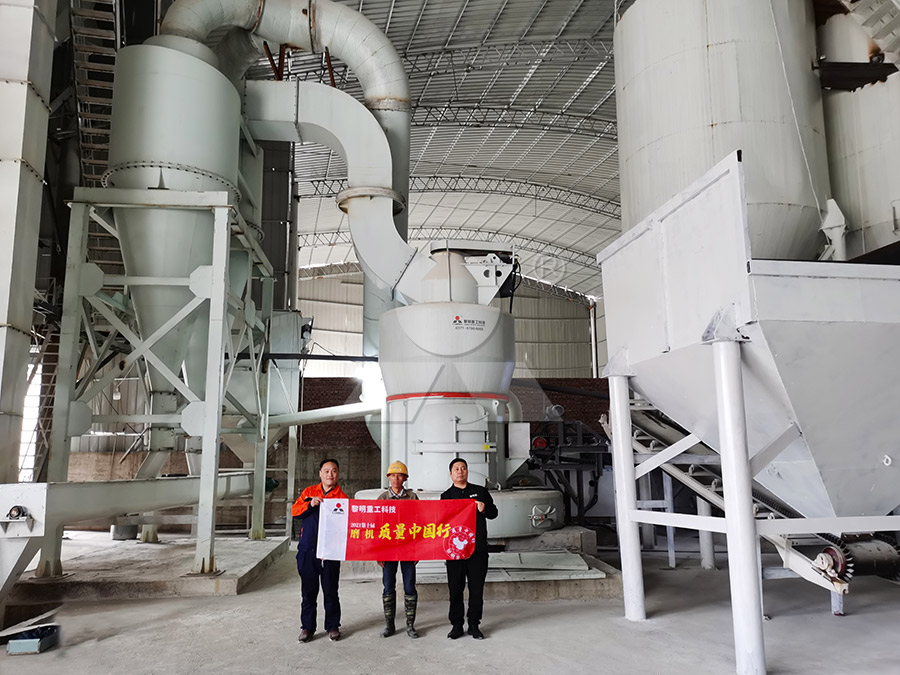
Traditional Raymond Mill: A Cost Breakdown
A conventional Raymond mill configuration for this task involves analyzing both capital expenditure (CAPEX) and operational expenditure (OPEX).
Capital Expenditure (CAPEX)
- Mill & System Cost: The base price for a Raymond mill capable of ~2 tph at 300 mesh.
- Ancillary Equipment: Costs for jaw crusher (for <25mm feed), elevator, feeder, piping, cyclone collector, and dust control system.
- Installation & Foundation: Significant civil work is often required due to the mill’s structure and vibration profile.
Operational Expenditure (OPEX)
- Energy Consumption: Raymond mills, while improved, can have higher specific energy consumption (kWh/ton) for ultra-fine grinding compared to newer designs, leading to substantial electricity costs.
- Wear Parts Replacement: Frequent replacement of grinding rollers, rings, and shovel blades due to the abrasiveness of quicklime. Downtime for maintenance adds to lost production cost.
- Product Quality & Yield: Achieving a stable 300 mesh can be challenging, potentially leading to off-spec product or the need for re-processing. Lower grinding efficiency may also mean higher feed rate to achieve 2 tph output.
- Labor & Maintenance: Requires regular manual lubrication, adjustment, and monitoring.
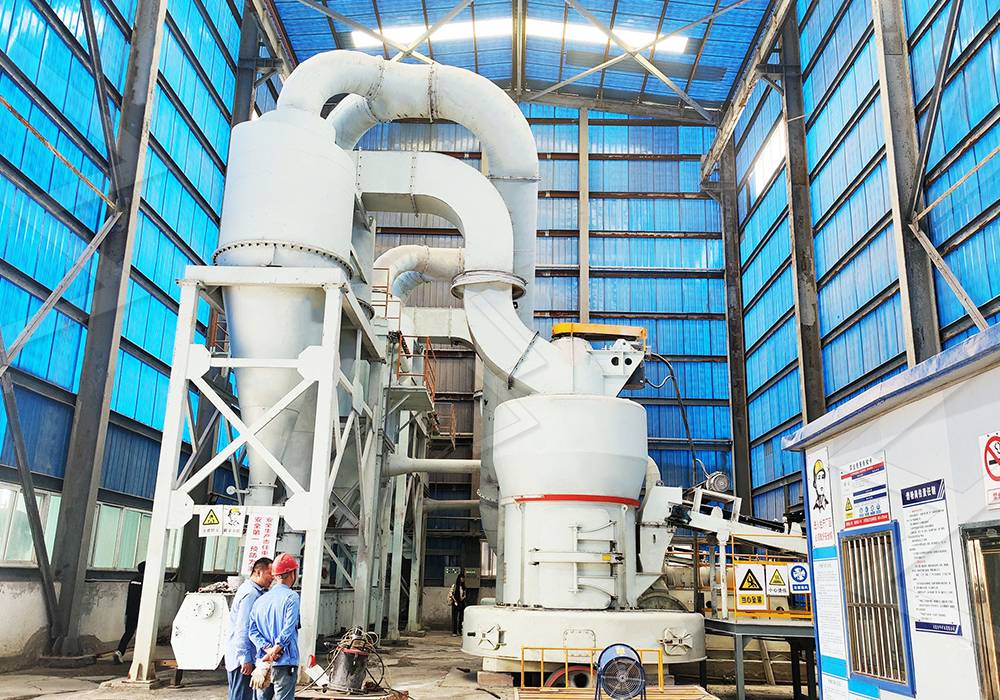
The Modern Alternative: Enhancing Profitability with Advanced Grinding Technology
For a 2 tph, 300 mesh quicklime operation, modern vertical roller mills and ultra-fine grinding mills present a compelling case by fundamentally improving OPEX. One standout solution is our MW Ultrafine Grinding Mill.
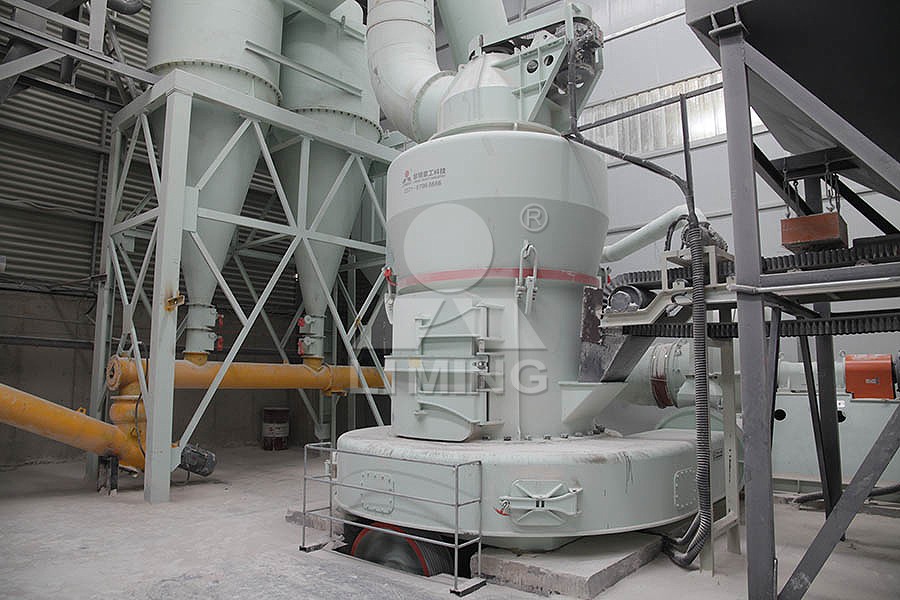
Engineered for precisely this kind of application, the MW Ultrafine Grinding Mill offers transformative advantages. Its newly designed grinding curves for the roller and ring enhance efficiency dramatically. Compared to jet mills or ball mills, it can increase production capacity by up to 40% while reducing system energy consumption by approximately 30%. For your 2 tph requirement, this translates directly into lower kilowatt-hour costs per ton. Furthermore, its cage-type powder selector, utilizing German technology, allows precise adjustment of fineness between 325-2500 meshes, ensuring your 300-mesh specification is met consistently and efficiently (d97≤5μm).
A critical cost-saving feature is its maintenance-friendly design. The grinding chamber contains no rolling bearings or screws, eliminating common failure points and concerns about bearing seal damage or loose screws causing machine failure. Lubrication can be performed externally without shutdown, supporting continuous 24/7 operation—vital for CFB processes. The integrated high-efficiency pulse dust collector ensures an environmentally compliant, dust-free operation.
Comparative Cost Analysis: Raymond Mill vs. MW Series Mill
| Cost Factor | Traditional Raymond Mill | MW Ultrafine Grinding Mill |
|---|---|---|
| Specific Energy Use | Higher (Baseline) | Up to 30-40% Lower |
| Wear Part Lifecycle | Shorter, frequent changes | Longer, optimized design |
| Fineness Control & Yield | Adequate, may vary | Precise, high screening rate |
| Maintenance Downtime | Higher for internal parts | Reduced (external lubrication, no internal bearings) |
| Environmental Compliance | Requires add-on systems | Integrated pulse dust collection |
Conclusion: A Strategic Investment Decision
While a Raymond mill represents a known technology, the total cost analysis for a 2 tph, 300-mesh quicklime operation highlights potential inefficiencies in energy, maintenance, and yield. Investing in advanced grinding technology like the MW Ultrafine Grinding Mill shifts the cost structure. The higher initial CAPEX is typically offset within a short period by dramatically lower OPEX through energy savings, reduced downtime, longer wear part life, and superior product consistency. For operators aiming to maximize the profitability and reliability of their CFB quicklime supply line, modernizing the grinding circuit is a strategically sound decision.
Frequently Asked Questions (FAQ)
1. Can a traditional Raymond mill reliably achieve 300 mesh fineness for quicklime?
While possible, it often operates at the upper limit of its capability for this fineness. Consistency can be challenging, and energy consumption rises significantly as target fineness increases. Modern mills like the MW series are designed with finer classification systems specifically for the 300-2500 mesh range, offering more stable and efficient performance.
2. What is the biggest operational cost driver in grinding quicklime?
For continuous operations, energy consumption (electricity) is typically the largest OPEX component, followed by the cost of wear parts replacement and associated labor/downtime. Therefore, selecting a mill with a lower specific energy consumption and more durable grinding components is crucial for cost control.
3. How does the MW Ultrafine Grinding Mill handle the abrasive nature of quicklime?
The mill’s grinding roller and ring are made from high-performance wear-resistant materials. More importantly, its design eliminates rolling bearings and screws inside the grinding chamber—components highly susceptible to damage from abrasive dust. This design philosophy significantly improves reliability and reduces maintenance costs in abrasive applications.
4. Is the system environmentally friendly for plant installation?
Yes. The recommended MW mill comes equipped with an efficient pulse dust collector and silencer as standard. The entire milling system operates under negative pressure with closed-circuit circulation, ensuring no dust spillage and keeping noise levels low, fully meeting national environmental protection standards.
5. What about spare parts availability and technical support?
As the manufacturer, we maintain a sufficient supply of original spare parts for all our equipment, including the MW series. We provide comprehensive technical services to ensure worry-free operation, from installation and commissioning to ongoing maintenance support.
6. For a 2 tph requirement, is the capacity of the MW mill sufficient?
Absolutely. The MW Ultrafine Grinding Mill has a capacity range of 0.5 to 25 tph, making a 2 tph output well within its standard operational parameters. This allows for some future capacity increase if needed and ensures the mill is not overstressed, contributing to longer equipment life.