
6R Raymond Mill for Stone Powder Processing: A Time-Tested Workhorse Evolved
We provide a wide range of mills — including Raymond mill, trapezoidal mill, vertical mill, ultrafine mill, and ball mill, obtained ISO9001 international quality certification, EU CE certification, and Customs Union CU-TR certification. Suitable for processing minerals such as limestone, phosphate, quicklime, kaolin, talc, barite, bentonite, calcium carbonate, dolomite, coal, gypsum, clay, carbon black, slag, cement raw materials, cement clinker, and more.
The discharge range of these mills can be adjusted to meet specific processing needs, typically from 80-400 mesh, 600-3250 mesh, and can achieve the finest particle size of up to 6000 mesh(D50).
If you are looking for a reliable grinding solution to turn stone or minerals into fine powder, please feel free to contact our online customer service.
6R Raymond Mill for Stone Powder Processing: A Time-Tested Workhorse Evolved
For decades, the name “Raymond Mill” has been synonymous with reliable mineral powder processing. As the foundational technology in dry grinding, its principles have powered industries from construction to chemicals. The 6R configuration, with its six grinding rollers, represents a robust evolution of this classic design, offering enhanced capacity and stability for medium-to-large scale production of fine powders in the 80-325 mesh range. This article delves into the enduring relevance of the 6R Raymond Mill and explores how modern iterations address contemporary demands for efficiency and environmental responsibility.
The Enduring Principle: Why Raymond Mills Persist
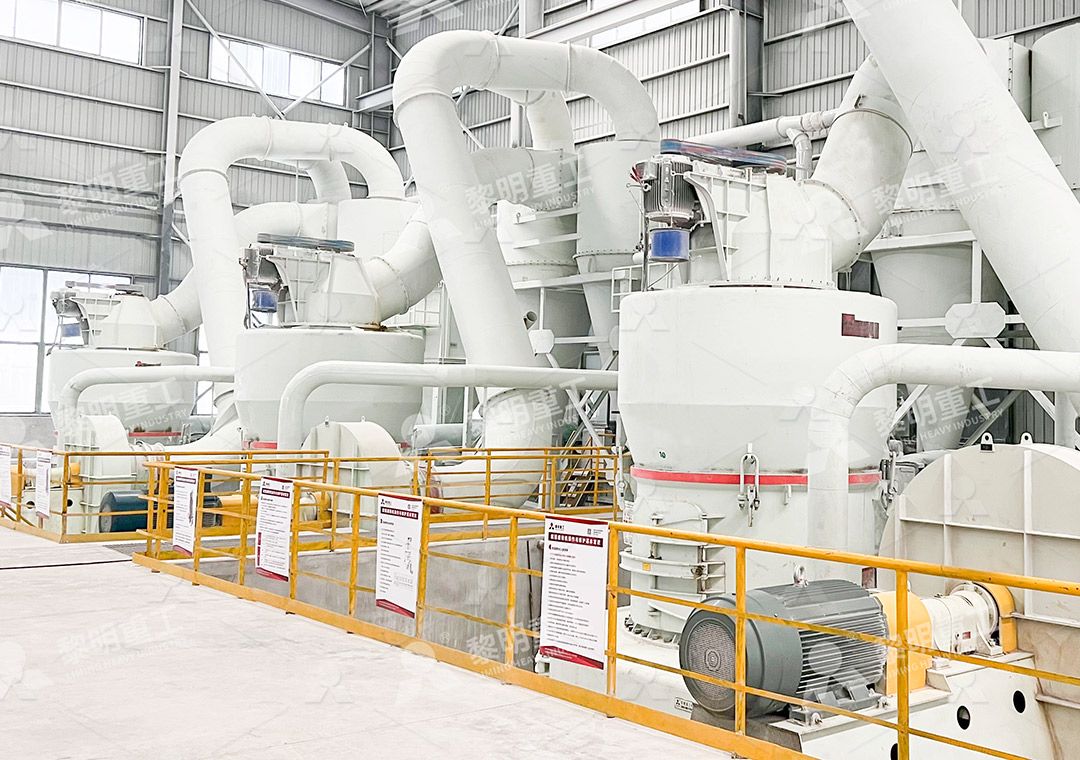
The core working principle of the Raymond Mill is elegantly simple and mechanically sound. Material is fed into the grinding chamber where it is scooped up by a shovel blade and fed between rotating rollers and a stationary grinding ring. The rollers, suspended under centrifugal force, exert pressure to crush and grind the material. The resulting powder is carried by an air stream to an integrated classifier; fine product passes through, while coarse particles are returned for further grinding. This closed-circuit system ensures consistent fineness. The 6R design amplifies this process, distributing the grinding force across six rollers for smoother operation, higher throughput, and better handling of harder materials like quartz, feldspar, and barite.
Modern Challenges: Beyond Basic Grinding
While the traditional 6R Raymond Mill excels at producing powders in the 100-325 mesh range, modern industry pushes boundaries. Requirements now often include ultra-fine powders (above 325 mesh), stringent environmental controls for dust and noise, significantly lower energy consumption per ton, and higher product purity with minimal iron contamination. The classic mechanical design, though robust, can face limitations in meeting these advanced benchmarks, particularly in energy efficiency at higher fineness levels and in integrated environmental protection systems.
The Evolution: Bridging Tradition and Technology
Recognizing these market shifts, leading manufacturers have not abandoned the Raymond principle but have evolved it. The focus has shifted to developing mills that retain operational simplicity while integrating cutting-edge technologies for precision, efficiency, and cleanliness. Key advancements include:
- Advanced Classifier Systems: Replacing traditional static or mechanical classifiers with high-efficiency turbo or cage-type classifiers allows for tighter particle size distribution and easier adjustment of fineness without stopping the mill.
- Enhanced Grinding Curves: Scientific redesign of the roller and ring profile optimizes the grinding bed, improving efficiency and reducing wear.
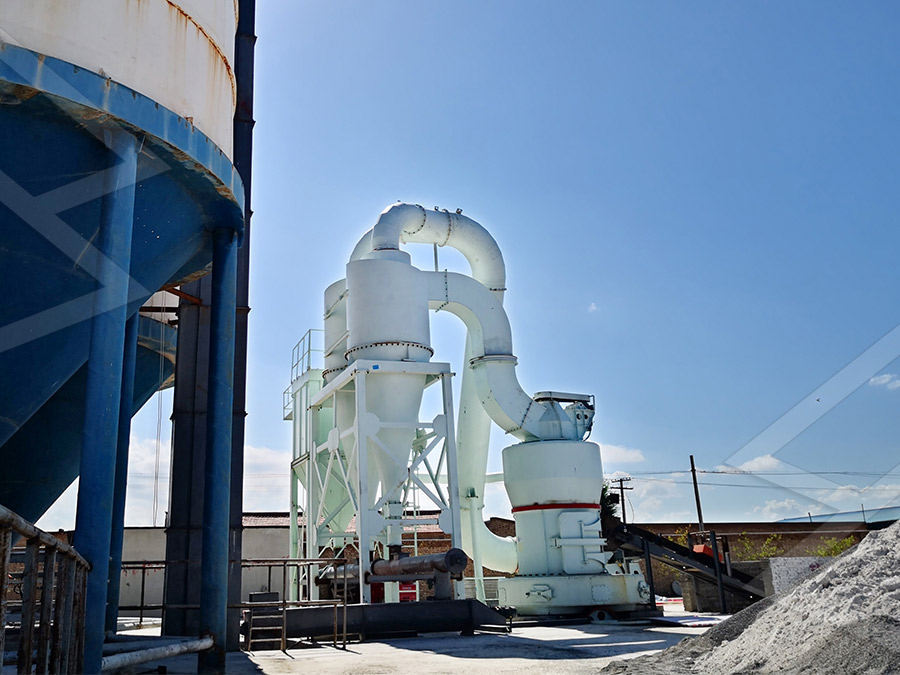
- Integrated Environmental Packages: Modern mills are designed as systems, incorporating high-efficiency pulse jet baghouse dust collectors and silencers from the ground up, ensuring plant cleanliness and compliance.
- Digital Control & Monitoring: PLC-based control systems enable precise adjustment of parameters, remote monitoring, and stable, automated operation.
Choosing the Right Tool: When to Consider Advanced Alternatives
The 6R Raymond Mill remains an excellent choice for dedicated, cost-effective production within its optimal fineness range. However, for projects demanding ultra-fine powder (from 325 to over 2500 mesh), superior energy efficiency, or the highest levels of product whiteness, newer grinding technologies offer compelling advantages. For instance, our MW Ultrafine Grinding Mill is engineered specifically for these high-end applications.
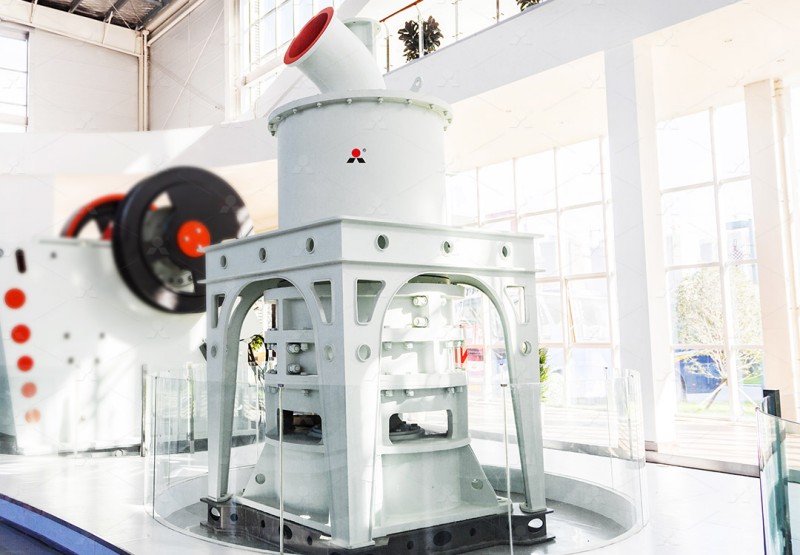
Building upon decades of milling expertise, the MW Series represents a significant leap forward. It is designed for customers requiring to make ultra-fine powder from non-metallic minerals like calcite, marble, and talc. A standout feature is its ability to achieve an adjustable fineness between 325-2500 meshes with high precision, thanks to its advanced German-derived cage-type powder selector. Furthermore, it delivers higher yielding and lower energy consumption—its production capacity can be 40% higher than jet mills under the same power, while system energy consumption is only about 30% of a jet mill’s. Its innovative design, including the absence of rolling bearings and screws in the grinding chamber, drastically reduces maintenance worries and allows for external lubrication without shutdown, supporting continuous 24/7 production. Coupled with its efficient pulse dust collector, it ensures an eco-friendly operation that aligns with stringent national environmental standards.
For operations that prioritize large-scale vertical integration and exceptional stability for slightly coarser grinds, the LUM Ultrafine Vertical Grinding Mill is another premier solution. It combines latest grinding roller technology with German powder separating technology, featuring a unique roller shell design for higher yield and better product quality. Its double position-limiting technology guarantees operational stability, while a reversible structure makes maintenance remarkably easier. This mill is an ideal choice for producing superfine dry powder of non-metal ores with high efficiency and reliability.
Conclusion
The 6R Raymond Mill stands as a testament to enduring engineering. Its role in stone powder processing is secure for standard applications. Yet, the future belongs to intelligent, efficient, and clean technology. By embracing innovations in classifier design, grinding mechanics, and system integration, the next generation of grinding mills, like the MW and LUM series, offer transformative benefits for producers aiming at the upper echelons of powder quality, operational cost savings, and environmental stewardship. The key is to match the machine’s capabilities precisely with your project’s fineness, capacity, and quality goals.
Frequently Asked Questions (FAQ)
- What is the main difference between a traditional 6R Raymond Mill and your MW Ultrafine Grinding Mill?
The core difference lies in final fineness and grinding efficiency. The 6R Raymond Mill is ideal for powders up to 325 mesh. The MW Ultrafine Grinding Mill is designed for ultra-fine processing from 325 to 2500 mesh, utilizes a more advanced classifier system, and operates with significantly higher energy efficiency for fine grinding applications. - Can the MW Mill handle the same materials as a Raymond Mill?
Yes, and more. The MW Mill is suitable for a wide range of non-metallic minerals like limestone, calcite, dolomite, talc, barite, and gypsum—common Raymond Mill materials—but is particularly effective when the required product is much finer. - How does the “no rolling bearing in the chamber” design benefit operation?
This design eliminates the risk of bearing failure and seal damage inside the grinding chamber, which are common maintenance issues in high-wear environments. It allows for external lubrication without shutdown, enabling continuous 24-hour operation and reducing maintenance costs and downtime. - What kind of environmental protection features are integrated?
Our advanced mills like the MW series come equipped with efficient pulse jet dust collectors that capture over 99.9% of process dust, and silencers to reduce noise pollution. The entire system is sealed and operates under negative pressure, ensuring no dust spillage and compliance with environmental standards. - Is the fineness adjustable on these mills, and how is it done?
Yes, fineness is precisely adjustable. In mills like the MW, it is primarily controlled by adjusting the speed of the cage-type powder selector. This allows for quick and accurate changes to the product’s particle size distribution without stopping the mill. - What support do you offer for spare parts and long-term operation?
As a manufacturer covering both production and sales, we take full responsibility for every machine. We provide comprehensive technical services and guarantee the supply of original spare parts to ensure worry-free, long-term operation of your equipment.