
Raymond Mill for Sale: Suppliers, Prices, and Buying Guide
We provide a wide range of mills — including Raymond mill, trapezoidal mill, vertical mill, ultrafine mill, and ball mill, obtained ISO9001 international quality certification, EU CE certification, and Customs Union CU-TR certification. Suitable for processing minerals such as limestone, phosphate, quicklime, kaolin, talc, barite, bentonite, calcium carbonate, dolomite, coal, gypsum, clay, carbon black, slag, cement raw materials, cement clinker, and more.
The discharge range of these mills can be adjusted to meet specific processing needs, typically from 80-400 mesh, 600-3250 mesh, and can achieve the finest particle size of up to 6000 mesh(D50).
If you are looking for a reliable grinding solution to turn stone or minerals into fine powder, please feel free to contact our online customer service.
Navigating the Raymond Mill Market: A Comprehensive Guide for Buyers
The quest for efficient, reliable, and cost-effective grinding equipment often leads industry professionals to consider the Raymond mill. As a foundational technology in powder processing, Raymond mills have evolved significantly, offering solutions for a wide range of materials from limestone and calcite to coal and barite. However, the market is saturated with options, making the selection process critical. This guide aims to demystify the purchasing journey, covering key considerations from supplier evaluation to technical specifications, and highlights advanced alternatives that may better suit modern production demands.
Understanding Your Needs: Capacity, Input, and Application
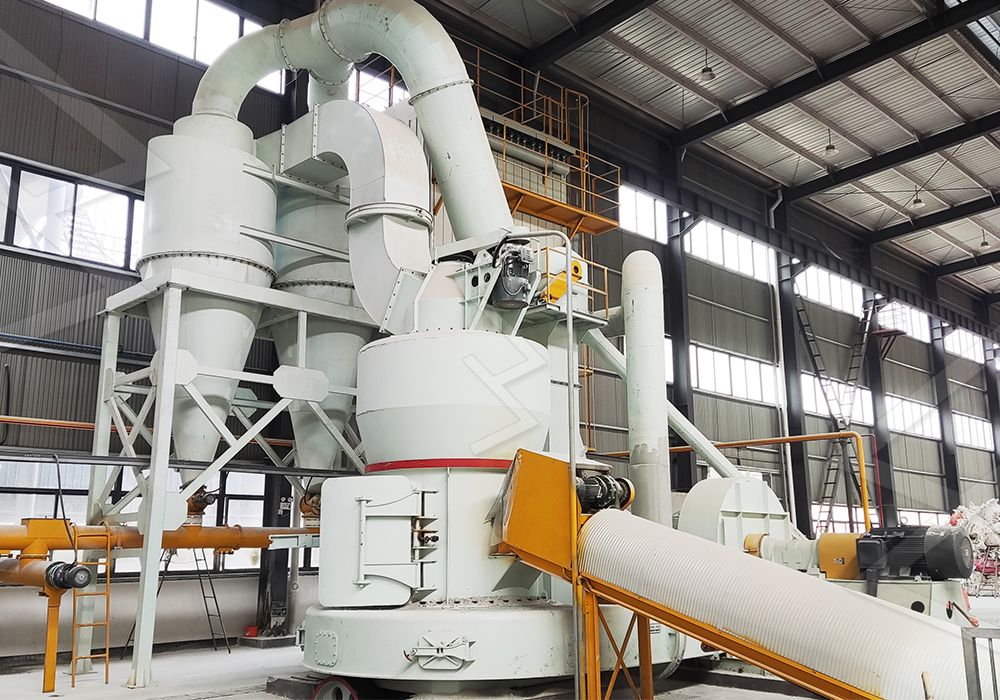
Before contacting suppliers, clearly define your operational requirements. The classic Raymond mill typically handles an input size of <25 mm with a capacity ranging from 0.6 to 5 tph. It’s a solid choice for general applications in desulfurization, metallurgy, and non-metallic ore milling. However, if your project demands higher throughput, finer powder, or specialized processing, newer mill technologies offer substantial advantages. Consider the material’s hardness, desired fineness (mesh size), required hourly output, and available installation space. These parameters will immediately narrow down your search from generic offerings to machines engineered for your specific task.
Evaluating Suppliers: Beyond the Price Tag
While price is a decisive factor, the reputation and support offered by the supplier are invaluable. A reputable manufacturer stands behind their equipment with comprehensive after-sales service, readily available genuine spare parts, and expert technical support. Look for companies with a proven track record, digitalized manufacturing processes for high precision, and a global service network. Transparency in communication, willingness to provide detailed product data, and the availability of case studies or customer references are strong indicators of a reliable partner. Remember, the lowest upfront cost can lead to higher long-term expenses due to downtime, inefficient operation, or poor part availability.
The Technological Evolution: Modern Alternatives to Traditional Mills
The grinding industry has progressed far beyond the first-generation Raymond mill. For operations requiring ultra-fine powder between 325 and 2500 meshes, advanced grinding mills deliver superior efficiency, lower energy consumption, and enhanced environmental controls. Two standout examples from our portfolio demonstrate this evolution perfectly.
For ultra-fine powder production, the MW Ultrafine Grinding Mill is a game-changer. Designed for customers needing to make ultra-fine powder from materials like limestone, calcite, dolomite, and talc, it addresses common pain points with ingenious engineering. Its cage-type powder selector, utilizing German technology, allows precise fineness adjustment. A key feature is the absence of rolling bearings and screws in the grinding chamber, eliminating worries about bearing damage or loose screws causing machine failure. Externally accessible lubrication enables 24/7 continuous operation. With an input size of 0-20 mm and a capacity of 0.5-25 tph, it offers 40% higher capacity than jet mills at only 30% of the energy consumption, all while operating within strict environmental standards thanks to its efficient pulse dust collector.
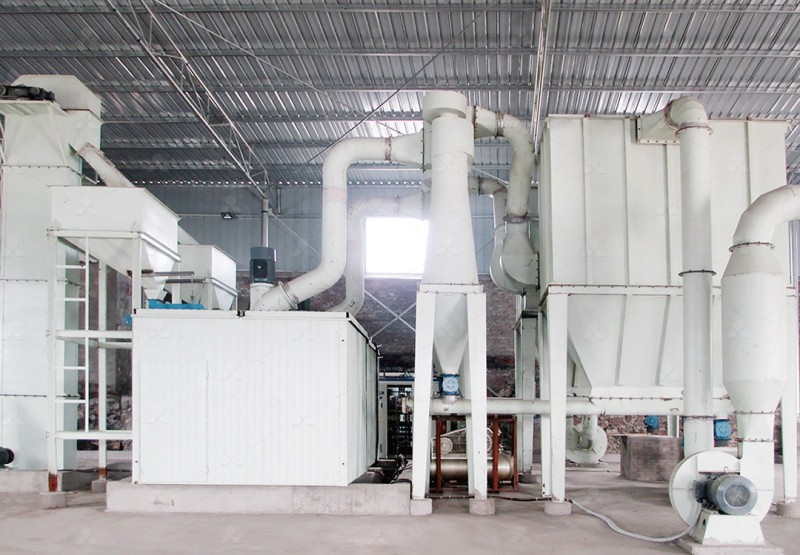
Another sophisticated solution is the LUM Ultrafine Vertical Grinding Mill. Integrating grinding, grading, and transporting, it represents the pinnacle of vertical mill technology. Its unique roller shell and lining plate grinding curve promote easier material layer formation, enabling a high rate of finished product in a single pass, which enhances whiteness and cleanliness. With an input size of 0-10 mm and capacity of 5-18 tph, it incorporates PLC control and multi-head powder separating technology for precise control and 30%-50% energy savings compared to common mills. Its double position-limiting technology ensures stability, while a reversible structure allows the grinding roller to be easily moved out for maintenance, drastically reducing downtime.
Key Buying Considerations: A Checklist
- Total Cost of Ownership: Factor in energy consumption, wear part longevity, and maintenance frequency, not just the purchase price.
- Operational Stability: Look for features that minimize vibration and prevent destructive impacts, ensuring smooth, long-term operation.
- Environmental Compliance: Ensure the mill system includes effective dust collection and noise reduction to meet local regulations.
- Future-Proofing: Can the mill handle potential changes in your material feedstock or required fineness? Flexibility is key.
- Supplier Partnership: Choose a supplier committed to worry-free operation through technical support and original spare parts supply.
Conclusion: Making an Informed Investment
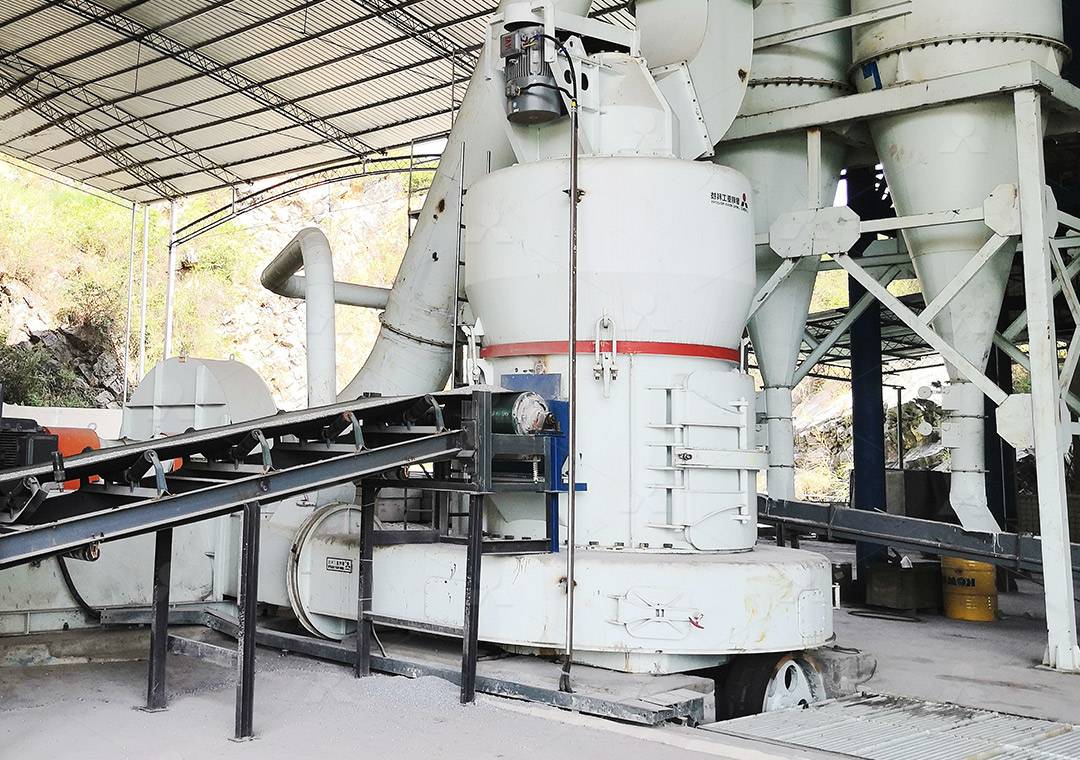
Purchasing a grinding mill is a significant capital investment that impacts your production line’s productivity and profitability for years. While the Raymond mill remains a viable option for certain applications, exploring its technological successors can unlock greater efficiency, quality, and cost savings. By thoroughly understanding your needs, vetting suppliers on service and support, and considering advanced mills like the MW Ultrafine or LUM Vertical Grinding Mill for their superior performance and eco-friendly design, you can make a confident, informed decision that drives your business forward.
Frequently Asked Questions (FAQ)
1. What is the main difference between a traditional Raymond mill and an ultrafine grinding mill like the MW series?
The core difference lies in fineness capability and grinding efficiency. Traditional Raymond mills are excellent for coarse to medium fine grinding. In contrast, the MW Ultrafine Grinding Mill is engineered specifically to produce powders in the 325 to 2500 mesh range with significantly higher energy efficiency (using only 30% of the energy of a jet mill for comparable output) and a unique bearing-free grinding chamber design for enhanced reliability.
2. How important is the dust collection system in a grinding mill?
It is critically important for operational safety, environmental compliance, and product recovery. Modern mills, such as our MW and LUM models, come equipped with efficient pulse dust collectors that ensure the entire milling system operates without dust pollution. This protects worker health, meets stringent environmental standards, and maximizes product yield by capturing valuable powder.
3. Can these mills handle materials other than what’s listed, like ceramics or advanced chemicals?
While the standard applications include limestone, calcite, gypsum, etc., many mills can process a wider range of non-flammable, non-explosive materials with a Mohs hardness below a certain grade. It is essential to consult directly with our technical team. We can analyze your specific material’s properties (moisture, hardness, abrasiveness) and recommend the most suitable mill model, potentially with custom configurations for specialized industries like advanced ceramics or chemicals.
4. What does “worry-free operation” entail from your company?
“Worry-free operation” is our commitment that extends beyond the sale. It means we take full responsibility for every machine we produce. This includes providing comprehensive technical services, ensuring a sufficient supply of original, high-quality spare parts, and offering expert guidance on maintenance and optimization. Our integrated production and sales model allows us to guarantee support for the entire lifecycle of your equipment.
5. Is remote monitoring or automated control available for these grinding mills?
Yes, advanced models feature a high degree of automation. For instance, the LUM Ultrafine Vertical Grinding Mill incorporates a PLC control system, allowing users to accurately control grinding pressure, revolving speed, and other parameters. Many of our systems are designed for easy integration into plant-wide control systems, enabling remote monitoring and control to optimize performance and reduce manual intervention.