
Limestone Grinding Mill Market Research Report: Trends, Analysis, and Forecast
We provide a wide range of mills — including Raymond mill, trapezoidal mill, vertical mill, ultrafine mill, and ball mill, obtained ISO9001 international quality certification, EU CE certification, and Customs Union CU-TR certification. Suitable for processing minerals such as limestone, phosphate, quicklime, kaolin, talc, barite, bentonite, calcium carbonate, dolomite, coal, gypsum, clay, carbon black, slag, cement raw materials, cement clinker, and more.
The discharge range of these mills can be adjusted to meet specific processing needs, typically from 80-400 mesh, 600-3250 mesh, and can achieve the finest particle size of up to 6000 mesh(D50).
If you are looking for a reliable grinding solution to turn stone or minerals into fine powder, please feel free to contact our online customer service.
Limestone Grinding Mill Market Research Report: Trends, Analysis, and Forecast
The global limestone grinding mill market is experiencing a period of significant transformation, driven by evolving industrial demands, stringent environmental regulations, and a relentless pursuit of operational efficiency. Limestone, a cornerstone mineral for construction, agriculture, chemicals, and environmental applications, requires precise and efficient processing to meet diverse specifications. This report analyzes the prevailing trends, provides a detailed market analysis, and offers a forecast for the coming years, with a focus on the technological advancements shaping the industry.
Key Market Trends and Drivers
A primary trend is the accelerating shift towards ultra-fine and high-purity limestone powders. Industries such as plastics, paints, coatings, and high-performance composites demand powders with consistent particle size distribution down to the micron and sub-micron level. This demand pushes the boundaries of traditional grinding technology and favors mills capable of precise classification and minimal contamination.
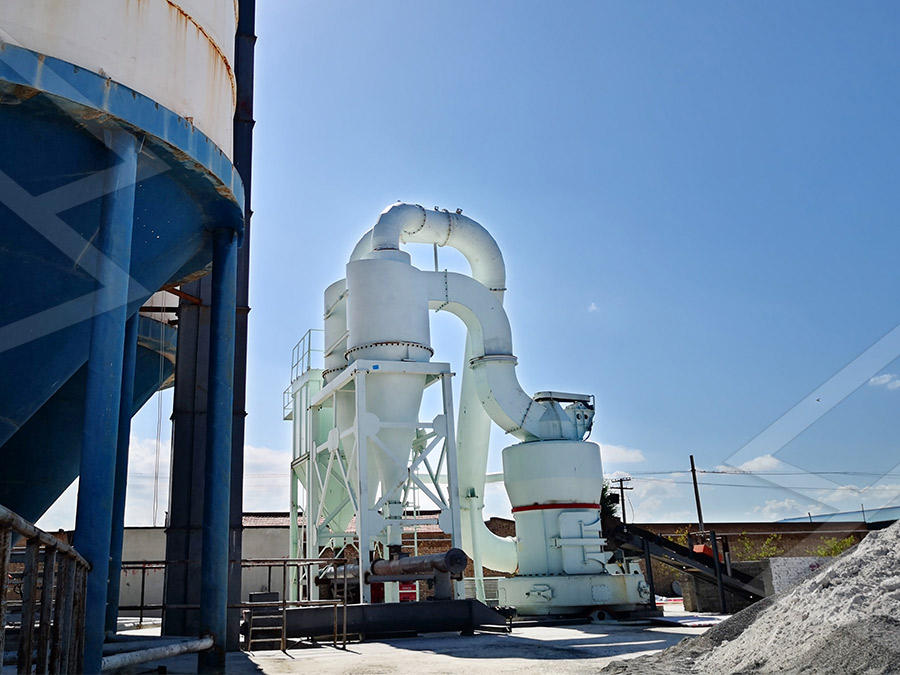
Concurrently, energy consumption and operational cost remain critical decision factors. With energy prices fluctuating, mills that offer higher yield per kilowatt-hour gain a substantial competitive edge. The market is increasingly favoring designs that integrate crushing, drying, grinding, and classifying into single, streamlined systems to reduce footprint and energy loss across multiple handling stages.
Furthermore, environmental compliance is no longer optional. Stricter global standards on dust emissions and noise pollution compel manufacturers to invest in mills with integrated, high-efficiency dust collection and noise suppression systems. The ideal solution operates as a closed, negative-pressure system, ensuring a clean worksite and minimizing environmental impact.
Technological Analysis and Equipment Evolution
The technological landscape has moved decisively beyond traditional ball mills and Raymond mills for high-end applications. While these retain a place for coarse grinding, the frontier is defined by vertical roller mills (VRM) and advanced ultrafine grinding systems. VRMs excel in processing medium to fine powders with exceptional energy efficiency, integrating drying and grinding for moist materials. Their vertical structure offers a smaller footprint, a crucial advantage for space-constrained plants.
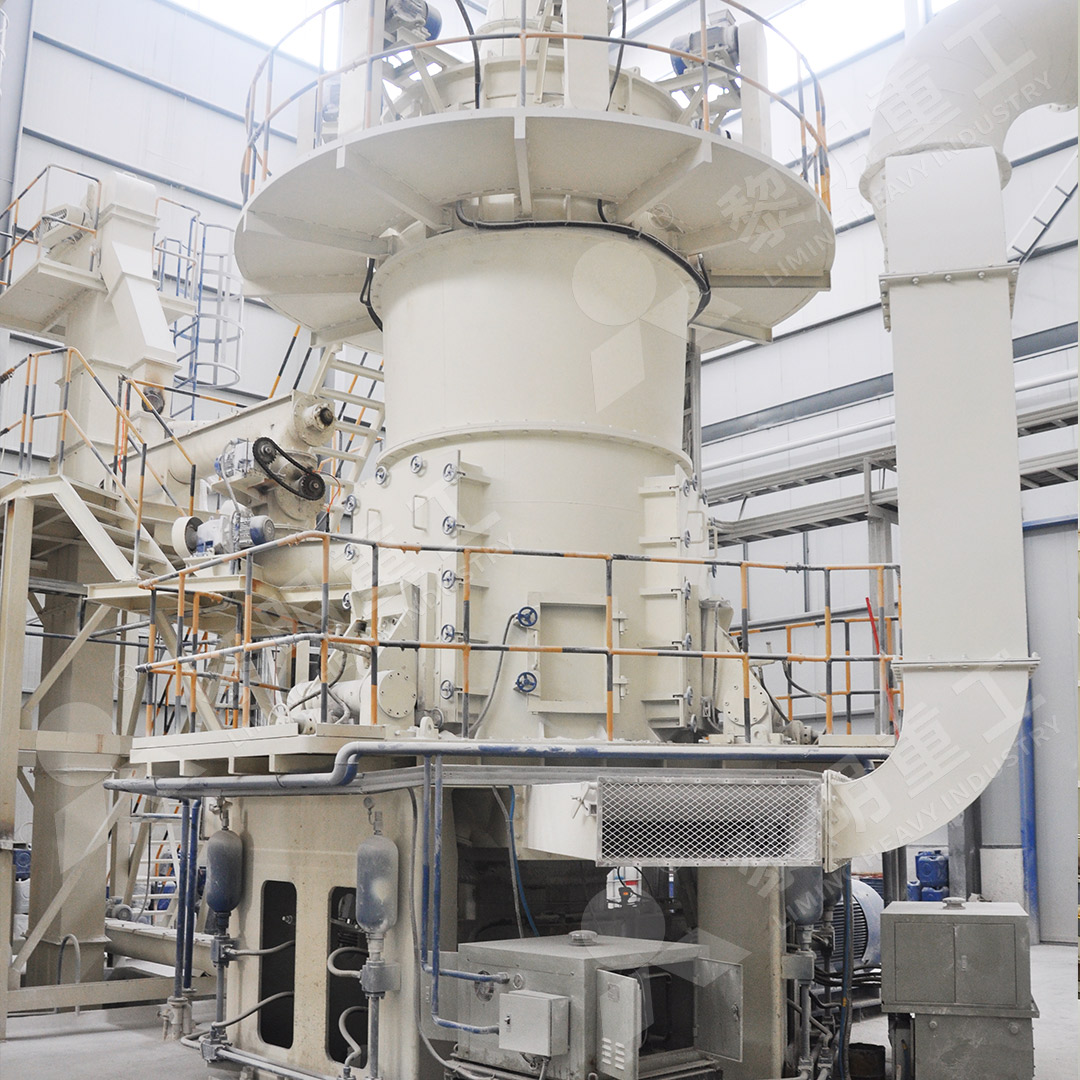
For the most demanding ultrafine applications (325-2500 mesh), specialized mills are required. Here, the focus is on achieving precise particle cut points, minimizing mechanical wear-induced contamination (especially iron), and ensuring stable, continuous operation. Advanced powder separators, often multi-head cage-type designs, are critical for achieving high screening rates and adjustable fineness.
Spotlight on Advanced Solutions: The MW Ultrafine Grinding Mill
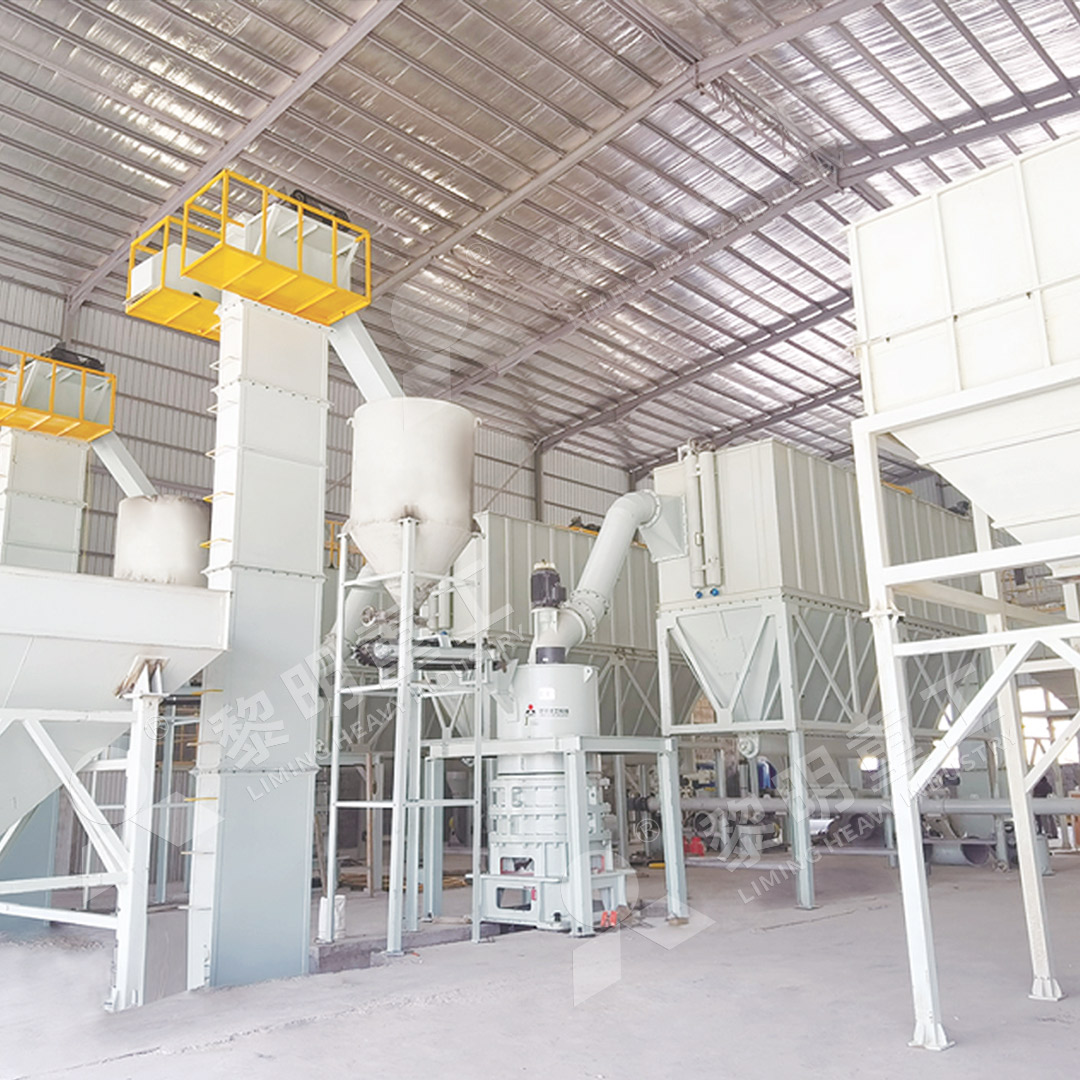
In response to these market demands for high-purity, ultra-fine powder, solutions like the MW Ultrafine Grinding Mill represent a significant technological leap. Designed for customers requiring precise ultra-fine powder between 325-2500 meshes, this mill addresses core industry pain points directly.
Its design philosophy centers on higher yield with lower energy consumption. Through optimized grinding curves, it achieves a production capacity reportedly 40% higher than jet or stirred mills at the same fineness and power. A key innovation is the elimination of rolling bearings and screws within the grinding chamber. This design choice liberates users from concerns about bearing failures or loose screws causing catastrophic damage, while external lubrication allows for maintenance without shutdowns, supporting true 24/7 continuous production.
Environmental and operational stability is engineered into the system. An efficient pulse dust collector ensures the entire milling process is free from dust pollution, while integrated silencers mitigate noise. The mill’s cage-type powder selector, leveraging precise technology, allows for accurate fineness adjustment and achieves a high screening rate of d97≤5μm in a single pass. For operations targeting high-value limestone products for chemicals, cosmetics, or advanced materials, the MW Ultrafine Grinding Mill offers a compelling combination of precision, reliability, and eco-efficiency.
Market Forecast and Strategic Recommendations
The limestone grinding mill market is projected to grow steadily, fueled by infrastructure development in emerging economies and the rising demand for high-quality fillers and additives in manufacturing. The most significant growth segment will be in high-efficiency, environmentally compliant, and automated grinding systems.
We forecast increased adoption of digitally integrated mills with PLC control systems. These systems allow precise control over grinding pressure, rotor speed, and feed rates, enabling optimization for different material batches and ensuring consistent product quality. Furthermore, designs that facilitate easier maintenance, such as those with reversible roller assemblies or external lubrication points, will lower total cost of ownership and increase uptime, making them highly attractive to cost-conscious operators.
In conclusion, success in the evolving limestone grinding market will belong to those who embrace technology that simultaneously elevates product quality, reduces energy and environmental footprints, and enhances operational simplicity. Investing in future-proof, versatile grinding solutions is not merely an equipment upgrade but a strategic move towards sustainable and profitable mineral processing.
Frequently Asked Questions (FAQ)
- What is the primary advantage of a vertical roller mill over a traditional ball mill for limestone grinding?
Vertical roller mills offer significantly higher energy efficiency (saving 30-50% on power), integrate drying for moist feed, have a much smaller footprint, and provide more stable product quality with lower iron contamination due to minimal direct metal-to-metal contact. - How important is the powder separator in an ultrafine grinding mill?
It is critical. The separator determines the final product fineness and particle size distribution. Advanced multi-head cage-type separators provide precise cutting points, high screening efficiency, and the flexibility to quickly adjust fineness to meet different customer specifications. - Can grinding mills handle moist limestone?
Yes, but the suitable mill type is important. Modern vertical roller mills (VRM) and some advanced trapezium mills are designed with integrated hot air ducts that dry the material simultaneously during grinding, making them ideal for processing limestone with moderate moisture content. - What are the key features to look for to ensure environmentally friendly operation?
Look for a fully sealed negative-pressure system, an integrated high-efficiency pulse jet dust collector (ensuring no dust spillage), and built-in noise reduction measures like silencers and soundproofing rooms. Compliance with international environmental standards should be a baseline requirement. - Why is the “no rolling bearing in the grinding chamber” design, as seen in the MW Mill, considered beneficial?
This design eliminates a major potential failure point. Bearings inside the chamber are subjected to extreme dust, vibration, and temperature, leading to frequent failures and costly shutdowns. Removing them enhances reliability, allows for external lubrication, and enables continuous 24/7 operation with dramatically reduced maintenance risk.