
Petroleum Coke Electric Grinding Mill: Efficient Processing Solutions
We provide a wide range of mills — including Raymond mill, trapezoidal mill, vertical mill, ultrafine mill, and ball mill, obtained ISO9001 international quality certification, EU CE certification, and Customs Union CU-TR certification. Suitable for processing minerals such as limestone, phosphate, quicklime, kaolin, talc, barite, bentonite, calcium carbonate, dolomite, coal, gypsum, clay, carbon black, slag, cement raw materials, cement clinker, and more.
The discharge range of these mills can be adjusted to meet specific processing needs, typically from 80-400 mesh, 600-3250 mesh, and can achieve the finest particle size of up to 6000 mesh(D50).
If you are looking for a reliable grinding solution to turn stone or minerals into fine powder, please feel free to contact our online customer service.
Petroleum Coke Electric Grinding Mill: Efficient Processing Solutions
The efficient processing of petroleum coke, a critical byproduct of oil refining, presents unique challenges for modern industry. Its abrasive nature, variable moisture content, and stringent fineness requirements for applications in aluminum anodes, graphite electrodes, and fuel injection demand robust and precise grinding technology. Electric grinding mills have emerged as the cornerstone of effective petcoke processing, offering controlled, energy-efficient, and environmentally sound solutions for transforming this carbonaceous material into high-value powders.
The Grinding Challenge: From Raw Coke to Refined Powder
Raw petroleum coke typically arrives in coarse chunks or pellets. The primary goal of grinding is to reduce this material to a consistent, ultra-fine powder with precise particle size distribution. This process must contend with petcoke’s potential abrasiveness, which can accelerate wear on mill components, and the need for integrated drying when processing higher-moisture grades. Inefficient grinding leads to excessive energy consumption, inconsistent product quality, and high maintenance downtime, directly impacting operational profitability.
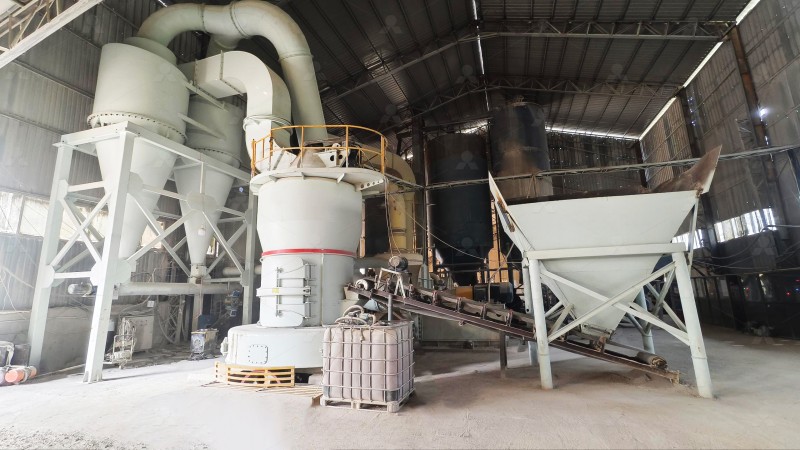
Modern electric mill systems address these issues through integrated design. They combine grinding, classifying, drying (if necessary), and material conveying into a single, automated circuit. The closed-loop system is key: ground material is pneumatically transported to high-efficiency classifiers that separate particles by size. Oversized material is recirculated for further grinding, ensuring a uniform final product, while fine powder is collected by advanced dust removal systems. This approach maximizes yield and minimizes waste.
Engineering Excellence: Key Features for Optimal Performance
When selecting a mill for petroleum coke, several engineering features are non-negotiable. First is wear resistance. Grinding rollers and rings manufactured from specialized alloys significantly extend service life, reducing the frequency and cost of part replacements. Second is precise particle size control. Advanced, multi-head cage-type or rotor-type powder selectors allow operators to dial in fineness from coarse (e.g., 325 mesh) to extremely fine (2500 mesh or beyond) with high screening accuracy, often achieving d97 ≤5μm.
Third, and crucially, is energy efficiency. Innovative mill designs focus on higher yield per unit of power consumed. This is achieved through optimized grinding curves, large-diameter grinding rollers that increase contact area, and low-resistance aerodynamic profiles within the mill housing. Furthermore, environmental compliance is built-in. Modern mills operate under negative pressure and are equipped with high-efficiency pulse-jet baghouse dust collectors and sound-dampening enclosures, ensuring a clean, quiet, and safe working environment that meets stringent international standards.
Recommended Solution: The MW Ultrafine Grinding Mill
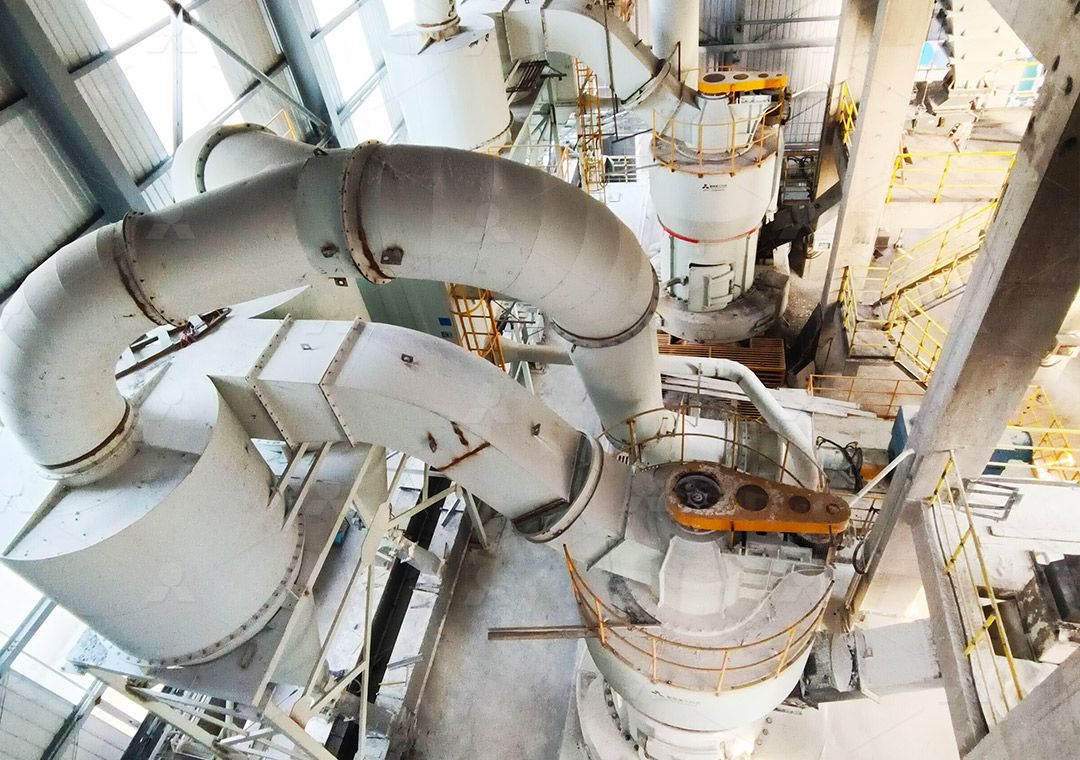
For operations prioritizing ultra-fine powder production with exceptional efficiency, the MW Ultrafine Grinding Mill stands out as a premier choice. Specifically engineered for materials like petroleum coke, it combines high capacity with remarkably low energy consumption. Its newly designed grinding roller and ring curves enhance grinding efficiency, yielding production rates up to 40% higher than jet or stirred mills for the same power input. With an adjustable fineness range of 325-2500 meshes, it offers unparalleled flexibility for various petcoke specifications.
A key reliability feature is the absence of rolling bearings and screws within the grinding chamber, eliminating common failure points and concerns about loose components. The external lubrication system allows for maintenance without shutdowns, supporting continuous 24/7 operation. Coupled with its efficient pulse dust collector and muffler, the MW Series delivers a powerful, eco-friendly, and worry-free grinding solution for high-value petcoke processing.
Vertical Grinding Efficiency: The LUM Ultrafine Vertical Mill
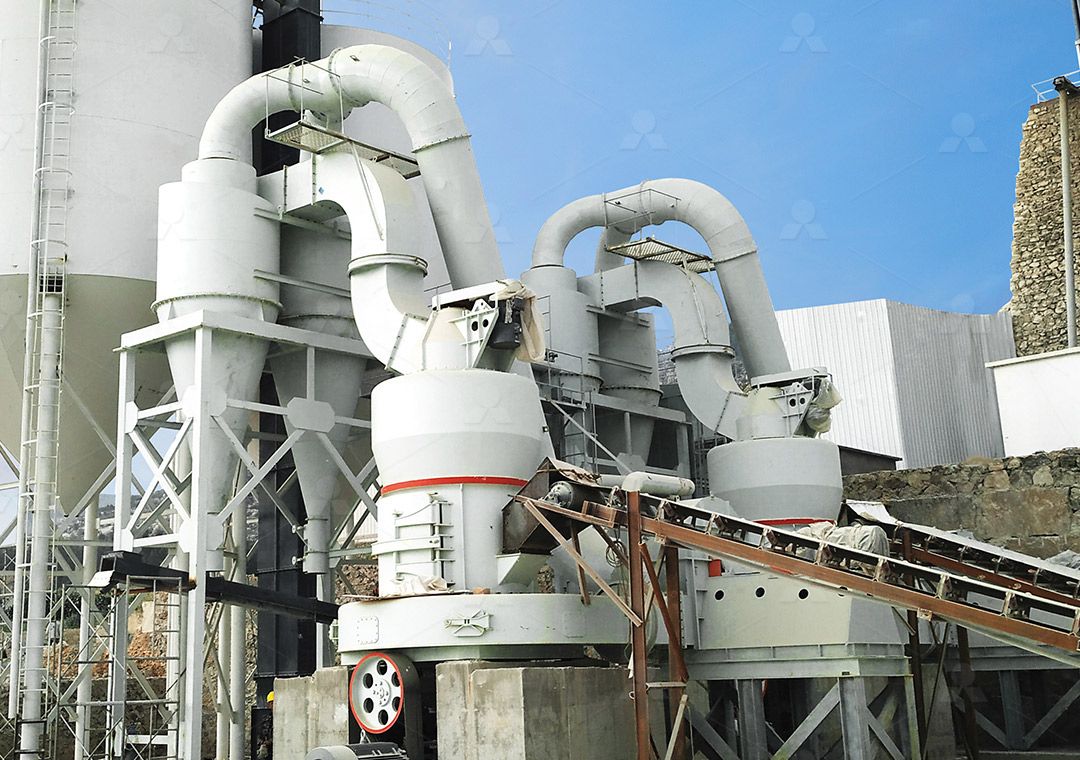
For projects demanding even greater integration and operational simplicity, vertical roller mills offer a compelling alternative. The LUM Ultrafine Vertical Grinding Mill is a technologically advanced example. It integrates grinding, powder selection, and conveying in a vertical footprint, significantly saving floor space. Its unique roller shell and lining plate grinding curve promote stable material bed formation, enabling high rates of finished product in a single pass, which enhances both efficiency and product whiteness.
The LUM mill incorporates PLC control and multi-head powder separating technology, allowing precise control over grinding parameters and quick adjustment for different product demands, typically reducing energy consumption by 30%-50% compared to conventional mills. Its double position-limiting technology protects against mechanical shock, and a reversible roller structure simplifies maintenance, allowing grinding rollers to be easily swung out for inspection or liner replacement, minimizing downtime.
Conclusion: Investing in the Right Technology
The transformation of petroleum coke from a refinery byproduct to a precise industrial powder is a process defined by technical precision. Selecting the appropriate electric grinding mill is not merely an equipment purchase but a strategic investment in productivity, product quality, and long-term operational stability. By focusing on mills that offer proven wear resistance, precise classification, energy efficiency, and environmental controls, processors can secure a reliable and profitable foundation for their petcoke operations. Partnering with a manufacturer that provides comprehensive technical support and genuine spare parts further ensures this critical link in the supply chain remains robust and efficient for years to come.
Frequently Asked Questions (FAQ)
1. What is the typical input size and capacity for grinding petroleum coke?
This depends on the mill model. For fine and ultra-fine grinding, mills like the MW Series typically handle input sizes of 0-20mm with capacities ranging from 0.5 to 25 tons per hour. Larger vertical mills like the LM series can accept feed up to 70mm with significantly higher throughput. The optimal choice depends on your required final fineness and production volume.
2. How is dust controlled during the petcoke grinding process?
Modern grinding mills are designed as closed, negative-pressure systems. The most effective solution is the integration of a high-efficiency pulse-jet baghouse dust collector. This system captures over 99.9% of airborne particles, ensuring no dust escapes into the workshop. The collected fine powder is then automatically conveyed to the product silo, making the entire process clean and environmentally compliant.
3. Can the mill handle petroleum coke with high moisture content?
Yes, many modern electric grinding mills, particularly vertical roller mills (VRMs) like the LUM or LM series, integrate drying functionality. Hot air (from a gas heater or waste heat source) is introduced into the grinding chamber. As the material is ground, it is simultaneously dried by the hot gas stream before being classified. This eliminates the need for a separate, energy-intensive drying step.
4. What determines the final fineness of the ground petcoke powder?
The final fineness is primarily controlled by the integrated powder separator or classifier (e.g., cage-type or rotor-type). By adjusting the speed of this classifier, the cut-point for particle size is changed. Higher speeds allow only finer particles to pass, while lower speeds permit coarser material. Advanced PLC systems allow precise, digital control of this parameter to achieve consistent target fineness between 325 and 2500 meshes or more.
5. How is wear on grinding components managed, and what is the maintenance schedule?
Wear is managed through the use of high-chromium or other wear-resistant alloys for grinding rollers and tables/rings. Maintenance is largely predictive and condition-based. Key features like external lubrication systems (e.g., the dilute oil lubrication on some models) allow continuous operation. Many designs, such as the reversible roller system in the LUM mill, enable easy access to wear parts for measurement and replacement during planned shutdowns, minimizing unplanned downtime.
6. What are the primary advantages of an electric grinding mill over other methods for petcoke?
Electric mills offer superior control, energy efficiency, and environmental performance. They provide precise control over grinding force, speed, and fineness, leading to a consistent, high-quality product. Their direct drive systems and optimized mechanics often consume 30-50% less energy than traditional ball mills. Furthermore, their enclosed design with integrated dust collection virtually eliminates particulate emissions and significantly reduces noise pollution.