
Stone Powder Grinding Mill: A Complete Guide to Mineral Processing Equipment
We provide a wide range of mills — including Raymond mill, trapezoidal mill, vertical mill, ultrafine mill, and ball mill, obtained ISO9001 international quality certification, EU CE certification, and Customs Union CU-TR certification. Suitable for processing minerals such as limestone, phosphate, quicklime, kaolin, talc, barite, bentonite, calcium carbonate, dolomite, coal, gypsum, clay, carbon black, slag, cement raw materials, cement clinker, and more.
The discharge range of these mills can be adjusted to meet specific processing needs, typically from 80-400 mesh, 600-3250 mesh, and can achieve the finest particle size of up to 6000 mesh(D50).
If you are looking for a reliable grinding solution to turn stone or minerals into fine powder, please feel free to contact our online customer service.
Stone Powder Grinding Mill: A Complete Guide to Mineral Processing Equipment
The transformation of raw minerals into fine powders is a cornerstone of modern industry. From construction materials to advanced ceramics, pharmaceuticals to agricultural products, the quality and efficiency of the grinding process directly impact final product performance and operational economics. Selecting the right grinding equipment is not merely a purchase; it’s a strategic decision that influences productivity, energy consumption, and environmental compliance for years to come.
This guide delves into the core principles of mineral size reduction and explores the diverse technologies available, providing a framework for making an informed choice tailored to your specific material and production goals.
The Science of Size Reduction: More Than Just Crushing
Grinding, or comminution, is the process of reducing solid materials to smaller particles through mechanical forces—impact, compression, attrition, and shear. The objective extends beyond mere particle size reduction. Modern grinding aims to achieve a specific particle size distribution (PSD), control particle shape, minimize contamination, and manage heat generation, all while optimizing energy use. The choice of mill depends heavily on the material’s hardness, abrasiveness, moisture content, and desired fineness, often measured in meshes or micrometers (µm).
Navigating the Landscape of Grinding Technologies
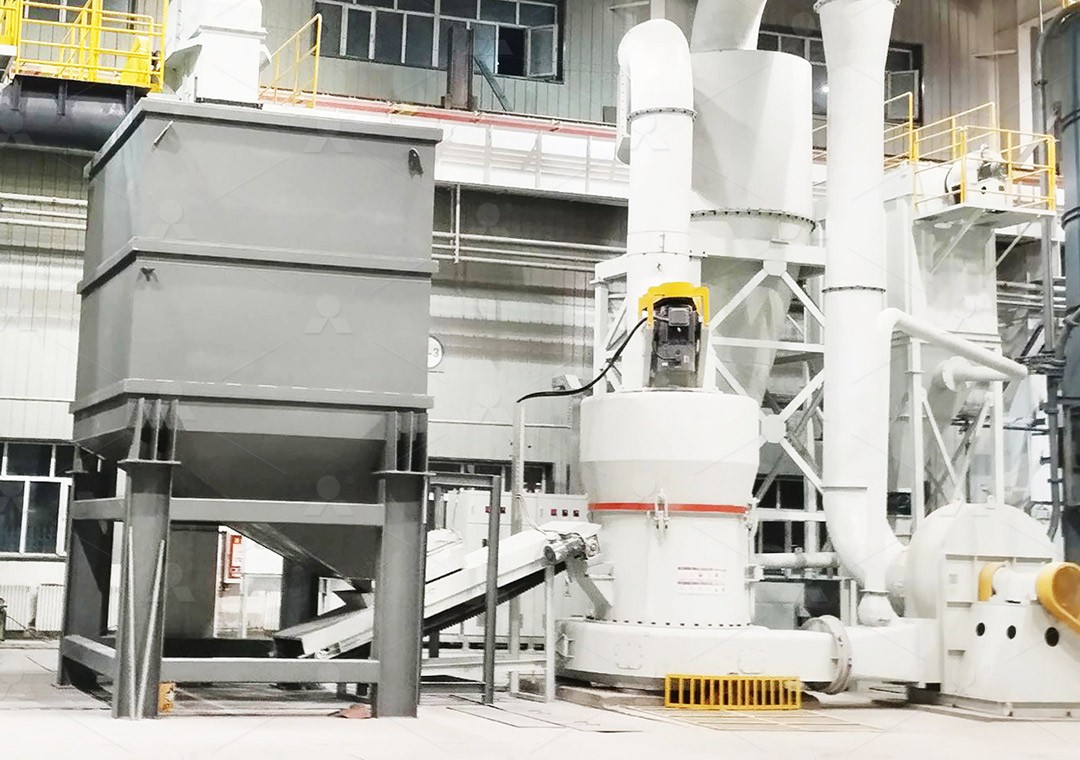
The market offers a spectrum of grinding solutions, each with distinct mechanisms and optimal applications. Traditional ball mills, utilizing tumbling steel balls, are robust but often less energy-efficient for fine grinding. Raymond mills (or pendulum roller mills) have been industry staples for medium-fine powders. However, the drive for higher efficiency, ultra-fine outputs (below 10µm), and integrated processing has led to significant advancements.
Modern vertical roller mills and advanced trapezium mills represent a leap forward. They integrate drying, grinding, classification, and conveying into single, compact systems. By utilizing large-diameter grinding rollers that press against a rotating table or ring under hydraulic pressure, they achieve size reduction with far greater energy efficiency and lower wear rates compared to impact-based systems.
Key Considerations for Equipment Selection
When evaluating grinding mills, several critical factors must be weighed:
- Target Fineness & Capacity: Define your required product size (e.g., 325 mesh for fillers vs. 2500 mesh for high-end coatings) and hourly throughput.
- Material Characteristics: Hardness (Mohs scale), moisture, abrasiveness, and chemical composition dictate mill construction and liner material.
- System Integration: Does the mill offer integrated drying, precise air classification, and automated control?
- Operational Costs: Evaluate energy consumption per ton, wear part longevity, and maintenance accessibility.
- Environmental Footprint: Look for sealed systems with efficient pulse-jet dust collectors and noise reduction features to meet stringent regulations.
Spotlight on Advanced Solutions: The MW Series Ultrafine Grinding Mill
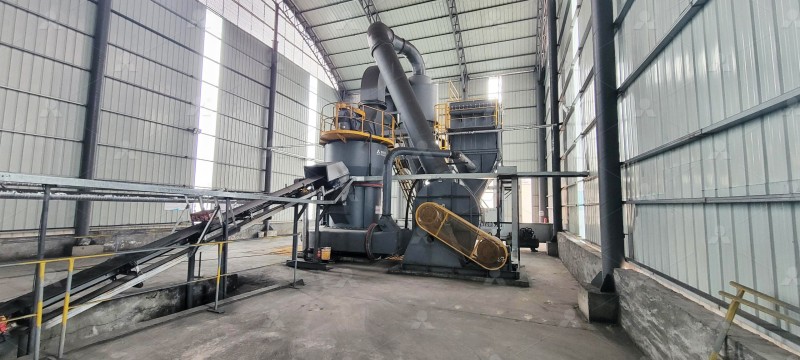
For operations demanding ultra-fine powders with exceptional consistency, specialized equipment is paramount. A standout in this category is the MW Ultrafine Grinding Mill. Engineered for customers requiring precise powders between 325 and 2500 meshes, this mill represents a synthesis of high yield and operational reliability.
Its design addresses common pain points in fine grinding. The newly optimized grinding curves of the roller and ring enhance efficiency, reportedly offering a 40% higher capacity than jet or stirred mills at the same power. A key innovation is the absence of rolling bearings and screws within the grinding chamber, eliminating frequent failure points and allowing for external lubrication without shutdown. This enables continuous 24/7 operation, which is crucial for large-scale production.
Furthermore, the MW mill incorporates a German-technology, multi-head cage-type powder selector. This allows precise adjustment of fineness and high screening efficiency, achieving d97≤5μm in a single pass. Coupled with a high-efficiency pulse dust collector and muffler, the entire system operates cleanly and quietly, ensuring full compliance with environmental standards. With an input size of 0-20 mm and a capacity range of 0.5-25 tph, it is a versatile solution for processing limestone, calcite, dolomite, talc, and other non-metallic minerals.
The Vertical Advantage: LUM Ultrafine Vertical Grinding Mill
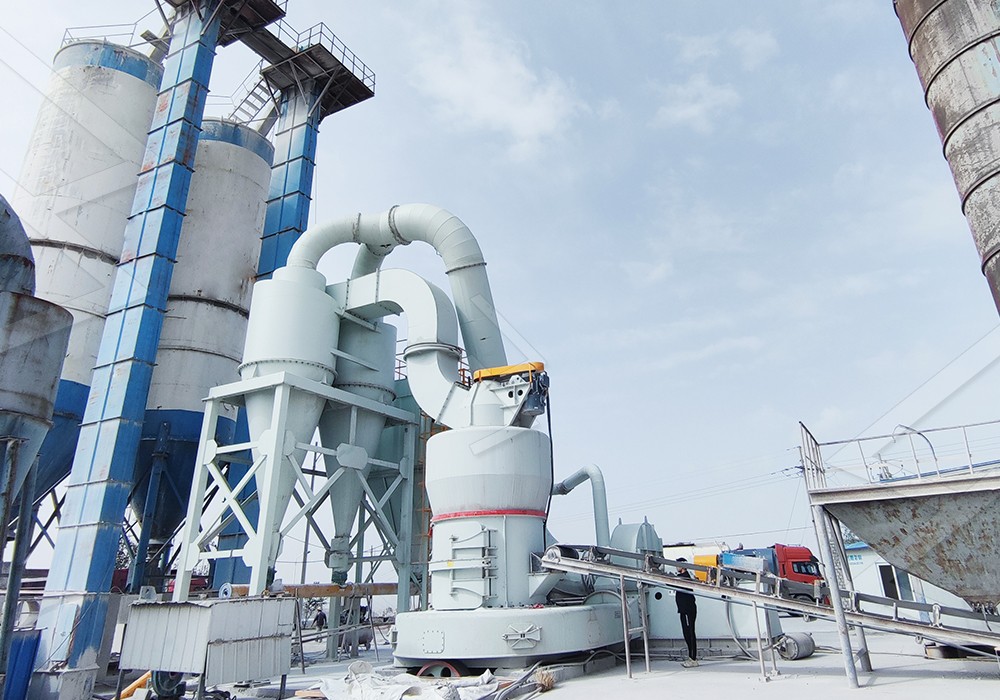
When space, energy efficiency, and product purity are top priorities, vertical roller mills offer a compelling package. The LUM Ultrafine Vertical Grinding Mill exemplifies this design philosophy. Integrating ultrafine grinding, grading, and transporting, it features a unique roller shell and lining plate grinding curve that promotes stable material bed formation, enabling high rates of finished product in a single pass.
This design minimizes material lingering time, reducing repeated grinding and lowering the iron content in the final powder—a critical factor for applications demanding high whiteness and purity. Its PLC-controlled multi-head powder separating technology allows for accurate cut-point control and fast switching between product specifications, while reducing energy consumption by 30%-50% compared to conventional mills. For maintenance, its reversible structure and hydraulic system allow grinding rollers to be easily swung out of the body, drastically reducing downtime for inspection and part replacement.
Conclusion: Partnering for Performance
Investing in grinding technology is a long-term commitment. Beyond the machine itself, successful implementation hinges on engineering support, a reliable supply of genuine spare parts, and deep operational expertise. Leading manufacturers understand this and back their equipment with comprehensive service, from plant design to technical support, ensuring worry-free operation over the entire lifecycle of the equipment.
By carefully aligning your material properties and production targets with the right grinding technology—be it the ultra-fine precision of the MW series or the integrated efficiency of the LUM vertical mill—you can unlock significant gains in productivity, product quality, and sustainability.
Frequently Asked Questions (FAQ)
- What is the main difference between a Raymond mill and an ultrafine vertical mill like the LUM?
Raymond mills typically produce powders in the range of 80-325 mesh using a spring-loaded roller system. Ultrafine vertical mills like the LUM use hydraulic-pressure rollers and advanced classifiers to achieve much finer powders (up to 2500 mesh) with higher energy efficiency, better product purity, and more integrated system control. - How do I determine the right fineness (mesh size) needed for my application?
Required fineness depends on the end-use. For example, fillers in plastics may need 400-600 mesh, while high-performance coatings or pharmaceuticals may require 1250+ mesh. It’s best to consult your product specifications or conduct small-scale trials with a mill supplier to determine the optimal PSD for your process. - Can these mills handle moist materials?
Many modern mills, including vertical roller mills, integrate hot air intake systems that allow simultaneous drying and grinding. The acceptable moisture content varies by model; for instance, the LM Vertical Mill is specifically designed to handle materials with significant moisture, while others may require pre-drying for very wet feed. - What are the primary maintenance concerns for a grinding mill?
Key maintenance focuses on wear parts like grinding rollers and rings, classifier blades, and lubrication systems. Designs like the MW mill (no internal bearings) or the LUM mill (reversible roller assembly) are engineered to simplify maintenance, extend service intervals, and reduce downtime significantly. - How important is the dust collection system?
It is critical. An efficient pulse-jet dust collector (standard on mills like the MW) ensures a clean working environment, recovers valuable product, maintains system negative pressure for stable operation, and is essential for meeting health, safety, and environmental regulations. - What is meant by “digitalized processing” in your mill features?
This refers to the use of Computer Numerical Control (CNC) machine tools in manufacturing key components. This ensures extremely high precision in parts like gearboxes, shafts, and housing, leading to better assembly, smoother operation, less vibration, and longer overall equipment life.