
Quartz Sand Dressing Equipment: Grinding Mill Solutions in Jingmen
We provide a wide range of mills — including Raymond mill, trapezoidal mill, vertical mill, ultrafine mill, and ball mill, obtained ISO9001 international quality certification, EU CE certification, and Customs Union CU-TR certification. Suitable for processing minerals such as limestone, phosphate, quicklime, kaolin, talc, barite, bentonite, calcium carbonate, dolomite, coal, gypsum, clay, carbon black, slag, cement raw materials, cement clinker, and more.
The discharge range of these mills can be adjusted to meet specific processing needs, typically from 80-400 mesh, 600-3250 mesh, and can achieve the finest particle size of up to 6000 mesh(D50).
If you are looking for a reliable grinding solution to turn stone or minerals into fine powder, please feel free to contact our online customer service.
Quartz Sand Dressing Equipment: Grinding Mill Solutions in Jingmen
The city of Jingmen, a significant hub in China’s mineral processing landscape, presents unique challenges and opportunities for quartz sand production. The demand for high-purity, uniformly sized quartz powder spans industries from glass and ceramics to electronics and construction. Selecting the right grinding equipment is paramount to achieving optimal yield, product quality, and operational efficiency while adhering to stringent environmental standards. This article explores the critical considerations for quartz sand processing and highlights advanced milling solutions tailored for operations in the Jingmen region.
The Quartz Challenge: From Raw Ore to Refined Powder
Quartz sand dressing is a multi-stage process involving crushing, washing, magnetic separation, and, most critically, fine grinding. The goal is to reduce the silica material to a specific, consistent fineness—often in the range of 325 to 2500 meshes—without introducing excessive contaminants or iron from mechanical wear. Traditional ball mills, while robust, often fall short in energy efficiency, produce a broad particle size distribution, and can lead to higher iron content, compromising the product’s whiteness and market value.
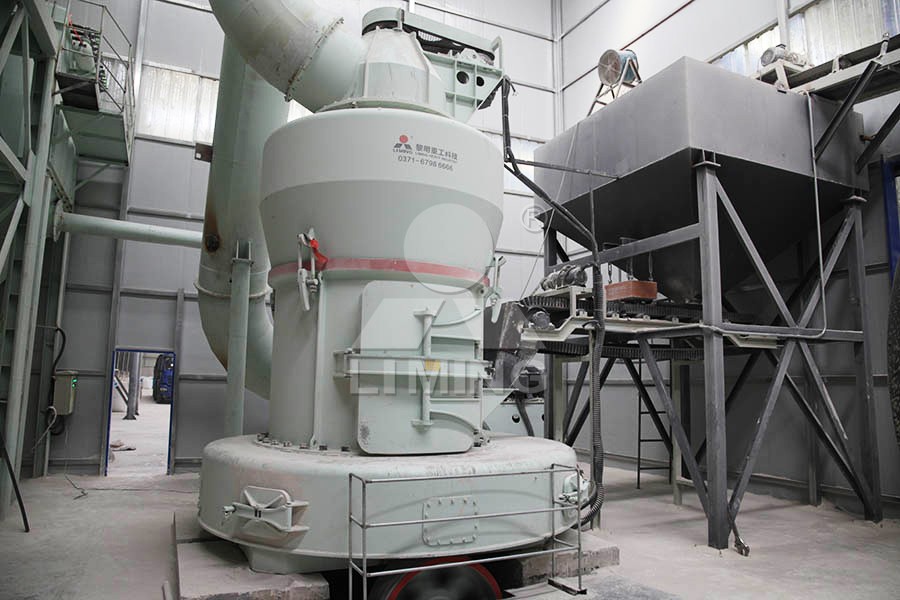
Modern operations require mills that offer precise particle size control, lower energy consumption per ton, and minimal environmental impact through integrated dust collection and noise reduction. The geology around Jingmen often yields quartz with specific hardness and moisture characteristics, necessitating equipment that can be finely tuned to local material properties.
Advanced Milling Technology: The Path to Superior Yield and Purity
The evolution of grinding technology has moved towards vertical roller mills and enhanced trapezium mills, which integrate drying, grinding, classifying, and conveying into a single, compact system. These designs offer a dramatic reduction in footprint—a crucial advantage for expanding facilities—and can slash energy consumption by 30% to 50% compared to traditional ball mills.
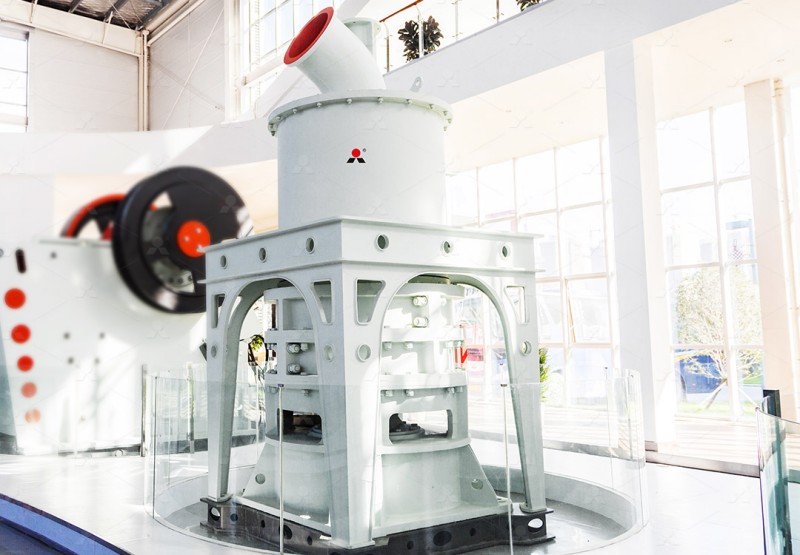
A standout solution for ultra-fine quartz powder production is the MW Ultrafine Grinding Mill. Engineered for customers requiring precise ultra-fine powder, this machine is particularly well-suited for the final polishing stages of high-purity quartz sand. It accepts a feed size of 0-20 mm and offers a capacity range of 0.5-25 tph. Its defining feature is an advanced cage-type powder selector based on German technology, allowing operators to adjust fineness seamlessly between 325 and 2500 meshes with a high screening rate of d97≤5μm in a single pass. Furthermore, its innovative design excludes rolling bearings and screws from the grinding chamber, eliminating common failure points and enabling worry-free, continuous 24-hour operation. Coupled with an efficient pulse dust collector and muffler, the MW Mill ensures production meets the highest national environmental protection standards, a critical factor for sustainable operations in Jingmen.
Integrating Eco-Efficiency into Production
Beyond pure performance, contemporary grinding solutions must address the full spectrum of operational costs and environmental responsibilities. This includes not only energy use but also maintenance downtime, spare parts availability, and emissions control. Equipment designed with digitalized processing for higher precision in core parts ensures longevity and consistent output. For operations targeting high-volume production of slightly coarser quartz sands or those integrating slag or coal powder processing, the LM Vertical Grinding Mill series presents a formidable option. With capacities ranging from 3 to 340 tph and the ability to handle input sizes up to 70 mm, the LM mill integrates crushing, drying, grinding, and classifying. Its vertical structure reduces the occupied area by approximately 50% compared to a ball mill system, and its sealed, negative-pressure operation guarantees a dust-free workshop.
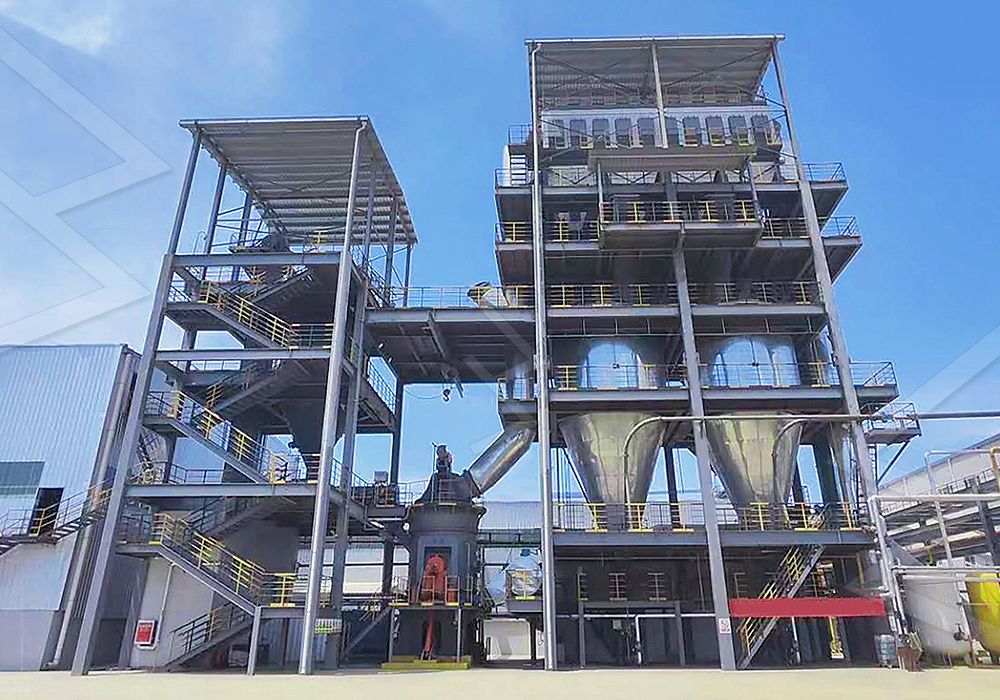
The choice between an ultra-fine mill like the MW series and a high-capacity vertical mill like the LM series ultimately depends on the specific product portfolio, target fineness, and scale of the Jingmen-based operation. Partnering with a manufacturer that provides comprehensive technical support and genuine spare parts is essential for maximizing uptime and return on investment.
Conclusion: Strategic Investment for Future Growth
The quartz sand industry in Jingmen is poised for growth, driven by technological advancement and quality demands. Investing in the right grinding equipment is not merely a capital expense but a strategic decision that defines product quality, operational cost structure, and environmental compliance. Solutions like the MW Ultrafine Grinding Mill and LM Vertical Grinding Mill represent the next generation of processing technology, offering the precision, efficiency, and cleanliness required to compete in a global market. By adopting these advanced milling systems, producers in Jingmen can ensure their operations are productive, profitable, and sustainable for the long term.
Frequently Asked Questions (FAQ)
- What is the primary advantage of using an MW Ultrafine Grinding Mill for quartz sand over a traditional ball mill?
The MW Mill provides significantly higher energy efficiency (using only about 30% of the energy of a jet mill), superior particle size control (adjustable between 325-2500 meshes), and generates less iron contamination due to its unique grinding chamber design without rolling bearings. This results in a whiter, higher-purity final product. - Can the MW Ultrafine Grinding Mill handle moist quartz sand feed?
The standard MW Mill is designed for grinding dry materials. For quartz sand with significant moisture, a pre-drying stage is recommended. However, other solutions in our portfolio, like the LM Vertical Grinding Mill, integrate drying and grinding processes and are better suited for materials with higher moisture content. - How does the environmental performance of these modern mills compare to older equipment?
Modern mills like the MW and LM series are engineered with environmental protection as a core principle. They feature integrated high-efficiency pulse dust collectors that eliminate dust pollution and are equipped with silencers and noise reduction technology to keep operations within strict national and international noise and emission standards. - What is the typical maintenance schedule for the MW Mill, given it has no rolling bearings in the grinding chamber?
The absence of rolling bearings and screws in the grinding chamber drastically reduces maintenance needs. Primary maintenance involves external lubrication of the main shaft (which can be done without shutdown) and routine inspection of wear parts like the grinding roller and ring. This design promotes continuous, 24-hour operation with minimal planned downtime. - For a new quartz processing plant in Jingmen with a target output of 15 tph of 800-mesh powder, which mill would you recommend?
For this specific requirement, the MW Ultrafine Grinding Mill would be the ideal choice. Its capacity range (0.5-25 tph) comfortably covers 15 tph, and its precision powder selector is specifically designed to efficiently and consistently achieve fineness levels like 800 mesh and beyond, ensuring high yield and product quality. - Are spare parts readily available for these grinding mills in the Jingmen region?
Yes. As a manufacturer responsible for both production and sales, we maintain a sufficient supply of original spare parts and provide dedicated technical service support. This ensures worry-free operation and minimizes downtime for our clients in Jingmen and across the globe.