
Price of Raymond Mill Equipment from Hebei Manufacturers: A Comprehensive Market and Technology Analysis
We provide a wide range of mills — including Raymond mill, trapezoidal mill, vertical mill, ultrafine mill, and ball mill, obtained ISO9001 international quality certification, EU CE certification, and Customs Union CU-TR certification. Suitable for processing minerals such as limestone, phosphate, quicklime, kaolin, talc, barite, bentonite, calcium carbonate, dolomite, coal, gypsum, clay, carbon black, slag, cement raw materials, cement clinker, and more.
The discharge range of these mills can be adjusted to meet specific processing needs, typically from 80-400 mesh, 600-3250 mesh, and can achieve the finest particle size of up to 6000 mesh(D50).
If you are looking for a reliable grinding solution to turn stone or minerals into fine powder, please feel free to contact our online customer service.
Navigating the Raymond Mill Market: Beyond the Price Tag
For procurement managers and plant operators sourcing grinding equipment, the question of price for Raymond Mill equipment from Hebei manufacturers is often the starting point. However, a truly informed investment decision requires a deeper dive into the technological evolution, total cost of ownership, and the specific performance metrics that justify the price. The traditional Raymond Mill, a stalwart in powder processing for decades, represents an entry point. Yet, the modern market, particularly from innovative Hebei-based engineering firms, offers advanced solutions that deliver superior value, often making the initial price a secondary consideration to long-term operational efficiency.
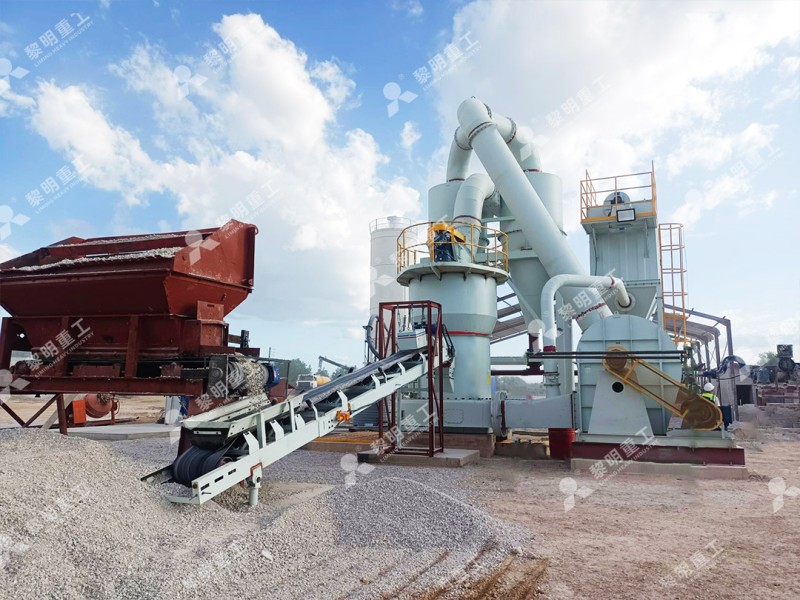
The Evolution from Traditional Raymond Mills to Advanced Grinding Systems
The classic Raymond Mill design is prized for its simplicity, compact footprint, and relatively low capital expenditure. Hebei manufacturers have perfected its production, offering reliable machines for coarse to medium-fine grinding applications up to 5 tph. However, the limitations in fineness range, energy consumption, and noise/dust control have driven significant innovation. Today’s leading manufacturers don’t just sell a mill; they provide a complete grinding system engineered for higher yield, lower operational costs, and strict environmental compliance. The price you pay now reflects this integrated system approach—encompassing advanced classifiers, efficient dust collectors, and intelligent control systems that traditional models lack.
Key Factors Influencing Equipment Pricing
Understanding the price structure is crucial. It is rarely arbitrary but is built upon several core components:
- Core Technology & Materials: The use of wear-resistant alloys for grinding rollers and rings, German-origin powder separator technology, or proprietary grinding curve designs directly impacts cost and longevity.
- Production Capacity & Fineness: A mill capable of 25 tph at 2500 meshes commands a different price point than one designed for 5 tph at 325 meshes. Precision engineering for ultra-fine powder is a premium feature.
- Automation & Environmental Controls: Integrated PLC systems, pulse-jet dust collectors with 99%+ efficiency, and advanced silencers add to the initial cost but drastically reduce long-term environmental and labor expenses.
- Manufacturing Precision: Investment in numerical control (CNC) machining centers for core components ensures higher reliability, a factor reflected in the price of top-tier manufacturers.
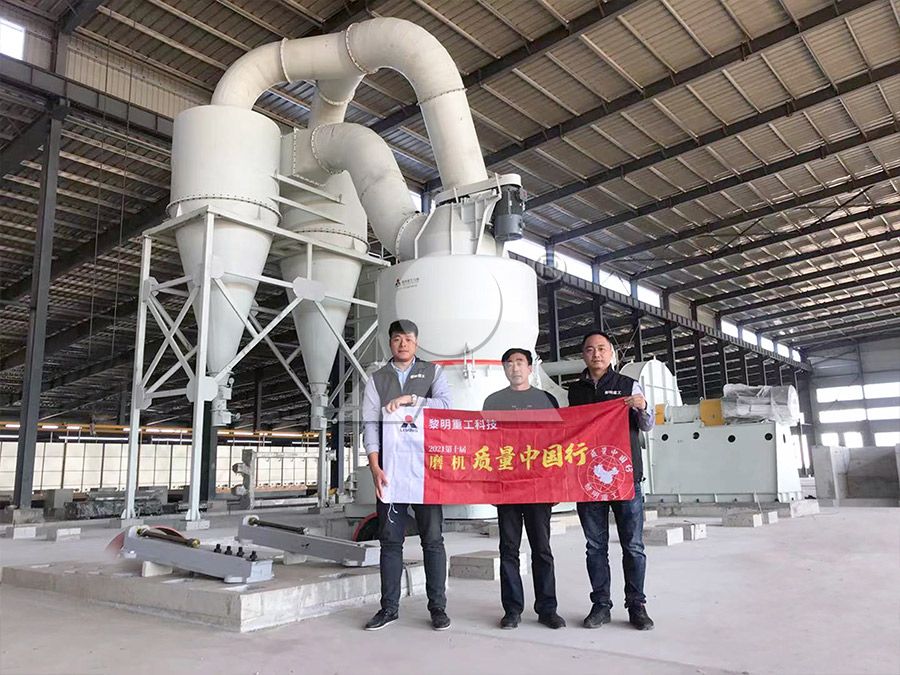
Featured Advanced Solutions: Where Price Meets Performance
While standard Raymond Mills remain a viable option for certain applications, forward-thinking Hebei manufacturers have developed next-generation mills that redefine efficiency. For clients whose needs extend beyond basic grinding, two standout technologies merit serious consideration.
For operations demanding ultra-fine powder between 325-2500 meshes with exceptional environmental performance, the MW Ultrafine Grinding Mill is a paradigm shift. Its design eliminates rolling bearings and screws in the grinding chamber, virtually eradicating related failure points and enabling 24-hour continuous operation. The German-technology cage-type powder selector allows precise fineness adjustment, achieving a remarkable d97≤5μm in a single pass. Crucially, its system energy consumption is only 30% of a jet mill, and its yield is double that of a ball mill for the same power input. With a capacity of 0.5-25 tph and integrated pulse dust collection, its price reflects a total system built for high-yield, low-maintenance, and eco-friendly production.
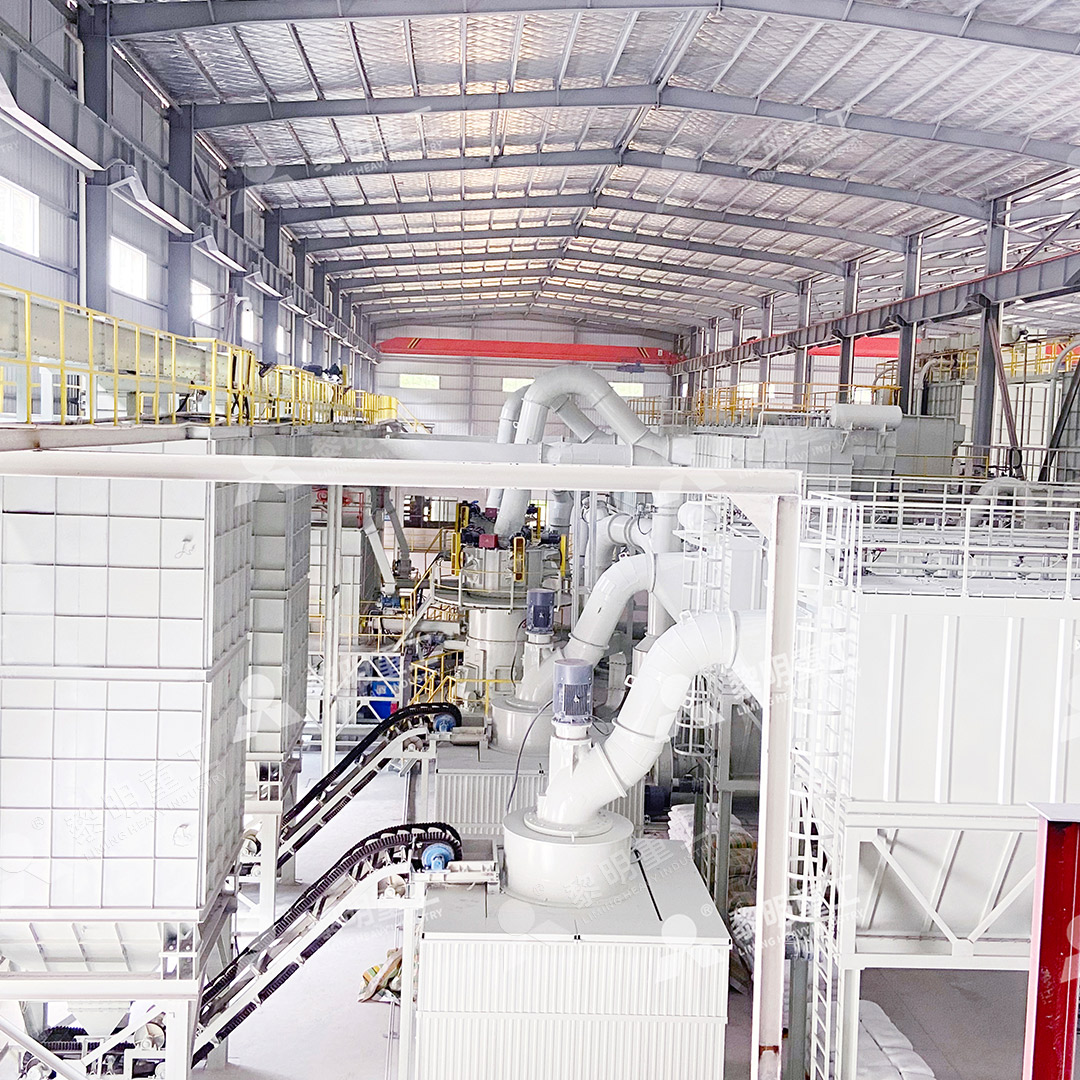
Alternatively, for integrated crushing, drying, grinding, and classifying of non-metallic minerals, pulverized coal, and slag, the LM Vertical Grinding Mill offers unparalleled space and energy savings. Its vertical structure reduces the footprint by 50% compared to ball mill systems, while energy consumption drops by 30-40%. It processes materials up to 70mm in size with capacities from 3 to an impressive 340 tph. Its value proposition lies in lower comprehensive investment and operating costs, featuring automated control, stable negative-pressure operation with no dust spillage, and a short material linger time that ensures low iron content in the final product.
Total Cost of Ownership: The Real Measure of Value
The most astute buyers evaluate price through the lens of Total Cost of Ownership (TCO). A lower-priced, less efficient mill can become a financial burden through excessive power bills, frequent downtime for maintenance, high spare parts consumption, and potential environmental non-compliance fines. Advanced mills from reputable Hebei manufacturers are engineered to minimize TCO. Features like external lubrication systems (allowing maintenance without shutdown), reversible grinding rollers for easier wear-part replacement, and digitalized processing for higher part precision all contribute to decades of reliable, cost-effective service. The initial price premium is amortized over years of superior productivity and negligible unplanned stoppages.
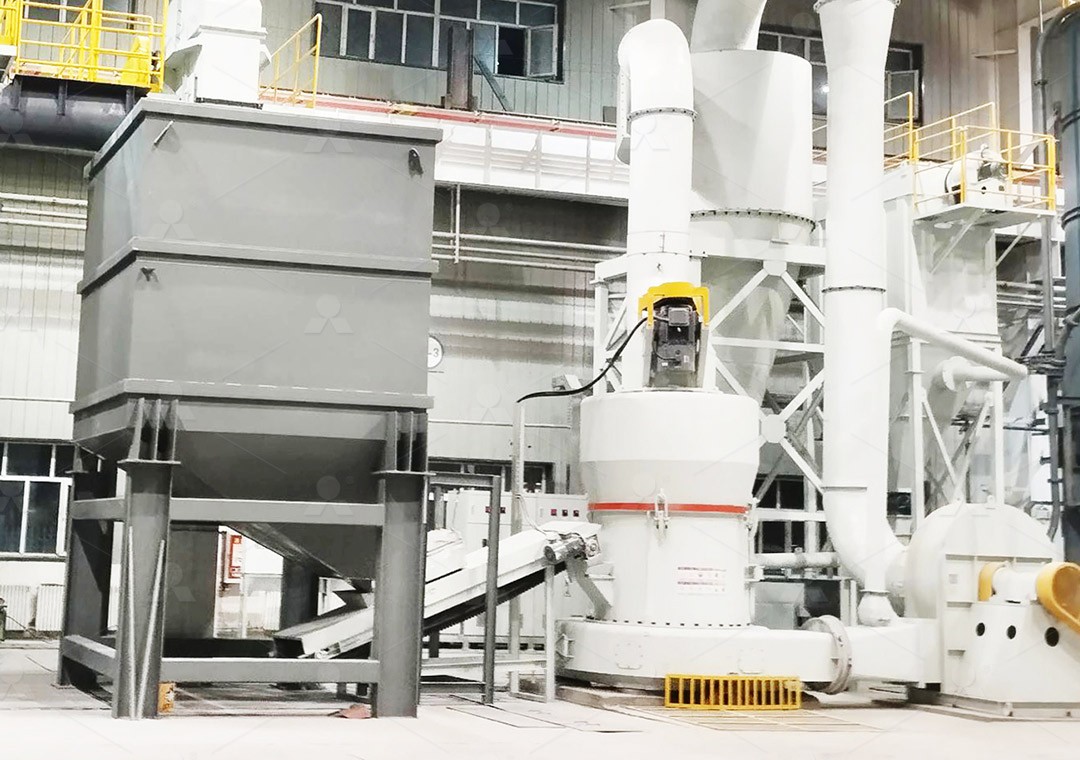
Conclusion: An Investment in Precision and Efficiency
In conclusion, the price of Raymond Mill equipment from Hebei manufacturers spans a spectrum, from cost-effective traditional models to high-tech grinding solutions. The decision should not be based on sticker price alone but on a thorough analysis of production goals, material characteristics, and long-term operational economics. Investing in advanced technologies like the MW Ultrafine Grinding Mill or the LM Vertical Grinding Mill is an investment in future-proofing your operation—ensuring higher quality product, lower energy bills, minimal environmental impact, and ultimately, a stronger competitive edge. The true cost is not what you pay to acquire the machine, but what it costs you to run it over its entire service life.
Frequently Asked Questions (FAQ)
- What is the primary advantage of a modern ultrafine mill over a traditional Raymond Mill?
Modern ultrafine mills incorporate advanced powder separation technology (like cage-type selectors) and optimized grinding mechanics to achieve much finer particle sizes (up to 2500 mesh vs. ~400 mesh) with significantly higher energy efficiency and better product uniformity. - How does the MW Ultrafine Grinding Mill achieve lower energy consumption?
It utilizes newly designed grinding curves for its roller and ring, which enhance grinding efficiency. Its system design reduces air flow resistance, and compared to jet or stirred mills, it can produce the same fineness at only 30% of the energy cost, thanks to more direct mechanical grinding action. - Are these mills suitable for heat-sensitive or explosive materials?
Many models, especially vertical mills like the LM series, operate with a large volume of air flow which provides an inherent cooling effect. However, for highly explosive materials, specific inert gas circulation systems and explosion-proof designs are required and should be discussed as a custom solution with the manufacturer. - What is the typical lead time for delivery and installation?
Lead times vary based on model complexity and customization. Standard models may ship in 30-45 days after contract, while large, custom-configured systems can take 90-120 days. Professional installation and commissioning services are typically provided. - How is the fineness of the final powder controlled and adjusted?
Fineness is primarily controlled by the speed of the powder separator’s rotor. A faster speed allows only finer particles to pass. Advanced mills feature PLC systems that allow operators to adjust this speed digitally, enabling quick and precise changes to the product specification. - What kind of after-sales support and spare parts availability can be expected?
Reputable manufacturers maintain a comprehensive inventory of original spare parts, especially for wear parts like grinding rolls and rings. They offer technical support, remote diagnostics, and often have service engineers available for on-site maintenance and training.