
Activated Carbon Raymond Mill: Efficient Grinding Solution for Carbon Processing
We provide a wide range of mills — including Raymond mill, trapezoidal mill, vertical mill, ultrafine mill, and ball mill, obtained ISO9001 international quality certification, EU CE certification, and Customs Union CU-TR certification. Suitable for processing minerals such as limestone, phosphate, quicklime, kaolin, talc, barite, bentonite, calcium carbonate, dolomite, coal, gypsum, clay, carbon black, slag, cement raw materials, cement clinker, and more.
The discharge range of these mills can be adjusted to meet specific processing needs, typically from 80-400 mesh, 600-3250 mesh, and can achieve the finest particle size of up to 6000 mesh(D50).
If you are looking for a reliable grinding solution to turn stone or minerals into fine powder, please feel free to contact our online customer service.
Activated Carbon Raymond Mill: Efficient Grinding Solution for Carbon Processing
The production of high-quality activated carbon demands precision, efficiency, and reliability in its grinding stage. As a porous material prized for its adsorption capabilities, activated carbon requires careful processing to achieve the desired particle size distribution and surface area without compromising its structural integrity. Traditional grinding methods often fall short, leading to excessive energy consumption, inconsistent particle sizes, or thermal degradation. This is where advanced milling technology, specifically engineered for such delicate yet demanding applications, becomes indispensable.
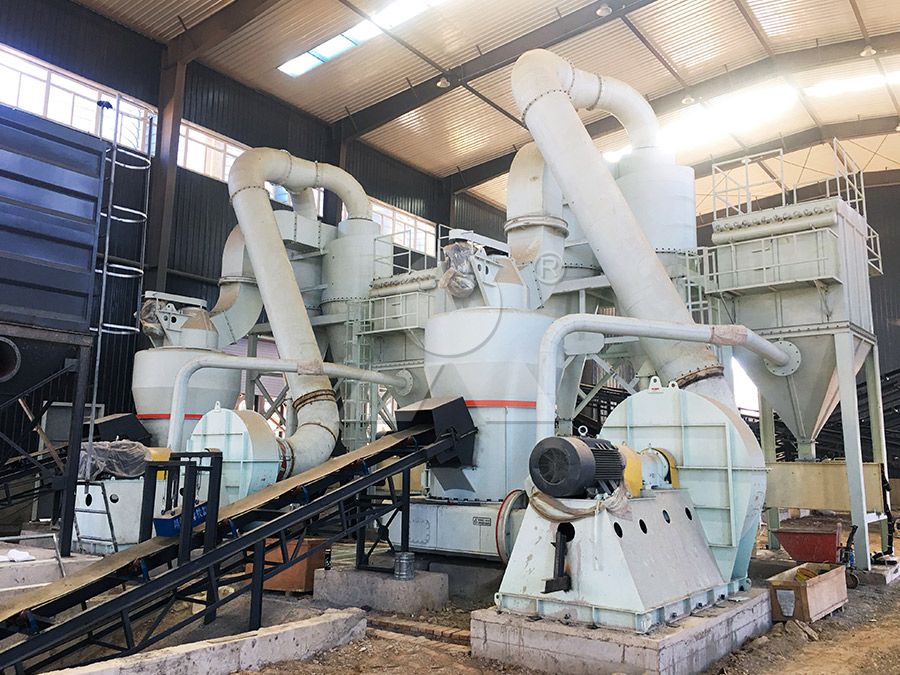
The Critical Role of Precision Grinding in Carbon Processing
Activated carbon’s effectiveness is directly tied to its surface area and pore structure. Inefficient grinding can crush these delicate pores, reducing the material’s adsorption capacity—its primary value. The ideal mill must apply a combination of compression, shear, and impact forces in a controlled manner to cleave particles along their natural boundaries, preserving microporosity. Furthermore, the system must manage heat generation meticulously, as excessive temperatures can alter the carbon’s surface chemistry. A mill designed with these parameters in mind doesn’t just produce powder; it safeguards the very properties that make activated carbon valuable.
Beyond Traditional Milling: Key Features for Carbon Applications
Modern solutions for activated carbon grinding address several core challenges. First is precision particle size control. Achieving a consistent mesh, often between 200 and 325 mesh for many applications, requires an advanced internal classification system that can make sharp cuts and reject oversize particles for regrinding. Second is thermal management. Systems equipped with efficient air flow and external lubrication points prevent heat buildup from damaging the product or the mill’s internal components. Third is operational cleanliness and environmental control. Activated carbon is a fine, black powder that poses a significant dust challenge. An integrated, high-efficiency pulse jet dust collector is not an optional accessory but a fundamental requirement for any responsible processing line.
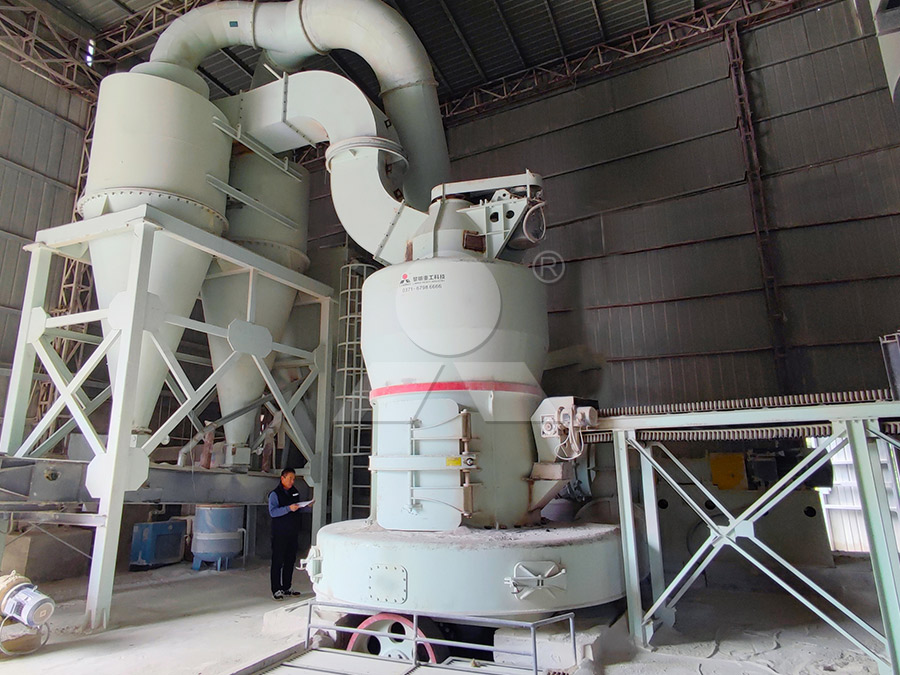
Introducing Advanced Grinding Solutions: The MW Series
For operations seeking to optimize their activated carbon processing, moving beyond first-generation Raymond mills to more sophisticated technology yields significant benefits. Our MW Ultrafine Grinding Mill represents a leap forward in this field. Engineered for customers requiring ultra-fine powder, this machine is particularly adept at handling materials like activated carbon, petroleum coke, and coal powder.
The MW Mill boasts several critical advantages for carbon processors. Its newly designed grinding curves for the roller and ring enhance grinding efficiency dramatically. Compared to jet mills or ball mills, it can offer 40% higher capacity at the same power and fineness, while reducing system energy consumption substantially. Perhaps most crucially for maintaining product quality, its cage-type powder selector allows precise fineness adjustment between 325 and 2500 meshes, ensuring the exact particle distribution required for your specific carbon application. The design eliminates rolling bearings and screws in the grinding chamber, removing common failure points and enabling worry-free, continuous 24-hour operation—a key factor for high-volume production facilities.
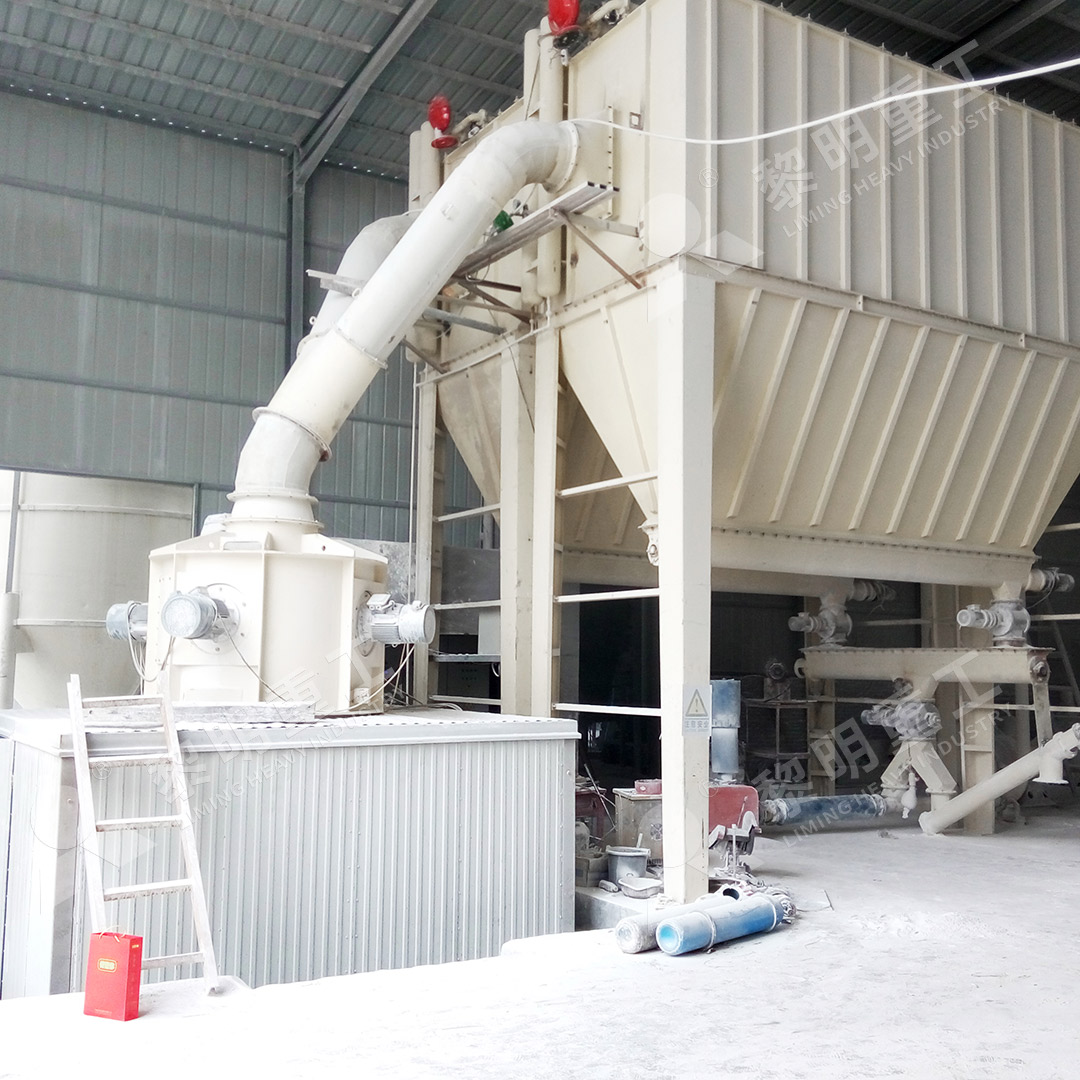
System Integration for Optimal Performance
A mill is only as good as the system it operates within. Successful activated carbon grinding integrates several key components seamlessly. The feeding system must ensure a consistent and controlled rate to prevent overloading the grinding zone. The grinding chamber, where the mechanical action occurs, must be robust and precisely machined. The heart of the modern system is the classifier, which instantly separates particles to the target size. Finally, the product collection and dust handling system must be impeccably sealed and efficient. Our MW Mill is designed as a complete system, featuring an efficient pulse dust collector and muffler, ensuring the entire production process meets stringent environmental standards with minimal dust and noise pollution.
Conclusion: Investing in the Right Technology
Selecting the right milling equipment for activated carbon is a strategic decision that impacts product quality, operational cost, and plant safety. While the legacy Raymond mill design has served the industry for decades, today’s advanced ultrafine grinding mills offer superior control, efficiency, and reliability. By investing in technology that provides precise fineness adjustment, exceptional energy economy, and robust, low-maintenance operation, producers can enhance their product’s performance while improving their bottom line.
Frequently Asked Questions (FAQ)
1. What is the typical fineness range achievable for activated carbon with your mills?
Our MW Ultrafine Grinding Mill is specifically designed for fine to ultra-fine processing. It can reliably produce activated carbon powder with a fineness adjustable between 325 mesh (45 microns) and 2500 mesh (5 microns), allowing customization for a wide variety of applications from water filtration to chemical purification.
2. How does your mill prevent overheating during the grinding of sensitive materials like carbon?
The MW Mill employs several strategies. First, the efficient airflow through the system acts as a cooling mechanism, carrying heat away. Second, the grinding roller lubrication system is located externally, allowing for maintenance and monitoring without shutdown and preventing internal heat from degraded lubricants. The overall efficient design also reduces energy waste, which directly correlates to lower heat generation.
3. Is the system environmentally friendly, given the dusty nature of activated carbon?
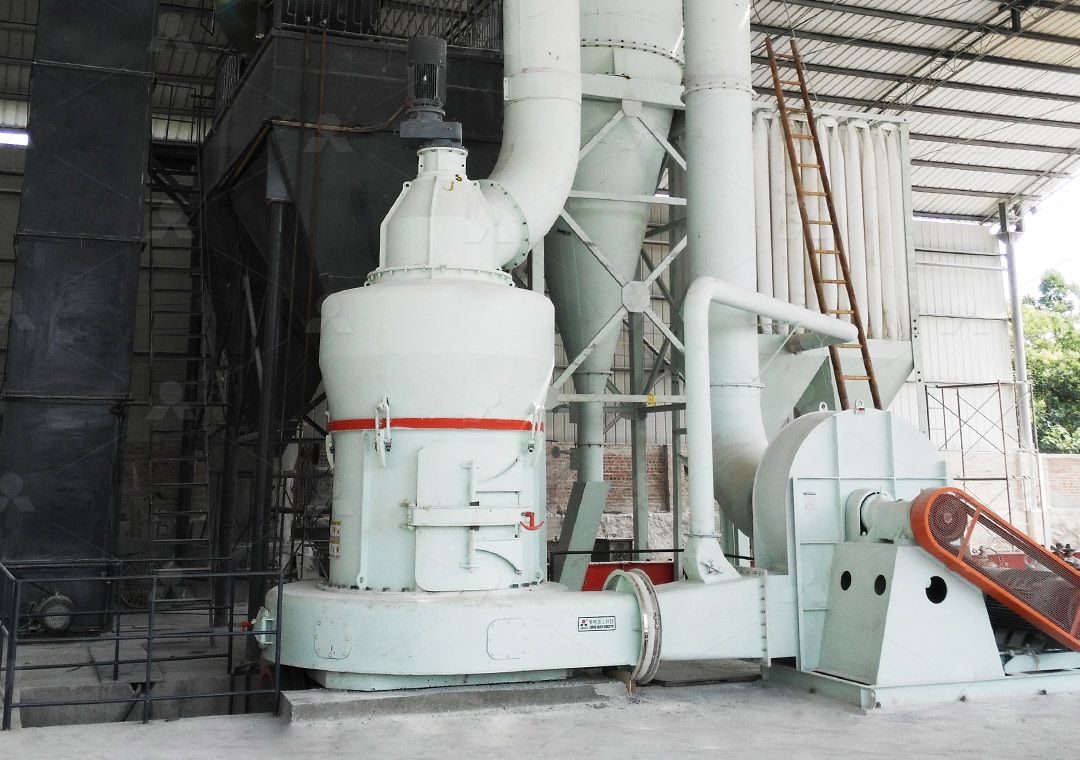
Absolutely. The MW Ultrafine Grinding Mill is equipped with a high-efficiency pulse jet dust collector as a standard integrated component. This ensures that the entire milling system operates under negative pressure, with no dust leakage. Combined with sound-dampening measures, the system is designed to comply fully with national environmental protection standards.
4. What kind of maintenance should we expect, and how is downtime minimized?
The MW Mill is engineered for minimal and easy maintenance. A key feature is the absence of rolling bearings and screws inside the grinding chamber, eliminating two common failure points. The external lubrication system allows for servicing without stopping production. Furthermore, we provide a sufficient supply of original spare parts and full technical support to ensure worry-free, continuous operation and rapid resolution of any issues.
5. Can the same mill handle other materials if we diversify our production?
Yes, the MW Ultrafine Grinding Mill is a versatile platform. In addition to activated carbon and petroleum coal, it is highly effective for processing limestone, calcite, dolomite, gypsum, talc, barite, and other non-metallic minerals with similar hardness. This makes it a valuable asset for plants processing multiple mineral-based products.