
Raymond Mill Equipment and Vertical Grinding Mill Manufacturer – Xinsheng Machinery
We provide a wide range of mills — including Raymond mill, trapezoidal mill, vertical mill, ultrafine mill, and ball mill, obtained ISO9001 international quality certification, EU CE certification, and Customs Union CU-TR certification. Suitable for processing minerals such as limestone, phosphate, quicklime, kaolin, talc, barite, bentonite, calcium carbonate, dolomite, coal, gypsum, clay, carbon black, slag, cement raw materials, cement clinker, and more.
The discharge range of these mills can be adjusted to meet specific processing needs, typically from 80-400 mesh, 600-3250 mesh, and can achieve the finest particle size of up to 6000 mesh(D50).
If you are looking for a reliable grinding solution to turn stone or minerals into fine powder, please feel free to contact our online customer service.
Precision in Every Particle: The Evolution of Industrial Grinding
For decades, the quest for finer powders, higher yields, and more efficient mineral processing has driven innovation in milling technology. At the forefront of this evolution stands Xinsheng Machinery (LIMING), a manufacturer whose name has become synonymous with reliability, precision, and forward-thinking engineering in the grinding industry. Our journey began with mastering the classic Raymond mill, a workhorse for coarse to medium-fine grinding. But true leadership demands looking beyond the horizon. Today, our expertise extends deep into the realm of advanced vertical grinding mills and ultrafine powder solutions, offering a comprehensive portfolio that caters to the most demanding applications across construction, chemicals, mining, and pharmaceuticals.
From Foundation to Innovation: The Raymond Mill Legacy
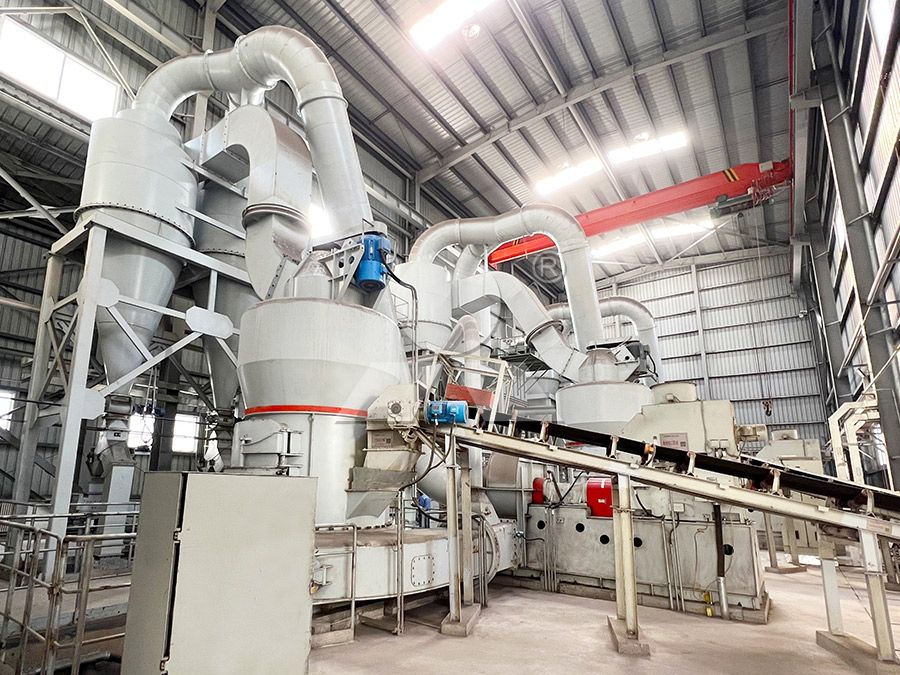
The Raymond mill represents the bedrock of dry powder processing. Its simple, robust design—centered on a central vertical shaft with grinding rollers swinging outward under centrifugal force—has proven its worth in countless operations worldwide. Xinsheng Machinery honors this legacy by producing optimized R-series Raymond mills that deliver small footprint, low investment, and consistent performance for materials under 25mm, achieving fineness up to 425 mesh. It remains an intelligent choice for projects involving desulfurization, non-metallic ore milling, and general powder production where ultra-fine specifications are not the primary goal. However, the limitations of traditional designs—particularly in energy consumption, drying capacity, and achieving superfine powders—paved the way for a technological leap.
The Vertical Advantage: Redefining Efficiency and Integration
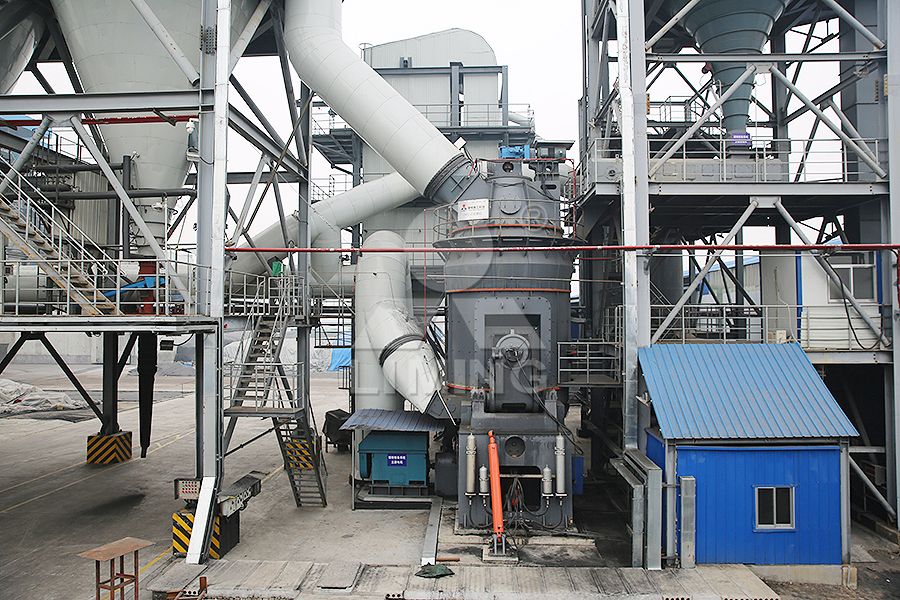
The shift to vertical roller mill technology marked a paradigm shift. By integrating crushing, drying, grinding, classification, and conveying into a single, compact unit, vertical mills like our flagship LM Vertical Grinding Mill slash floor space requirements by up to 50% and reduce energy consumption by 30-40% compared to traditional ball mills. The principle is elegant: material is fed onto a rotating grinding table and is ground under hydraulic pressure by conical rollers. The integrated hot air stream simultaneously dries and transports the ground powder to a high-efficiency classifier. This design ensures a short material residence time, minimizing over-grinding and reducing iron contamination, which is critical for preserving product whiteness and purity in applications like calcite, marble, and barite processing.
Pushing the Boundaries: The Ultrafine Frontier
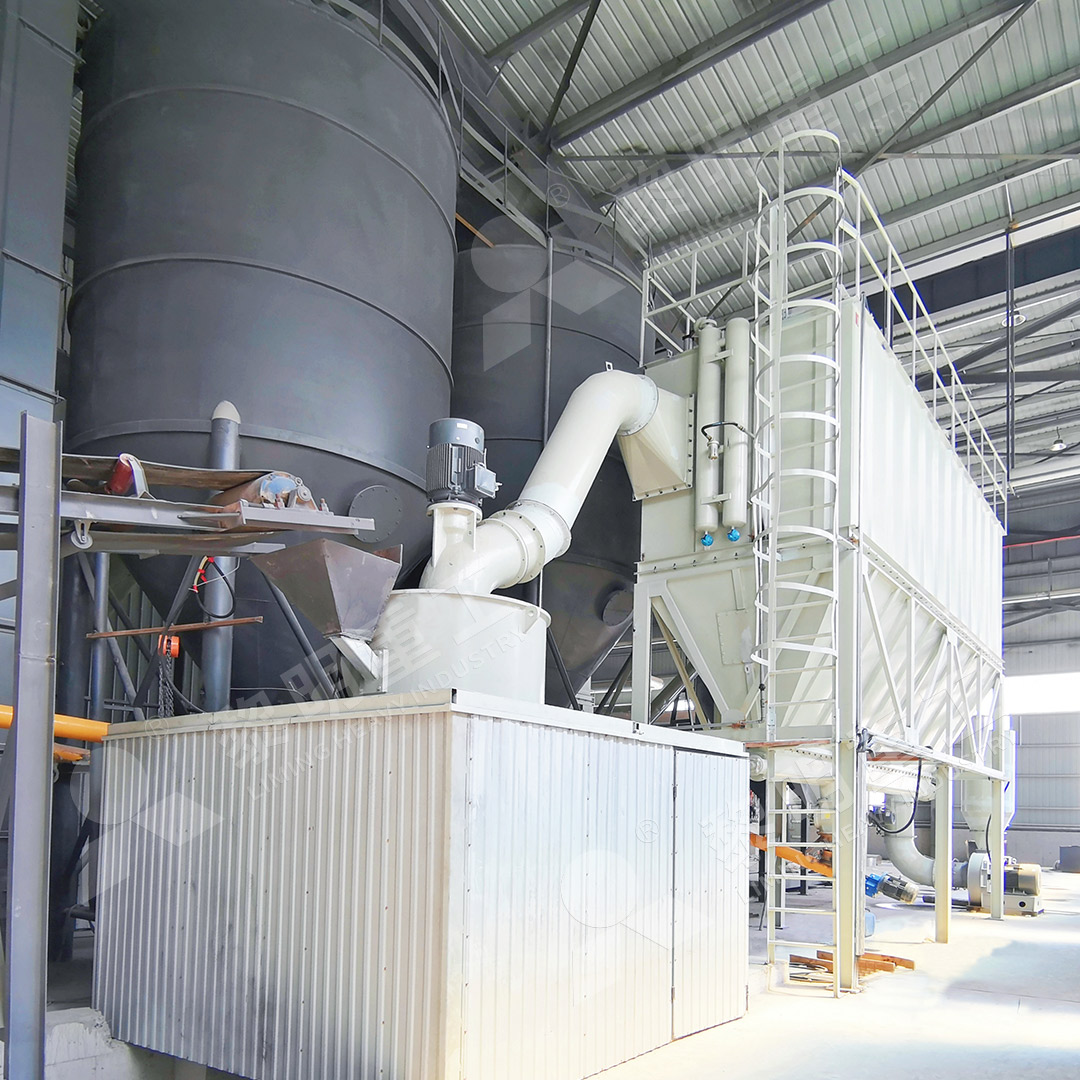
As industries demand powders in the micron and sub-micron range, conventional mills reach their limits. This is where Xinsheng Machinery’s specialized engineering shines. Our MW Ultrafine Grinding Mill is a masterpiece designed for this very challenge. Engineered for customers who need to produce ultra-fine powder between 325 and an impressive 2500 meshes, this mill incorporates a German-technology, multi-head cage-type powder selector. This allows for precise particle size cuts with a screening rate achieving d97≤5μm in a single pass. A key innovation is the elimination of rolling bearings and screws within the grinding chamber, a design choice that liberates users from chronic failures associated with bearing seals and loose fasteners. Furthermore, its external lubrication system enables 24-hour continuous operation without shutdowns for maintenance.
Complementing the MW series is the LUM Ultrafine Vertical Grinding Mill, which represents the pinnacle of our vertical grinding technology. It incorporates the latest grinding roller technology and advanced powder separation systems to handle feed sizes up to 10mm. Its unique roller shell and lining plate grinding curve promote stable material bed formation, enabling a high rate of finished product from a single pass. Features like double position-limiting technology protect the mill from destructive vibration, while a reversible roller structure, facilitated by a hydraulic system, allows for easy maintenance and liner replacement, drastically reducing downtime.
More Than Machinery: A Partnership for Productivity
Xinsheng Machinery’s commitment extends far beyond the factory floor. Every mill, from the robust Raymond to the sophisticated LUM, benefits from our digitalized manufacturing process. Utilizing dozens of CNC machine lines ensures exceptional precision in core components. We stand behind every machine with a comprehensive supply of original spare parts and dedicated technical support, ensuring worry-free operation for our clients globally. Whether your project involves grinding limestone for paint, talc for cosmetics, petroleum coke for fuel, or specialty minerals for advanced ceramics, our engineering team provides solutions tailored to your specific capacity, fineness, and operational environment requirements.

Conclusion: Engineering the Future of Powder Processing
The landscape of industrial grinding is no longer defined by a single machine type. It demands a strategic understanding of material characteristics, desired product specifications, and total operational cost. Xinsheng Machinery provides this strategic edge. By offering a full spectrum of technology—from the proven reliability of Raymond and trapezium mills to the integrated efficiency of vertical mills and the cutting-edge precision of ultrafine grinders—we empower our partners to choose the optimal tool for their task. Our focus on higher yield, lower energy consumption, operational stability, and environmental responsibility is engineered into every system, making us not just a manufacturer, but a vital partner in your production success.
Frequently Asked Questions (FAQ)
- What is the main difference between a Raymond Mill and a Vertical Grinding Mill?
Raymond mills use a central shaft with spring-loaded rollers that swing out to grind against a stationary ring. They are ideal for coarse to medium-fine grinding (up to ~425 mesh). Vertical grinding mills use hydraulically pressurized rollers that grind directly onto a rotating table, integrating drying and classification. They are more energy-efficient, have a larger capacity range, and can achieve finer powders with a significantly smaller footprint. - How do I choose between the MW Ultrafine Grinding Mill and the LUM Ultrafine Vertical Mill for my superfine powder needs?
Both excel in the ultrafine range. The MW series is renowned for its extremely wide fineness adjustment (325-2500 mesh) and its unique chamber design without internal bearings, favoring continuous 24/7 operation on medium-hardness materials. The LUM series offers superior integration and drying capability, excellent for materials requiring simultaneous drying and grinding, and features easier maintenance access due to its reversible roller system. A detailed analysis of your material moisture, hardness, and required production rate with our engineers is recommended. - Can your grinding mills handle abrasive materials?
Yes. Our mills, particularly the LM Vertical and MTW European Trapezium series, are equipped with wear-resistant alloy grinding rollers and rings developed in-house. Their service life is significantly longer than traditional high-manganese steel parts. For highly abrasive applications, we can recommend specific material grades and system configurations to optimize wear life and operating cost. - What environmental features are incorporated into your mills?
Environmental protection is a core design principle. Our mills are equipped with high-efficiency pulse jet bag dust collectors, ensuring the entire system operates under negative pressure with no dust spillage. Silencers and soundproofing rooms are available to minimize noise pollution. The energy-efficient designs of our vertical and ultrafine mills also contribute to a lower carbon footprint. - Do you provide support for installation and spare parts?
Absolutely. As a full-service manufacturer covering production and sales, we take responsibility for our equipment. We offer comprehensive technical services, including installation guidance, operational training, and a guaranteed supply of original spare parts to ensure long-term, worry-free operation of your grinding plant.