
Large Raymond Mill for Metallurgical Industry Applications
We provide a wide range of mills — including Raymond mill, trapezoidal mill, vertical mill, ultrafine mill, and ball mill, obtained ISO9001 international quality certification, EU CE certification, and Customs Union CU-TR certification. Suitable for processing minerals such as limestone, phosphate, quicklime, kaolin, talc, barite, bentonite, calcium carbonate, dolomite, coal, gypsum, clay, carbon black, slag, cement raw materials, cement clinker, and more.
The discharge range of these mills can be adjusted to meet specific processing needs, typically from 80-400 mesh, 600-3250 mesh, and can achieve the finest particle size of up to 6000 mesh(D50).
If you are looking for a reliable grinding solution to turn stone or minerals into fine powder, please feel free to contact our online customer service.
Large Raymond Mill for Metallurgical Industry Applications
The metallurgical industry stands as a cornerstone of modern manufacturing, demanding precision, efficiency, and reliability in every stage of material processing. At the heart of many operations lies the critical task of size reduction and powder preparation, where the choice of grinding equipment directly impacts productivity, product quality, and operational costs. For decades, the Raymond mill has been a trusted name in this arena. Today’s large-scale Raymond-type mills represent a significant evolution, engineered to meet the rigorous demands of modern metallurgical applications, from ore beneficiation to slag recycling and additive manufacturing.
Modern large Raymond mills are far more than simple pulverizers. They are integrated systems designed for continuous, high-volume production of fine and ultra-fine powders. In metallurgy, these powders are essential for processes like sintering, pelletizing, and as raw materials for advanced alloys. The ability to consistently produce powders within a specific and narrow particle size distribution is paramount, as it directly influences downstream chemical reactions, melting characteristics, and final material properties.
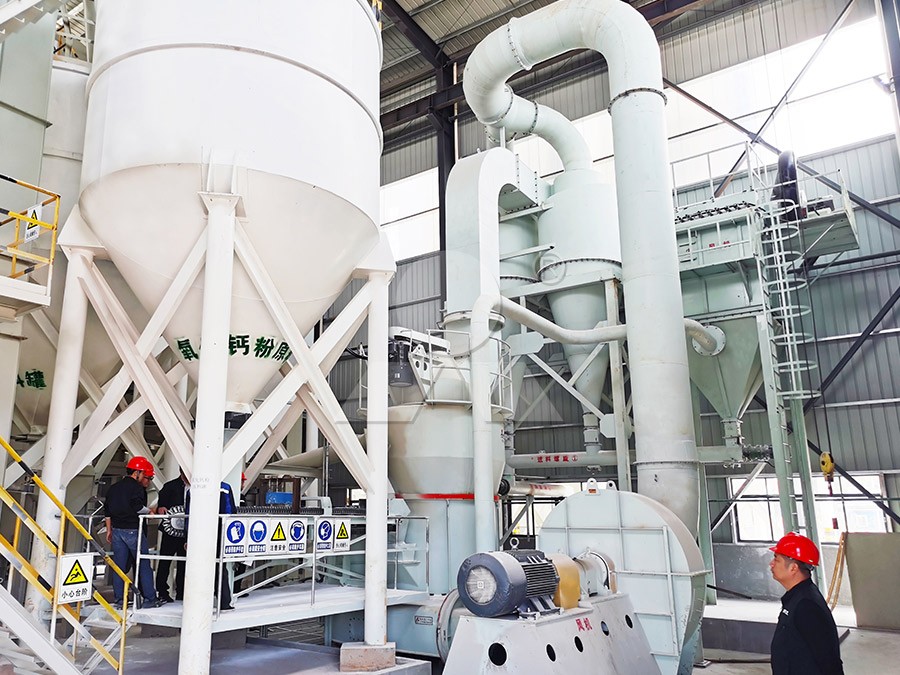
Key Engineering Advancements for Metallurgical Demands
The latest generation of large mills incorporates several key advancements tailored for heavy-duty industrial use. Structural integrity is enhanced to handle abrasive materials like iron ore, manganese, and chromium concentrates. Wear-resistant alloys for grinding rollers and rings have extended service life dramatically, reducing downtime for part replacement. Furthermore, sophisticated air classification systems integrated into the mill allow for real-time adjustment of product fineness without stopping production—a crucial feature for plants processing multiple material grades.
Environmental and operational efficiency are no longer afterthoughts but core design principles. Advanced pulse-jet dust collection systems ensure that the entire milling process operates under negative pressure, containing dust and protecting both workers and equipment. Noise reduction technologies, including sound-insulated rooms and optimized airflow paths, bring plant noise levels well within regulatory limits. From an energy perspective, modern drive systems and aerodynamic designs have slashed power consumption per ton of output, a critical factor given the energy-intensive nature of metallurgy.
Beyond Traditional Grinding: Specialized Solutions
While the classic Raymond mill design remains effective, specific metallurgical by-products and advanced materials require specialized grinding solutions. For instance, grinding granulated blast furnace slag (GGBS) for use in cement requires a mill capable of handling moderately abrasive material with high moisture content and delivering a product with exceptional surface area. Similarly, the production of metal powders for 3D printing demands ultra-fine, spherical powders with extremely tight size distribution, pushing the limits of conventional grinding technology.
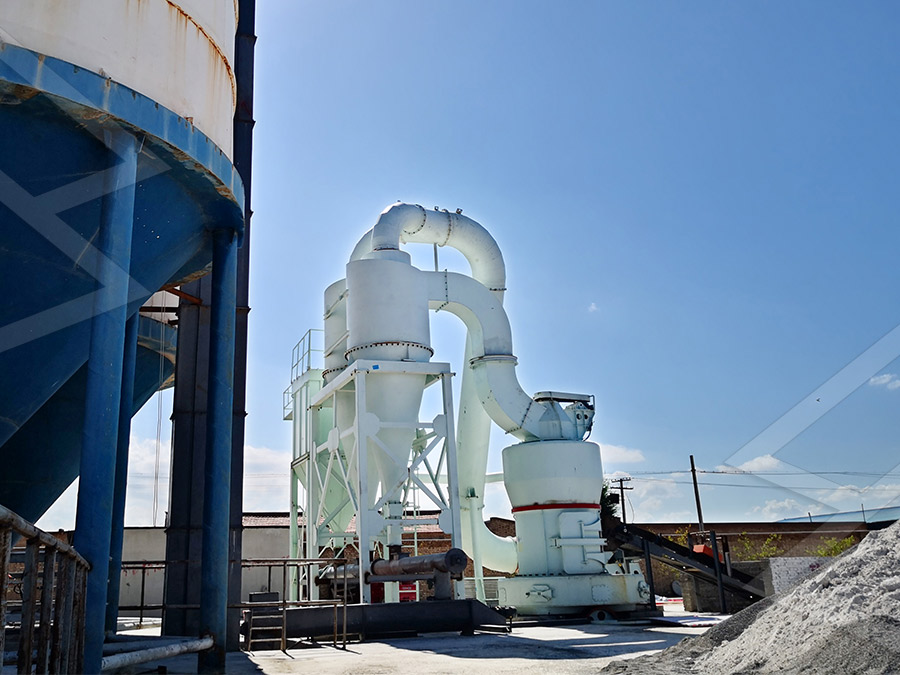
This is where selecting the right technology partner becomes essential. At LIMING Heavy Industry, we understand that one size does not fit all. For metallurgical clients requiring ultra-fine powders (325-2500 meshes) from materials like metal oxides, rare earth concentrates, or specialized alloys, our MW Ultrafine Grinding Mill presents a superior solution. Its cage-type powder selector, based on German technology, ensures high-precision classification for a consistently fine product (d97≤5μm). Notably, its grinding chamber is designed without rolling bearings or screws, eliminating common failure points and enabling worry-free, 24/7 operation—a vital feature for continuous metallurgical processes. With an input size of 0-20 mm and a capacity range of 0.5-25 tph, it offers both flexibility and high output for specialized powder production.
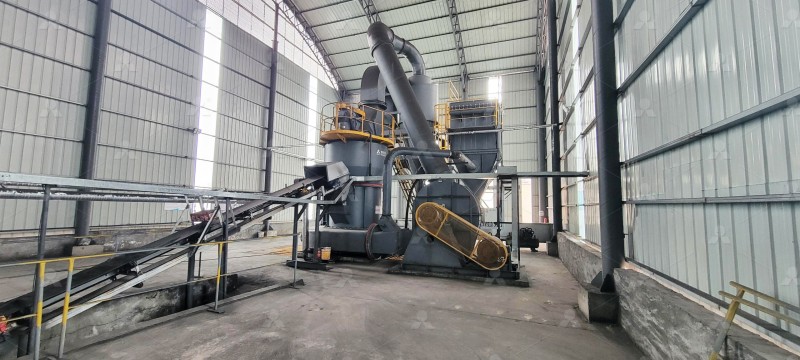
For high-volume processing of metallurgical raw materials or by-products like limestone for flux, petroleum coke, or coal for injection, a robust and efficient vertical solution is often preferred. Our LM Vertical Grinding Mill integrates crushing, drying, grinding, and classifying into a single, compact unit. Its significant advantage lies in its ability to handle materials with up to 70mm input size at remarkable capacities (3-340 tph), while reducing energy consumption by 30%-40% compared to traditional ball mills. The short material residence time minimizes over-grinding and reduces iron contamination, protecting the purity of sensitive materials. Its fully sealed, negative-pressure operation makes it an environmentally sound choice for any modern plant.
The Path Forward: Integration and Intelligence
The future of grinding in metallurgy lies in seamless integration and smart operation. Large Raymond and vertical mills are now central components in automated production lines, with data from sensors feeding into plant-wide control systems for optimized performance. Predictive maintenance, based on real-time monitoring of vibration, temperature, and pressure, helps prevent unplanned shutdowns. The goal is a fully autonomous grinding circuit that maximizes yield, quality, and energy efficiency while minimizing human intervention and operational risk.
Choosing the right large mill is a strategic decision. It requires a thorough analysis of the feed material characteristics, desired product specifications, required capacity, and total cost of ownership. Partnering with an experienced manufacturer who offers comprehensive testing, custom engineering support, and a reliable supply of original spare parts is crucial for long-term success. In the demanding world of metallurgy, your grinding mill isn’t just a machine; it’s a fundamental pillar of your production capability and product quality.
Frequently Asked Questions (FAQ)
- What are the primary metallurgical applications for a large Raymond-type mill?
These mills are extensively used for grinding non-ferrous and ferrous metal ores (e.g., copper, iron, zinc concentrates), industrial minerals used as fluxes (limestone, dolomite), petroleum coke for anode production, coal for pulverized fuel injection, and recycling metallurgical by-products like slag into valuable cementitious materials. - How does a modern large mill control product fineness?
Fineness is primarily controlled by an internal dynamic classifier or powder separator. By adjusting the speed of the classifier rotor, operators can precisely select the cut-point for particle size. Faster speeds allow only finer particles to pass, resulting in a finer product, and vice-versa. This adjustment can often be made during operation. - What are the key advantages of a vertical grinding mill (like the LM series) over a traditional ball mill for metallurgical use?
Key advantages include significantly lower energy consumption (30-40% savings), a much smaller footprint, integrated drying of moist materials, lower noise levels, and reduced iron contamination due to minimal metal-to-metal contact in the grinding zone. They also offer faster product quality adjustment. - How is dust and environmental pollution managed with these large grinding systems?
Modern systems are designed as closed-circuit, negative-pressure systems. All air used in the process passes through high-efficiency pulse-jet baghouse dust collectors before being vented. This ensures dust emissions are far below international environmental standards, protecting the workplace and the environment. - What maintenance features should I look for in a mill for continuous metallurgical operation?
Look for designs that facilitate easy maintenance: externally accessible lubrication points, hydraulic systems for easy roller withdrawal (like in the LUM mill), use of split-type wear parts to reduce replacement time and cost, and a design free from internal components like screws in the grinding chamber (as in the MW mill) that can loosen or fail. - Can these mills handle abrasive metallurgical materials without excessive wear?
Yes, but specifying the correct wear protection is critical. Reputable manufacturers offer grinding rollers and rings, liner plates, and shovel blades made from proprietary wear-resistant alloys or composite materials that offer service lives several times longer than standard manganese steel, dramatically reducing operating costs for abrasive applications.